How to Report Rent Payments to the Credit Bureau
Learn how to report rent payments to credit bureaus to build credit. Step-by-step guide covers services, landlord options, and manual reporting.
Plain-English guides to paying off debt, raising your credit score, fixing your credit report and choosing the right debt relief option.
Learn how to report rent payments to credit bureaus to build credit. Step-by-step guide covers services, landlord options, and manual reporting.
Learn how to get your free credit report from all three bureaus—Equifax, Experian, and TransUnion—at AnnualCreditReport.com, plus step-by-step instructions for reviewing and disputing errors.
The average credit score for people in their 40s and 50s is around 700, but many factors can affect your number. This guide explains typical scores, how to improve yours, and realistic timelines for progress.
To get the lowest mortgage rate, you typically need a credit score of 760 or higher. Learn how scores affect rates, how to improve yours fast, and what else lenders consider.
Massachusetts has strong protections for medical debt, including limits on interest and collection. Learn how to remove medical debt from your credit report and your options for relief.
Learn who qualifies for Hawaii's medical debt relief program, how to apply step by step, and how to remove medical debt from your credit report.
Debt management plans and debt settlement are two different paths to financial relief. This guide compares costs, credit impact, and success rates so you can choose the right option for your situation.
Compare debt consolidation vs. bankruptcy to decide which option protects your credit and finances best. Debt consolidation wins for manageable debt; bankruptcy offers a fresh start for overwhelming debt.
Debt settlement and debt consolidation are two different paths to becoming debt-free. This guide compares them side-by-side to help you decide which strategy fits your situation best.
Compare federal and private student loan relief options, including income-driven plans, consolidation, and settlement. Find out which path fits your situation and how to avoid scams.
Derogatory marks like late payments, collections, and charge-offs can damage your credit score. Learn what they are, how to remove them, and how to dispute errors with our step-by-step guide.
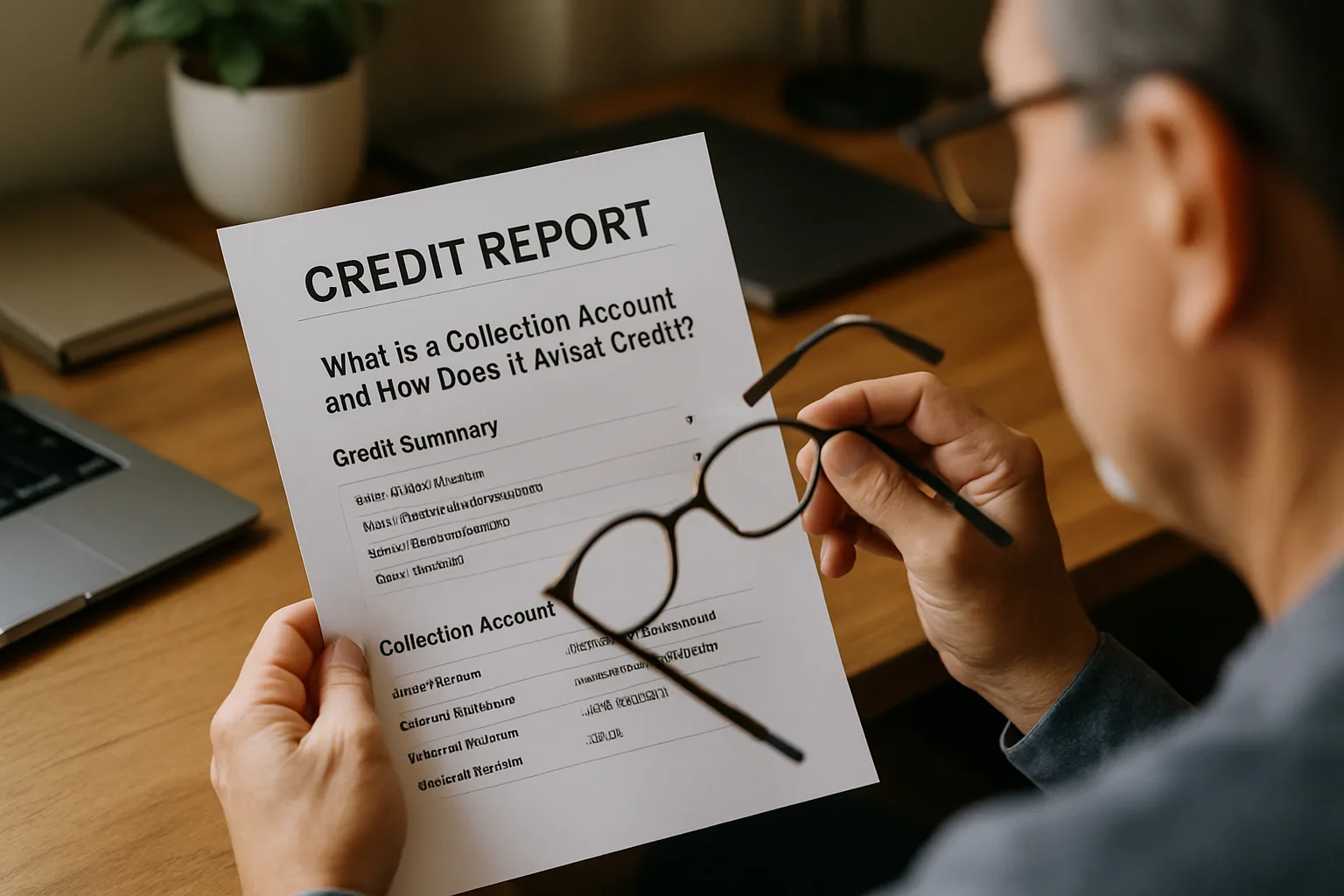
A collection account appears on your credit report when an unpaid debt is turned over to a collection agency. It can significantly lower your credit score and remain for up to seven years, but there are ways to minimize the damage and potentially remove it.