How to Get a Free Credit Report from All 3 Bureaus (Step-by-Step)
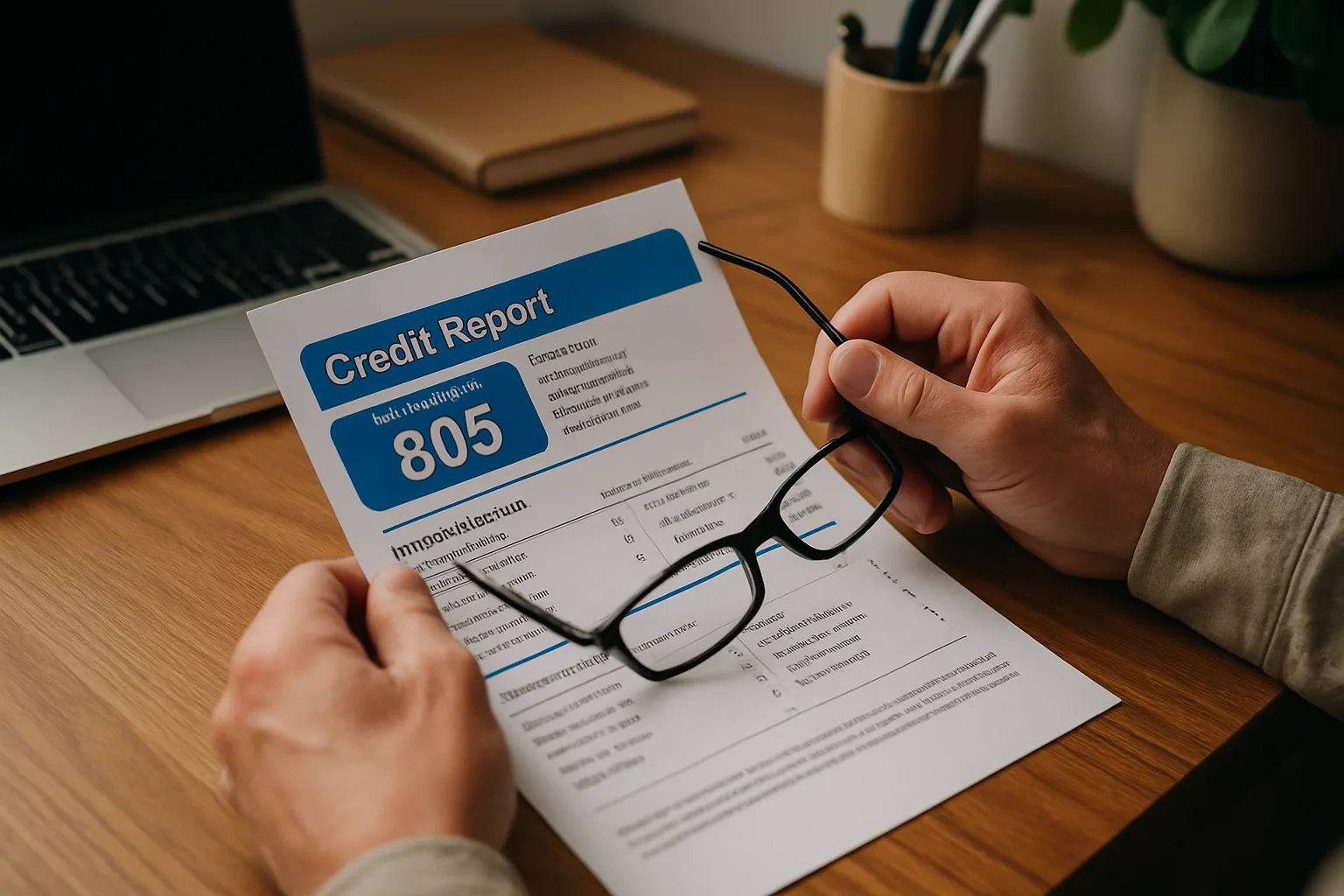
This guide walks you through exactly how to get your free credit report from all three bureaus—Equifax, Experian, and TransUnion—in just a few minutes. No tricks, no hidden fees, no credit card required. We'll also cover what to look for once you have your reports, including how to spot errors and what to do if you find something wrong.
Remember, this article is for informational purposes only and does not constitute professional financial advice. Everyone's situation is different, so consider consulting a credit counselor or attorney for personalized guidance.
What Is a Credit Report?
A credit report is a detailed record of your credit history. It includes personal information (name, address, Social Security number), account details (credit cards, loans, mortgages), payment history, public records (bankruptcies, foreclosures), and inquiries (who has checked your credit).
Each of the three major credit bureaus—Equifax, Experian, and TransUnion—maintains its own version of your credit report. The data is similar but not identical, because not every lender reports to every bureau. That's why it's important to check all three.
Your credit report does not contain your credit score. Scores are calculated separately using the data in your report. But the report is the raw material—fixing errors in your report can directly improve your scores.
Why You Should Get Your Free Credit Report Regularly

Checking your credit report regularly helps you catch mistakes, spot identity theft early, and track your progress as you work to improve your credit. According to the Consumer Financial Protection Bureau, about one in five consumers has an error on at least one of their credit reports. A single error—like a paid collection that still shows as unpaid—could be costing you points on your credit score.
If you're planning to apply for a mortgage, car loan, or even a rental apartment, you'll want your reports to be accurate. Getting your free reports is the first step in that process. And if you find errors, you have the right to dispute them.
For a detailed walkthrough, check out our guide on how to dispute errors on your credit report.
How to Get Your Free Credit Report from All 3 Bureaus (Step by Step)
Getting your reports is straightforward. Follow these steps:
- Go to AnnualCreditReport.com. This is the only website authorized by the federal government to provide free credit reports. Do not use other sites that claim to offer free reports—they often come with hidden subscriptions or upsells.
- Click "Request your free credit reports." You'll be asked to fill in your name, address, Social Security number, and date of birth. This is normal—the bureaus need to verify your identity.
- Answer security questions. You may be asked about past addresses, loan amounts, or other personal details. If you can't answer, you can still get your reports by mailing a request form.
- Choose which reports you want. You can request all three at once or one at a time. Many experts recommend staggering them—one every four months—so you can monitor your credit throughout the year.
- Download and save your reports. Once verified, you'll see your reports on screen. Save them as PDFs or print them for your records. You can also request them by mail if you prefer paper copies.
That's it. You now have your free credit reports from all three bureaus. The entire process takes about 10 minutes.
What to Look For on Your Credit Report

Once you have your reports, don't just file them away. Review each section carefully. Here's what to check:
- Personal information: Is your name spelled correctly?
Are your current and past addresses accurate? Errors here can indicate mixed files or identity theft.
- Account history: Look at each credit card, loan, or mortgage. Are the account statuses correct (open, closed, paid as agreed)?
Do the balances and payment history match your records?
- Public records: Bankruptcies, foreclosures, and civil judgments should be accurate and up to date.
- Collections: Any accounts sent to collections should show the correct amount and date. If you've paid a collection, it should show as "paid" or "settled." If it doesn't, you'll want to learn how to remove collections from credit report.
- Inquiries: Hard inquiries (from loan applications) stay for two years. Make sure you recognize all of them.
If you're unsure how to interpret what you see, our article on how to read your credit report breaks down each section in plain English.
Understanding the Difference Between Credit Report and Credit Score
Many people confuse their credit report with their credit score, but they are two distinct things. Your credit report is a detailed history of your borrowing and repayment activity, while your credit score is a three-digit number calculated from that data.
Think of your credit report as a transcript of your financial behavior. Your credit score is like a grade point average based on that transcript. You need the report to see the details, but the score gives you a quick snapshot of your credit health.
You can get your credit report for free through AnnualCreditReport.com. For your credit score, you may need to use a free service like Credit Karma or check with your credit card issuer. Many card issuers now offer free FICO scores to their customers as a benefit.
How to Remove Collections from Credit Report
Collections are one of the most damaging items on a credit report. A single collection can drop your score by 100 points or more. But you have options for how to remove collections from credit report or at least minimize the damage.
First, check if the collection is accurate. Many collections contain errors—wrong amount, wrong date, or even a debt that isn't yours. If you find an error, you can dispute it with the credit bureau.
The bureau must investigate within 30 days. If the collection company can't verify the debt, it must be removed.
If the collection is accurate, you can try a pay-for-delete agreement. This is where you offer to pay the full amount (or a settlement) in exchange for the collection being removed entirely from your report. Not all collection agencies agree to this, but it's worth asking.
Get the agreement in writing before you pay.
Another option is to wait. Most collections fall off your report after seven years from the original delinquency date. But if you need to improve your credit sooner, you'll want to explore all removal strategies.
For a full guide, see our article on how to remove collections from credit report.
How to Remove Paid Collections from Credit Report
Even after you pay a collection, it can stay on your report for up to seven years. But a paid collection is less damaging than an unpaid one. Some newer credit scoring models (like FICO 9 and VantageScore 4.0) ignore paid collections entirely.
However, many lenders still use older models that count them.
If you want to remove a paid collection, your best bet is a goodwill letter. Write to the collection agency or original creditor, explain that you've already paid, and politely ask them to delete the collection from your report. This works best if you have a long history of on-time payments and the collection was an isolated incident.
You can also dispute the paid collection if it contains any inaccuracy—even a small one. For example, if the date or amount is off, you have grounds to dispute. If the collection agency can't verify the details, the item must be removed.
How to Get Rid of Collections on Credit Report
Getting rid of collections involves a mix of strategy and persistence. Here are the most effective methods:
- Dispute inaccuracies: Any error, no matter how small, can be disputed. Use the credit bureau's online dispute system or send a certified letter.
- Negotiate pay-for-delete: Offer to pay in exchange for removal. This is not guaranteed, but it's worth trying.
- Request early removal: Some collection agencies will remove a collection if you pay quickly, especially if the debt is small.
- Hire a credit repair company: Professionals can handle disputes and negotiations for you, but be wary of scams. Legitimate companies charge monthly fees and don't promise instant results.
- Wait it out: After seven years, the collection must be removed automatically. If it stays longer, dispute it.
For a deeper dive into each method, see our complete guide on how to remove collections from credit report.
How to Remove Debt Collection from Credit Report
Removing a debt collection from your credit report follows the same general process as any collection. The key is to act quickly. The sooner you address it, the better your chances of removal.
Start by requesting a debt validation letter from the collection agency. Under the Fair Debt Collection Practices Act, you have the right to ask them to prove the debt is yours and that they have the legal right to collect it. If they can't provide proof within 30 days, they must stop collection efforts, and you can use that as leverage to get the item removed from your report.
If the debt is validated, your options are limited to pay-for-delete or waiting. But remember: even if you can't remove it, paying it off will improve your credit over time, especially as newer scoring models ignore paid collections.
How to Delete Collections on Credit Report
Deleting collections from your credit report is possible, but it requires a valid reason. The credit bureaus won't remove accurate information just because you ask. You need a legal basis: the information is inaccurate, incomplete, or unverifiable.
Common reasons for deletion include:
- The debt is not yours (identity theft or mixed files).
- The debt is past the statute of limitations or the seven-year reporting period.
- The collection agency failed to respond to a dispute.
- The amount or date is wrong.
If you have a valid reason, file a dispute with each bureau that shows the collection. You can do this online, by phone, or by mail. The bureau will investigate and notify you of the result.
If the collection is deleted, it will no longer appear on your report.
How to Delete Collections from Credit Report
This is essentially the same as the previous section. The word "delete" is often used interchangeably with "remove." The process is identical: dispute inaccuracies, request validation, or negotiate removal.
One additional tip: if you have multiple collections, prioritize the ones that are most damaging. A recent collection hurts more than an old one. Also, focus on collections from major credit grantors (like credit card companies) rather than small medical bills, as the latter may have less impact on your score.
How to Clear Collections from Credit Report
Clearing collections means getting them off your report entirely. The most reliable way is to wait for the seven-year mark. But if you need a clean report sooner, you'll need to take action.
Consider a credit repair service if you're overwhelmed. Reputable companies can help you draft dispute letters, negotiate with collectors, and track your progress. Just be sure to check their reviews and avoid any that ask for payment upfront before providing services.
You can also try a "pay-for-delete" letter. This is a written agreement where you pay the debt in full (or a settlement) in exchange for the collection being deleted. Not all collectors agree, but it's worth a shot.
Always get the agreement in writing before you send any money.
How to Remove Credit Collections from Credit Report
Credit collections—collections from credit card companies, personal loans, or other lines of credit—are particularly damaging because they indicate a failure to repay borrowed money. Removing them follows the same steps as other collections.
One unique strategy for credit collections is to request a "goodwill deletion" from the original creditor. If you had a good payment history before the default and have since paid off the debt, write a letter explaining your situation and ask the creditor to ask the collection agency to remove the item. Some creditors will do this to maintain customer goodwill.
Another option is to refinance or consolidate the debt before it goes to collections. If you're struggling, contact your creditors early to set up a payment plan. This can prevent the account from ever being sent to collections.
What to Do If You Find Errors on Your Credit Report
Errors are more common than you might think. If you find a mistake on any of your reports, you have the right to dispute it. The Fair Credit Reporting Act (FCRA) requires credit bureaus to investigate and correct errors.
To dispute an error, follow these steps:
- Identify the error. Note the specific item and why it's wrong.
- Gather evidence. Collect documents that support your claim, such as bank statements, payment records, or identity theft affidavits.
- File a dispute with the credit bureau. You can do this online at each bureau's website or by mail. Include your evidence and a clear explanation.
- Contact the information provider. If the error came from a lender or collection agency, dispute it with them directly as well.
- Follow up. The bureau must respond within 30 days. If the error is corrected, you'll receive a free updated report.
For a complete step-by-step guide, see our article on how to dispute errors on your credit report.
How to Read Your Credit Report
Reading a credit report can feel overwhelming at first, but it's structured in clear sections. Here's a quick breakdown:
- Personal Information: Your name, aliases, current and previous addresses, Social Security number, date of birth, and employer. Check for accuracy.
- Accounts: A list of all your credit accounts, including credit cards, mortgages, auto loans, student loans, and collections. Each account shows the creditor, account number, date opened, credit limit or loan amount, balance, payment status, and a 24-month payment history.
- Public Records: Bankruptcies, foreclosures, tax liens, and civil judgments. These are very damaging and stay for 7–10 years.
- Inquiries: A list of everyone who has accessed your credit report. Hard inquiries (from applications) stay for two years; soft inquiries (from pre-approvals or your own checks) are only visible to you.
If you want a more detailed explanation, check out our guide on how to read your credit report. It walks through each section with examples.
How Often Should You Check Your Credit Report?
You can check your credit report for free once a week from each bureau through AnnualCreditReport.com. This temporary increase (due to the pandemic) is currently extended through at least April 2025. Many experts recommend checking all three reports at least once a year, but more frequent checks can help you catch errors or fraud early.
If you're actively working on improving your credit, consider checking one report every four months. That way, you can monitor your progress without overwhelming yourself.
Common Mistakes to Avoid When Getting Your Credit Report
- Using a non-official site. Only use AnnualCreditReport.com. Other sites may charge you or trick you into signing up for a subscription.
- Not reviewing all three reports. Each bureau may have different information. You need to check all three to get the full picture.
- Ignoring errors. If you see a mistake, dispute it. Ignoring it won't make it go away.
- Confusing your credit report with your credit score. Your report is the data; your score is a number calculated from that data. You need to check both separately.
How to Protect Your Credit Report from Identity Theft
Identity theft is a serious risk that can damage your credit without you knowing. Thieves can open accounts in your name, run up debts, and leave you with the mess. Checking your credit report regularly is your first line of defense.
If you see accounts or inquiries you don't recognize, act immediately. Place a fraud alert on your credit file by contacting one of the three bureaus. That bureau must notify the other two, and the alert lasts for one year.
For even stronger protection, consider a credit freeze. A freeze blocks access to your credit report entirely, making it nearly impossible for anyone to open new accounts in your name. You can lift the freeze temporarily when you need to apply for credit yourself.
The Role of Credit Bureaus in Your Financial Life
Credit bureaus are data collectors, not regulators. They gather information from lenders, collection agencies, and public records to create your credit report. They don't decide whether you get a loan, but they provide the data that lenders use to make that decision.
Each bureau operates independently, which is why your reports can differ. For example, a credit card issuer might report to Experian and Equifax but not TransUnion. That's why checking all three is essential for a complete picture.
If you find a discrepancy between bureaus, you can ask the lender to report to the missing bureau. This can help ensure all your positive payment history is reflected everywhere. It's a simple step that can boost your scores across the board.
How to Use Your Free Credit Report to Improve Your Score
Once you have your free credit report, you can use it to identify areas for improvement. Start by looking at your payment history, which is the most important factor in your credit score. If you see any late payments, make a plan to pay all future bills on time.
Next, check your credit utilization ratio. This is the amount of credit you're using compared to your total available credit. A high ratio can hurt your score.
If you're using more than 30% of your limit, consider paying down balances or requesting a credit limit increase.
Finally, look for any negative items like collections or charge-offs. Use the strategies outlined in this article to address them. Even small improvements can add up to a significant score increase over time.
Key Takeaways
- You can get a free credit report from all three bureaus (Equifax, Experian, TransUnion) every week at AnnualCreditReport.com.
- Review each report carefully for errors, especially collections, late payments, and incorrect personal information.
- If you find errors, dispute them with the credit bureau and the information provider. You have legal rights under the FCRA.
- Collections can be removed if they are inaccurate, unverifiable, or if you negotiate a pay-for-delete agreement.
- Regular monitoring helps you catch problems early and track your credit improvement over time.
Frequently asked questions
Is AnnualCreditReport.com really free?
How often can I get a free credit report?
Will checking my credit report hurt my credit score?
What should I do if I find an error on my credit report?
Can I get my credit report if I don't have internet access?
This article is for general informational purposes only and does not constitute financial, legal or credit-repair advice. Always consult a qualified financial advisor or credit counselor about your specific circumstances.

Written & reviewed by
Can OTUEditor
Can OTU is the editor of this site, curating and reviewing every guide for accuracy and clarity.
View all guides →