What Credit Score Do You Need to Get the Lowest Mortgage Rate?
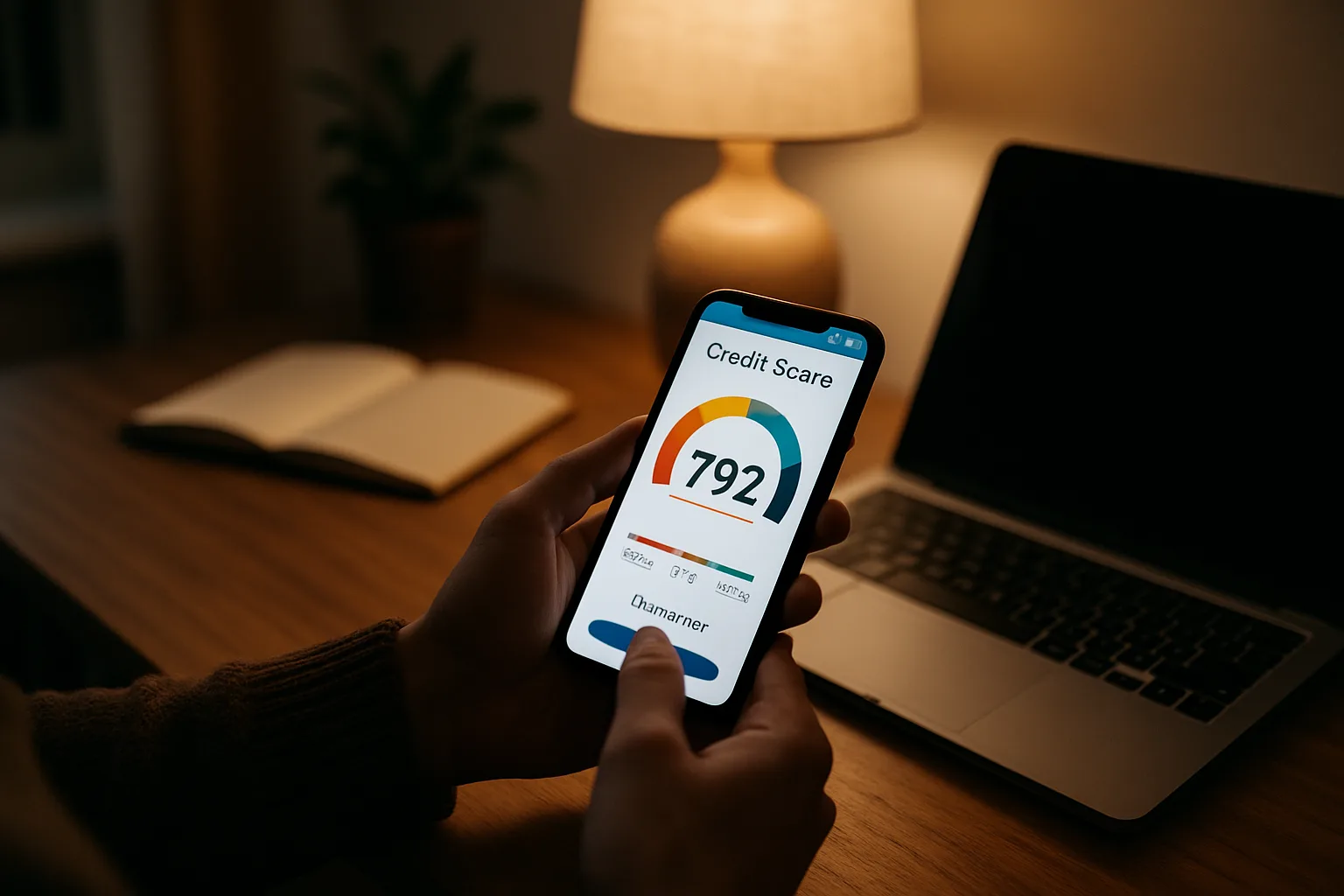
In this guide, we'll break down exactly what credit score you need for the lowest mortgage rate, how lenders use your score, and — most importantly — how to raise your credit score fast if you're not there yet. Whether you're a first-time buyer or refinancing, these steps can make a real difference in your monthly payment.
Remember, this article provides general information and is not financial advice. Always consult a mortgage professional for your specific situation.
What Credit Score Do You Need for the Lowest Mortgage Rate?
For conventional loans, the best rates typically go to borrowers with credit scores of 760 or higher. That's the threshold where lenders offer their most competitive interest rates. If your score is 780 or 800, you'll get the same rate as someone with 760 — so there's no need to obsess over perfection.
But here's the key: every 20-point drop below 760 can increase your rate by about 0.125% to 0.25%. That might not sound like much, but on a $300,000 loan, a 0.25% rate difference adds up to roughly $50 per month and over $18,000 in extra interest over 30 years.
For example, consider two borrowers applying for a $350,000 30-year fixed loan. Borrower A has a 780 score and gets a 6.5% rate, while Borrower B has a 720 score and gets a 6.75% rate. Borrower B pays about $60 more per month and over $21,600 more in total interest over the loan term.
This illustrates why even a small rate difference matters. The 760 threshold is not a legal requirement but a common industry standard. Some lenders may offer their best rates at 740 or 780, so shopping around is essential.
What About FHA, VA, and USDA Loans?
Government-backed loans have lower credit score minimums but also different rate structures. FHA loans can go as low as 580 (with 10% down) or 500 (with 10% down), but you'll pay higher rates and mortgage insurance. VA loans have no official minimum, but most lenders want 620+.
USDA loans typically require 640+. Even with these programs, a higher score still gets you a better rate.
For instance, an FHA borrower with a 620 score might pay a rate 0.5% higher than one with a 700 score. On a $250,000 loan, that difference could mean $80 more per month. So while government loans are more forgiving, improving your score still pays off.
How Do Lenders Use Your Credit Score to Set Rates?
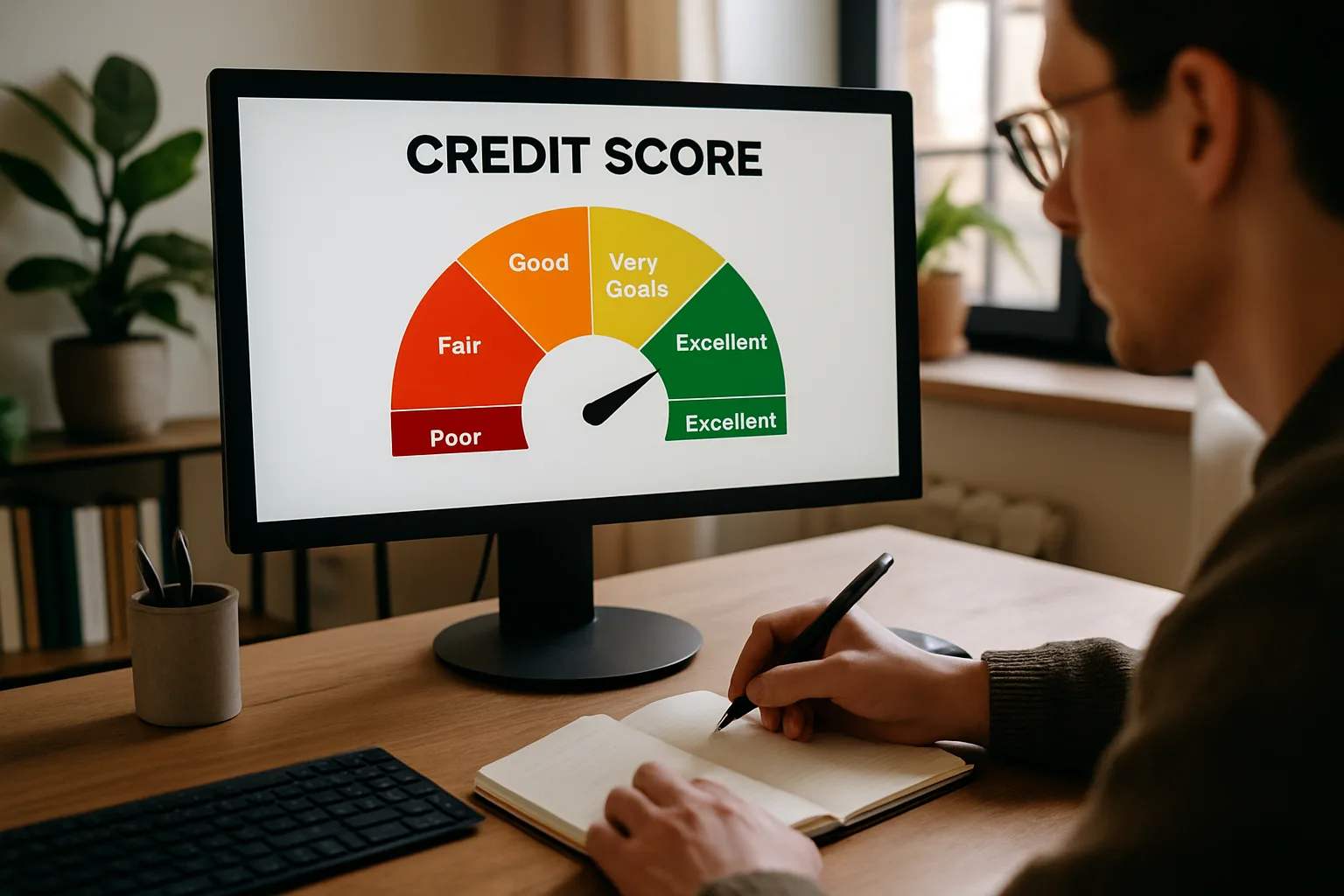
Mortgage lenders use a tiered pricing system. They pull your credit score (usually the middle of your three bureau scores) and then assign a rate based on that tier. The exact tiers vary by lender, but here's a typical example:
| Credit Score Range | Typical Rate Adjustment | Monthly Payment on $300k Loan (30-yr fixed, illustrative) |
|---|---|---|
| 760+ | Best rate (baseline) | $1,432 |
| 740–759 | +0.125% | $1,459 |
| 720–739 | +0.25% | $1,486 |
| 700–719 | +0.50% | $1,541 |
| 680–699 | +0.75% | $1,597 |
| 660–679 | +1.00% | $1,654 |
These are illustrative ranges — actual adjustments depend on the lender, loan type, and market conditions. But the pattern is clear: higher scores save you money.
Lenders also consider which credit bureau score to use. They typically take the middle score from Equifax, Experian, and TransUnion. If your scores are 740, 750, and 760, the lender uses 750.
This means you should monitor all three reports.
What Other Factors Affect Your Mortgage Rate?
Your credit score isn't the only thing lenders look at. They also consider:
- Down payment size: A larger down payment (20% or more) usually gets you a better rate because you're a lower risk.
- Debt-to-income ratio (DTI): Lenders prefer DTI under 43% (ideally under 36%). Lower DTI means more income available to pay the mortgage.
- Loan type and term: 15-year fixed rates are lower than 30-year.
Adjustable-rate mortgages (ARMs) start lower but can change.
- Property location and loan amount: Conforming loan limits vary by county, and jumbo loans (above the limit) often have higher rates.
Understanding what affects your credit score can help you improve it, but don't ignore these other factors. A strong overall profile gets you the best deal.
For example, a borrower with a 760 score but a 45% DTI may get a worse rate than one with a 740 score and a 30% DTI. Lenders assess risk holistically, so balance all aspects of your financial profile.
How Long Does It Take to Improve Your Credit Score?

One of the most common questions is how long does it take to improve credit score enough to qualify for a better rate. The answer depends on where you're starting and what's holding your score back. Here's a realistic timeline:
- 30 days: You can see a small bump (10–20 points) by paying down credit card balances and correcting errors on your credit report.
- 3–6 months: Consistent on-time payments and lower utilization can raise your score by 30–60 points.
- 6–12 months: If you have late payments or collections, it takes longer to rebuild. But you can still see steady progress.
If you're wondering how long does it take to raise credit score from 680 to 760, it might take 6–12 months of disciplined credit behavior. But even a 30-point improvement can save you money.
Consider a borrower who raises their score from 680 to 710 over six months. They move from a 1.00% rate adjustment to a 0.50% adjustment. On a $300,000 loan, that saves about $115 per month or $41,400 over 30 years.
How Can You Improve Your Credit Score Fast?
If you need a higher score in a hurry — say, to lock in a rate before rates rise — there are strategies that work. Here's how to improve credit score fast:
- Pay down credit card balances. Credit utilization (the amount you owe divided by your credit limit) is a huge factor. Aim to keep each card under 30% — and under 10% for the best scores. Paying down a $5,000 balance to $1,000 can boost your score quickly.
- Ask for a credit limit increase. If you have good payment history, request a higher limit. That lowers your utilization instantly, which can raise your score in 30 days.
- Become an authorized user. Ask a family member with good credit to add you to their card. Their positive history can help your score.
- Dispute errors on your credit report. Get free reports at AnnualCreditReport.com. If you find incorrect late payments or accounts, dispute them. Removing errors can give you a quick boost.
These steps answer the question how can I raise my credit score in 30 days — yes, you can see real improvement in a month, but the exact amount varies.
For instance, paying down a $3,000 balance on a $5,000 limit card from 60% utilization to 20% could raise your score by 20–30 points. Combining this with an error dispute might yield a 40-point gain.
How to Raise Your Credit Score in 30 Days: A Step-by-Step Plan
Let's get specific. If you need to raise your score quickly, here's a 30-day plan:
- Week 1: Pull your credit reports from all three bureaus. Look for errors — incorrect balances, accounts that aren't yours, late payments that were on time. Dispute any errors online.
- Week 2: Pay down credit card balances. Focus on cards with the highest utilization. Even paying $500 on a card with a $2,000 limit can help.
- Week 3: Request credit limit increases on cards you've had for at least 6 months. Most issuers do a soft pull, so it won't hurt your score.
- Week 4: If you have a trusted family member with good credit, ask to be added as an authorized user. Make sure they have low utilization and no late payments.
This plan won't fix a serious credit problem in 30 days, but it can give you a 20–40 point boost. That might be enough to move you into a better rate tier.
For example, moving from 740 to 760 saves you 0.125% on your rate. On a $300,000 loan, that's about $27 per month or $9,720 over 30 years. The effort of one month can yield significant savings.
How Long Does It Take for Credit Score to Increase After Paying Debt?
Many people wonder how long does it take for credit score to increase after they pay off a credit card. The good news: it can happen quickly. Once your credit card issuer reports the new balance to the bureaus (usually within 30 days), your score may go up.
If you paid a large balance down significantly, you could see a jump in 1–2 billing cycles.
However, if you close the account after paying it off, your score might drop because you lose that available credit. So keep accounts open, even if you don't use them.
For instance, paying off a $10,000 balance on a $12,000 limit card drops utilization from 83% to 0%. This could raise your score by 50–80 points within two months, depending on other factors.
How to Quickly Improve Credit Score for a Mortgage
If you're specifically preparing for a mortgage application, here's how to quickly improve credit score with a focus on what lenders care about:
- Don't open new credit cards. Each application causes a hard inquiry, which can lower your score temporarily. Lenders also get nervous if you take on new debt before a mortgage.
- Pay all bills on time. Payment history is 35% of your FICO score. Even one late payment can hurt.
- Keep old accounts open. Length of credit history matters. Closing old cards shortens your average account age.
- Pay down revolving debt. Credit utilization is 30% of your score. Lower is better.
These moves can boost your score in 3–6 months, which is a typical timeline for homebuyers.
For example, a borrower who pays down $8,000 in credit card debt and avoids new inquiries might see a 40-point gain in four months. That could move them from 720 to 760, unlocking the best rates.
Can You Get a Mortgage with a 620 Credit Score?
Yes, you can get a mortgage with a 620 credit score — but you won't get the lowest rate. FHA loans accept scores as low as 580, and some conventional loans go to 620. However, you'll pay a higher interest rate and possibly higher fees.
For example, a borrower with a 620 score might pay 1–2% more in interest than someone with a 760 score.
If you can wait, improving your score to 700+ before applying will save you significantly. Use the strategies above to how to build credit if you're starting from a lower point.
Consider a $200,000 loan: a 620 borrower at 7.5% pays $1,398 per month, while a 760 borrower at 6.5% pays $1,264. That's $134 less per month and $48,240 less over 30 years.
What's the Difference Between FICO and VantageScore for Mortgages?
Most mortgage lenders use FICO scores, specifically the FICO Score 2, 4, or 5 (depending on the bureau). VantageScore is less common for mortgages. So when you check your credit score online (like Credit Karma), you're usually seeing a VantageScore, which can differ from your mortgage FICO.
That's why it's smart to check your FICO scores through a service like myFICO or through your lender before applying.
For instance, your VantageScore might show 750, but your mortgage FICO could be 730. This discrepancy could cost you a better rate tier. Always verify your FICO scores early in the process.
How Do Late Payments Affect Your Mortgage Rate?
Late payments can seriously hurt your score and your rate. A single 30-day late payment can drop your score by 50–100 points, depending on your starting score. If you have late payments in the last 12 months, you may not qualify for the best rates — or even for a loan at all.
Lenders want to see a clean payment history for at least 12 months.
If you have late payments, focus on rebuilding on-time payments. Over time, the impact fades, but it can take 2–3 years for a serious delinquency to stop affecting your rate.
For example, a borrower with a 760 score who misses one payment might drop to 680. That moves them from the best rate tier to a 1.00% adjustment, costing thousands per year.
What If Your Score Is Below 760? Should You Wait?
It depends on your situation. If you can wait 3–6 months to improve your score, you'll likely save thousands. But if waiting means missing out on a home you love or facing rising rates, it might be worth buying now and refinancing later.
Run the numbers with a mortgage calculator to see the difference.
Also, consider that rates change daily. Sometimes a slightly higher rate today is better than a much higher rate next year. Talk to a mortgage broker about your options.
For instance, if rates are expected to rise 0.5% in six months, buying now with a 720 score at 6.75% might be better than waiting for a 760 score at 7.25%. Calculate your break-even point to decide.
How Does Your Credit Mix Impact Mortgage Rates?
Credit mix — the variety of credit types you have — accounts for 10% of your FICO score. Lenders like to see a mix of installment loans (like car loans) and revolving credit (like credit cards). A healthy mix can slightly boost your score, but it's not a major factor.
If you only have credit cards, consider adding a small installment loan, like a personal loan, to diversify. However, don't take on new debt solely for this purpose, as hard inquiries and new accounts can temporarily lower your score.
For example, a borrower with two credit cards and a car loan might have a slightly higher score than one with only two cards, all else equal. But the impact is usually small — 5–15 points.
What Role Does Credit Age Play in Mortgage Rates?
Credit age, or the average age of your accounts, makes up 15% of your FICO score. Older accounts are better because they show a longer history of responsible credit use. Lenders prefer borrowers with at least 3–5 years of credit history.
If you're young or new to credit, your score may be lower even if you have perfect payment history. In this case, focus on building age by keeping old accounts open and avoiding new ones before your mortgage application.
For instance, a 25-year-old with a 3-year credit history might have a 740 score, while a 40-year-old with a 15-year history might have a 760 score with similar habits. Time is a factor you can't rush, but you can avoid closing old accounts.
How Do Hard Inquiries Affect Your Mortgage Rate?
Hard inquiries occur when you apply for credit, including mortgages, credit cards, or auto loans. Each inquiry can lower your score by 2–5 points. Multiple inquiries in a short period can add up, but FICO treats mortgage, auto, and student loan inquiries as a single inquiry if done within 14–45 days.
To minimize the impact, shop for mortgage rates within a focused window. Rate shopping is expected, and lenders know you're comparing offers. Avoid applying for other credit during this time.
For example, if you apply for three mortgage lenders within two weeks, it counts as one inquiry. But if you apply for a credit card in between, that adds a separate inquiry, potentially lowering your score by 5 points.
How Does Your Employment History Affect Your Mortgage Rate?
Lenders also evaluate your employment stability when setting your mortgage rate. A steady job history of at least two years with the same employer signals reliability. Gaps in employment or frequent job changes can raise red flags.
If you're self-employed, lenders may require two years of tax returns to verify income. A stable income stream helps you qualify for better rates, even with a strong credit score.
For instance, a borrower with a 760 score and five years at the same job may get a lower rate than one with a 760 score and only six months of employment. Stability matters alongside your credit profile.
What Are the Best Strategies for First-Time Homebuyers with Low Scores?
First-time homebuyers with credit scores below 700 have several options to secure a mortgage. Consider FHA loans, which allow scores as low as 580 with a 3.5% down payment. You can also look into down payment assistance programs in your state.
Another strategy is to use a co-signer with a higher credit score. A co-signer can help you qualify for a better rate, but they share responsibility for the loan. Make sure you can afford the payments to avoid damaging their credit.
For example, a first-time buyer with a 650 score might use a parent with a 780 score as a co-signer. This could lower the rate from 7.0% to 6.5%, saving $100 per month on a $250,000 loan.
How Does Your Credit Score Impact Mortgage Insurance Costs?
Your credit score also affects the cost of private mortgage insurance (PMI) if you put down less than 20%. PMI premiums are higher for lower credit scores. For example, a borrower with a 760 score might pay 0.3% of the loan amount annually for PMI, while a borrower with a 680 score might pay 0.8%.
On a $300,000 loan, that difference is $1,500 per year in PMI costs. Improving your score can reduce both your interest rate and your insurance costs. This dual benefit makes credit improvement even more valuable.
For instance, raising your score from 680 to 760 could save you $50 per month on PMI plus $50 per month on interest. That's $100 per month total, or $36,000 over 30 years.
What Are the Common Mistakes That Lower Your Mortgage Rate Eligibility?
Avoid these common mistakes that can hurt your chances of getting the lowest rate. First, don't apply for new credit cards or loans in the months before your mortgage application. Each hard inquiry can lower your score.
Second, don't close old credit card accounts. Closing accounts reduces your available credit and shortens your credit history. Third, don't co-sign for someone else's loan, as that debt counts toward your DTI.
For example, a borrower who closes a 10-year-old credit card with a $10,000 limit might see their score drop by 10–20 points. That could push them below the 760 threshold and cost them a better rate.
How Can You Monitor Your Credit Score Before Applying for a Mortgage?
Start monitoring your credit score at least six months before you apply for a mortgage. Use free tools like Credit Karma or Credit Sesame for VantageScores, but also check your FICO scores through myFICO or your credit card issuer. Many card issuers now offer free FICO scores.
Set up alerts for any changes to your credit report. This helps you catch errors or fraudulent activity early. Regular monitoring also shows you how your actions impact your score over time.
For instance, if you pay down a credit card balance, you can see the score increase within 30 days. This feedback helps you adjust your strategy before you lock in a rate.
Key Takeaways
- A credit score of 760 or higher gets you the lowest mortgage rates. Scores below that can cost you thousands in extra interest.
- You can improve your score in 30 days by paying down balances, disputing errors, and becoming an authorized user.
- For a significant boost (50+ points), plan on 3–6 months of consistent on-time payments and low utilization.
- Other factors like down payment, DTI, employment history, and PMI also matter, but credit score is one of the most important levers you can pull.
- Check your FICO scores (not just VantageScore) before applying for a mortgage. Use AnnualCreditReport.com for free reports.
Frequently asked questions
What credit score do I need for the lowest mortgage rate?
How long does it take to improve credit score from 600 to 700?
Can I raise my credit score in 30 days?
Does checking my credit score hurt my mortgage rate?
What other factors besides credit score affect my mortgage rate?
This article is for general informational purposes only and does not constitute financial, legal or credit-repair advice. Always consult a qualified financial advisor or credit counselor about your specific circumstances.

Written & reviewed by
Can OTUEditor
Can OTU is the editor of this site, curating and reviewing every guide for accuracy and clarity.
View all guides →