Derogatory marks like late payments, collections, and charge-offs can damage your credit score. Learn what they are, how to remove them, and how to dispute errors with our step-by-step guide.
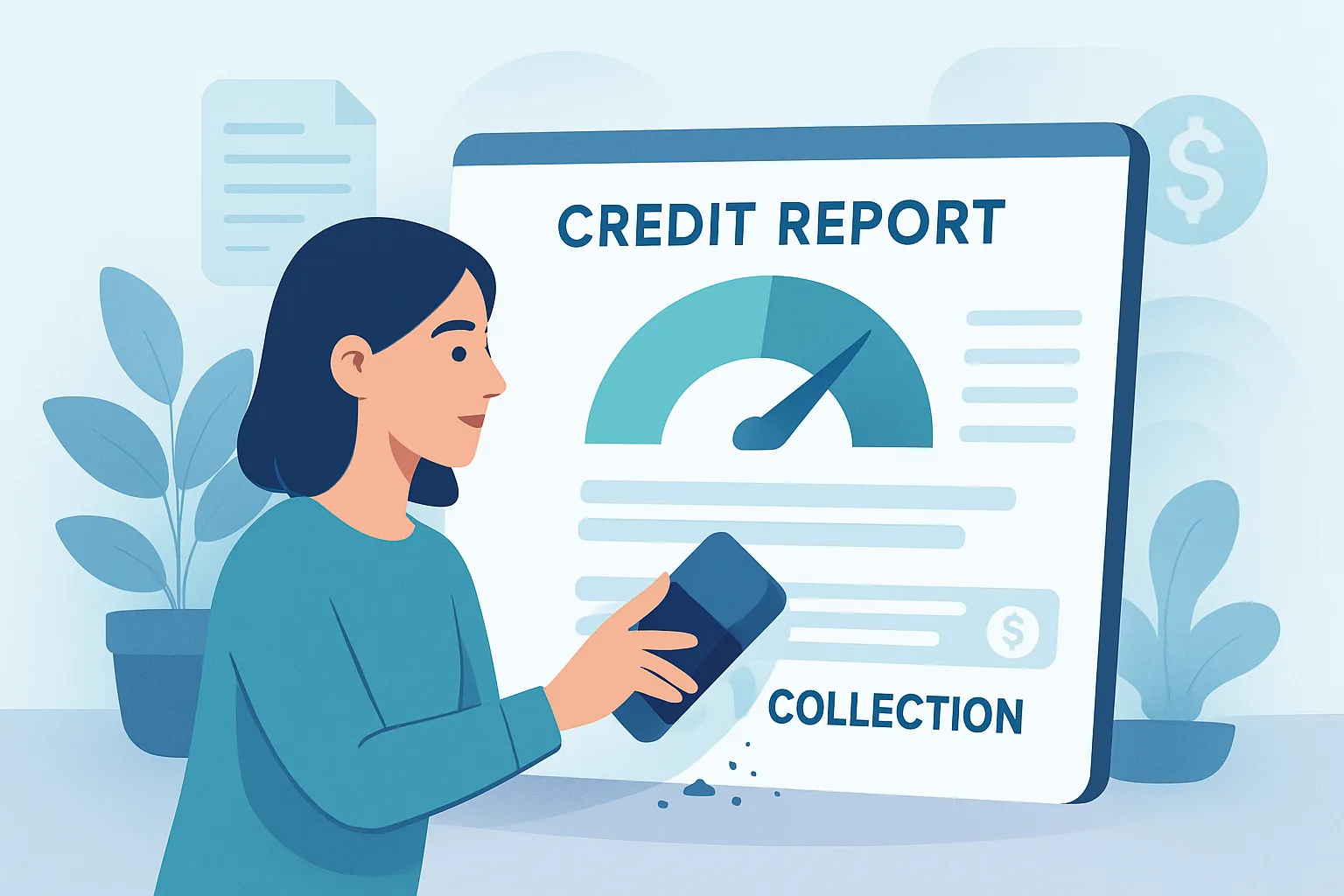
A collection account appears on your credit report when an unpaid debt is turned over to a collection agency. It can significantly lower your credit score and remain for up to seven years, but there are ways to minimize the damage and potentially remove it.
If your identity is stolen, fraudulent accounts and collections can appear on your credit report. Here's how to fix the damage step by step, from filing a police report to removing errors.
Public records on your credit report include bankruptcies, judgments, and tax liens. Learn what they are, how they affect your credit, and step-by-step methods to remove them.
Learn how to fix credit report errors before buying a house. Step-by-step guide to dispute mistakes, remove collections, and boost your score for mortgage approval.
Found an error on your credit report? Learn exactly how to dispute inaccuracies, remove collections, and protect your credit score with this step-by-step guide.
Learn how to remove paid collections from your credit report using dispute letters, pay-for-delete agreements, and goodwill letters. Understand your rights under the FCRA and how to improve your credit score.
Credit washing promises to erase legitimate negative marks through fake disputes, but it can backfire — leading to denied disputes, flagged accounts, or even fraud allegations.
Learn what actually works to remove a charge-off from your credit report, including dispute letters, pay-for-delete, goodwill letters, and waiting for the 7-year limit. Understand your rights and options.
·20 min read
We value your privacy.
We use cookies to improve your experience, serve relevant ads and analyse traffic. See our
Cookie Policy.