Found an Error on Your Credit Report? Here's Exactly What to Do
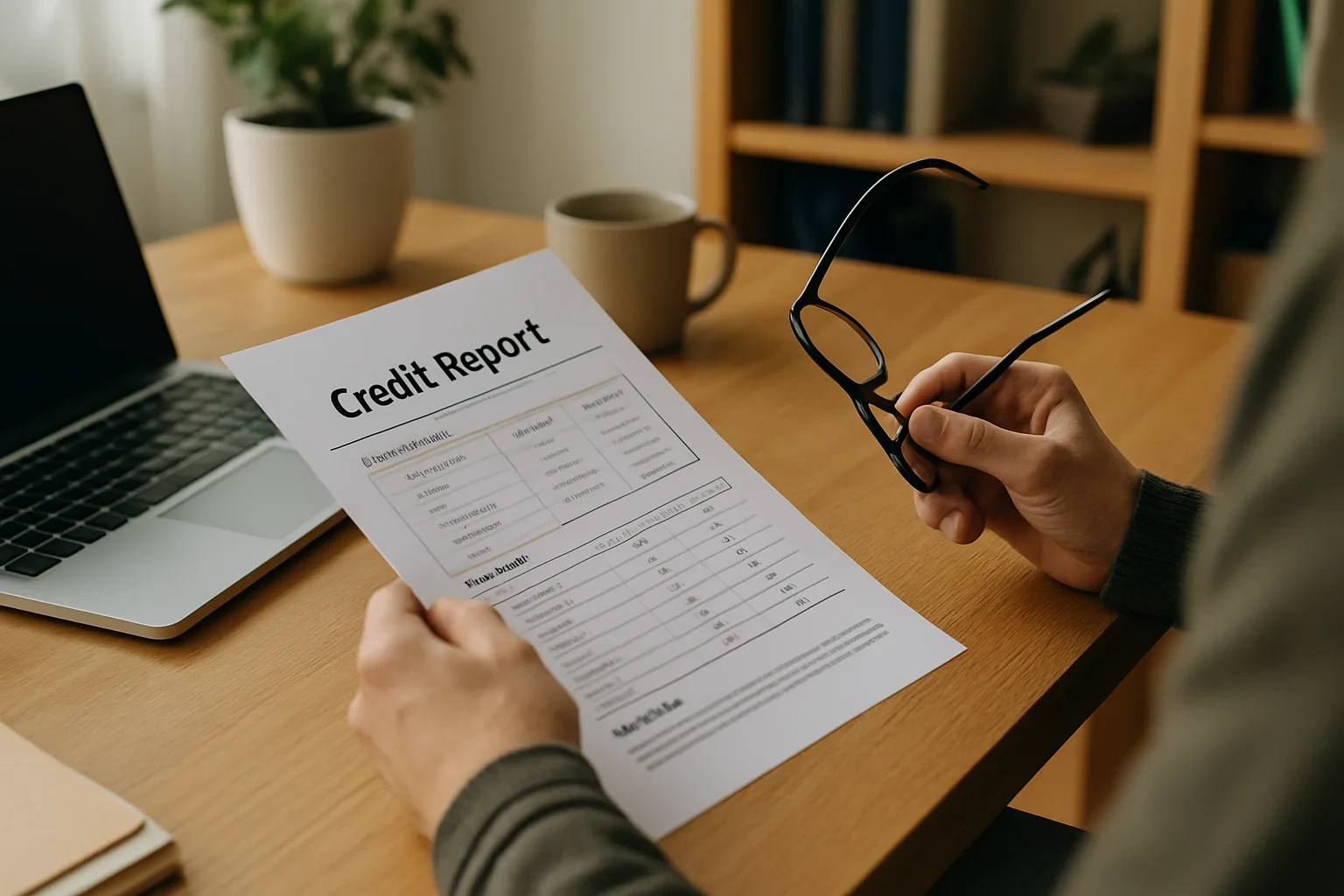
But here's the good news: you have the right to dispute any inaccurate information on your credit report. The Fair Credit Reporting Act (FCRA) gives you that power. And when you follow the right steps, you can often get errors removed — including collections that don't belong to you.
This guide walks you through exactly what to do when you spot an error on your credit report, step by step. We'll cover how to dispute mistakes, how to remove collections from credit report, and what to do if the dispute doesn't go your way. Remember, this is general information, not professional financial advice.
For your specific situation, consider consulting a credit repair attorney or a nonprofit credit counselor.
What Counts as an Error on Your Credit Report?
Errors come in many forms. Some are obvious, like a collection account for a debt you never owed. Others are subtle, like a wrong balance or a duplicate entry.
Common credit report errors include:
- Accounts that don't belong to you (identity theft or mixed files)
- Incorrect payment status (e.g., reported late when you paid on time)
- Wrong dates (account opened, closed, or last activity)
- Duplicate accounts (same debt listed twice)
- Outdated negative items (should have been removed after 7 years)
- Incorrect balance or credit limit
Any of these can lower your credit score unfairly. That's why it's so important to review your reports regularly.
Why Even Small Errors Matter
A single late payment error can drop your score by 50 points or more. For example, if you have a 700 score and a mistaken 30-day late payment appears, you might suddenly look like a risk to lenders. That could mean higher interest rates or outright denial on a mortgage or car loan.
Even a wrong address or misspelled name can cause problems. It might mix your file with someone else's negative history, dragging your score down. Catching these small errors early prevents big headaches later.
How Errors Creep Into Your Report
Errors often come from data entry mistakes by creditors or collection agencies. A clerk might type the wrong account number or date, linking a debt to you that isn't yours. Mixed files happen when your information gets confused with someone who has a similar name or Social Security number.
Identity theft is another major source. Thieves open accounts in your name, and those accounts appear on your report as if they belong to you. The FCRA gives you the right to dispute any of these errors at no cost.
Step 1: Get Your Free Credit Reports
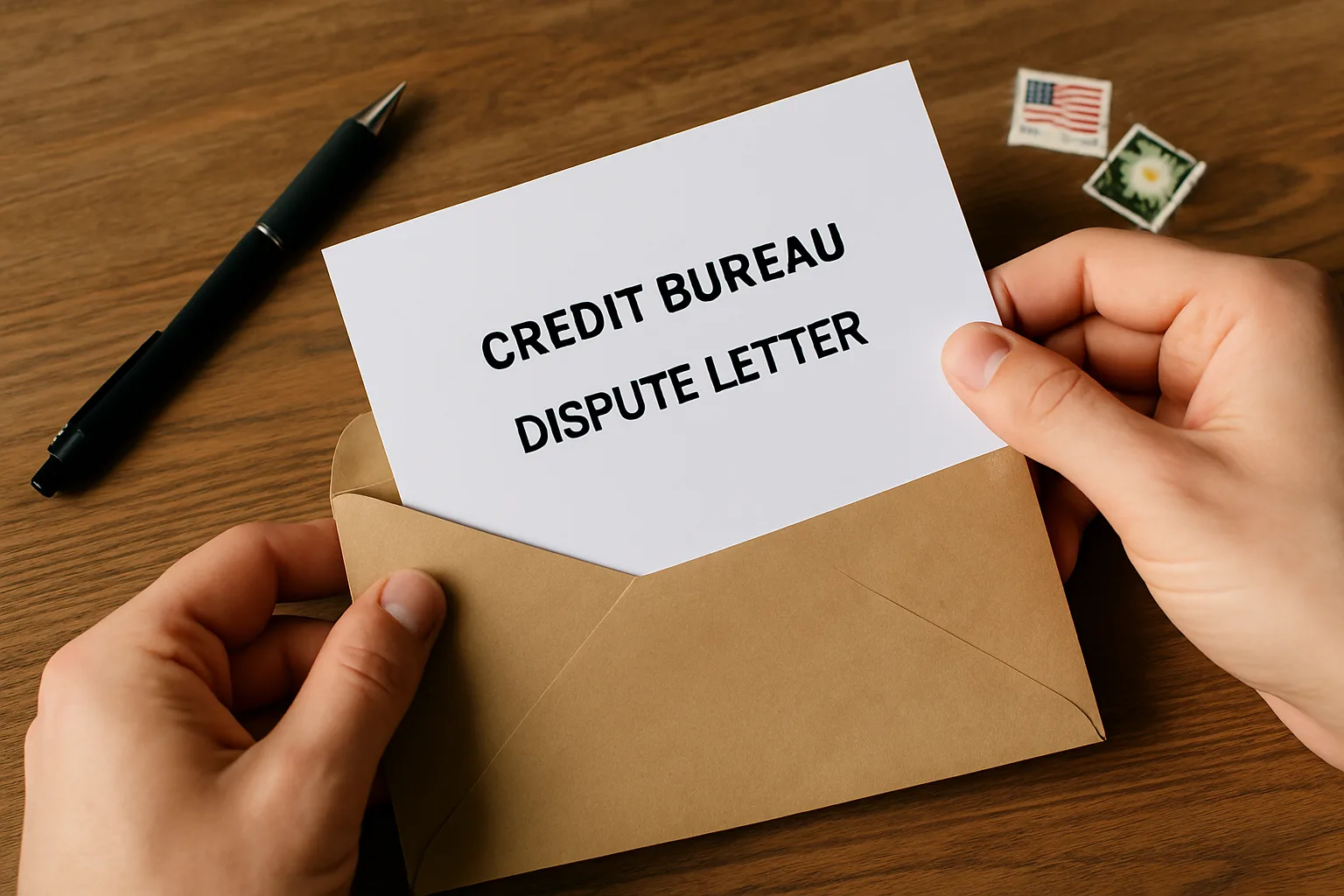
You're entitled to one free credit report every 12 months from each of the three major credit bureaus: Equifax, Experian, and TransUnion. The only official site is AnnualCreditReport.com. During the pandemic, they made weekly free reports available, but now it's back to annual — though you can still get them more often if you've been denied credit or have other qualifying events.
Order all three reports at once or stagger them throughout the year (e.g., one every four months) to keep an eye on your credit year-round. When you get each report, go through it line by line. Mark anything that looks wrong.
How to Get Reports Beyond the Annual Freebie
If you've been denied credit, insurance, or employment in the last 60 days, you can request an additional free report from the bureau used. You're also entitled to a free report if you're unemployed and looking for work, or if you're on public assistance. Use these opportunities to check for errors without waiting.
Some states, like Colorado and Maryland, offer additional free reports under state law. Check your state's consumer protection office for details. The more often you check, the faster you can catch and fix mistakes.
Step 2: Identify the Error and Gather Evidence
Before you dispute, you need to be clear about what's wrong and why. For example, if a collection account appears and you never had that debt, you'll need proof — like a letter from the original creditor or a police report if it's identity theft.
Common documents to gather:
- Bank statements showing payments
- Canceled checks or receipts
- Letters from creditors or collection agencies
- Identity theft affidavit (if applicable)
Make copies of everything. Never send originals.
How to Spot a Collection Error
Look at the date of first delinquency listed on the collection account. If it's older than 7 years, the account should not appear on your report. Also check the amount — a wrong balance could mean the collector added illegal fees or interest.
If the account shows a different creditor than the one you remember, that's a red flag. For instance, you might see "ABC Collections" for a medical bill you already paid to the hospital. Gather your payment receipt and the hospital's statement to prove the debt was satisfied.
Step 3: Dispute the Error with the Credit Bureau
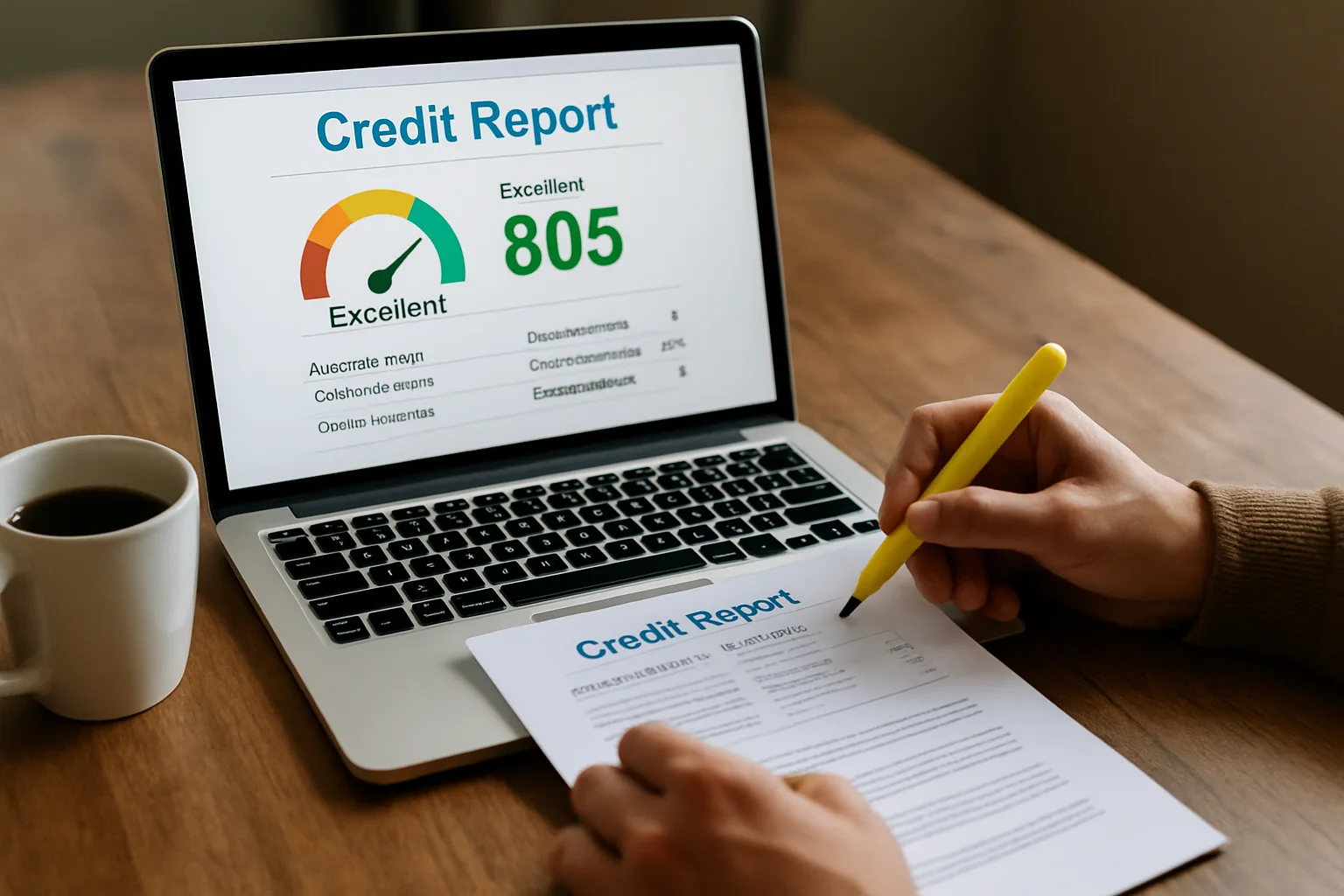
You can dispute online, by phone, or by mail. Online is fastest, but mail gives you a paper trail. For serious errors, many experts recommend certified mail with return receipt.
When you dispute, include:
- Your full name, address, and a copy of your driver's license or other ID
- The report confirmation number (if you have it)
- Clearly identify each item you're disputing and explain why it's wrong
- Attach copies of your evidence
- Request that the item be removed or corrected
The bureau must investigate within 30 days (45 days if you send additional info after the initial dispute). They'll contact the data furnisher — the company that reported the error — and ask them to verify the information. If the furnisher can't verify it within the time limit, the bureau must remove it.
For a detailed walkthrough, see our guide on how to dispute errors on your credit report.
What to Do If the Bureau Ignores Your Dispute
Sometimes the bureau may not respond within 30 days. If that happens, you can file a complaint with the Consumer Financial Protection Bureau (CFPB). The CFPB will investigate and may force the bureau to act.
Keep all your correspondence and proof of mailing.
You can also escalate to your state attorney general's office. Many states have consumer protection laws that require timely responses. Don't let the bureau's silence stop you — persistence often pays off.
Step 4: Dispute Directly with the Data Furnisher
You can also send a dispute letter directly to the company that reported the error — like a collection agency or credit card issuer. The FCRA requires them to investigate if you dispute in writing. Many furnishers have their own dispute process.
Include the same information you sent to the bureau. Send it to the address listed on your credit report for that account. Keep a copy for your records.
If the furnisher finds the information is inaccurate, they must notify all three credit bureaus to correct it.
Why Disputing the Furnisher Matters
The bureau relies on the furnisher to verify information. If you only dispute with the bureau, the furnisher might rubber-stamp the data without checking. By disputing directly, you force the furnisher to review your evidence and respond under penalty of law.
For example, if a collection agency reports a debt you already paid, send them your canceled check or bank statement. They must investigate and correct the record. If they don't, you can sue them for violating the FCRA.
Step 5: Wait for the Investigation Results
The credit bureau will send you the results in writing. If they find the error is valid, they'll update your report. If they determine the information is correct, they'll explain why and provide contact information for the furnisher.
If your dispute is successful, the error will be removed or corrected. You'll get a free updated credit report if you request one within 60 days.
What to Do If the Results Are Unclear
Sometimes the bureau's response is vague, like "verified as accurate" without details. You have the right to ask for the method of verification. Write to the bureau and request the name, address, and phone number of the person who verified the information, along with the documents they used.
If the bureau can't provide this, you can dispute again with stronger evidence. Keep pushing until you get a clear answer. The FCRA is on your side.
What If the Dispute Doesn't Work?
Sometimes the bureau or furnisher says the information is accurate even when you know it's wrong. You have options:
- File a complaint with the Consumer Financial Protection Bureau (CFPB) at consumerfinance.gov/complaint
- Contact your state attorney general's office
- Hire a consumer law attorney (many offer free consultations)
You can also add a statement of dispute to your credit report — a short explanation (100 words or less) that future lenders will see when they pull your report. It doesn't remove the item, but it lets you tell your side of the story.
When to Consider Legal Action
If the error is causing real harm — like a denied mortgage or higher insurance rates — a lawsuit might be worth it. Under the FCRA, you can sue for actual damages, plus attorney's fees and court costs. Many consumer attorneys offer free initial consultations to evaluate your case.
For example, if a collection error costs you a lower interest rate on a car loan, you could recover the difference. Talk to a lawyer who specializes in credit reporting issues to see if you have a claim.
How to Remove Collections from Your Credit Report
If a collection account is legitimate — meaning you really owe the debt — it's harder to remove. But there are still ways to remove collections from credit report entries. Here are the most common strategies:
Pay-for-Delete
Some collection agencies agree to remove the collection from your credit report in exchange for payment. This is called "pay-for-delete." It's not guaranteed — credit bureaus discourage it — but some agencies still do it. Get the agreement in writing before you pay.
Dispute as Inaccurate
Even if you owe the debt, the collection account might have errors — wrong balance, wrong date, missing information. If you can find an inaccuracy, dispute it. If the agency can't verify the account, it must be removed.
Request Goodwill Deletion
If you've already paid the collection, you can write to the collection agency and ask them to remove it as a gesture of goodwill. This works best if you had a good payment history before the collection and the debt was small. It's a long shot, but worth trying.
For a full breakdown, read our guide on how to remove collections from credit report.
How to Negotiate a Pay-for-Delete Letter
Write a letter to the collection agency offering to pay the full amount or a settlement in exchange for deletion. Be specific: "I will pay $500 if you agree to delete this account from all three credit bureaus within 30 days." Get their written agreement before you send any money.
If they refuse, consider offering a slightly higher amount. Some agencies are more flexible if you're persistent. Remember, they bought your debt for pennies on the dollar, so even a partial payment is profit for them.
How to Remove Paid Collections from Credit Report
Paying off a collection doesn't automatically remove it from your credit report. The account will show as "paid collection" or "settled," which is better than an unpaid collection but still negative. To get it removed entirely, you'll need to negotiate.
Steps to remove paid collections:
- Contact the collection agency and ask for a pay-for-delete agreement before you pay. If you've already paid, ask for goodwill deletion.
- If they refuse, dispute the account with the credit bureaus. Sometimes paid collections have errors — like the wrong date of first delinquency — that can get them removed.
- If all else fails, wait it out. Most negative items fall off after 7 years from the original delinquency date.
Why Paid Collections Still Hurt Your Score
Credit scoring models like FICO and VantageScore treat any collection as negative, even if paid. A paid collection can still lower your score by 50-100 points, depending on your overall credit profile. That's why removing it entirely is better than just paying.
For example, if you have a 680 score and a paid collection remains, you might struggle to get approved for a premium credit card. Removing it could boost your score into the 700s, opening up better offers.
How to Delete Collections from Your Credit Report (Legally)
You might see ads promising to "delete" collections instantly. Be wary — there's no secret trick. The only legal ways to delete a collection from your credit report are:
- Prove the account is inaccurate (identity theft, wrong amount, etc.)
- Negotiate a pay-for-delete with the collection agency
- Get a goodwill deletion from the creditor
- The account is too old (beyond the 7-year reporting period)
Some companies offer "credit repair" services that dispute everything on your report, hoping some will be removed. This can work, but it's not guaranteed, and you can do it yourself for free. Be careful of scams that charge upfront fees — that's illegal under the Credit Repair Organizations Act.
How to Spot a Credit Repair Scam
Legitimate credit repair companies never ask for payment before they perform services. They also don't promise to remove accurate negative items. If a company guarantees they can delete a valid collection, run the other way.
Check the company's reputation with the Better Business Bureau and read online reviews. You can also file a complaint with the FTC if you suspect a scam. Remember, you have the right to dispute errors yourself for free.
How to Clear Collections from Credit Report Without Paying
If you can't or don't want to pay a collection, you still have options to clear it from your report:
- Dispute the debt if it's inaccurate or unverifiable. Under the FCRA, the collection agency must prove the debt is yours and the amount is correct. If they can't, the bureau must remove it.
- Check the statute of limitations. If the debt is too old to be collected in court, you can ask the agency to stop reporting it. They're not required to, but some will.
- Send a debt validation letter. Within 30 days of first contact from a collector, you can request validation. If they don't provide it, they must stop collection and can't report the debt.
Remember, even if the debt is old, it can still appear on your credit report for 7 years from the original delinquency. But if the collection agency can't validate it, you can get it removed.
How to Use the Statute of Limitations
The statute of limitations for debt collection varies by state, typically 3-6 years for most debts. If the debt is beyond that limit, the collector can't sue you. While they can still report it to credit bureaus, you can use the age to negotiate removal.
Write to the collection agency and say: "This debt is beyond the statute of limitations in my state. Please remove it from my credit report as a courtesy." Some will comply to avoid legal hassle. If they don't, you can still dispute with the bureaus based on age.
How to Remove Debt Collection from Credit Report After Payment
Paying a collection doesn't erase it from your report. But you can take steps to minimize the damage:
- Negotiate a pay-for-delete before paying. If you've already paid, ask for a goodwill deletion.
- If the collection agency refuses, dispute the account with the credit bureaus. Sometimes paid collections have errors that lead to removal.
- Consider adding a consumer statement to your report explaining that the debt was paid.
Also, keep in mind that paying a collection can sometimes lower your credit score if it updates the account's activity date — making it look more recent. But overall, a paid collection is better than an unpaid one.
When Paying a Collection Hurts Your Score
If a collection account is old, paying it can refresh the "last activity" date, making it appear newer to scoring models. This can temporarily drop your score by 20-30 points. To avoid this, negotiate a pay-for-delete before paying, so the account is removed entirely.
For example, if you have a 5-year-old collection, paying it might reset the clock and keep it on your report longer. Instead, try to get it removed through dispute or negotiation first.
How to Read Your Credit Report
Understanding your credit report is key to spotting errors. Each report has four main sections:
- Personal Information: Your name, address, Social Security number, and employment history. Check for misspellings or wrong addresses.
- Credit Accounts: All your open and closed accounts, including credit cards, loans, and mortgages. Look for balances, payment history, and account status.
- Public Records: Bankruptcies, tax liens, and civil judgments. These are rare now but can appear.
- Inquiries: A list of everyone who has pulled your credit report. Hard inquiries (from loan applications) can affect your score; soft inquiries (like pre-approved offers) do not.
For a deeper dive, check out our guide on how to read your credit report.
How to Spot Errors in the Personal Information Section
Look for wrong addresses, misspelled names, or incorrect Social Security numbers. These can mix your file with someone else's. For instance, if your report shows an address in a state you've never lived in, it could mean another person's accounts are bleeding into your file.
If you find a wrong address, dispute it with the bureau. They'll investigate and remove the incorrect data. This simple fix can prevent future errors from linking to your profile.
How Long Do Errors Stay on Your Credit Report?
If you don't dispute them, errors can stay on your report for years. Most negative items — like late payments and collections — can legally stay for 7 years from the original delinquency date. Bankruptcies stay for 10 years.
But if the information is inaccurate, you have the right to have it removed at any time.
Once you dispute and the bureau confirms the error, they must correct or delete it within a reasonable time — usually 30 days.
What About Errors That Are Older Than 7 Years?
If a negative item is older than 7 years, it should automatically fall off your report. But sometimes bureaus keep it on by mistake. If you see an old collection or late payment that's past the 7-year mark, dispute it immediately.
The bureau must remove it under the FCRA.
For example, a medical debt from 2016 should not appear on your 2024 report. If it does, send a dispute with a copy of the report showing the date. The bureau will delete it if they can't verify the age.
What About Identity Theft?
If the error on your credit report is due to identity theft, you have additional rights. You can place a fraud alert on your credit file (free, lasts 1 year) or a credit freeze (also free) to prevent new accounts from being opened in your name.
To remove fraudulent accounts, file a report with the Federal Trade Commission at IdentityTheft.gov and get an Identity Theft Report. Send that to the credit bureaus and the companies that reported the fraudulent accounts. They must block the information from appearing on your report.
How to Create an Identity Theft Report
Go to IdentityTheft.gov and fill out the online form. You'll get a personalized recovery plan and an official Identity Theft Report. This document is your key to forcing bureaus and creditors to remove fraudulent accounts.
Keep copies of the report and all correspondence. You may need to send it multiple times if the error reappears. The law requires them to block the information permanently once you provide the report.
Common Mistakes to Avoid When Disputing
- Don't dispute online without keeping records. Print or save screenshots of your dispute.
- Don't send the same dispute to all three bureaus at once if the error only appears on one. They'll each investigate independently.
- Don't give up after one dispute. If the bureau says the information is verified, you can ask for the method of verification. Sometimes they can't provide it, and you can escalate.
- Don't pay for credit repair services that promise to remove accurate negative items. That's a scam.
Why You Should Avoid Online Disputes for Complex Errors
Online dispute forms often limit your explanation to a few words. For complex errors, like a mixed file or identity theft, you need to provide detailed evidence. Mail your dispute with certified mail so you have proof of delivery and a paper trail.
For example, if you're disputing a collection that belongs to someone with a similar name, include a copy of your ID and a letter explaining the confusion. Online forms might not let you attach enough documents.
When to Get Professional Help
If you've tried disputing and the error remains, or if you're dealing with identity theft, consider hiring a credit repair company or a consumer law attorney. Nonprofit credit counselors can also help you understand your options. Just be sure to check their reputation with the Better Business Bureau.
Remember, you have the right to dispute any error on your credit report for free. You don't need to pay anyone to do it for you.
How to Choose a Credit Repair Company
Look for companies that charge monthly fees, not upfront fees. They should provide a clear contract and a 3-day cancellation period. Avoid companies that promise to remove accurate negative items — that's illegal.
Check reviews on the Better Business Bureau and Trustpilot. A reputable company will explain your rights and help you dispute errors, not make wild promises. If you're unsure, start with a free consultation from a nonprofit credit counselor.
Key takeaways
- Check your credit reports from all three bureaus at least once a year at AnnualCreditReport.com.
- Dispute errors in writing with both the credit bureau and the data furnisher, providing evidence.
- If a collection is inaccurate, you can get it removed by disputing or negotiating a pay-for-delete.
- Paying a collection doesn't automatically remove it — you need to negotiate removal separately.
- You can file a complaint with the CFPB if the dispute doesn't work.
- This is general information, not professional advice. Consult a qualified professional for your specific situation.
Frequently asked questions
How long does a credit report dispute take?
Can I remove a collection from my credit report without paying?
Will paying off a collection remove it from my credit report?
What if the credit bureau says the error is verified and won't remove it?
How do I dispute an error on my credit report online?
This article is for general informational purposes only and does not constitute financial, legal or credit-repair advice. Always consult a qualified financial advisor or credit counselor about your specific circumstances.

Written & reviewed by
Can OTUEditor
Can OTU is the editor of this site, curating and reviewing every guide for accuracy and clarity.
View all guides →