Identity Theft and Your Credit Report: How to Fix the Damage

- File an identity theft report with the FTC at IdentityTheft.gov.
- Dispute fraudulent accounts with each credit bureau (Equifax, Experian, TransUnion).
- Place a fraud alert or credit freeze to block new accounts.
Discovering that someone has stolen your identity is frightening. You may find unfamiliar credit cards, loans, or even collections on your credit report. The good news is that you have legal rights to remove those fraudulent items.
This guide walks you through exactly how to clean up your credit report after identity theft, including how to remove collections from credit report accounts that aren't yours.
Remember, this information is general and not a substitute for professional legal or financial advice. If your situation is complex, consider consulting an attorney who specializes in identity theft or consumer law.
What Is Identity Theft and How Does It Affect Your Credit Report?
Identity theft happens when someone uses your personal information — like your Social Security number, name, or date of birth — to open accounts or commit fraud in your name. These fraudulent accounts often end up on your credit report as unpaid debts, which can then be sent to collections.
When a debt collector reports a fraudulent account, it appears as a collection on your credit report. This can drop your credit score by 100 points or more. You might see accounts you never opened, late payments on accounts you don't recognize, or collection accounts for debts you never owed.
The Fair Credit Reporting Act (FCRA) gives you the right to dispute any inaccurate information on your credit report, including fraudulent accounts. The credit bureaus and data furnishers (like lenders and collection agencies) must investigate your dispute and remove any information that cannot be verified.
How Identity Theft Happens in Real Life
Imagine you receive a bill for a credit card you never applied for. The card has a $5,000 balance and is already past due. This is a classic sign that someone used your Social Security number to open the account.
Another common scenario involves medical identity theft. A thief uses your name and insurance information to receive treatment, leaving you with unpaid medical bills and collection accounts. These fraudulent medical collections can be especially confusing because they involve services you never received.
Thieves also target utility accounts. They might open an electricity or water account in your name at a different address. When they don't pay the bills, the utility company sends the debt to collections, and it appears on your credit report.
Step-by-Step: How to Fix Identity Theft Damage on Your Credit Report

Step 1: Review Your Credit Reports for Fraudulent Activity
Start by getting free copies of your credit reports from all three major bureaus — Equifax, Experian, and TransUnion. You can get one free report per week from each bureau at AnnualCreditReport.com until the end of 2024.
Read each report carefully. Look for accounts you didn't open, inquiries you didn't authorize, and collection accounts for debts you don't recognize. Make a list of every fraudulent item.
If you're unsure what to look for, our guide on how to read your credit report can help.
Pay special attention to the personal information section. Verify your name, address, and Social Security number are correct. A wrong address could mean the thief used your information to change your mailing address, intercepting bills and statements.
Step 2: File an Identity Theft Report with the FTC
Go to IdentityTheft.gov and fill out the online form. You'll create an identity theft report that includes a detailed description of the fraud. The FTC will provide you with a recovery plan and an Identity Theft Report.
This report is crucial because it legally blocks fraudulent information from appearing on your credit report. You'll need it when disputing with credit bureaus and collection agencies.
The FTC report serves as official documentation of your identity theft claim. It includes a unique case number that you can reference in all your communications. Keep this number handy for every dispute and follow-up you make.
Step 3: File a Police Report
Take your FTC identity theft report to your local police department and file a report. Bring a printed copy of the FTC report and your ID. The police may be reluctant, but they are required to take a report under federal law.
A police report provides additional documentation that the accounts are fraudulent. Many creditors and collection agencies will require it before removing accounts.
If the police refuse to take your report, ask to speak with a supervisor. Explain that federal law requires them to accept identity theft reports. You can also file a report with your state's attorney general or the FBI's Internet Crime Complaint Center (IC3) if the theft involved online activity.
Step 4: Contact the Credit Bureaus and Place a Fraud Alert
Call or go online to one of the three credit bureaus — you only need to contact one, and they will notify the other two. Request a fraud alert. This lasts one year and can be renewed.
It tells lenders to verify your identity before opening new accounts in your name.
For stronger protection, consider a credit freeze. A freeze blocks anyone from accessing your credit report, making it nearly impossible for identity thieves to open new accounts. You can freeze and unfreeze your credit for free at each bureau.
An extended fraud alert is also available for identity theft victims. It lasts seven years and requires lenders to contact you directly before opening new accounts. This provides an extra layer of security beyond the standard one-year alert.
Step 5: Dispute Fraudulent Accounts with the Credit Bureaus
For each fraudulent account, file a dispute with each credit bureau that lists it. You can do this online, by phone, or by mail. Include a copy of your FTC Identity Theft Report, your police report, and a letter explaining which accounts are fraudulent.
The bureaus must investigate within 30 days (45 days if you provide additional information). If they cannot verify the account with the original creditor, they must remove it from your report. This is a key part of how to remove debt collection from credit report items that stem from identity theft.
For a detailed walkthrough of the dispute process, see our article on how to dispute errors on your credit report.
When filing disputes online, save screenshots of your submission confirmation. For mail disputes, use certified mail with return receipt requested. This creates a paper trail that proves you filed your dispute within the required timeframe.
Step 6: Contact the Creditors and Collection Agencies Directly
Write to each creditor or collection agency that reported a fraudulent account. Send a letter stating that the account is the result of identity theft. Include copies of your FTC report and police report.
Demand that they close the account and stop reporting it to credit bureaus.
Under the Fair Credit Billing Act (FCRA), creditors must stop reporting fraudulent accounts once they receive proper documentation. If a collection agency refuses to remove the account, you can file a complaint with the Consumer Financial Protection Bureau (CFPB).
Keep a log of every phone call you make. Write down the date, time, representative's name, and what was discussed. This record can be invaluable if you need to escalate your case later.
Step 7: Monitor Your Credit and Follow Up
After you've filed disputes and contacted creditors, check your credit reports again in 30–45 days. Make sure the fraudulent accounts have been removed. If any remain, file a second dispute and include proof that you already disputed the item.
Consider signing up for credit monitoring services, which alert you to new accounts or inquiries. Many services are free after identity theft, and some credit cards offer free monitoring.
Set a calendar reminder to check your credit reports every three months for the next year. Identity thieves sometimes wait before using stolen information again. Regular monitoring helps you catch new fraud early.
How to Remove Collections from Credit Report After Identity Theft
Collection accounts are especially damaging to your credit score. If a fraudulent debt has been sent to collections, you need to act quickly. The process is similar to disputing any fraudulent account, but with a few extra steps.
First, follow Steps 1–3 above to get your FTC report and police report. Then, send a dispute letter to the collection agency. Include a copy of your identity theft report and state that you are not responsible for the debt because it was fraudulently incurred.
Under the FCRA, the collection agency must verify the debt with the original creditor. If they cannot, they must delete the collection from your credit report. If they verify it but you still believe it's fraudulent, you can request that the creditor provide proof that you actually opened the account (like a signed application).
Most fraudsters won't have that.
This is exactly how to get rid of collections on credit report items that result from identity theft. The key is to provide clear documentation that you are a victim of identity theft.
What to Do If the Collection Agency Verifies the Debt
Sometimes a collection agency claims they have verified the debt with the original creditor. This does not mean the debt is valid. It simply means the creditor confirmed that the account exists in your name.
You can request a copy of the verification documents. Under the FCRA, you have the right to see what information the creditor provided. If the documents show a signature that is not yours, you have clear evidence of forgery.
If the collection agency refuses to provide verification documents, file a complaint with the CFPB. The CFPB can compel the agency to produce the documents or face penalties.
How to Remove Paid Collections from Credit Report (Even If Paid by the Thief)
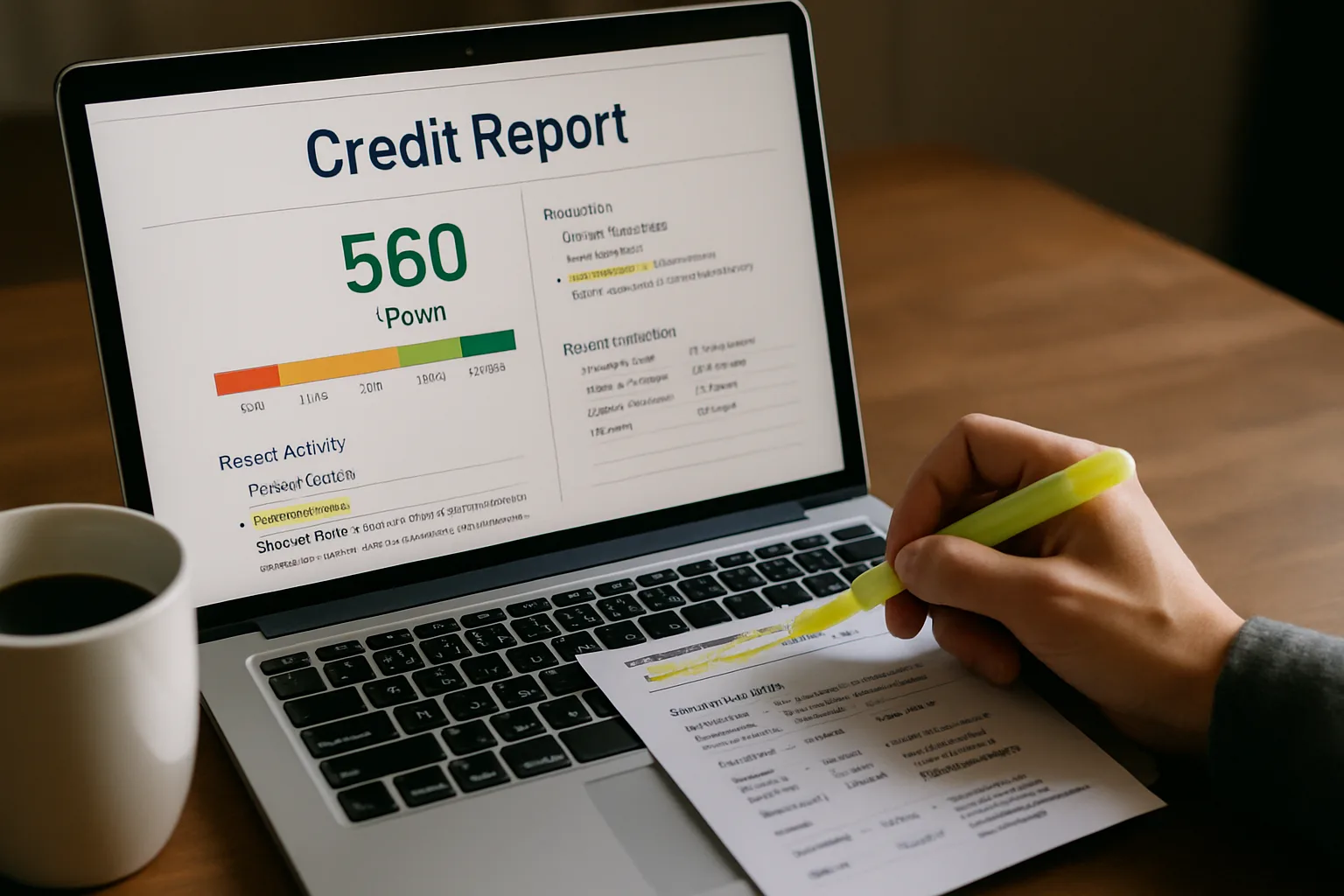
Sometimes identity thieves make payments on accounts they opened in your name to keep the account active. Or you might discover a collection that was already paid off. Even if the balance is zero, the collection account can still appear on your credit report and hurt your score.
You can still dispute paid collections if they are fraudulent. The process is the same as for unpaid collections. Send a dispute to the credit bureaus and the collection agency, explaining that the account was opened without your authorization.
Include your identity theft documentation.
If the collection agency refuses to remove it, you can escalate by filing a complaint with the CFPB or contacting an attorney. Under the FCRA, a paid collection that is fraudulent should be removed just like any other fraudulent account. This covers how to remove paid collections from credit report scenarios.
Why Paid Collections Still Hurt Your Score
Even paid collections remain on your credit report for up to seven years from the original delinquency date. They show that a debt was sent to collections, which lenders view negatively. A paid collection can still lower your score by 50 to 100 points.
For identity theft victims, this is especially unfair. You should not suffer a credit score drop for a debt you never owed. That is why the law allows you to demand deletion, not just a paid status.
If the collection agency insists on keeping the account as paid, remind them that the FCRA requires them to block fraudulent information entirely. A paid status is not sufficient when the debt itself is fraudulent.
How to Delete Collections on Credit Report: The Legal Basis
You have the right under the FCRA to dispute any inaccurate information on your credit report. For identity theft, the Fair and Accurate Credit Transactions Act (FACTA) gives you additional protections. Specifically, if you provide an identity theft report, the credit bureaus must block the reporting of any fraudulent information.
This means you can demand that fraudulent collections be deleted entirely — not just marked as "disputed." The credit bureaus are required to block the information within four business days of receiving your identity theft report. If they fail to do so, you can sue for damages.
So how to delete collections on credit report is straightforward: provide an identity theft report and request a block. The bureaus must comply.
What Counts as an Identity Theft Report Under FACTA
An identity theft report under FACTA includes your FTC report and police report combined. It must contain specific details about the fraudulent accounts. The report should list each account, the date it was opened, and why you believe it is fraudulent.
The credit bureaus cannot require additional documentation beyond what the law specifies. If they ask for more than your FTC report and police report, you can cite FACTA Section 605B. This section clearly outlines your rights to block fraudulent information.
If a bureau refuses to block the information, you can sue for actual damages or statutory damages of $1,000 per violation. You can also recover attorney's fees and court costs. This gives you strong leverage to ensure compliance.
How to Clear Collections from Credit Report: A Timeline
You might wonder how long the entire process takes. Here's a realistic timeline:
- Day 1–7: Get your credit reports, file FTC and police reports.
- Day 7–10: Place fraud alert or credit freeze. Send dispute letters to credit bureaus and collection agencies.
- Day 10–40: Credit bureaus investigate. They must complete within 30 days (45 if you send additional info).
- Day 40–50: Check your reports. If fraudulent items remain, file a second dispute or request a block with your identity theft report.
- Day 50–60: If still not resolved, file a complaint with the CFPB or consult an attorney.
Most fraudulent collections can be removed within 60 days if you provide proper documentation. This is how to clear collections from credit report efficiently.
What Can Delay the Process
Several factors can slow down your timeline. If you need to request additional verification from creditors, that can add 15–30 days. Some collection agencies are slow to respond to disputes, especially if they are understaffed.
If you file disputes by mail instead of online, expect longer processing times. Mail disputes can take up to 45 days for the initial investigation. Using online portals or phone disputes is usually faster.
Complex cases involving multiple fraudulent accounts may take longer to resolve. If you have 10 or more fraudulent items, consider working with an attorney to streamline the process.
What If the Collection Agency Won't Remove the Account?
Sometimes collection agencies ignore your dispute or refuse to delete the account. If that happens, you have options:
- Send a second dispute with a stronger letter, referencing your FTC report and the FCRA requirement to block fraudulent information.
- File a complaint with the CFPB online at consumerfinance.gov. The CFPB will forward your complaint to the company and require a response.
- Contact your state attorney general's office or state consumer protection agency.
- Sue the collection agency for violating the FCRA. You can recover actual damages, statutory damages, and attorney's fees.
Most collection agencies will remove the account once they receive a formal identity theft report because they know the law is on your side.
When to Consider Legal Action
If a collection agency continues to report fraudulent information after you have provided clear documentation, legal action may be necessary. The FCRA allows you to sue for damages, including emotional distress. Some victims have recovered thousands of dollars for the stress and inconvenience caused by identity theft.
Consult with a consumer law attorney who specializes in FCRA cases. Many offer free initial consultations. They can evaluate your case and advise on the best course of action.
Legal action often motivates collection agencies to act quickly. The threat of a lawsuit and potential damages is usually enough to get them to remove the account. Most cases settle before going to court.
How to Remove Credit Collections from Credit Report: Special Cases
Some collection accounts may be more stubborn, such as medical debt or utility bills. The process is the same, but you may need to contact the original service provider (like the hospital or utility company) to confirm the account was fraudulently opened.
For medical identity theft, also contact your health insurance company and the medical provider's fraud department. They can help correct your medical records and billing.
If the fraudulent collection involves a government agency (like the IRS or Social Security), contact that agency directly. They have specific procedures for identity theft victims.
This covers how to remove credit collections from credit report in various scenarios.
How to Handle Utility Identity Theft
Utility identity theft occurs when someone opens an electricity, gas, or water account in your name. These accounts often go unnoticed because the bills are sent to the thief's address. You may only discover the fraud when a collection agency contacts you.
Contact the utility company's fraud department directly. Provide your FTC report and police report. Ask them to close the fraudulent account and remove any negative reporting from your credit report.
Utility companies are required to cooperate under the FCRA. If they refuse, file a complaint with your state's public utilities commission. They can intervene on your behalf.
Preventing Future Identity Theft on Your Credit Report
Once you've cleaned up your credit report, take steps to protect yourself:
- Freeze your credit at all three bureaus. It's free and prevents anyone from opening new accounts in your name.
- Monitor your credit regularly using free services like Credit Karma or AnnualCreditReport.com.
- Use strong passwords and two-factor authentication on financial accounts.
- Shred sensitive documents before throwing them away.
- Be cautious with your Social Security number — only give it out when absolutely necessary.
If you ever suspect fraud again, act quickly. The sooner you report it, the easier it is to fix.
Additional Security Measures to Consider
Consider using a password manager to create and store complex passwords for each of your accounts. This reduces the risk of a data breach compromising multiple accounts. Many password managers also alert you if your information appears on the dark web.
Enable two-factor authentication on all financial accounts. This adds an extra step to log in, such as a code sent to your phone. Even if a thief gets your password, they cannot access your account without the second factor.
Review your bank and credit card statements every month. Look for small, unfamiliar charges that thieves use to test stolen card numbers. Report any suspicious activity immediately.
Understanding the Emotional and Financial Impact of Identity Theft
Identity theft can feel like a violation of your personal space. You might experience anxiety, frustration, or even anger. These emotions are normal and valid.
The financial impact can be severe, too. Fraudulent accounts can lower your credit score, making it harder to get a loan, rent an apartment, or even land a job. Some victims report spending hundreds of hours resolving the issue.
You are not alone in this struggle. Millions of Americans face identity theft each year, and there are resources to help you recover. Taking action step by step can restore both your credit and your peace of mind.
How to Cope Emotionally During the Recovery Process
It is important to acknowledge your feelings and seek support. Talk to friends or family members about what you are going through. They can offer emotional support and help you stay motivated.
Consider joining a support group for identity theft victims. Online forums and local groups can connect you with others who understand your experience. Sharing tips and encouragement can make the process feel less overwhelming.
Take breaks from the recovery process when you need them. Identity theft resolution can be time-consuming and stressful. Step away for a day or two to recharge, then return with fresh energy.
How to Spot Identity Theft Early on Your Credit Report
Early detection of identity theft can save you time and stress. Check your credit report regularly for signs of fraud, such as accounts you don't recognize or inquiries from lenders you never contacted.
Also look for personal information errors, like a wrong address or misspelled name. These can indicate that someone else is using your information to open accounts. If you see a collection account for a debt you don't remember, investigate immediately.
Set up alerts with your bank and credit card companies for unusual activity. Many apps allow you to get instant notifications for transactions over a certain amount. This can help you catch fraud before it becomes a major problem.
Common Signs of Identity Theft to Watch For
Unexpected bills or collection notices are a major red flag. If you receive a bill for a service you never used, investigate immediately. Thieves often target medical services, utilities, and cell phone accounts.
Denied credit applications can also signal identity theft. If you are turned down for a loan or credit card unexpectedly, check your credit report. There may be fraudulent accounts dragging down your score.
Missing mail, especially bills or statements, is another warning sign. Thieves sometimes change your address to intercept sensitive documents. If mail stops arriving, contact the post office and check your credit report.
What to Do If You Suspect Identity Theft but Haven't Seen Damage Yet
Sometimes you suspect identity theft but find no fraudulent accounts on your credit report. This can happen if the thief hasn't used your information yet or if the accounts are very new. You should still take preventive steps.
Place a fraud alert on your credit report. This makes lenders verify your identity before opening new accounts. You can also freeze your credit to block all access to your report.
Monitor your credit reports closely for the next few months. Check them every few weeks for any new accounts or inquiries. If you see something suspicious, act immediately using the steps in this guide.
Why Acting Early Matters Even Without Visible Damage
Identity thieves sometimes steal information and wait months before using it. They may sell your information on the dark web to other criminals. Taking preventive action now can stop future fraud before it starts.
A fraud alert is a simple step that provides immediate protection. It lasts one year and can be renewed. The alert tells lenders to contact you directly before approving new credit applications.
A credit freeze offers even stronger protection. It blocks all access to your credit report, making it impossible for anyone to open new accounts. You can lift the freeze temporarily when you need to apply for credit yourself.
How to Rebuild Your Credit After Identity Theft
Once you remove fraudulent accounts, your credit score may still be lower than before. Rebuilding takes time, but it is possible. Start by paying all your legitimate bills on time, as payment history is the biggest factor in your score.
Consider getting a secured credit card or a credit-builder loan. These tools help you establish a positive payment history. Use them responsibly by keeping balances low and paying in full each month.
Keep your credit utilization low, ideally under 30% of your available credit. This shows lenders that you are not overextended. Over time, your score will improve as you demonstrate responsible credit use.
How Long Does Credit Rebuilding Take After Identity Theft
Most victims see their credit scores improve within three to six months after fraudulent accounts are removed. The exact timeline depends on how many accounts were affected and your overall credit history. Positive payment habits accelerate the recovery process.
If you had excellent credit before the theft, your score may bounce back quickly. The removal of negative items can restore your score to near its original level. If your credit was already limited, rebuilding may take longer.
Be patient and consistent with your credit habits. Avoid applying for too many new accounts at once, as this can lower your score temporarily. Focus on building a solid payment history over time.
Common Mistakes to Avoid When Fixing Identity Theft
One common mistake is paying a fraudulent debt to stop collection calls. This can be seen as acknowledging the debt, making it harder to dispute later. Never pay a debt you believe is fraudulent.
Another mistake is ignoring small signs of fraud. Even a single unfamiliar inquiry or account can be a red flag. Investigate every suspicious item, no matter how minor it seems.
Finally, don't delay in reporting identity theft. The longer you wait, the more accounts the thief can open in your name. Acting quickly gives you the best chance of a full recovery.
Mistakes to Avoid When Communicating with Creditors
Do not admit responsibility for the debt in any communication. Even saying "I don't remember opening this account" can be used against you. Stick to the facts: you are a victim of identity theft and the account is fraudulent.
Avoid signing any documents that acknowledge the debt. Some collection agencies may try to get you to agree to a payment plan. Refuse to sign anything until the fraudulent status is resolved.
Do not provide more personal information than necessary. Identity thieves sometimes pose as creditors to gather more data. Verify the identity of anyone who contacts you before sharing details.
How to Work with Credit Bureaus Effectively
Credit bureaus handle thousands of disputes daily, so you need to be organized. Keep copies of all documents you send, including your FTC report, police report, and dispute letters. Use certified mail with return receipt for important correspondence.
Be specific in your dispute. List each fraudulent account by name, account number, and the reason it is fraudulent. Vague disputes may be rejected or ignored.
Follow up with the bureaus if you don't hear back within 30 days. You can call or check the status online. Persistence is key to getting fraudulent items removed.
How to Escalate If a Credit Bureau Ignores Your Dispute
If a credit bureau fails to respond to your dispute within 30 days, file a complaint with the CFPB. The CFPB can investigate and require the bureau to take action. You can also file a complaint with your state's consumer protection agency.
Consider sending a second dispute with a stronger tone. Reference the FCRA requirement for timely investigation. Remind them that failure to comply can result in legal action and damages.
If the bureau continues to ignore you, consult an attorney. A lawyer can send a formal demand letter or file a lawsuit. The threat of legal action often motivates credit bureaus to act promptly.
Key Takeaways
- Identity theft can cause fraudulent collections to appear on your credit report, but you have legal rights to remove them.
- Start by filing an identity theft report with the FTC and a police report. This documentation is essential.
- Dispute fraudulent accounts with each credit bureau and contact the collection agency directly.
- Place a fraud alert or credit freeze to prevent further damage.
- If a collection agency refuses to remove the account, escalate to the CFPB or consider legal action.
- Monitor your credit regularly to catch new fraud early.
Frequently asked questions
How long does it take to remove identity theft collections from my credit report?
Do I have to pay a collection agency to remove a fraudulent account?
Can a collection agency refuse to remove a fraudulent account?
Will a fraud alert stop all new credit applications?
What if the identity thief already paid off the collection account?
This article is for general informational purposes only and does not constitute financial, legal or credit-repair advice. Always consult a qualified financial advisor or credit counselor about your specific circumstances.

Written & reviewed by
Can OTUEditor
Can OTU is the editor of this site, curating and reviewing every guide for accuracy and clarity.
View all guides →