Credit Dispute Letter Template: How to Write One That Works
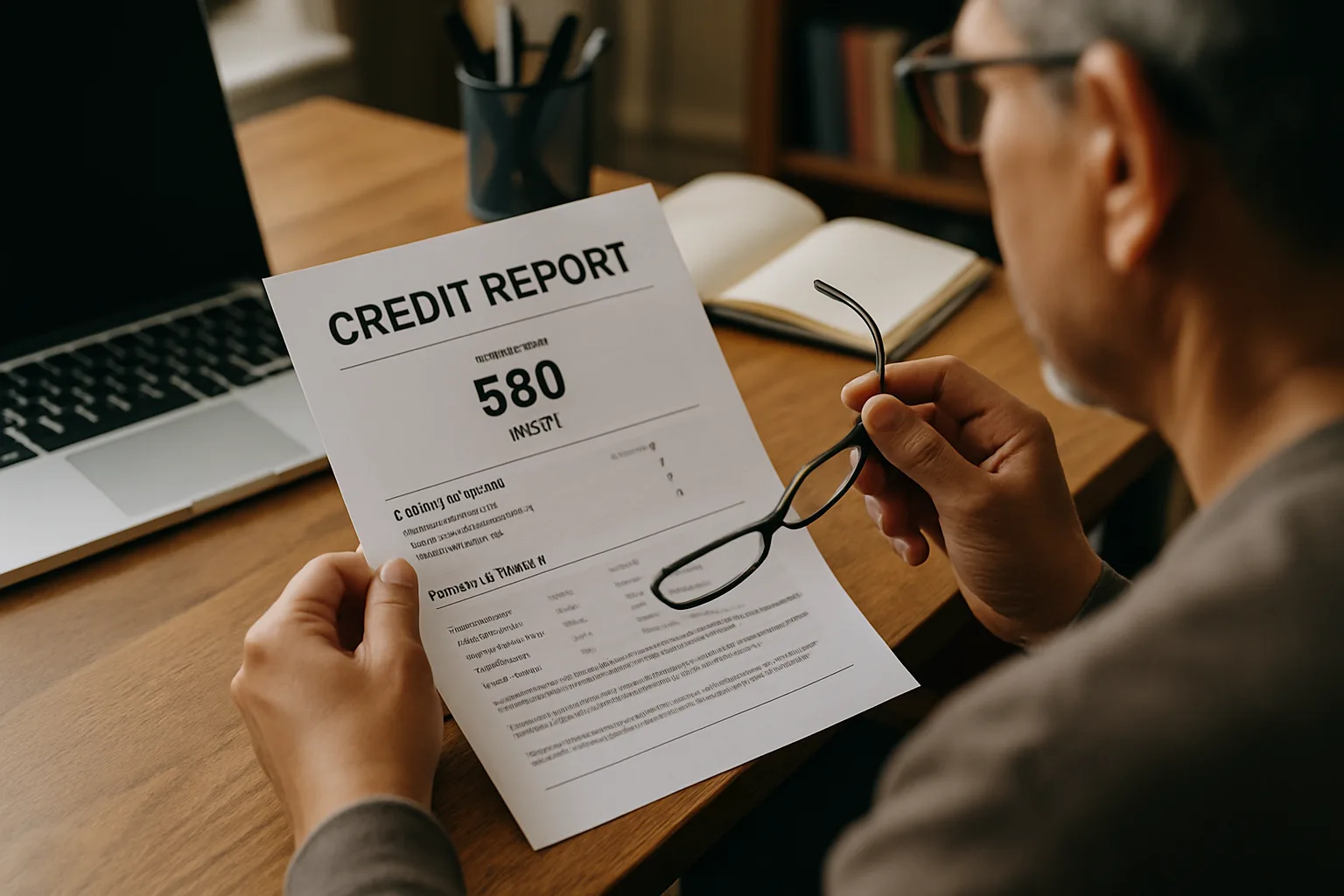
The good news is that you have the legal right to dispute those errors. Under the Fair Credit Reporting Act (FCRA), both the credit bureaus and the company that reported the information (the data furnisher) are required to investigate your dispute and correct any mistakes. And you can do this yourself, for free, without hiring anyone.
This guide walks you through exactly how to write a credit dispute letter that works. You'll get a step-by-step process, a free template you can customize, and tips to avoid common pitfalls. This is general information, not legal advice.
If you need personalized help, consider consulting a consumer attorney.
What Is a Credit Dispute Letter?
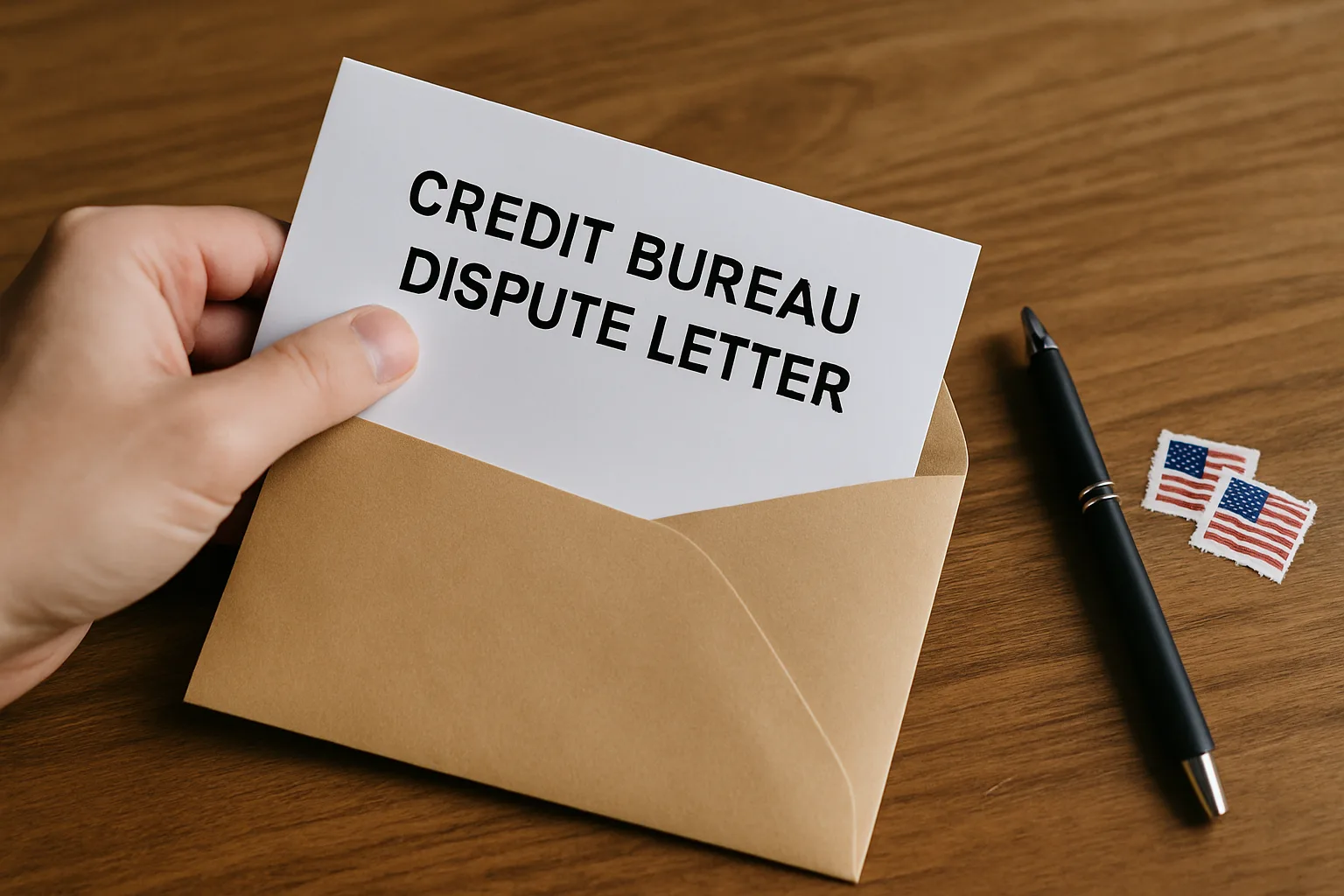
A credit dispute letter is a formal written request asking a credit bureau to investigate an item on your credit report that you believe is inaccurate, incomplete, or unverifiable. You send it to Equifax, Experian, or TransUnion — the three major credit bureaus — along with any evidence you have.
The letter should clearly identify the disputed item, explain why it's wrong, and ask the bureau to remove or correct it. Under the FCRA, the bureau must investigate your dispute within 30 days (45 days if you send additional information later) and notify you of the results.
You can also send a dispute letter directly to the company that reported the error (the data furnisher). That's often a good second step if the bureau doesn't fix the problem.
Why You Should Dispute Errors on Your Credit Report
Even a small error on your credit report can have a big impact. A 2021 study by the Federal Trade Commission (FTC) found that one in five consumers had an error on at least one of their credit reports. Some of those errors were serious enough to result in a higher interest rate on a loan or even a denial of credit.
When you how to dispute errors on your credit report, you're not just cleaning up a mistake — you're protecting your financial health. Correcting errors can boost your credit score, save you money on interest, and give you peace of mind.
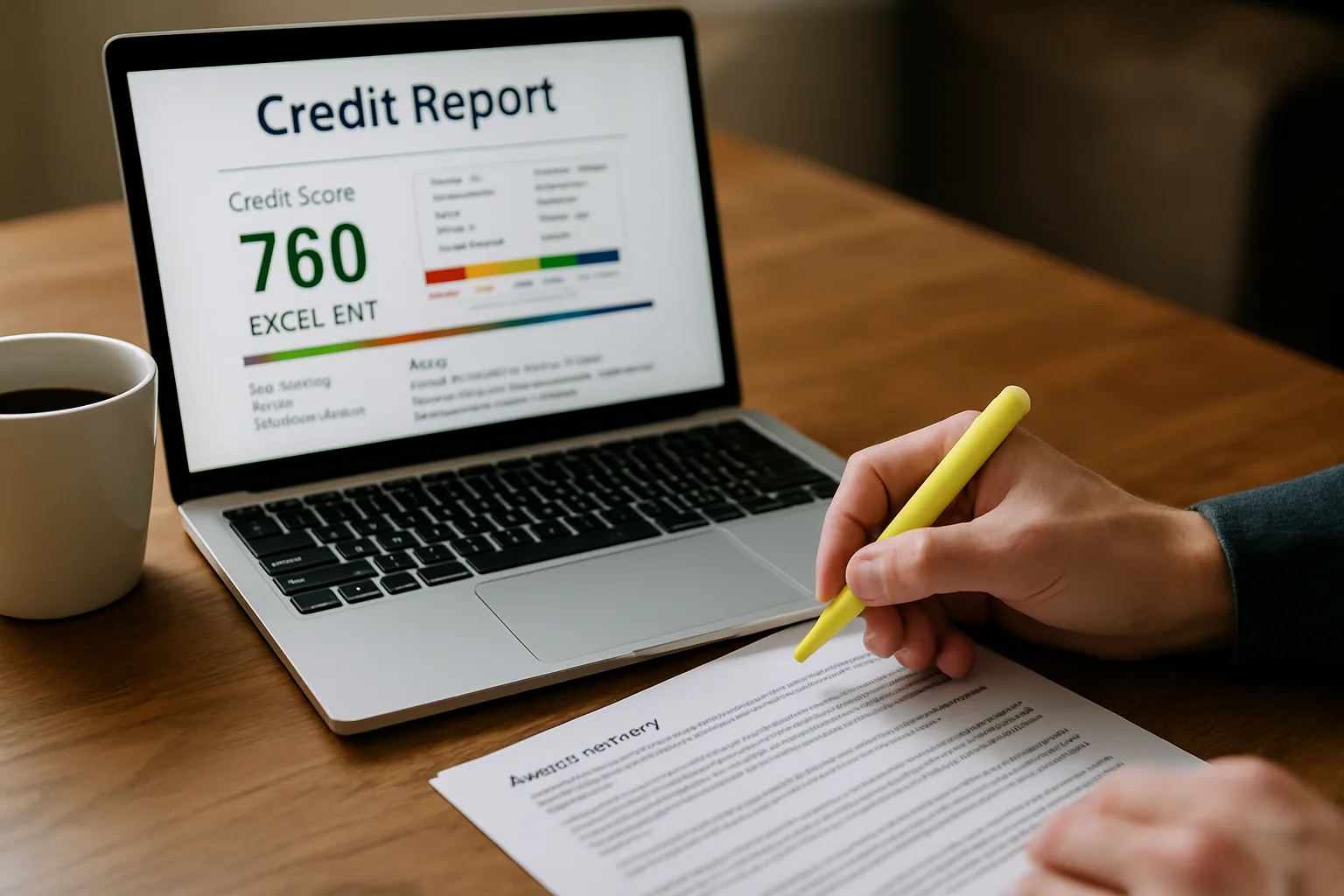
Common errors include accounts that don't belong to you, incorrect payment statuses (like a late payment when you paid on time), wrong account balances, duplicate accounts, and outdated negative information (like a bankruptcy that should have been removed after 10 years).
How Errors Can Cost You Thousands
Consider a real-world scenario: a $200 late payment error on a credit card might drop your score by 50 points. That could mean a 1% higher interest rate on a $300,000 mortgage, costing you over $50,000 in extra interest over 30 years.
Even a small error on a car loan can add hundreds of dollars to your monthly payment. Disputing errors is one of the most effective ways to improve your credit score without paying off debt or opening new accounts.
Every point on your credit score matters when you apply for a loan, rent an apartment, or even get a job. Employers in some states can check your credit report as part of a background check.
Step-by-Step Guide: How to Dispute Items on Credit Report
Follow these steps to dispute items on your credit report effectively. Each step builds on the last, so take your time and be thorough.
Step 1: Get Your Free Credit Reports
You can get one free credit report from each of the three bureaus every 12 months at AnnualCreditReport.com. That's the only site authorized by the federal government for free reports. During the pandemic, the bureaus made weekly free reports available, but that program has ended.
As of 2024, you can still get free reports weekly through December 2023? Actually, check the current status — but AnnualCreditReport.com is your starting point.
Review each report carefully. Errors can appear on one, two, or all three reports. You'll need to dispute with each bureau separately.
Step 2: Identify the Errors
Go through each report line by line. Look for:
- Accounts you don't recognize (possible identity theft)
- Incorrect personal information (wrong name, address, Social Security number)
- Wrong account status (e.g., shows "late payment" when you paid on time)
- Duplicate accounts (the same debt listed twice)
- Outdated negative information (most negative items must be removed after 7 years; bankruptcies after 10)
- Incorrect balances or credit limits
Circle or highlight each error. Make notes about what's wrong and why.
Step 3: Gather Supporting Documents
For each error, collect evidence that proves your case. This might include:
- Bank statements showing a payment was made
- Canceled checks or money order receipts
- Letters from creditors confirming a debt was paid or settled
- Police reports (if identity theft is involved)
- Any other documents that support your claim
Make copies of everything. Never send original documents — you won't get them back.
Step 4: Write Your Dispute Letter
Now it's time to write the letter. You can use the template below as a starting point. Be clear, concise, and specific.
Include:
- Your full name and address
- A copy of your credit report with the disputed items circled
- The account number and name of the creditor for each item
- A clear statement of what is wrong and why
- A request to remove or correct the information
- Copies of your supporting documents
Send the letter by certified mail with return receipt requested. That way you have proof the bureau received it.
Step 5: Mail Your Letters
Send one dispute letter to each credit bureau that has the error. Use the addresses below:
- Equifax: Equifax Information Services LLC, P.O. Box 740256, Atlanta, GA 30374-0256
- Experian: Experian, P.O. Box 4500, Allen, TX 75013
- TransUnion: TransUnion LLC, Consumer Dispute Center, P.O. Box 2000, Chester, PA 19016-2000
You can also file disputes online, but a mailed letter with supporting documents often gets more thorough attention.
Step 6: Wait for the Investigation
The bureau has 30 days to investigate (45 days if you send additional information later). During that time, they'll contact the data furnisher (the company that reported the information) and ask them to verify the item. If the furnisher can't verify it, the bureau must remove it.
You'll receive a written response with the results. If the dispute is successful, the bureau will send you an updated credit report showing the correction.
Step 7: Follow Up If Needed
If the bureau doesn't remove the error, you have options. You can:
- Dispute directly with the data furnisher (the company that reported the error)
- Add a 100-word statement to your credit report explaining your side
- File a complaint with the Consumer Financial Protection Bureau (CFPB)
- Consult a consumer attorney if the error is causing significant harm
Credit Dispute Letter Template
Use this template to write your own letter. Fill in the brackets with your information.
[Your Name]
[Your Address]
[City, State, ZIP Code][Date]
[Credit Bureau Name]
[Bureau Address]Re: Dispute of Inaccurate Information on Credit Report
To Whom It May Concern:
I am writing to dispute the following item(s) on my credit report. I have enclosed a copy of my credit report with the disputed items circled.
Disputed Item 1:
Account Name: [Name of creditor]
Account Number: [Account number]
Reason for Dispute: [Explain why the information is wrong, e.g., "This account is not mine," "The payment was made on time," "This debt was settled in full."]Disputed Item 2: (add as many as needed)
I have enclosed copies of supporting documents that prove my claim. Please investigate and remove or correct the inaccurate information as required by the Fair Credit Reporting Act.
Thank you for your prompt attention to this matter.
Sincerely,
[Your Signature]
[Your Printed Name]Enclosures: [List what you're sending, e.g., copy of credit report, bank statements, etc.]
Be sure to keep a copy of the letter and all enclosures for your records.
Sample Dispute Letter for a Paid Collection
Here's a specific example for a collection account that was paid but still shows as unpaid:
Dear Experian,
I am disputing the following item on my credit report:
Account Name: XYZ Collections
Account Number: 123456789
Reason: This account was paid in full on March 15, 2023. I have enclosed a copy of the paid receipt. Please update the status to "Paid" or remove the account if it should no longer appear.Thank you.
How to Dispute Credit Report Errors Online vs. Mail
You can dispute errors online through each bureau's website. It's faster, but some experts say mailed letters with documents get better results because they force the bureau to manually review your evidence.
Online disputes are convenient for simple errors, like a wrong address. But for complex disputes — like an account that isn't yours — a mailed letter with supporting documents is more effective. Plus, you have a paper trail.
If you file online, print or save a screenshot of the confirmation page. That's your proof of filing.
How to Remove Disputes from Credit Report
Sometimes you might want to remove a dispute from your credit report — for example, if you filed a dispute by mistake or if the error was corrected and you don't want the dispute notation to linger. Under the FCRA, once a dispute is resolved, the bureau should remove the dispute notation from your report. But if it remains, you can contact the bureau and ask them to remove it.
To how to remove collections from credit report, you typically need to dispute the collection as inaccurate or request a goodwill deletion if it was paid. But for a dispute notation specifically, just call or write to the bureau and explain that the dispute was resolved and you want the notation removed.
Note: A dispute notation itself doesn't hurt your credit score, but it can confuse lenders who see an active dispute. Clearing it up is smart.
How to Dispute Inaccurate Information on Credit Report with the Data Furnisher
If the credit bureau doesn't fix the error, you can dispute directly with the company that provided the information (the data furnisher). This is often a bank, credit card company, or collection agency.
Send a similar dispute letter to the furnisher, including copies of your evidence. Under the FCRA, they must investigate and correct any inaccurate information. If they don't, you can file a complaint with the CFPB.
Sometimes the furnisher is more responsive than the bureau because they have direct access to the account records.
Common Mistakes When Disputing Credit Report Errors
Avoid these pitfalls to increase your chances of success:
- Not sending enough documentation. The more evidence you provide, the stronger your case.
- Disputing accurate information. If the item is correct, disputing it is a waste of time and could even backfire.
- Using vague language. Be specific: "I paid this account on time every month" is better than "This is wrong."
- Not keeping copies. Always keep a copy of everything you send.
- Failing to follow up. If you don't hear back within 30 days, contact the bureau.
- Disputing online without saving confirmation. Always save a screenshot or print the confirmation page.
Why Vague Language Hurts Your Case
When you write "This is wrong" without specifics, the bureau may dismiss your dispute as frivolous. They need a clear reason to investigate, like "This account was paid in full on June 1, 2022."
For example, if you say "I never missed a payment," but the report shows a late payment, explain exactly when and how you paid. Attach a bank statement showing the payment cleared on time.
Vague disputes often result in a form letter saying "the item was verified." Specific disputes with evidence are much more likely to succeed.
What Happens After You Send a Dispute Letter?
Once the bureau receives your letter, they'll forward your dispute to the data furnisher. The furnisher must investigate and report back to the bureau. If the furnisher can't verify the information within 30 days, the bureau must delete it.
If the furnisher verifies the information, the bureau will keep it on your report. But you can still add a 100-word statement explaining your side. That statement will appear on your report whenever it's pulled.
If you're not satisfied with the result, you can file a complaint with the CFPB at consumerfinance.gov/complaint. The CFPB will forward your complaint to the bureau and work to get a response.
What If the Furnisher Verifies Incorrect Information?
Sometimes a data furnisher will verify an error even when you have proof it's wrong. This can happen if they use automated systems that don't check your documents carefully.
In that case, send a second dispute letter directly to the furnisher with a copy of your original evidence. Include a note that you've already disputed with the bureau and they verified the error incorrectly.
If the furnisher still refuses to correct it, file a complaint with the CFPB. The CFPB has authority to fine companies that violate the FCRA.
How Long Does a Credit Dispute Take?
The FCRA requires the bureau to complete its investigation within 30 days of receiving your dispute. If you send additional information after the initial dispute, they get an extra 15 days (45 total). In some cases, like if the dispute is frivolous, they can take longer or reject it.
If the dispute is successful, the bureau will send you an updated credit report, usually within a week or two after the investigation ends.
What to Do If the Bureau Misses the Deadline
If the bureau doesn't respond within 30 days, they are violating the FCRA. You can file a complaint with the CFPB or even sue the bureau in small claims court for damages.
In practice, most disputes are resolved within the 30-day window. But if you don't hear back, call the bureau's dispute department and ask for a status update.
Keep a log of all calls, including the date, time, and name of the representative you spoke with. This documentation can help if you need to escalate the issue.
Do I Need a Lawyer to Dispute Credit Report Errors?
No, you can dispute errors yourself for free. Many people successfully remove errors without a lawyer. However, if you have a complex case — like identity theft or a creditor that refuses to correct a mistake — a consumer attorney can help.
Some offer free consultations and work on contingency (they get paid if you win).
If the error is causing significant financial harm, like a denied mortgage, it might be worth consulting an attorney.
When to Consider Legal Help
If you've disputed the same error multiple times and the bureau keeps verifying it, an attorney can send a demand letter. This often gets results because companies take legal threats seriously.
Also, if you're a victim of identity theft, an attorney can help you file a police report and place a fraud alert on your credit report. They can also help you dispute fraudulent accounts more effectively.
Most consumer attorneys offer free initial consultations. You can find one through the National Association of Consumer Advocates (NACA) website.
How to Read Your Credit Report Before Disputing
Before you dispute, you need to understand what's on your report. If you're new to this, check out our guide on how to read your credit report. It explains the different sections: personal information, accounts, inquiries, and public records.
Knowing how to read your report helps you spot errors faster and write a more effective dispute letter.
Understanding the Sections of Your Credit Report
Your credit report has four main sections: personal information, accounts (also called tradelines), inquiries, and public records. Each section can contain errors that need to be disputed.
Personal information errors, like a wrong address, are usually easy to fix. But they can also be a sign of identity theft if someone else's information is mixed with yours.
Account errors are the most common and can include wrong balances, late payments, or accounts that don't belong to you. Inquiries show who has checked your credit, and unauthorized inquiries can indicate fraud.
How to Write a Dispute Letter for Identity Theft
If you're a victim of identity theft, your dispute letter needs to include additional information. Start by placing a fraud alert on your credit report, which is free and lasts for one year.
In your letter, state that the account was opened fraudulently and include a copy of your Identity Theft Report from the FTC (available at IdentityTheft.gov). Also include a copy of a police report if you filed one.
The bureau must block fraudulent accounts from your report within 4 business days of receiving your Identity Theft Report. This is faster than a standard dispute.
How to Dispute Multiple Errors in One Letter
You can dispute multiple errors in a single letter, but you need to list each one clearly. Use a numbered list and include the account name, account number, and reason for each dispute.
For example: "1. Account: ABC Bank, Account #1234, Reason: Payment was made on time. 2. Account: XYZ Collections, Account #5678, Reason: This account is not mine."
Attach separate supporting documents for each error. Label them clearly, like "Exhibit A: Bank statement for ABC Bank" and "Exhibit B: Police report for XYZ Collections."
How to Follow Up After a Dispute
After you send your dispute letter, wait 30 days. If you don't receive a response, call the bureau's dispute department. Have your dispute confirmation number ready if you filed online.
If the bureau says they need more time, ask for a written explanation. Under the FCRA, they must tell you why the delay is necessary.
If the dispute is denied, ask for the name and address of the data furnisher who verified the information. You can then dispute directly with them.
How to Use Certified Mail for Your Dispute
Certified mail with return receipt requested is your best tool for proving the bureau received your dispute. The green card you get back is official proof of delivery.
Without this proof, the bureau could claim they never received your letter. This is a common tactic to avoid investigating your dispute within the 30-day window.
The cost is usually around $7 per letter. It's a small price to pay for the protection it provides. Keep the receipt and the green card with your records.
How to Dispute Errors on Joint Accounts
If you have a joint account with a spouse or partner, errors on that account can affect both of your credit reports. You'll need to dispute separately with each bureau for each person's report.
For example, if a joint credit card shows a late payment that was actually paid on time, both you and your spouse should send separate dispute letters. Include the same supporting documents in each letter.
This ensures that both credit reports are corrected. If only one person disputes, the other's report may still show the error.
How to Dispute Errors After a Bankruptcy
Bankruptcies should be removed from your credit report after 10 years for Chapter 7 and 7 years for Chapter 13. If a bankruptcy remains past that time, you can dispute it.
In your dispute letter, state that the bankruptcy is outdated and should be removed under the FCRA. Include a copy of your bankruptcy discharge papers as evidence.
The bureau must remove the bankruptcy if it's past the legal reporting time. If they don't, you can file a complaint with the CFPB.
How to Dispute Errors from a Debt Collector
Debt collectors often report inaccurate information to credit bureaus. Common errors include wrong amounts, accounts that are too old to collect, or debts that were paid but still show as owed.
When disputing a debt collector's entry, include a copy of the original creditor's records if you have them. Also include any proof of payment or settlement.
If the debt is past the statute of limitations for collection, mention that in your letter. The bureau may still verify it, but you can add a statement explaining the debt is time-barred.
How to Dispute Errors on a Mortgage Account
Mortgage errors can be especially damaging because they affect large loans. Common errors include wrong payment history, incorrect balance, or a foreclosure that was reported in error.
If you have a mortgage error, gather your monthly statements, payment receipts, and any correspondence with the lender. Include these with your dispute letter.
Mortgage servicers are required to respond to disputes under the Real Estate Settlement Procedures Act (RESPA). If they don't, you can file a complaint with the CFPB.
How to Dispute Errors After a Divorce
After a divorce, joint accounts can cause confusion on credit reports. If your ex-spouse is responsible for a joint debt but stops paying, it can hurt your credit.
If the divorce decree assigns the debt to your ex-spouse, include a copy of the decree with your dispute letter. The bureau may not remove the account, but they can add a note explaining the situation.
For accounts that were supposed to be closed, send a dispute letter asking the bureau to verify the account status. If the account is still open, ask the creditor to close it.
How to Dispute Errors on Student Loans
Student loan errors can include wrong payment history, incorrect loan status, or loans that were discharged but still appear. These errors can affect your ability to get new loans or refinance.
If you have a student loan error, gather your loan statements, payment history, and any correspondence with the loan servicer. Include these with your dispute letter.
Student loan servicers are regulated by the Department of Education. If they don't correct the error, you can file a complaint with the Federal Student Aid Ombudsman Group.
How to Dispute Errors on Medical Bills
Medical bill errors on credit reports are common because billing systems are often complex. Errors can include incorrect amounts, duplicate entries, or bills that were paid by insurance.
If you have a medical bill error, gather your insurance explanation of benefits (EOB), payment receipts, and any correspondence with the medical provider. Include these with your dispute letter.
Medical debts under $500 are no longer included on credit reports as of 2023. If a small medical bill appears, you can dispute it as a violation of this new rule.
How to Dispute Errors on Auto Loans
Auto loan errors can include wrong payment history, incorrect balance, or a repossession that was reported in error. These errors can affect your ability to get a new car loan.
If you have an auto loan error, gather your loan agreement, payment receipts, and any correspondence with the lender. Include these with your dispute letter.
Auto lenders are required to respond to disputes under the FCRA. If they don't, you can file a complaint with the CFPB or your state's attorney general.
How to Dispute Errors on Credit Cards
Credit card errors are among the most common on credit reports. They can include wrong payment history, incorrect credit limit, or accounts that were closed but still show as open.
If you have a credit card error, gather your monthly statements, payment receipts, and any correspondence with the card issuer. Include these with your dispute letter.
Credit card issuers are required to respond to disputes under the FCRA. If they don't, you can file a complaint with the CFPB or your state's attorney general.
How to Dispute Errors on Collection Accounts
Collection accounts often contain errors because the debt may have been sold multiple times. Common errors include wrong amounts, accounts that are too old, or debts that were paid but still show as owed.
If you have a collection account error, gather your original creditor's records, payment receipts, and any correspondence with the collection agency. Include these with your dispute letter.
If the collection agency cannot verify the debt, the bureau must remove it. If they verify it incorrectly, you can dispute directly with the collection agency.
How to Dispute Errors on Public Records
Public records on your credit report can include bankruptcies, tax liens, and civil judgments. These items can be especially damaging to your credit score.
If you have a public record error, gather the court documents that show the correct information. Include these with your dispute letter.
Public records must be accurate and up-to-date. If they are not, the bureau must remove or correct them.
How to Dispute Errors on Inquiries
Inquiries show who has checked your credit report. Unauthorized inquiries can indicate fraud or identity theft.
If you see an inquiry you don't recognize, dispute it with the bureau. Include a statement that you did not authorize the inquiry.
The bureau must investigate the inquiry and remove it if it was unauthorized. If the inquiry remains, you can file a complaint with the CFPB.
Key Takeaways
- You have the right to dispute errors on your credit report for free under the FCRA.
- Get your free reports from AnnualCreditReport.com and review them carefully.
- Write a clear, specific dispute letter and include copies of supporting documents.
- Send the letter by certified mail to each bureau that has the error.
- If the bureau doesn't fix the error, dispute directly with the data furnisher or file a complaint with the CFPB.
- Keep copies of everything and follow up if you don't hear back within 30 days.
Frequently asked questions
What should I include in a credit dispute letter?
How long does a credit bureau have to respond to a dispute?
Can I dispute errors online instead of by mail?
What happens if the credit bureau doesn't remove the error?
Do I need to send original documents with my dispute letter?
This article is for general informational purposes only and does not constitute financial, legal or credit-repair advice. Always consult a qualified financial advisor or credit counselor about your specific circumstances.

Written & reviewed by
Can OTUEditor
Can OTU is the editor of this site, curating and reviewing every guide for accuracy and clarity.
View all guides →