Removing a Charge-Off From Your Credit Report: What Actually Works
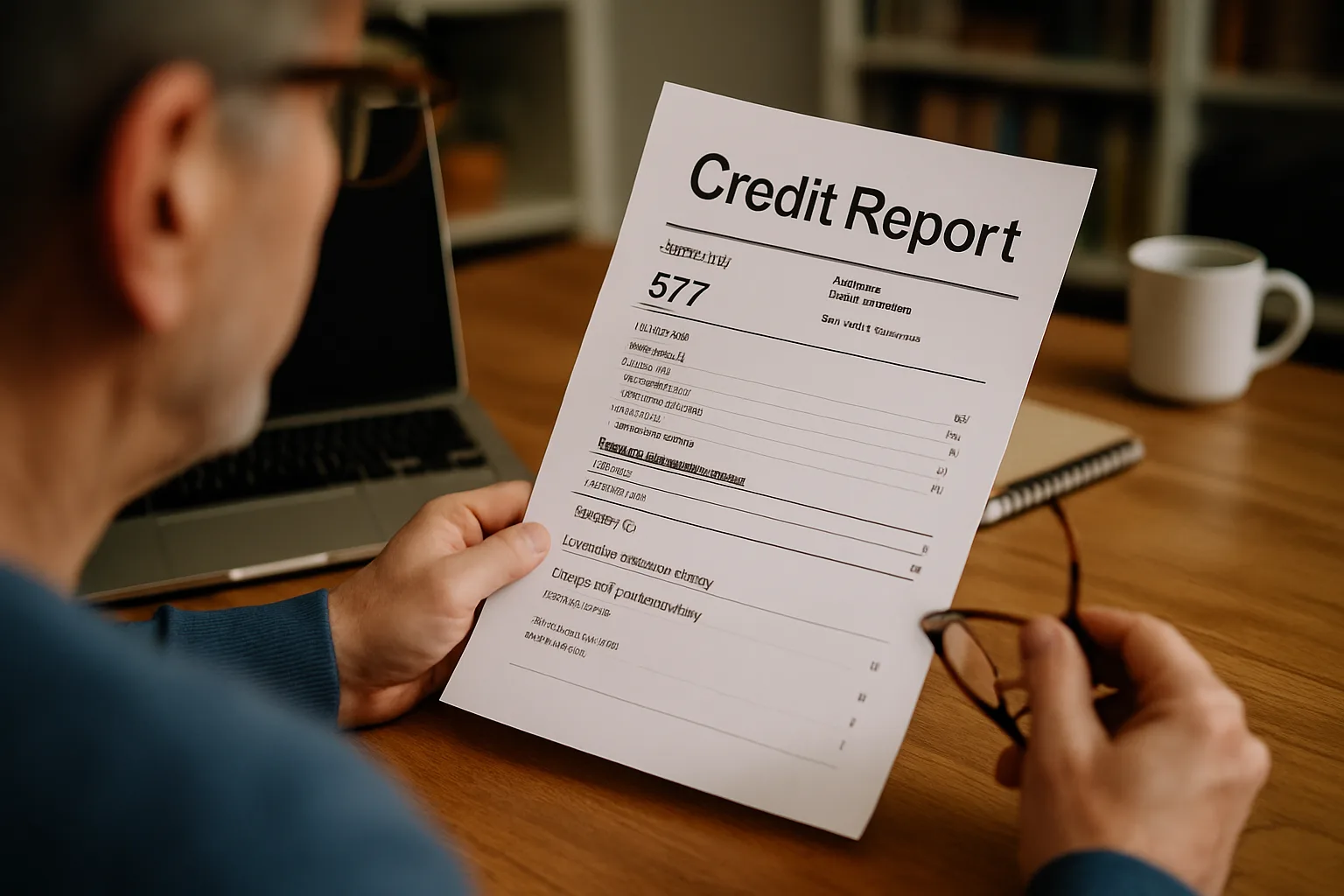
A charge-off is one of the most damaging items on your credit report. It signals to lenders that you failed to repay a debt as agreed. This mark can linger for years and affect your ability to get loans, credit cards, or even a job.
The damage goes beyond your credit score. Many lenders view a charge-off as a sign of high risk. They may deny your application or offer you higher interest rates.
Even after you pay the debt, the record of the charge-off remains.
Knowing how to remove a charge-off is crucial for your financial future. The methods in this article can help you take control. But remember, results vary based on your unique situation and the creditor's policies.
Why Lenders Fear Charge-Offs So Much
Lenders see a charge-off as a clear red flag. It means you defaulted on a contractual obligation. This makes them hesitant to trust you with new credit.
When you apply for a mortgage, the lender will scrutinize your report. A charge-off can make you appear high-risk. You might face a higher interest rate or outright denial.
Even employment background checks can be affected. Some employers review credit reports for financial responsibility. A charge-off could cost you a job opportunity.
Lenders also consider the charge-off amount. A $10,000 charge-off looks worse than a $500 one. The severity of the default influences their decision.
They may require a larger down payment or a cosigner.
Insurance companies sometimes check credit reports too. A charge-off can raise your auto or home insurance premiums. This adds another layer of financial strain.
The Legal Foundation: Your Rights Under the FCRA
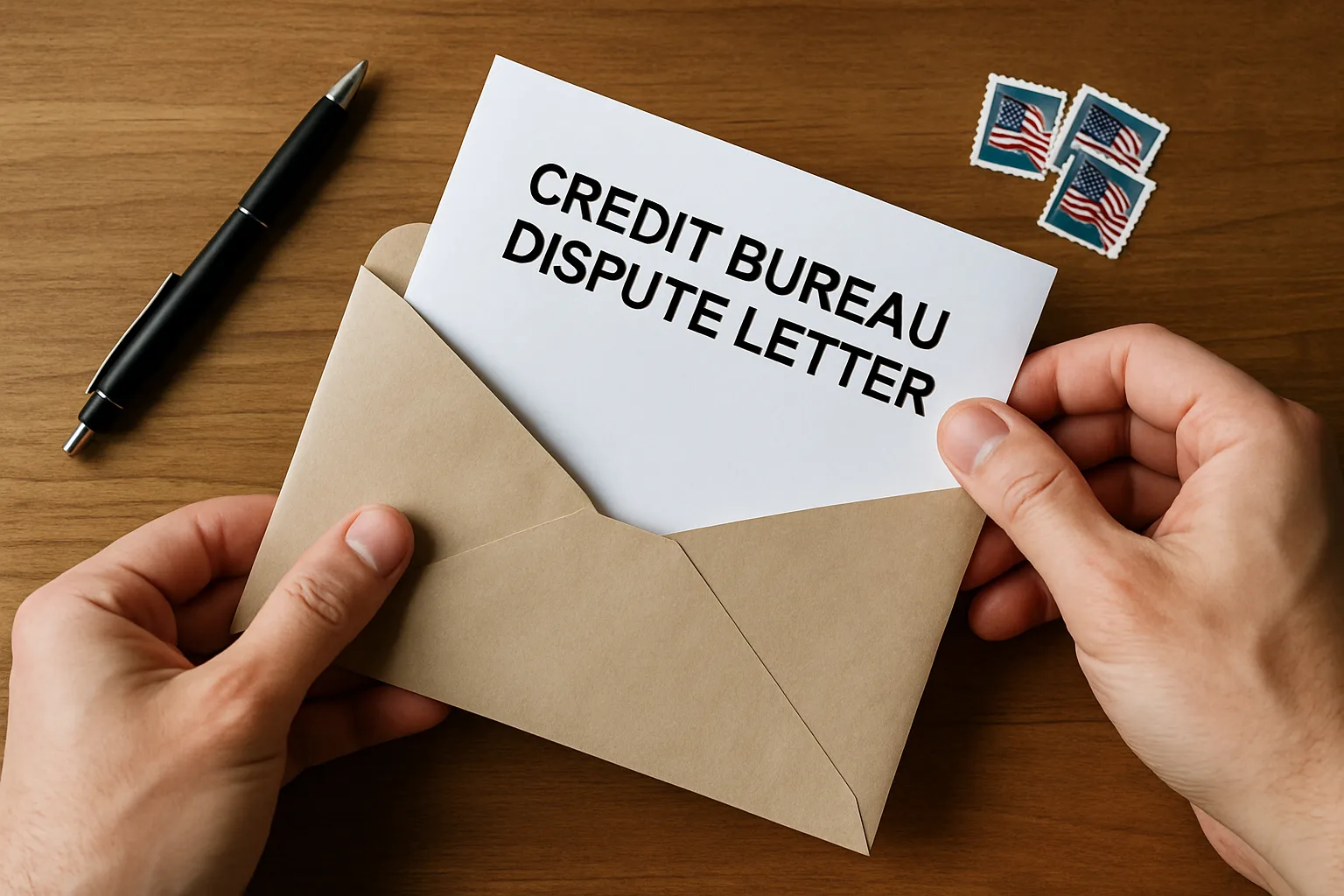
The Fair Credit Reporting Act (FCRA) gives you powerful rights. It requires credit bureaus to report only accurate information. If a charge-off has errors, you have the legal right to dispute it.
The FCRA also sets the 7-year reporting limit. After that time, the charge-off must be removed automatically. If it stays, you can sue the bureau for non-compliance.
This law is your best tool for cleaning up your report.
You also have rights under the Fair Debt Collection Practices Act (FDCPA). This law prevents collectors from harassing you. It also gives you the right to request debt validation.
If a collector cannot prove the debt is yours, they must stop reporting it.
The FCRA allows you to sue for damages up to $1,000 per violation. If a bureau ignores your dispute, you can recover actual damages too. This includes emotional distress or lost job opportunities.
Knowing this gives you leverage in negotiations.
How the FCRA Protects You in a Dispute
When you file a dispute, the FCRA mandates a full investigation. The credit bureau must contact the creditor. If the creditor fails to respond within 30 days, the item is deleted.
This creates a powerful incentive for creditors to be accurate. Many creditors rely on automated systems that make mistakes. Your dispute forces them to double-check their records.
If the creditor verifies false information, you can escalate. You can file a complaint with the Consumer Financial Protection Bureau. You can also sue the creditor for damages under the FCRA.
The investigation process is not perfect. Bureaus often use automated systems called e-OSCAR. This system sends your dispute to the creditor electronically.
The creditor may verify without actually checking your records. This is why you need strong evidence.
Deep Dive: Disputing Inaccurate Charge-Offs

Disputing is the most effective method because it relies on the law. When you point out an error, the bureau must investigate. If the creditor fails to respond within 30 days, the item is deleted.
Common errors include wrong dates, incorrect amounts, or accounts that don't belong to you. For example, a charge-off might show a balance of $5,000 when you only owed $3,000. Or the date of first delinquency might be wrong, making the item appear older than it is.
Another frequent error is a duplicate entry. Sometimes the same charge-off appears twice from different collectors. Disputing the duplicate can remove one of them.
Always check for these mistakes before you start.
Errors also include incorrect account status. A charge-off might be marked as "open" when it should be "closed." Or the creditor name might be misspelled. Each error is a potential reason for removal.
How to Find Errors on Your Credit Report
Start by ordering your credit reports from all three bureaus. You can get them free at AnnualCreditReport.com. Look at each charge-off entry carefully.
Compare the details with your own records.
Check the account number, balance, and date of first delinquency. If any of these are wrong, note them down. Also look for accounts that are not yours.
Identity theft can cause charge-offs to appear falsely.
Make a list of every error you find. This will help you write a clear dispute letter. The more specific you are, the better your chances of success.
Vague disputes like "not mine" often fail.
Cross-check the charge-off dates with your payment history. If you made a payment after the reported delinquency date, the date is wrong. This is a common error that can shorten the reporting period.
Step-by-Step Dispute Process With Examples
Let's walk through a real example. Suppose you have a charge-off from a credit card company for $2,000. You check your report and see the balance is listed as $2,500.
That's an error you can dispute.
Write a letter to the credit bureau. State your name, address, and report number. Explain that the balance is incorrect.
Attach a copy of your credit card statement showing the correct balance. Send it by certified mail.
The bureau will contact the creditor. If the creditor cannot verify the $2,500 balance, the entire charge-off must be removed. This is a common way to get a charge-off deleted without paying a dime.
Another example: Suppose the charge-off shows an account that was closed in 2021. But you closed it in 2019. The bureau must investigate the discrepancy.
If the creditor cannot prove the 2021 date, the item is removed.
Another Example: Wrong Date of First Delinquency
Imagine your charge-off shows a date of first delinquency of January 2020. But your records show you made a payment in March 2020. This means the date is wrong.
Dispute it with the bureau.
If the creditor cannot prove the correct date, the item may be removed. Even if it stays, correcting the date can shorten the reporting time. The 7-year clock starts from the correct delinquency date.
Always keep your own records of payments and statements. These documents are your proof. Without them, your dispute may be weaker.
For example, if you have a bank statement showing a payment in March 2020, attach it. This proves the delinquency date is wrong. The bureau must investigate this new evidence.
Pay-for-Delete: How to Negotiate Successfully
Pay-for-delete is a negotiation tactic. You offer to pay the debt in exchange for removal. This is not guaranteed, but it works sometimes.
The key is to get the agreement in writing before you pay.
Start by calling the creditor or collection agency. Ask if they are willing to delete the account upon payment. If they say yes, ask for a letter stating the terms.
Do not pay until you have that letter.
Be prepared to negotiate the amount. You might offer a lump sum that is less than the full balance. For example, if you owe $1,000, offer $600.
Some collectors accept less to close the account.
Some collectors will only agree to mark the account as "paid in full." This is not the same as deletion. Insist on deletion in writing. A paid collection still hurts your score.
When Pay-for-Delete Works Best
This method works best with collection agencies. Original creditors like banks rarely agree. Collection agencies are more flexible because they bought the debt for pennies on the dollar.
They want to recover something.
If the debt is old, the collector may be more willing to negotiate. They know the statute of limitations may expire soon. Offering a settlement can be attractive to them.
Always get the agreement in writing. Verbal promises are not enforceable. A written letter protects you if the collector fails to remove the item.
For example, if a collector agrees to delete for $500, get a letter signed by their manager. Keep a copy for your records. If they don't delete, you can sue for breach of contract.
Goodwill Letters: A Personal Approach
A goodwill letter is a polite request for removal. It works best for a one-time mistake. For example, you lost your job and missed payments for a few months.
Once you paid the debt, you can ask for forgiveness.
Write a letter explaining your situation. Be honest and apologetic. Mention your good payment history before the charge-off.
Ask the creditor to remove the item as a gesture of goodwill.
Send the letter to the creditor's executive office. Find the address online or call customer service. Follow up with a phone call after two weeks.
Persistence can pay off.
Some creditors have a goodwill policy. They may remove a charge-off if you have been a long-time customer. For example, a bank might forgive a missed payment if you have 10 years of on-time payments.
Sample Goodwill Letter Structure
Start with your name and account number. Explain the reason for the late payments. Describe how you have since paid the debt and maintained good credit.
Politely ask for removal.
Keep the tone respectful. Avoid blaming the creditor or making excuses. Focus on your responsibility and desire to improve.
A sincere letter can sometimes move a creditor to help.
If the first letter fails, try again. Send it to a different person or department. Some people succeed after multiple attempts.
Patience is key.
For example, you might write: "I lost my job in 2020 and fell behind on payments. I have since paid the full balance and maintained on-time payments for two years. Please consider removing this charge-off as a goodwill gesture."
Waiting for the 7-Year Limit: What You Need to Know
The 7-year clock starts from the original delinquency date. This is the first missed payment that led to the charge-off. It does not restart if you pay or settle the debt.
This is a common misconception.
After 7 years, the charge-off must be removed automatically. If it stays, dispute it as obsolete. The bureau must delete it.
You can also check your report to see if the date is correct.
If the charge-off is close to 7 years, waiting may be your best option. For example, if it's 6.5 years old, you only have 6 months left. Disputing or negotiating might not be worth the effort.
But be careful: some creditors report the charge-off date incorrectly. They might use the date they wrote it off, not the delinquency date. This can extend the reporting period.
Check the date carefully.
The Role of the Statute of Limitations
The statute of limitations is different from the 7-year reporting period. It determines how long a creditor can sue you. This varies by state, usually 3-6 years for credit card debt.
If the statute of limitations has expired, you have more leverage. The creditor cannot sue you. You can use this in negotiations.
Offer a small settlement in exchange for deletion.
But be careful: making a partial payment can restart the statute of limitations in some states. Always consult a lawyer before paying old debt. This protects you from legal complications.
For example, if your debt is 5 years old and the statute is 4 years, the creditor cannot sue. You can offer $200 to delete the charge-off. The collector may accept to avoid losing everything.
How to Dispute a Charge-Off Step by Step: Detailed Guide
Let's expand on the steps with more detail. First, get your credit reports from all three bureaus. You can get them free once a year at AnnualCreditReport.com.
Review each report for errors.
Second, identify the specific errors. Write them down. For example, "The balance is $500 too high" or "The date of first delinquency is wrong." Be as precise as possible.
Third, write a dispute letter. Include your name, address, and report number. Explain each error clearly.
Attach copies of supporting documents. Do not send originals.
Fourth, send the letter by certified mail with return receipt. This costs about $7 but gives you proof. The bureau must respond within 30 days.
If they don't, you can escalate.
Sample Dispute Letter Template
Here is a simple template. "Dear [Bureau Name], I am disputing the following item on my credit report. Account number [X] shows a balance of $2,500, but my records show $2,000.
Please investigate and remove this error."
Include your contact information. Sign the letter. Make a copy for your records.
Send it by certified mail with return receipt. This gives you proof of delivery.
Wait for the investigation. The bureau has 30 days. If they find the error, the item is removed.
If not, they will send you a letter explaining why. You can then try another method.
For example, if the bureau says the creditor verified the balance, you can ask for the verification method. The creditor must provide proof. If they cannot, you can file a complaint with the CFPB.
How to Remove Paid Collections From Your Credit Report: Extended Tips
Paid collections are less damaging than unpaid ones. But they still hurt your score. You can try to remove them using the same methods.
Dispute errors first, then try a goodwill letter.
Some credit scoring models ignore paid collections. FICO 9 and VantageScore 4.0 do not penalize you. But many lenders still use older models like FICO 8.
Removing a paid collection can help if you are applying for a mortgage or car loan.
To remove a paid collection, check if the collection agency is reporting correctly. If they made a mistake, dispute it. If everything is accurate, write a goodwill letter.
Explain that you paid the debt and ask for removal.
Some collection agencies will delete paid collections for a fee. This is a form of pay-for-delete. Offer a small amount, like $50, to delete the account.
Get the agreement in writing first.
How to Get Collections Removed Without Paying: Legal Strategies
You have legal rights even if you don't pay. Under the FDCPA, you can request debt validation. Send a letter to the collector asking for proof of the debt.
If they cannot provide it, they must stop reporting.
Another strategy is to use the statute of limitations. If the debt is too old, the collector cannot sue you. Send a letter stating the debt is time-barred.
The collector may stop reporting, but they are not required to remove it.
Medical debts under $500 are ignored by some scoring models. But they still appear on your report. You can dispute them if there are errors.
Otherwise, wait for the 7-year limit.
You can also use the "cease and desist" letter under the FDCPA. This stops the collector from contacting you. It does not remove the charge-off, but it stops harassment.
This can give you time to plan your next move.
DIY Removal: A Complete Guide
Doing it yourself is free and effective. Start by ordering your credit reports. Review each charge-off and collection.
Look for errors and note them down.
Next, dispute any errors with the bureaus. Send letters by certified mail. Wait for the investigation.
If the item is removed, great. If not, try a pay-for-delete or goodwill letter.
Keep copies of all correspondence. Track your progress with a spreadsheet. Note the dates you sent letters and the responses you received.
This helps you stay organized.
Set a calendar reminder for 30 days after each dispute. Follow up if you don't hear back. You can check the status online or call the bureau.
Persistence is important.
Common Mistakes to Avoid When Disputing
Disputing accurate information is a waste of time. If the charge-off is correct, the dispute will fail. Focus on errors only.
Also avoid using generic dispute letters. Be specific about what is wrong.
Do not dispute online if you want a paper trail. Online disputes are convenient but often result in automated responses. Certified mail gives you proof of delivery and a record of the investigation.
Do not dispute the same item multiple times without new evidence. If the dispute is rejected, you cannot try again unless you have new information. This can waste your time and effort.
Another mistake is disputing too many items at once. The bureau may flag you as a "frequent disputer." This can slow down the process. Focus on one or two errors at a time.
How to Contest Credit Report Errors: Detailed Instructions
Contesting errors is straightforward. Write a letter to each bureau that has the error. Include your name, address, and report number.
Explain the error clearly. Attach copies of proof.
Send the letter by certified mail with return receipt. This costs a few dollars but gives you proof. The bureau must investigate within 30 days.
If they don't, you can sue under the FCRA.
Keep a copy of the letter and the receipt. Follow up if you don't hear back. You can check the status online or call the bureau.
Persistence is important.
For example, if the bureau says they are still investigating after 45 days, remind them of the 30-day rule. If they still fail, file a complaint with the CFPB. This often gets their attention.
Myths About Removing Charge-Offs: What Doesn't Work
Many myths circulate about credit repair. Paying the debt does not remove it. It only updates the status to paid.
The account remains for 7 years. Disputing as "not mine" when it is yours will fail.
Credit repair companies cannot guarantee removal. No one can guarantee removal of accurate information. Filing a false police report for identity theft is fraud.
It can lead to legal trouble.
Waiting for the 7-year clock to start from payment is wrong. The clock starts from the original delinquency. Paying does not restart it.
Understanding these myths saves you time and frustration.
Another myth is that you can "opt out" of credit reporting. This is false. Creditors are not required to report your accounts.
But if they do, they must follow the law. You cannot force them to stop.
How Long Does a Charge-Off Stay on Your Credit Report?
A charge-off stays for 7 years from the original delinquency date. This is the first missed payment. Even if you pay later, the clock does not restart.
After 7 years, it must be removed automatically.
If the charge-off is still there after 7 years, dispute it as obsolete. The bureau must delete it. You can also check the date on your report to ensure it is correct.
Errors in the date can extend the reporting period.
For example, if the first delinquency was in January 2017, the charge-off should be removed in January 2024. If it appears in 2025, dispute it. The bureau must remove it within 30 days.
Will Removing a Charge-Off Improve Your Credit Score?
Yes, removing a charge-off can boost your score. The increase depends on your overall credit profile. For someone with a thin file, the boost can be 50-100 points.
For someone with many negative items, the impact is smaller.
Removing the charge-off also removes associated late payments. This can further improve your score. A higher score can lead to better loan terms and lower interest rates.
It is worth the effort.
For example, if your score is 620 and you remove a charge-off, it might jump to 680. This could qualify you for a mortgage with a lower rate. The savings over time can be thousands of dollars.
When to Hire a Professional vs. DIY
DIY is best if you have time and patience. It is free and gives you full control. Hire a professional if you feel overwhelmed or have multiple items.
Also hire one if you have tried disputing and failed.
If a creditor is violating the law, you may need a lawyer. For example, if they report false information after a dispute. A lawyer can help you sue for damages.
But for most people, DIY works fine.
Credit repair companies charge $50-$100 per month. They often send the same letters you can write yourself. Weigh the cost against the potential benefit.
For a single charge-off, DIY is usually better.
The Impact of Charge-Offs on Different Credit Scores
Different scoring models treat charge-offs differently. FICO 8 penalizes them heavily. VantageScore 4.0 is more forgiving.
But most lenders use FICO 8 for credit card and auto loan decisions.
Mortgage lenders often use older FICO models like FICO 2, 4, or 5. These models are even stricter. A charge-off can be a deal-breaker for a mortgage.
Removing it is critical if you plan to buy a home.
Some lenders use industry-specific scores. For example, auto lenders use FICO Auto Score. This model weighs charge-offs heavily.
Removing a charge-off can help you get a car loan with better terms.
How to Rebuild Credit After a Charge-Off
While you work on removal, start rebuilding your credit. Get a secured credit card. Make small purchases and pay them off each month.
This builds positive payment history.
Become an authorized user on someone else's account. This adds their positive history to your report. Choose someone with a long history of on-time payments.
This can boost your score quickly.
Consider a credit builder loan from a credit union. These loans are designed to help you build credit. The lender reports your payments to the bureaus.
After 12 months, you have a positive history.
Monitor your credit regularly. Use free services like Credit Karma or AnnualCreditReport.com. This helps you catch errors early.
It also shows your progress as you rebuild.
Frequently Asked Questions About Removing Charge-Offs
Can I remove a charge-off without paying?
Yes, if the charge-off is inaccurate, you can dispute it. If it is accurate, a goodwill letter may work. But success is less common.
Disputing errors is the best free method.
Does paying a charge-off remove it from my credit report?
No, paying does not remove it. It updates the status to paid. The account remains for 7 years.
Paying can improve your score slightly, but removal is better.
How do I remove a charge-off after 7 years?
Dispute it as obsolete with the credit bureaus. They must remove it. You can also wait for automatic removal.
Disputing speeds up the process.
Can a charge-off be removed early?
Yes, if it is inaccurate or if the creditor agrees. Pay-for-delete or goodwill letters can work. But accurate charge-offs usually stay for 7 years.
What is the difference between a charge-off and a collection?
A charge-off is when the original creditor writes off the debt. A collection is when the debt goes to a collection agency. Both can appear on your report.
A charge-off often leads to a collection.
Will a charge-off affect my spouse's credit?
No, unless the account is joint. If it's only in your name, it only affects your report. But joint accounts can affect both spouses.
Check your report for joint accounts.
Can I remove a charge-off if I filed for bankruptcy?
Yes, if the charge-off was included in bankruptcy. It should show a zero balance. If it still shows a balance, dispute it.
The bankruptcy discharge should remove the debt.
Key takeaways
- You can remove a charge-off by disputing errors, negotiating pay-for-delete, or sending a goodwill letter.
- Accurate charge-offs stay for 7 years from the original delinquency date—no exceptions.
- Paying a charge-off doesn't remove it, but it updates the status to paid.
- DIY is free and often as effective as hiring a professional.
- Always get agreements in writing before paying for deletion.
Frequently asked questions
Can I remove a charge-off without paying?
Does paying a charge-off remove it from my credit report?
How do I remove a charge-off after 7 years?
Can a charge-off be removed early?
What is the difference between a charge-off and a collection?
This article is for general informational purposes only and does not constitute financial, legal or credit-repair advice. Always consult a qualified financial advisor or credit counselor about your specific circumstances.

Written & reviewed by
Can OTUEditor
Can OTU is the editor of this site, curating and reviewing every guide for accuracy and clarity.
View all guides →