Private Student Loan Relief Options: What Borrowers Can Actually Do

- Your lender may offer hardship forbearance, deferment, or interest-rate reductions, but these are voluntary, not guaranteed.
- Refinancing and debt consolidation only help if you can qualify for a lower rate, and you should never roll federal loans into a private loan.
- Contact your lender before you miss a payment — that's when you have the most negotiating room.
If you're reading this because your private student loan payment feels impossible on your current income, you're not alone. Private loans make up a smaller slice of student debt than federal loans, but they come with fewer built-in protections — which can make them feel far more stressful when money is tight.
Federal borrowers can apply for income-driven repayment, Public Service Loan Forgiveness, and long repayment terms. Private student loan borrowers don't get those options. Instead, your main tool is direct negotiation with your lender: what they call "relief" tends to be short-term rather than a permanent fix.
That's the honest part. The hopeful part is that there are still real moves you can make — refinancing when you qualify, adjusting your budget, increasing income, and knowing exactly when stronger options like debt settlement make sense. What follows is a plain-language guide to how to pay off student loans with low income, how to avoid default, and where to turn if you're already drowning.
This article is general information, not financial advice for your specific situation.
What Private Student Loan Relief Actually Means
There is no federal program that forgives private student loans. The U.S. Department of Education has no authority over loans issued by banks, credit unions, or state agencies. That means the relief available to you is whatever your lender voluntarily agrees to offer.
Private student loan relief comes in a handful of common forms:
- Forbearance: a temporary pause or reduction in payments. Interest keeps accruing during this time.
- Deferment: a longer pause, sometimes tied to returning to school, military service, or financial hardship. Interest may still accrue.
- Interest-only payments: a temporary period where you pay the interest but not the principal. This can lower your bill meaningfully if you're overextended.
- Alternative repayment terms: extending your loan term so each monthly payment is smaller, or lowering your interest rate in exchange for a longer payoff.
- Loan modification: a formal change to your loan's rate, term, or payment schedule — usually only offered after you've shown a real hardship.
Notice what's not on this list: loan forgiveness after 10 or 20 years, income-driven repayment, and borrower defense to repayment. Those programs belong to the federal system. Private lenders are not required to offer them, and treating private loans as if they were federal will waste time you could use to negotiate.
Why Private Student Loans Don't Qualify for Federal Income-Driven Plans
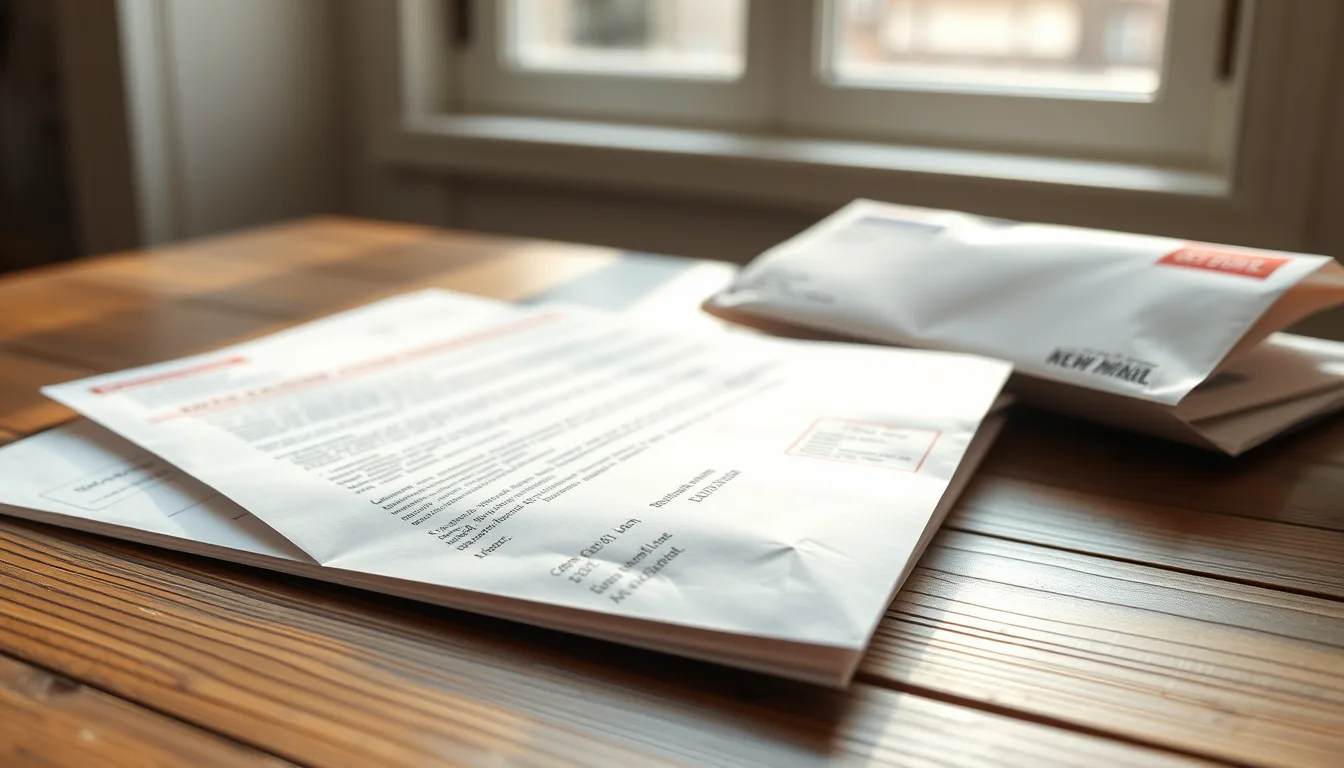
It's a common misunderstanding: people hear "student loan relief" and assume income-driven repayment is available for every student loan. It isn't. Income-driven repayment (IDR) plans like SAVE, PAYE, and IBR exist only for loans made through the William D. Ford Federal Direct Loan Program.
If a lender's name appears on your loan (like a bank, credit union, or state-based lender), you're dealing with a private contract. The terms were set when you signed, and the lender has no obligation to re-shape those terms based on your income.
That doesn't mean your income is irrelevant. Lenders want to be repaid, and most would rather modify a loan than write it off. When you contact them and explain that your current payment doesn't fit your earnings, they may agree to reduce your payment temporarily.
But you're asking for a favor, not claiming a right.
If you hold a mix of federal and private loans, you need to treat them separately. Put federal loans into an IDR plan that fits your budget first. Then focus your energy on the private loans, where there is less automatic protection and more room for direct negotiation.
How to Pay Off Student Loans With Low Income
When your income is low, the goal isn't speed. It's keeping the loan in good standing while making small, consistent progress. That alone is a win, and it puts you in a stronger position than someone who stops paying out of fear.
Start with the minimum payment, not the ideal payment
Your first job is to find out what your lowest possible legitimate payment is. If you can't afford the full monthly amount, ask your lender about alternative repayment plans. Some lenders will temporarily reduce your payment for a few months if you show a drop in income.
A reduced payment still keeps the loan current. That matters because missed payments — not the size of your payment — are what destroy your credit score and trigger default.
Make your budget work backward from survival
List your non-negotiable costs first: housing, utilities, food, transportation, insurance, minimum payments on all debts. Whatever is left is what you can put toward student loans. This isn't about shame or guilt.
It's a math exercise, and the numbers don't judge you.
Honestly assess the numbers. If the remaining amount is zero or negative, your problem isn't the student loan. It's that your fixed costs are too high for your income.
That points to bigger questions about housing, transportation, or income — questions that deserve your attention before you worry about paying extra on a loan.
Lower the interest rate you're paying
You can't control your income overnight, but you can reduce interest costs. Ask your lender if they offer an autopay discount — many reduce the rate by 0.25% when you set up automatic payments. It sounds small, but at $25,000 in debt, 0.25% saves real money over a decade.
If your credit score is stronger than it was when you originated the loan, refinancing to a lower rate may be your best move. Even one point lower on a five-figure balance reduces the amount of interest that piles up every month.
How to Pay Off Student Loans Fast With Low Income

The honest answer to how to pay off student loans fast with low income is that you usually can't pay them off quickly without either extra income or outside help. But that doesn't mean there's nothing you can do. It means the "fast" part of the equation has to come from somewhere else.
Income is the real lever
Most low-income borrowers trying to pay off debt fast make the same mistake: they cut expenses until there's nothing left to cut, then wonder why progress is slow. The better move is to increase income, even temporarily. A part-time job, weekend gig, tutoring, dog walking, or selling unused items can generate an extra $200 to $500 per month.
Put that extra money directly on the principal. Use what I call the "snowball sprint": every bit of unexpected income — tax refund, work bonus, birthday check — gets applied to the loan with the highest interest rate first. This approach doesn't require a huge salary.
It requires discipline around windfalls.
Consider biweekly payments
If your lender allows it, split your monthly payment in half and pay every two weeks. That results in 13 full payments per year instead of 12, shaving months off your repayment term. Many online servicers let you schedule this automatically, and it works regardless of income level.
Just confirm there's no prepayment penalty first. Private student loans generally don't have them, but you should read your promissory note or ask before setting it up.
Short-Term Help: Contact Your Lender Before You Miss a Payment
The single most important action you can take is to call your lender before your payment is late. Borrowers often avoid the call because they expect a lecture or a dead end. In practice, lenders have hardship protocols, and it's far easier for them to adjust a loan that's still current than to recover one that's already in default.
What to say when you call
You don't need to over-explain your life story. Use a simple script like: "I've had a drop in income and I can't afford my current payment. What options do you have for temporary relief or a loan modification?" Then let them walk you through what's available.
Ask specific questions before you agree to anything:
- Will interest continue to accrue during this relief period?
- Will the unpaid interest be added to my principal later?
- Will this count as a missed payment on my credit report?
- How long does the reduced payment last, and what happens after it ends?
Forbearance is helpful, not free
Forbearance gives you breathing room, but interest doesn't stop. On a $30,000 loan at 7% interest, skipping a year of payments adds roughly $2,100 in new interest — and if that interest capitalizes, you'll end up paying interest on interest for the rest of the loan.
Use forbearance like an emergency brake, not a long-term parking spot. The goal is to return to payments quickly or use that time to refinance or increase income.
Refinancing Private Student Loans: When It Helps and When It Hurts
Refinancing replaces your current private student loan with a new loan — often at a lower interest rate if your credit has improved. For many borrowers, this is the most effective form of private student loan relief because it permanently reduces monthly costs.
Refinancing makes sense when:
- You have a stable income and a credit score roughly in the mid-600s or higher.
- Interest rates on the new loan are lower than what you currently pay.
- The new payment is comfortably within your budget.
- You're refinancing private loans only, not federal loans.
Refinancing is dangerous when it involves federal loans. Federal loans carry income-driven repayment, disability discharge, bankruptcy protections, and forgiveness programs that private loans simply don't match. If you roll a federal loan into a private refi, those protections vanish forever.
That's why many experts advise borrowers to keep federal and private debt completely separate.
Debt Consolidation Loan vs Debt Relief: What's the Actual Difference?
If you've searched for private student loan help online, you've probably seen ads for both "debt consolidation" and "debt relief." They sound similar, but they're very different tools.
A debt consolidation loan is a new loan that pays off your existing debts. If you qualify at a lower interest rate, you end up with one payment instead of several. This is a legitimate strategy when you qualify for better terms — the result is cheaper debt, not forgiven debt.
Debt relief is an umbrella term that usually leads to debt settlement: a process where you stop making payments, negotiate with the lender to accept less than you owe, and pay a fee to the company arranging it. Settlement can reduce the amount you owe, but it comes with serious costs to your credit and no guarantee of success.
| Aspect | Debt Consolidation Loan | Debt Relief / Settlement |
|---|---|---|
| How it changes the debt | Replaces it with a new, ideally cheaper loan | Negotiates a reduced payoff amount |
| Credit impact | Minimal if you make payments | Severe — usually requires going into default |
| Progress | You keep paying every month | You stop paying for months or years |
| Guarantee | Terms are set in writing | No guarantee the lender will settle |
| Best fit | Good credit, steady income | Severe hardship with no better path |
If you're comparing debt consolidation loan vs debt relief, understand this: consolidation is a numbers game you can calculate today. Settlement is a bet on the future. It only works if the lender agrees to accept less, and most private student loan lenders will not settle while the loan is current.
Debt Settlement for Private Student Loans: Know the Real Risks
Private student loan debt settlement is possible in some cases, but it's far messier than the ads suggest. You should understand the full picture before you stop making payments or hire a settlement company. For more detail, read our guide to how debt settlement actually works.
How settlement typically unfolds
Most private lenders won't negotiate a reduced payoff until the loan is in default — often after 90 to 180 days of missed payments. At that point, the lender may charge off the loan, sell it to a collection agency, or take legal action. Once a third party owns the debt, there's a better chance of settling for less than the full balance.
A realistic example: say you owe $18,000 in private student loans. After you stop paying for six months, the account is placed with a collector. The collector might accept $9,000 to close the account — but that's not guaranteed.
Lenders regularly refuse settlements and pursue full payment plus fees.
Don't ignore the fees
Most for-profit debt settlement companies charge 15% to 25% of the enrolled debt. On $18,000 that means $2,700 to $4,500 in fees before your debt is even resolved. Meanwhile, your credit takes repeated hits from months of missed payments, and you may face aggressive collection calls.
You can attempt to settle the debt yourself, and you should weigh no-cost alternatives first — these are all important debt relief options to understand before you take the settlement route.
What if the lender sues?
Private lenders can sue to collect on defaulted debt. If they win a judgment, they may be able to garnish your wages or freeze a bank account, depending on your state's laws. That's a far worse outcome than a settlement — and a strong reason to talk honestly with an attorney before you stop paying.
What Happens If You Can't Pay Your Private Student Loan at All?
If you're already past due, you need to know exactly what happens next. It's uncomfortable, but facing it is how you protect yourself.
The typical default timeline
- Day 1: The payment is missed. Your loan becomes delinquent.
- After 30 days: The lender reports the delinquency to credit bureaus. Your credit score begins to drop.
- After 90 days: The account is seriously delinquent, and late fees continue adding up.
- After 120 to 180 days: The lender may charge off the loan, meaning it treats the debt as a loss for accounting purposes.
- After charge-off: The account may be sold to a collection agency, or the lender may sue you directly.
Then there's what people don't expect: if you have a co-signer, they're fully responsible for the debt. Their credit takes the same damage as yours, and they can be sued just like you can. That's why communicating with the lender is so important — it protects your co-signer too.
Private Student Loans and Bankruptcy: The Real Rules
Student loans can be discharged in bankruptcy, but the legal bar is high. Unlike credit card debt, which is easily wiped out in a Chapter 7 filing, private student loans can only be discharged if you prove "undue hardship."
The standard comes from a legal case called Brunner v. New York State Higher Education Services Corp. In most courts, you must show three things:
- You cannot maintain a minimal standard of living if forced to repay the loan.
- Those financial circumstances are likely to persist for a significant portion of the repayment period.
- You made good-faith efforts to repay the loan before filing.
That's a tough test, but not impossible. People with permanent disabilities, chronic serious illness, or long-term poverty have won. An experienced bankruptcy attorney can tell you honestly whether your situation meets the standard.
Even if you don't qualify for discharge, filing for Chapter 13 bankruptcy can provide relief by restructuring your debts into manageable payments. The automatic stay stops collection calls, lawsuits, and wage garnishment while your case is pending.
Statute of Limitations: When Debts Become Too Old to Collect
Private student loans are subject to each state's statute of limitations on written contracts — typically three to six years for collection lawsuits. Federal student loans don't have this limit, but private loans do, because they're governed by state contract law.
This matters if you're considering letting a private loan go delinquent intentionally. If the loan becomes too old to collect, a lawsuit may no longer be possible. But you should know two things: the debt doesn't disappear, and it may remain on your credit report for up to seven years.
The lender can also take actions that "restart the clock" on the statute of limitations, such as a written acknowledgment of the debt or a partial payment.
An old debt is not a forgiven debt. It's simply a debt that can no longer be collected through the courts in your state. If you're relying on the statute of limitations, it's worth a consultation with a consumer attorney.
Do You Owe Taxes on Settled or Forgiven Student Debt?
Yes, potentially. When a lender forgives more than $600 of debt, it will usually send you a Form 1099-C, Cancellation of Debt. That forgiven amount can count as taxable income.
There's an important exception: if you're insolvent at the time the debt is forgiven — meaning your debts exceed your assets — the canceled debt isn't taxable up to the amount of your insolvency. You'll need to file IRS Form 982 to claim that exclusion.
If you settle a $20,000 private student loan for $10,000, the forgiven $10,000 could show up as income on your tax return. If your total income that year was low, you may owe little or no tax on it. But if you had a decent year, that phantom income can create a tax bill.
Always factor taxes into your settlement math.
When to Talk to a Professional
Not every debt problem needs a lawyer. Many people can resolve their situation by calling the lender and negotiating directly. But several signs point toward professional help:
- You're being sued over a private student loan.
- Your wages are being garnished or your bank account is frozen.
- You're considering bankruptcy and need an honest assessment of your chances.
- You can't make meaningful progress even after years of trying.
Nonprofit credit counselors offer free or low-cost budgeting help, but they usually don't negotiate private student loan settlements — that's not what they do. Bankruptcy attorneys, in contrast, can walk you through the actual legal process and give you a straight answer about the Brunner standard.
The Consumer Financial Protection Bureau (CFPB) accepts complaints about private student loan servicers. If a lender is misreporting your payments, ignoring hardship requests, or making collection errors, filing a complaint at the CFPB's website can trigger an investigation. Directly relevant official information on private student loans: the CFPB notes that options depend on your servicer, which is why you should ask about the full range of relief and contact them to discuss.
You can file a complaint with the CFPB at consumerfinance.gov/complaint.
A Simple Action Plan to Start This Week
Here is a concrete plan you can begin today, no matter how overwhelmed you feel.
- Gather the facts. Write down each private loan: balance, interest rate, payment due date, and servicer phone number.
- Call your lender. Ask about hardship forbearance, interest-only periods, alternative repayment plans, and interest-rate reductions. Get every approval in writing.
- Run the debt consolidation numbers. Check your credit score and compare current rates against refinance offers. If a lower rate is available, refinancing only your private loans may be the single best tool you have. See our guide on how debt consolidation works to compare your options clearly.
- Build one extra income stream. Even $150 extra per month accelerates your payoff. Redirect that money to the highest-interest private loan.
- Know your floor. If the minimum payments exceed what you can ever realistically pay, speak with a consumer bankruptcy attorney before your co-signer gets hurt by default.
Frequently Asked Questions
Can private student loans be forgiven?
In almost all cases, no. Private student loans are not eligible for federal loan forgiveness programs like Public Service Loan Forgiveness or income-driven repayment forgiveness. The only paths to complete cancellation are rare situations like a total and permanent disability discharge, a successful bankruptcy claim for undue hardship, or a private settlement agreement with the lender.
Can private student loans be settled for less than I owe?
Sometimes, but typically only after the loan is in default. Lenders rarely negotiate with a borrower who is still making payments. Settling usually requires months of missed payments, which damages credit and risks a lawsuit.
Any forgiven amount over $600 may be reported to the IRS and treated as taxable income unless you qualify for the insolvency exclusion.
Do I qualify for income-driven repayment with private loans?
No. Income-driven repayment is only available for federal student loans. Some private lenders voluntarily offer temporary hardship programs based on income, but they are not legally required to and the terms vary widely by lender.
Should I refinance private student loans if my income is low?
Usually not, because refinancing requires a strong credit history and enough income to qualify. If you don't qualify or you'd get a higher rate than you have now, refinancing won't help. If your credit has improved since you took out the loan, refinancing at a lower rate can cut your monthly payment and total interest, but you should never refinance federal loans into private ones.
How long do I have before my private student loan goes into default?
Default timelines are set by your loan contract, but many private lenders consider a loan in default after 90 days to 120 days of missed payments. Delinquency is reported to credit bureaus after 30 days. Once the loan is in default, the full balance can become due and collection activity — including lawsuits — may begin.
Key takeaways
- Private student loan relief means negotiating with your lender, not applying to a federal forgiveness program.
- Contact your lender before you miss a payment. Hardship forbearance, interest-only payments, and term extensions are the most common forms of relief.
- How to pay off student loans with low income starts with protecting minimum payments, then cutting interest and building extra income over time.
- Refinancing can help if your credit and income qualify, but never convert federal loans into private ones.
- Debt settlement is a high-risk option that requires stopping payment, damages credit, and carries no guarantee — use it only with professional legal guidance.
- Remember: this article is general information, not financial advice. If you're facing a lawsuit, bankruptcy, or garnishment, talk to a licensed consumer attorney.
Frequently asked questions
Can private student loans be forgiven?
Can private student loans be settled for less than I owe?
Do I qualify for income-driven repayment with private loans?
Should I refinance private student loans if my income is low?
How long before a private student loan goes into default?
This article is for general informational purposes only and does not constitute financial, legal or credit-repair advice. Always consult a qualified financial advisor or credit counselor about your specific circumstances.

Written & reviewed by
Can OTUEditor
Can OTU is the editor of this site, curating and reviewing every guide for accuracy and clarity.
View all guides →