How to Spot and Avoid Student Loan Scams in 2026

- Never pay upfront for student loan help – it's illegal for debt relief companies to charge before they deliver results.
- Real forgiveness programs never require a processing fee – apply through official sites like StudentAid.gov.
- Scammers use urgency and fake government names – if someone threatens loan cancellation, that's a red flag.
If you're carrying student debt in 2026, you're not alone. Millions of Americans are looking for ways to manage their payments, and scammers know it. They pose as helpful companies or even fake government agencies, promising to lower your payments or wipe out your balance overnight.
These scams cost borrowers thousands of dollars and can damage your credit.
Here's the good news: once you know what to look for, student loan scams are easy to spot. This guide walks you through the warning signs, the legitimate steps you can take to how to pay off student loans with low income or how to pay off student loans fast with low income, and how to protect yourself every step of the way.
This article is for informational purposes only and does not constitute financial or legal advice. Always consult a qualified professional for your specific situation.
What Are Student Loan Scams in 2026?
Student loan scams are schemes that trick borrowers into paying for fake services. Scammers promise loan forgiveness, lower monthly payments, or faster repayment – but they never deliver. The Federal Trade Commission (FTC) has issued warnings about these scams for years, and they keep evolving.
In 2026, expect to see phishing texts, robocalls, and even fake websites that look exactly like official student loan portals.
According to the FTC, consumers lost over $12 million to student loan debt relief scams in 2023 alone (source: FTC Data Spotlight). That number will likely rise as relief programs change and scammers adapt.
How Scammers Replicate Official Government Portals
One common trick in 2026 is creating a fake website that mirrors StudentAid.gov. The URL might be "studentaid-gov.net" or "student-loan-help.org." These sites often have official-looking logos and forms that ask for your FSA ID password.
Another tactic involves phone calls that spoof legitimate phone numbers. The caller ID might show "U.S. Department of Education" but the actual number belongs to a scam center. Always verify by hanging up and calling your servicer directly.
Why Scammers Target Student Loan Borrowers
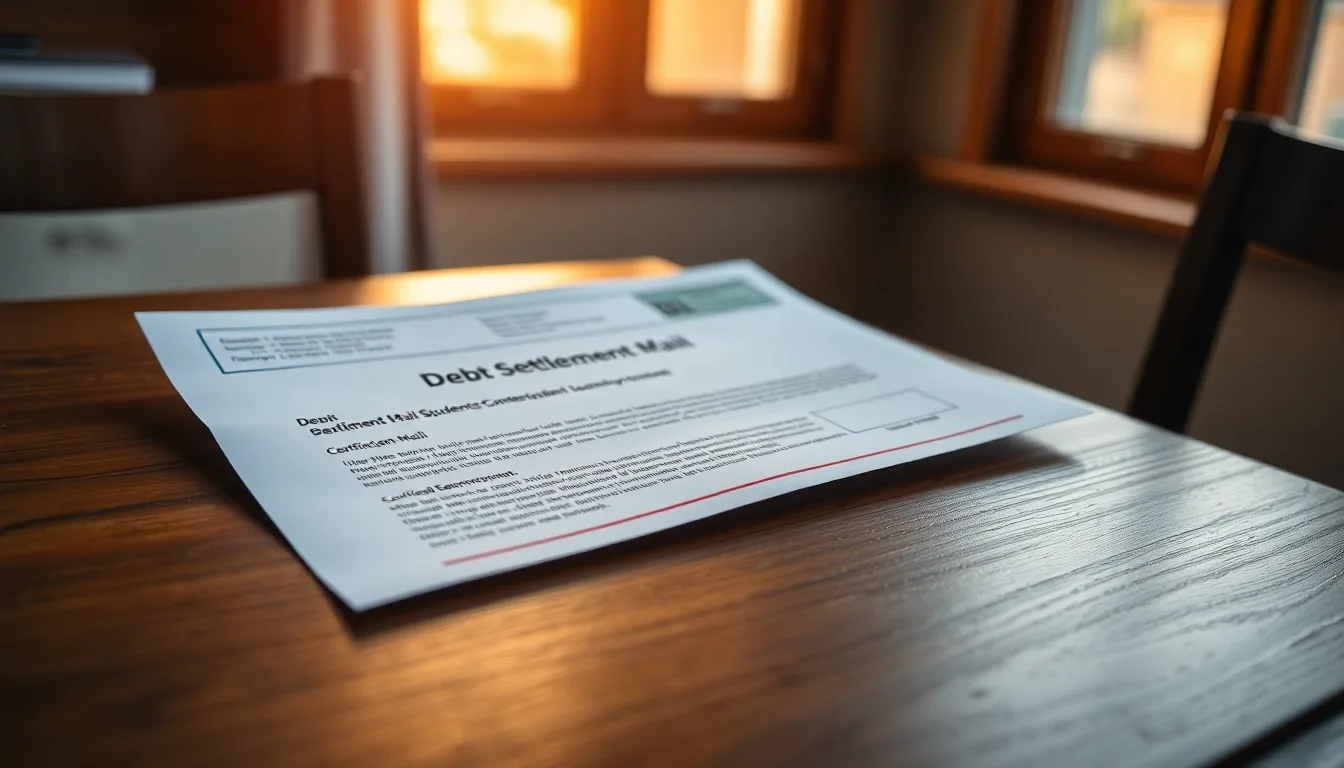
Scammers go where the anxiety is. Student loan forgiveness has been in the news a lot – changes to programs like Public Service Loan Forgiveness (PSLF) or Income-Driven Repayment (IDR) plans create confusion. Borrowers who are struggling to how to pay off student loans with low income are especially vulnerable because they're looking for any lifeline.
Scammers exploit that hope and urgency.
They also know that the student loan system can be confusing. Many people don't realize that free help is available from their loan servicer or the Department of Education. Scammers charge for services you could get for free.
The Emotional Hook of "Forgiveness"
Scammers often use words like "forgiven," "canceled," or "wiped out" to trigger an emotional response. They know that borrowers who have been paying for years may feel desperate. When you hear "you qualify for immediate forgiveness," your critical thinking can shut down.
A real-life example: In 2025, a scammer called a teacher in Ohio claiming she qualified for a special "Teacher Relief Program" that would forgive all her loans in 30 days. She paid $750 upfront and never heard from them again. The truth is that Teacher Loan Forgiveness requires five years of service, not an upfront fee.
How to Spot a Student Loan Scam: 5 Warning Signs
Here are the most common red flags. If a company does any of these, walk away.
1. They demand an upfront fee. It is illegal for debt relief companies to charge you before they settle or reduce your debt. The same applies to student loan help.
If someone asks for money before doing anything, it's a scam.
Why Upfront Fees Are a Clear Red Flag
The Telemarketing Sales Rule (TSR) prohibits charging fees before delivering results. Yet scammers still ask for "processing fees" of $500 to $2,000. They may call it an "application fee" or "document preparation fee."
In one case, a company called "Student Loan Relief Now" charged $1,200 per borrower to "enroll in a secret forgiveness program." That program never existed. The FTC shut them down, but many victims never got their money back.
2. They promise instant forgiveness or cancellation. No legitimate program can wipe out your loans overnight – except in very rare cases like total and permanent disability or school closure. Scammers often claim they can get your loans forgiven “immediately.”
What "Instant Forgiveness" Really Means
Real forgiveness programs take years. PSLF requires 120 qualifying payments, which is 10 years. IDR forgiveness takes 20 or 25 years.
Even disability discharge requires extensive documentation from a physician.
Scammers might say something like "Biden signed a new executive order – your loans are eligible for instant cancellation." They show fake letters that look like official government correspondence. The only way to know for sure is to check Studentaid.gov.
3. They pressure you to act fast. Scammers use urgency: “This offer expires today” or “New government program – call now!” Real government programs have open enrollment periods that are well-publicized – not secret deadlines.
How Urgency Tricks Even Smart Borrowers
Scammers create artificial scarcity. They might say "only 100 spots left" or "the deadline is midnight tonight." They want you to act without thinking. They may even call repeatedly, leaving urgent voicemails that sound official.
A common phrase in 2026 is "Your student loan forgiveness window closes in 24 hours. Call us to reserve your spot." That is never true. The Department of Education announces changes months in advance.
4. They ask for your FSA ID or other personal info. Your FSA ID (used to log in to StudentAid.gov) is the master key to your federal loans. Never share it with anyone.
Scammers might also ask for your Social Security number or bank account details.
Why Your FSA ID Is So Valuable
With your FSA ID, scammers can change your repayment plan, request a forbearance, or even consolidate your loans without your knowledge. They can also lock you out of your own account. In 2024, the Department of Education reported a spike in identity theft cases linked to stolen FSA IDs.
Never give your password to anyone, not even to a "loan counselor." Legitimate services never need your password because you can log in yourself and authorize actions. If a company insists on having your password, that is a scam.
5. They use official-sounding names. Names like “Student Loan Relief Center” or “Federal Student Aid Processing” sound real but are not. Check the FTC or your state attorney general's office to see if they've been warned about that company.
The Danger of Official-Sounding Names
Scammers often choose names that include words like "National," "Federal," "United States," or "Department." They may add the word "Processing" to sound governmental. A real example: "U.S. Student Loan Forgiveness Department" is not a government entity. The real agency is the U.S. Department of Education, which does not cold-call borrowers.
Always verify a company's identity by searching for it on the FTC's consumer alerts page. If you see multiple complaints, avoid that company.
Real vs. Fake: Examples of Legitimate and Scam Offers

Let's compare a legitimate offer vs. a scam:
| Legitimate | Scam |
|---|---|
| Your loan servicer contacts you about your IDR renewal deadline (no payment required). | A company calls and says “Your loans qualify for Biden forgiveness – pay $500 to process.” |
| You apply for PSLF through the official StudentAid.gov site. | A website that looks like StudentAid.gov but has a slightly different URL (e.g., studentaid-gov.net) charges you to apply. |
| A nonprofit offers free counseling about repayment options. | A for-profit company says they can “guarantee” loan forgiveness if you pay them monthly. |
If you're ever unsure, go to the official StudentAid.gov website and call their contact center. They will never charge you for help.
More Examples from 2026 Trends
In early 2026, a phishing email campaign used the subject line "Your Student Loan Relief Payment Has Been Approved." The email included a link to what looked like an official form asking for bank account details for a "direct deposit." The link led to a fake site that captured login credentials.
Another scam used robocalls that claimed your loans were in "default status" and you needed to pay $300 to "reinstate" them. Remember, only your servicer can confirm default status, and they will never demand payment over the phone with a gift card.
Common Student Loan Scam Tactics in 2026
Scammers are constantly refining their methods. Here are the top tactics to watch for this year.
Phishing texts pretending to be from your servicer. You receive a text saying "Your payment is due – click here to pay." The link goes to a fake portal that steals your credit card number. Always type your servicer's URL directly into your browser.
Robocalls offering "Biden's New Forgiveness Program." The message says "Press 1 to speak with an agent who can approve your loan cancellation." The agent then asks for a "one-time processing fee" of $400 to $800. That program does not exist.
Fake social media accounts. Scammers create profiles on Facebook, Instagram, or TikTok that look like the Department of Education. They post "limited-time forgiveness deals" and direct you to a link. Report and block these accounts immediately.
Email attachments with "your forgiveness approval." The attachment may contain malware that steals your FSA ID credentials. Never open attachments from unsolicited emails about your loans.
A Detailed Walkthrough of a 2026 Phishing Attack
Imagine you get a text that reads: "StudentAid.gov: Your loan forgiveness application is incomplete. Update your bank info now: [link]." The link goes to a page that looks exactly like the real login page. If you enter your FSA ID username and password, the scammer captures them within seconds.
Within minutes, the scammer logs into your real account, changes your contact email, and requests a forbearance. They then call you pretending to be from "Student Aid Security" and say your account was hacked, asking for your bank details to "secure" it. That is a second layer of the scam.
How Scammers Use Social Media and Phishing Emails
Social media platforms are fertile ground for student loan scams. Scammers create sponsored posts that look like public service announcements. They use official logos and wording like "New forgiveness program – apply now."
Phishing emails in 2026 are more sophisticated than ever. They often include your real name and partial loan details taken from data breaches. They may even reference a specific loan balance to seem credible.
Examples from Recent Cases
In one case, a scammer created a Facebook event called "Student Loan Forgiveness Webinar." The event description said "Learn how to get your loans canceled in 30 days." Attendees were asked to provide their FSA ID and pay a "small registration fee" of $49. The webinar was a recording, and the scammers used the personal data to file fraudulent forbearance requests.
Another tactic is using Instagram stories with countdown timers. "Only 3 hours left to claim your share of the $500 million student loan relief fund." The link leads to a fake form that asks for Social Security numbers and bank account routing numbers.
What to Do If You Think You've Been Targeted or Scammed
First, don't panic. If you gave out personal information, contact your loan servicer immediately to change your FSA ID password and set up fraud alerts. If you paid money, call your bank or credit card company to dispute the charge.
Next, report the scam. You can file a complaint with the FTC at ReportFraud.ftc.gov and with your state's attorney general. Also report it to the Federal Student Aid Ombudsman if the scam involved your federal loans.
Finally, learn from it. Many people who get scammed once get targeted again because scammers sell your information. Be extra vigilant about calls or emails offering “help” now.
Step-by-Step Recovery Plan
- Change your FSA ID password immediately. Use a strong, unique password you have never used elsewhere.
- Set up two-factor authentication on your FSA ID account to prevent unauthorized logins.
- Contact your loan servicer and ask them to place a fraud alert on your account. They can flag any new requests for changes.
- Check your credit reports at annualcreditreport.com. Look for new accounts or inquiries you did not authorize.
- Dispute charges with your bank or credit card issuer. The FTC says you have up to 60 days to dispute an unauthorized transaction.
- File identity theft affidavits with the FTC at identitytheft.gov if you suspect your Social Security number was compromised.
The Impact of Student Loan Scams on Your Credit Score
Student loan scams can damage your credit in several ways. If you pay a scammer instead of your actual servicer, your loan becomes delinquent. That delinquency is reported to the credit bureaus, dropping your score by 50 to 100 points or more.
Scammers may also apply for forbearance or deferment without your consent. While that does not directly hurt your score, it can lengthen your repayment term and increase total interest. Worse, they might consolidate your loans into a private loan you cannot afford, leading to missed payments.
Real-World Damage Example
A borrower in Arizona paid a scam company $2,000 to "lower her payments." The scammer never made a single payment to her servicer. Her loans went 90 days past due, and her credit score dropped from 720 to 580. It took her more than two years to rebuild that score.
Even if you do not lose money, sharing your FSA ID can allow scammers to take actions that affect your credit. They might apply for additional student loans in your name, which appear as new accounts on your credit report. Monitoring your credit regularly is essential.
How to Pay Off Student Loans with Low Income – Legitimate Ways
If you're earning low income, you have affordable options through the government. You don't need a shady company to help you.
- Income-Driven Repayment (IDR) plans: Your monthly payment is capped at 10-20% of your discretionary income. If your income is low enough, your payment can be $0. After 20-25 years, any remaining balance is forgiven (though you may owe taxes). Debt relief options like IDR are designed for people in your situation.
- Public Service Loan Forgiveness (PSLF): If you work for a government or nonprofit, make 120 qualifying payments under an IDR plan, and the rest of your loan is forgiven tax-free.
- Deferment or forbearance: You may be able to pause payments temporarily if you can't afford them. Interest may still accrue, so use these sparingly.
- Refinancing (be cautious): Private lenders may lower your interest rate, but you lose federal protections. Only consider this if you have a stable income and good credit.
No legitimate program charges a fee to apply. If a company asks for money to enroll you in IDR or PSLF, it's a scam.
How to Apply for IDR Plans Yourself
Applying for an IDR plan is free and takes about 15 minutes on StudentAid.gov. You need to provide income information and family size. The site will calculate your monthly payment and send it to your servicer automatically.
Scammers often charge $200 to $500 to "submit your IDR application." That is a pure scam because the application is simple and free. If you need help, call your servicer's customer service line – they will guide you without charging a penny.
How to Pay Off Student Loans Fast with Low Income – What Actually Works
Paying down debt quickly on a low income is tough, but there are strategies that don't involve scams.
- Make extra payments when you can: Even $10 or $20 extra per month can shorten your loan term. Target the loan with the highest interest rate first (the “avalanche” method).
- Use a side hustle or windfalls: Apply tax refunds, bonuses, or part-time gig income directly to your loans. Make sure any extra payment goes to the principal, not future interest.
- Consider debt consolidation only if it lowers your rate: Consolidation combines multiple loans into one payment. For federal loans, it's free but may not lower your interest rate. Private consolidation can save money if you qualify for a lower APR – but you lose federal protections.
- Ask your employer about student loan repayment assistance: Some companies now offer it as a benefit, thanks to the SECURE 2.0 Act. This could be free money toward your loans.
If you're overwhelmed, explore debt settlement as a last resort. But remember: settled debt may damage your credit, and forgiven amounts could be taxed. Scammers often push settlement aggressively, so only work with a reputable, non-profit credit counselor.
Realistic Expectations for Fast Payoff on Low Income
No legitimate strategy can make your loans disappear in months unless you have a huge windfall. If a company promises "pay off your loans in half the time without paying more," be skeptical. They might suggest you stop paying your loans to force a settlement – that will ruin your credit and may lead to wage garnishment.
Instead, focus on increasing your income through a side gig like tutoring, ridesharing, or freelance work. Even an extra $100 per week can make a significant difference when applied directly to principal. Track your progress using a budgeting app to stay motivated.
The Difference Between Legitimate Debt Relief and Scams
Legitimate debt relief companies help you negotiate with creditors, but they're heavily regulated. Under the FTC's Telemarketing Sales Rule, they cannot charge upfront fees. They must be transparent about what they will do and how long it will take.
Most reputable companies are non-profit credit counseling agencies like the National Foundation for Credit Counseling (NFCC).
Scam companies, on the other hand, promise the moon and vanish. They won't tell you that a lot of what they do is something you can do yourself for free. They might even miss your loan payments on purpose to make you think they're working – but that hurts your credit.
Always check a company's credentials with the Better Business Bureau or your state's attorney general. And remember: you can always get free help from your loan servicer.
How to Verify a Debt Relief Company
- Search for the company on the FTC's consumer alerts page. Look for any legal actions or warnings.
- Check with the Better Business Bureau for accreditation and complaint history. But note that scammers can have good BBB ratings, so use other sources too.
- Call your state attorney general's office to see if there are complaints against the company.
- Ask for a written contract that outlines exactly what services will be performed and the total cost. Legitimate companies provide this without hesitation.
- Confirm they are a nonprofit by searching the IRS tax-exempt organization database. Many scams pose as "nonprofits" but are actually for-profit entities.
Real Student Loan Forgiveness Programs vs. Fake Ones
The only real forgiveness programs for federal student loans are:
- Public Service Loan Forgiveness (PSLF)
- Teacher Loan Forgiveness
- Total and Permanent Disability Discharge
- Closed School Discharge
- Borrower Defense to Repayment (for schools that misled you)
- Income-Driven Repayment (IDR) forgiveness after 20-25 years
Scammers often make up fake programs like “Coronavirus College Debt Forgiveness” or “New Biden Loan Cancellation” that they claim is separate from the official one. Or they say they can “expedite” forgiveness for a fee. In reality, no one can speed up PSLF – it's based on time and qualifying payments.
For more on legitimate strategies, check our guide on debt relief options.
How to Verify a Forgiveness Program
Before applying for any forgiveness program, go directly to StudentAid.gov and search for the program name. If it is not listed on that site, it does not exist. The Department of Education maintains a list of all official forgiveness and discharge options.
Scammers may tell you that a new program is "not yet listed because it was just signed." That is a lie. Any new federal program is announced on StudentAid.gov and through official press releases. If you cannot find it there, do not proceed.
Legitimate Resources for Free Student Loan Help
You never need to pay for help with student loans. Many free resources are available, both government and nonprofit.
- Your loan servicer: The company that handles your billing can help you choose a repayment plan, apply for deferment, and understand your options. Their services are free.
- Federal Student Aid (FSA) Contact Center: Call 1-800-4-FED-AID for questions about any federal student loan program.
- National Foundation for Credit Counseling (NFCC): Find a certified counselor at nfcc.org for free or low-cost advice on managing debt.
- Student Loan Borrower Assistance Project: A nonprofit that provides information and resources at studentloanborrowerassistance.org.
- The Institute of Student Loan Advisors (TISLA): Offers free advice and a "scam check" service at freestudentloanadvice.org.
All of these resources will never ask for an upfront fee or your FSA ID password. If you are unsure where to start, call the FSA contact center first.
How to Report a Student Loan Scam
Reporting helps prevent others from falling victim. Here's where to report:
- Federal Trade Commission (FTC): ReportFraud.ftc.gov
- Consumer Financial Protection Bureau (CFPB): consumerfinance.gov/complaint
- Federal Student Aid Ombudsman: 1-877-557-2575
- Your state attorney general: naag.org/find-my-attorney-general
Also tell your loan servicer and your bank if you shared financial details.
Why Reporting Matters
Every report helps law enforcement build cases against scammers. The FTC uses consumer reports to identify patterns and launch investigations. In 2025, the FTC used consumer complaints to shut down a network of 12 fake debt relief companies that stole over $8 million.
Even if you think your report won't lead to anything, it might help someone else. Your small detail could be the piece that connects multiple reports into a larger case. Additionally, reporting can help you get official documentation that you were a victim, which may be useful for credit repair later.
Protecting Yourself Going Forward
You can avoid most scams with simple habits:
- Never give out your FSA ID password.
- Ignore unsolicited calls, emails, or texts about your loans.
- Go directly to StudentAid.gov or your servicer's website – don't click links in messages.
- Set up two-factor authentication on your FSA ID account.
- Monitor your credit reports – everyone can get free weekly reports at annualcreditreport.com.
Stay informed about real program changes. Sign up for official email updates from the Department of Education. That way, you'll know what's real before a scammer tells you about it.
Creating a Personal Scam-Proof Routine
Make it a habit to log into your loan servicer's website at least once a month to check your account activity. Look for any changes you did not authorize, such as a new repayment plan or a forbearance request. The sooner you catch fraud, the easier it is to fix.
Consider using a password manager to generate and store strong, unique passwords for your financial accounts. Never reuse passwords between your FSA ID and other websites. A data breach at a shopping site should not expose your student loan account.
Key Takeaways
- Never pay upfront for student loan help – it's illegal and a sure sign of a scam.
- Legitimate forgiveness and repayment options are free through StudentAid.gov.
- Scammers use urgency, official-sounding names, and promises of immediate relief to trick you.
- If you're targeted, report it to the FTC and your state attorney general.
- For low-income borrowers, IDR plans and PSLF provide manageable payments – no scam company needed.
Frequently asked questions
Are there any legitimate companies that help with student loans?
Can a scam company steal my loan payments?
What should I do if I already paid a scammer?
Is it safe to use a private student loan refinance company?
How do I know if a student loan forgiveness email is real?
This article is for general informational purposes only and does not constitute financial, legal or credit-repair advice. Always consult a qualified financial advisor or credit counselor about your specific circumstances.

Written & reviewed by
Can OTUEditor
Can OTU is the editor of this site, curating and reviewing every guide for accuracy and clarity.
View all guides →