How Do You Get a Loan to Pay Off Credit Cards?
- Personal loans typically offer fixed rates from 6% to 36% APR, with loan amounts from $1,000 to $50,000.
- Balance transfer cards often have 0% intro APR for 12–21 months but require good credit.
- Home equity loans can give lower rates but put your home at risk.
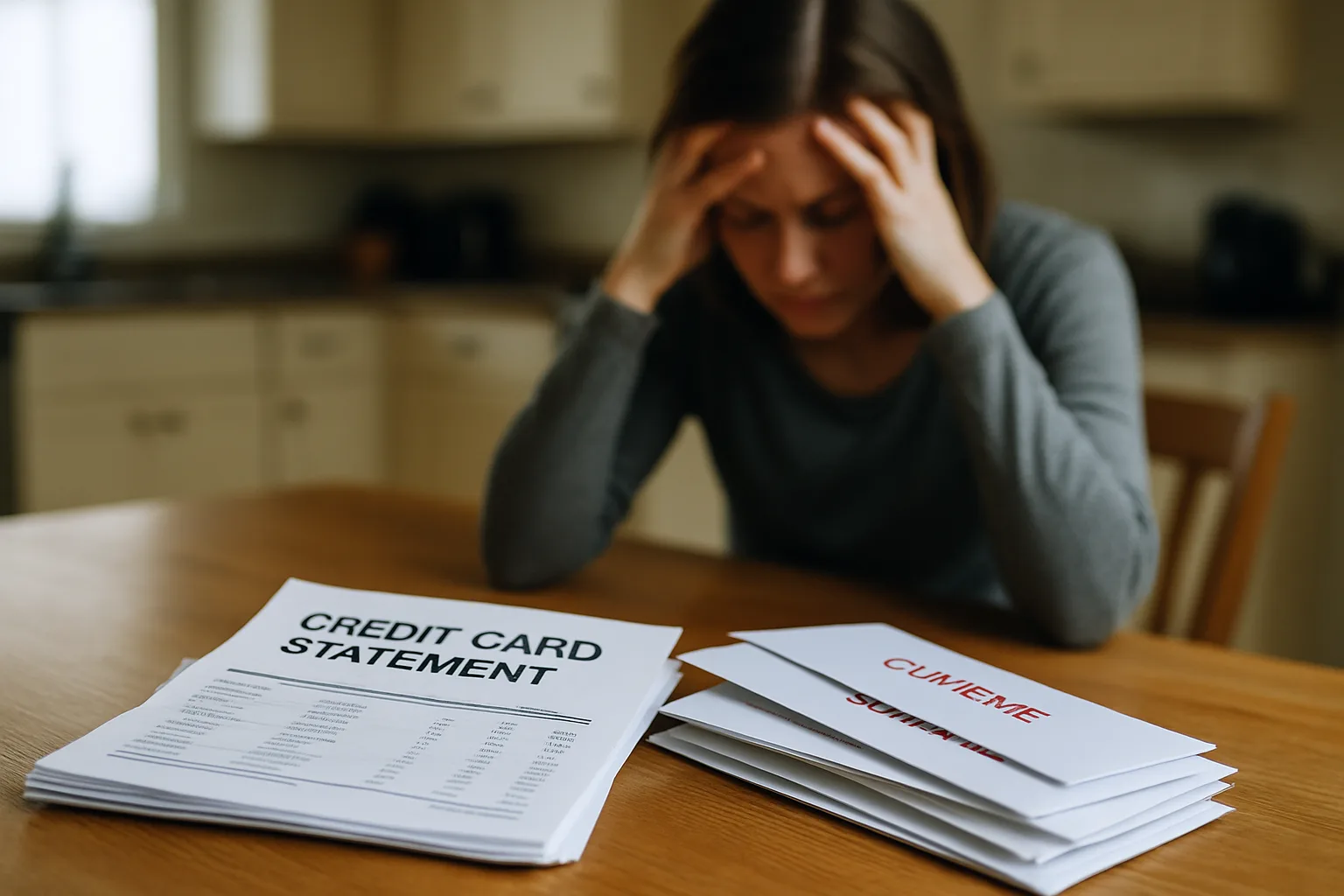
If you're looking for how to get a loan to pay off credit cards, you're not alone. Many people find themselves juggling multiple credit card payments with high interest rates, and a consolidation loan can simplify things into one monthly payment. But not all loans are created equal, and the right choice depends on your credit score, debt amount, and financial habits.
In this guide, we'll walk through the main options, what they cost, how to qualify, and what to watch out for. We'll also cover how to pay off credit cards fast without a loan, so you can compare all your options. Remember, this is general information, not financial advice — always check with a qualified professional before making big decisions.
What Is a Debt Consolidation Loan?
A debt consolidation loan is a personal loan you use to pay off multiple credit cards or other debts. Instead of making several payments each month, you make one payment to the loan lender. Ideally, the loan has a lower interest rate than your credit cards, saving you money over time.
But there's a catch: you need decent credit to qualify for the best rates. If your credit score is below 600, you might face high rates or struggle to get approved. And if you don't address the spending habits that led to the debt, you could end up with both the loan and new credit card balances.
How Does a Debt Consolidation Loan Work in Practice?
Imagine you have three credit cards with balances of $2,000, $3,500, and $4,500, each with APRs around 22%. Your total debt is $10,000, and you're making minimum payments of about $250 per month across all cards. With a consolidation loan at 10% APR over 3 years, your monthly payment becomes roughly $323, and you'll pay off the debt in exactly 36 months.
Without consolidation, if you only made minimum payments, it could take over 10 years and cost thousands more in interest. The loan gives you a clear end date and a fixed payment that doesn't change.
How Much Does a Debt Consolidation Loan Cost?
Costs vary widely based on your credit, loan amount, and lender. Here's a rough idea of what you might expect, depending on your situation. These are illustrative ranges, not guarantees.
| Credit Profile | Typical APR Range | Origination Fee | Monthly Payment (per $10,000 over 3 years) |
|---|---|---|---|
| Excellent (720+) | 6% – 12% | 0% – 3% | $304 – $332 |
| Good (680–719) | 10% – 18% | 0% – 5% | $323 – $362 |
| Fair (620–679) | 15% – 28% | 3% – 8% | $347 – $412 |
| Poor (below 620) | 20% – 36% | 5% – 10% | $372 – $457 |
As you can see, the interest rate makes a big difference. If you have fair or poor credit, the loan might not save you much compared to your credit cards. In that case, you might want to explore how to pay off credit card debt without a loan first.
Hidden Costs to Watch For
Origination fees are deducted from your loan amount before you receive the funds. For example, a 5% origination fee on a $10,000 loan means you only get $9,500, but you still owe $10,000 plus interest. Some lenders also charge late payment fees, which can be $25 to $40 per missed payment.
Prepayment penalties are less common now but still exist with some lenders. Always read the loan agreement carefully before signing, and ask about any fees that aren't clearly listed.
What Are the Main Types of Loans to Pay Off Credit Cards?
Personal Loans
Personal loans are the most common way to consolidate credit card debt. They're unsecured, meaning you don't need collateral. Lenders like SoFi, LightStream, and LendingClub offer amounts from $1,000 to $50,000, with repayment terms of 2 to 7 years.
You apply online, get a decision quickly, and if approved, the lender sends you the money. You then use it to pay off your cards. The benefit is a fixed monthly payment and a set end date.
Balance Transfer Credit Cards
A balance transfer card lets you move existing credit card balances to a new card with a 0% intro APR for 12 to 21 months. This can be a great way to pay off credit cards fast without interest, as long as you pay off the balance before the promo period ends.
But there's a fee — usually 3% to 5% of the amount transferred. And you need good to excellent credit to qualify. If you miss a payment or don't pay off the balance in time, the remaining balance will accrue interest at the regular rate, which could be high.
Home Equity Loans or HELOCs
If you own a home, you might tap into your equity with a home equity loan or home equity line of credit (HELOC). These often have lower interest rates than personal loans because they're secured by your home. But that's also the risk: if you fall behind, you could lose your house.
These are best for people with stable income and a solid plan to repay. They're not a quick fix for how to pay off credit cards quickly if you're already struggling.
How Do I Qualify for a Debt Consolidation Loan?
Lenders look at several factors to decide whether to approve you and at what rate:
- Credit score: The higher your score, the better your chances and rates. A score of 670 or above is generally considered good.
- Debt-to-income ratio (DTI): This is your monthly debt payments divided by your gross monthly income. Lenders typically want a DTI below 36% (excluding mortgage) or 50% including it.
- Income: You need to show you have enough income to cover the new loan payment plus your other expenses.
- Employment history: Stable employment (2+ years with the same employer) is a plus.
If you don't meet these criteria, you might still get a loan but with higher rates. Or you could look into alternatives like credit counseling or a debt management plan.
How to Improve Your Chances of Approval
If your credit score is below 670, consider paying down some debt first to lower your DTI. You can also add a co-signer with good credit to your application, which may help you qualify for better terms. Another option is to wait a few months while you make on-time payments on your current cards to boost your score.
Some lenders, like Upstart, consider factors beyond credit scores, such as your education and job history. This can be helpful if you have a thin credit file but a strong income.
How to Get a Loan to Pay Off Credit Cards: Step by Step
Here's a practical process if you decide to go the loan route:
- Check your credit score and report. You can get free reports from AnnualCreditReport.com. Make sure there are no errors that could hurt your score.
- Calculate your total debt and target payment. Add up what you owe on all cards. Decide on a loan amount that covers that, plus any fees.
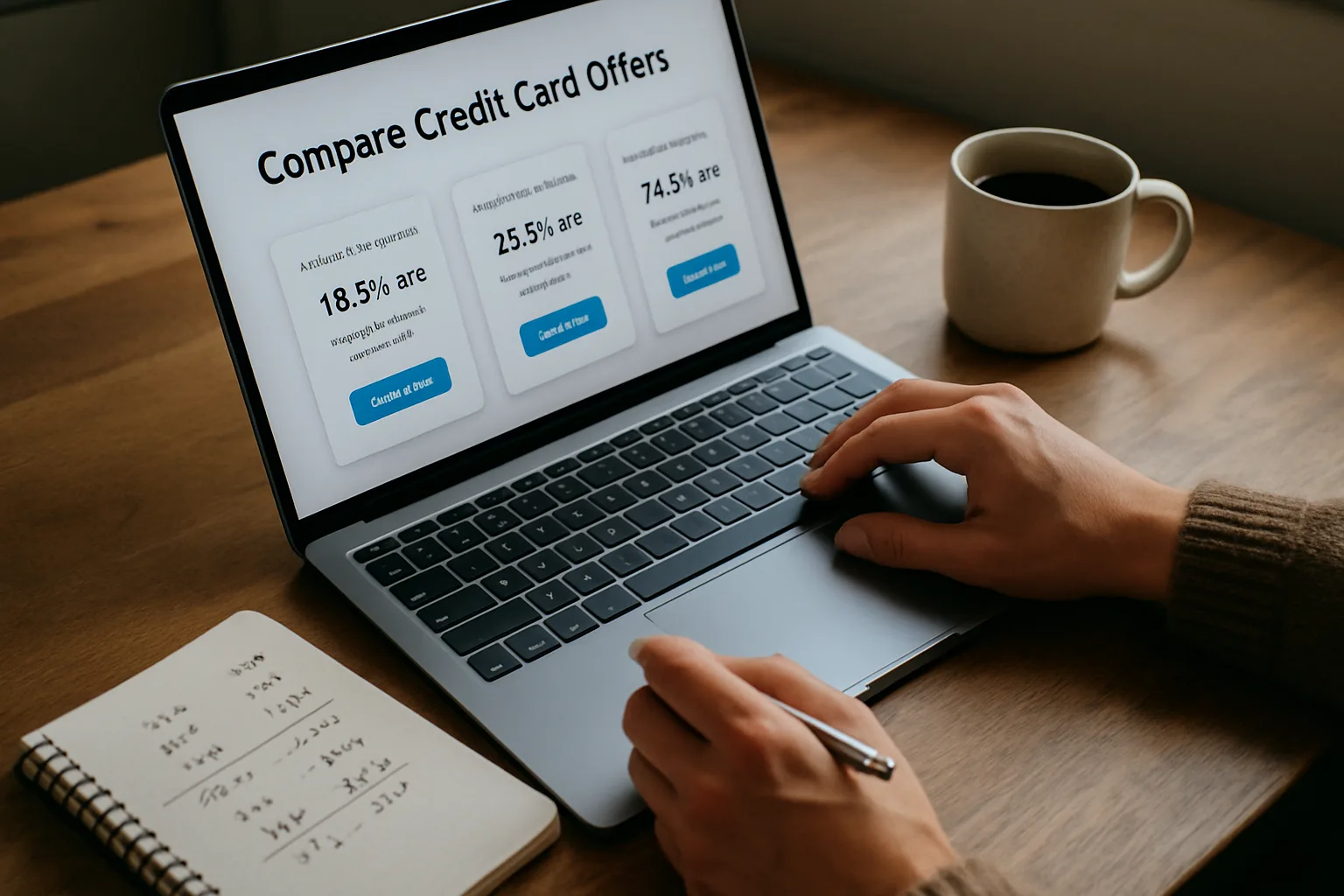
- Shop around with multiple lenders. Use prequalification tools that do a soft credit check. Compare APRs, fees, and terms from at least 3–5 lenders.
- Choose the best offer and apply. Once you pick a loan, complete the full application, which will involve a hard credit inquiry.
- Use the funds to pay off your cards. As soon as the loan funds hit your account, pay off each credit card balance. Don't spend the money on anything else.
- Make your loan payments on time. Set up autopay to avoid late fees and protect your credit.
And most importantly: stop using your credit cards while you're paying off the loan. Otherwise, you'll just end up with more debt.
What to Do After You Pay Off Your Cards
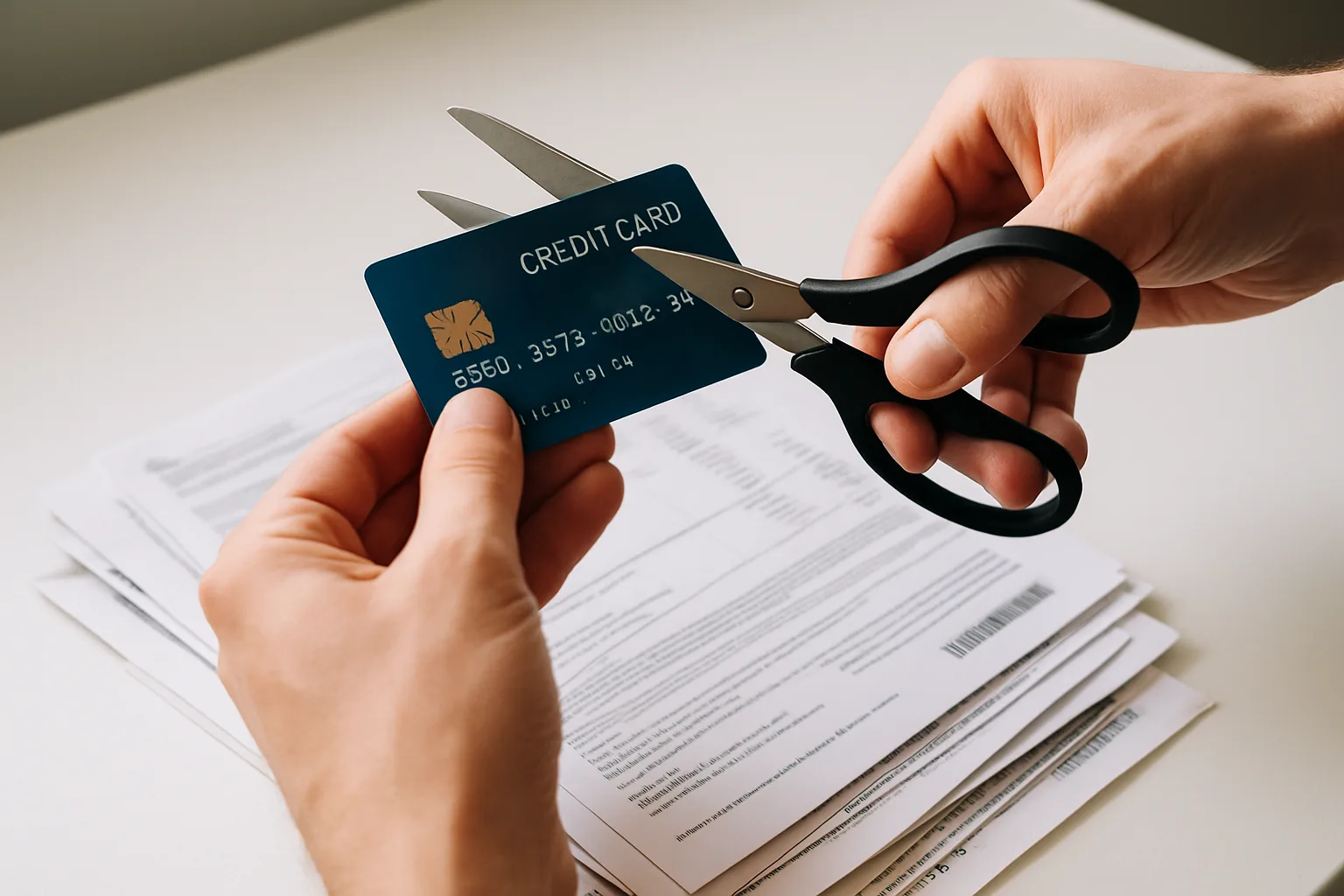
Once you've used the loan to clear your credit card balances, consider freezing or cutting up the cards to avoid temptation. If you keep them open, set a small recurring bill on one card and pay it off in full each month to keep the account active. This helps your credit utilization ratio stay low.
Also, track your spending for the first few months to ensure you're not slipping back into old habits. A simple budgeting app can help you stay on course.
How Can I Pay Off Credit Cards Faster Without a Loan?
If you can't get a loan or don't want one, there are other ways to pay down debt faster. Here are some strategies for how to pay off credit cards fast without borrowing:
The Debt Snowball or Avalanche Method
These are two popular ways to prioritize which card to pay off first. With the debt snowball, you pay off the smallest balance first, then roll that payment to the next smallest. It's motivating because you see progress quickly.
With the debt avalanche, you target the card with the highest interest rate first, saving you the most money in the long run.
You can learn more about the differences in our guide on debt snowball vs avalanche.
Credit Counseling and Debt Management Plans
Nonprofit credit counseling agencies can help you create a budget and may enroll you in a debt management plan (DMP). With a DMP, the agency negotiates with your creditors to lower interest rates and fees, and you make one monthly payment to the agency. This can help you pay off credit cards faster without a loan.
Look for agencies accredited by the National Foundation for Credit Counseling (NFCC) or the Financial Counseling Association of America (FCAA).
Balance Transfer Card (No Loan)
As mentioned, a balance transfer card is not a loan but can help you pay off credit cards quickly if you transfer a balance to a 0% APR card. Just watch out for the transfer fee and make sure you can pay off the balance before the intro period ends.
Increase Your Income or Cut Expenses
Sometimes the fastest way to pay off debt is to earn more or spend less. Consider a side gig, selling unused items, or cutting non-essential expenses like subscription services. Every extra dollar you put toward your debt speeds things up.
What Are the Risks of Getting a Loan to Pay Off Credit Cards?
Consolidation loans aren't risk-free. Here's what to watch for:
- You might not save money. If your credit is poor, the loan's interest rate could be as high as your credit cards, or even higher.
- Fees add up. Origination fees (1–8% of the loan amount) and prepayment penalties can eat into your savings.
- You could rack up new debt. If you don't close or stop using your credit cards, you might end up with both the loan and new card balances.
- Credit score impact. Applying for a loan causes a hard inquiry, which can temporarily lower your score. And closing old credit cards can hurt your credit utilization ratio.
- Secured loans put assets at risk. If you use a home equity loan and can't pay, you could lose your home.
How to Mitigate These Risks
To avoid racking up new debt, create a strict budget that accounts for your loan payment and essential expenses only. Consider using cash or a debit card for all purchases during the repayment period. If you're worried about spending, freeze your credit cards in a container of water in the freezer so you can't use them impulsively.
For secured loans, always have an emergency fund of at least three months of expenses to cover your payments if you lose your job. This reduces the risk of foreclosure or repossession.
How Long Does It Take to Pay Off Credit Cards with a Loan?
Most personal loans have terms of 2 to 5 years, though some go up to 7 years. A balance transfer card's 0% period typically lasts 12 to 21 months. The actual time depends on your loan amount, interest rate, and monthly payment.
For example, if you borrow $10,000 at 10% APR over 3 years, your monthly payment is about $323, and you'll pay off the debt in 3 years. If you choose a 5-year term, the payment drops to $212, but you'll pay more interest overall.
If you want to pay off credit cards faster, you can always make extra payments toward the principal, as long as your loan has no prepayment penalty.
Comparing Loan Terms: Short vs. Long
A shorter term means higher monthly payments but less total interest paid. For a $10,000 loan at 10% APR, a 2-year term costs about $461 per month and $1,066 in total interest, while a 5-year term costs $212 per month and $2,748 in total interest. Choose a term that fits your budget without stretching your finances too thin.
If you can afford the higher payment, the shorter term is almost always better because you become debt-free sooner. Just make sure you have room in your budget for unexpected expenses.
How Does a Loan Affect Your Credit Score?
Getting a loan can affect your credit in several ways:
- Hard inquiry: When you apply, the lender does a hard pull, which can lower your score by a few points temporarily.
- Credit mix: Adding an installment loan (like a personal loan) to your credit mix can improve your score over time, especially if you only had credit cards before.
- Credit utilization: Paying off credit cards lowers your utilization ratio, which can boost your score.
- Payment history: Making on-time payments on the loan helps your score. Missing payments hurts it.
So in the long run, a consolidation loan can improve your credit if you manage it well. But in the short term, you might see a small dip.
How Long Does the Credit Score Impact Last?
The hard inquiry typically affects your score for about 12 months, though it stays on your report for 2 years. The positive effects of lower utilization and a new installment loan can appear within 1 to 3 months after you pay off the cards. As long as you make all loan payments on time, your score should recover and improve within a year.
If you close your old credit cards after paying them off, your utilization ratio may spike because your total available credit drops. This can temporarily lower your score, so keeping the cards open (but unused) is usually better.
What If I Can't Get a Loan?
If your credit or income prevents you from getting a loan, you still have options. Here are some ways to handle credit card debt without a loan:
- Debt management plan through a nonprofit credit counselor.
- Debt settlement — but be cautious: this can damage your credit and you may owe taxes on forgiven debt.
- Bankruptcy — a last resort that can discharge credit card debt but stays on your credit report for 7–10 years.
- Ask for hardship help from your credit card issuers. Some have programs that lower interest rates or waive fees temporarily.
For a deeper look at these strategies, check out our guide on how to get out of credit card debt.
When to Consider Debt Settlement
Debt settlement involves negotiating with creditors to pay a lump sum that's less than what you owe. This can reduce your debt by 30% to 50%, but it severely damages your credit score and you may owe taxes on the forgiven amount. Only consider this if you're already behind on payments and can't see another way out.
Be wary of for-profit debt settlement companies that charge high upfront fees. The Federal Trade Commission warns that many of these companies deliver poor results. Always research any company thoroughly before signing up.
Is a Debt Consolidation Loan Worth It?
It depends on your situation. A loan is worth it if:
- You can qualify for a lower interest rate than your current cards.
- You have a stable income and can afford the monthly payment.
- You're committed to not running up new credit card debt.
It's not worth it if:
- Your credit is poor and you'd get a high rate.
- You're not sure you can make the payments.
- You haven't addressed the spending habits that caused the debt.
If you're unsure, talk to a nonprofit credit counselor. They can help you review your options without pressure.
How to Decide with a Simple Calculation
Add up the total interest you'll pay on your current cards if you continue making minimum payments. Then calculate the total interest on the loan, including fees. If the loan saves you at least $500 in interest and you can comfortably make the payments, it's likely worth pursuing.
For example, $10,000 in credit card debt at 22% APR with minimum payments (2% of balance) would take about 20 years and cost over $15,000 in interest. A 3-year loan at 10% APR with no fees would cost about $1,616 in interest, saving you over $13,000. That's a clear win.
How to Choose the Right Lender
If you decide to go ahead, here's what to look for in a lender:
- APR: Compare the annual percentage rate, which includes interest and fees. Lower is better.
- Origination fee: Some lenders charge 1–8% of the loan amount. Others charge nothing.
- Prepayment penalty: Avoid lenders that charge a fee for paying off the loan early.
- Loan term: Choose a term that gives you a manageable monthly payment but doesn't stretch too long.
- Customer reviews: Check the Better Business Bureau and Trustpilot for complaints.
Some well-known lenders include SoFi, LightStream, LendingClub, Prosper, and Upstart. But always shop around.
How to Compare Loan Offers Effectively
Use a loan comparison calculator to see the total cost of each offer, not just the monthly payment. A lower monthly payment might mean a longer term and more interest paid overall. Also, look at the lender's funding speed — some deposit funds within 1 business day, while others take a week.
Read the fine print for any clauses about automatic payments or late fees. Some lenders offer a small rate discount (like 0.25% off) if you set up autopay, which can save you a bit over time.
Can I Use a Loan to Pay Off Credit Cards and Then Close the Cards?
You can, but it's not always the best move. Closing credit cards can hurt your credit score by increasing your credit utilization ratio (the amount of credit you're using compared to your total available credit). It also shortens your credit history, which can lower your score.
A better approach: pay off the cards and keep them open but don't use them. That way, you maintain your available credit and keep your credit history intact. If you're worried about temptation, cut up the cards or freeze them in a block of ice (seriously).
What If a Card Has an Annual Fee?
If a credit card charges an annual fee and you no longer use it, consider downgrading to a no-fee version instead of closing it. Many issuers allow you to switch products without closing the account. This keeps the credit line open and your credit history intact while avoiding the fee.
If downgrading isn't possible, weigh the fee against the credit score impact. A $95 annual fee might be worth paying for a year or two to preserve your credit history, especially if the card is one of your oldest accounts.
What About Debt Consolidation Companies?
There are companies that offer debt consolidation services, but be careful. Some are legitimate, but others charge high fees or are outright scams. Look for companies that are transparent about fees and have good reviews.
Better yet, work directly with a lender or a nonprofit credit counselor.
The Federal Trade Commission warns against companies that promise to settle your debt for pennies on the dollar or charge fees before they do anything. Always read the fine print.
Red Flags to Avoid
Avoid any company that guarantees they can remove accurate negative information from your credit report. This is illegal under the Fair Credit Reporting Act. Also, steer clear of companies that ask for payment before providing any service, as legitimate companies typically charge after they deliver results.
If a company pressures you to sign up immediately or claims they have a "special relationship" with creditors, walk away. Legitimate debt relief companies will give you time to think and review all documents.
How to Pay Off Credit Cards Fast: A Summary
Whether you use a loan or not, the key to paying off credit cards fast is to have a plan and stick to it. Here's a quick recap of the fastest methods:
- Balance transfer card — if you can pay off the balance within the 0% intro period.
- Debt snowball or avalanche — systematic payoff without a loan.
- Debt consolidation loan — if you qualify for a lower rate.
- Increase income — use extra money to make larger payments.
For a complete guide, see our article on how to pay off credit card debt.
Tracking Your Progress
Use a debt payoff tracker app or a simple spreadsheet to monitor your balances each month. Seeing the number shrink can keep you motivated, especially during the middle months when progress feels slow. Celebrate small milestones, like paying off 25% of your debt, to stay encouraged.
Remember that paying off debt is a marathon, not a sprint. Even if you choose a loan, it will take time and discipline to become debt-free. But every payment brings you closer to financial freedom.
Key takeaways
- A debt consolidation loan can simplify payments and save money if you qualify for a lower interest rate.
- Balance transfer cards offer 0% intro APR but require good credit and discipline to pay off before the promo ends.
- Home equity loans have lower rates but put your home at risk — use with caution.
- If you can't get a loan, consider credit counseling, debt management plans, or the debt snowball/avalanche methods.
- Always shop around for the best rates and terms, and avoid lenders with high fees or bad reviews.
- This article is for informational purposes only and does not constitute financial advice.
Frequently asked questions
What credit score do I need for a debt consolidation loan?
Can I get a debt consolidation loan if I'm unemployed?
How much can I borrow to pay off credit cards?
Will a debt consolidation loan hurt my credit score?
What's the difference between a debt consolidation loan and a debt management plan?
This article is for general informational purposes only and does not constitute financial, legal or credit-repair advice. Always consult a qualified financial advisor or credit counselor about your specific circumstances.

Written & reviewed by
Can OTUEditor
Can OTU is the editor of this site, curating and reviewing every guide for accuracy and clarity.
View all guides →