How Does a Balance Transfer Credit Card Work?
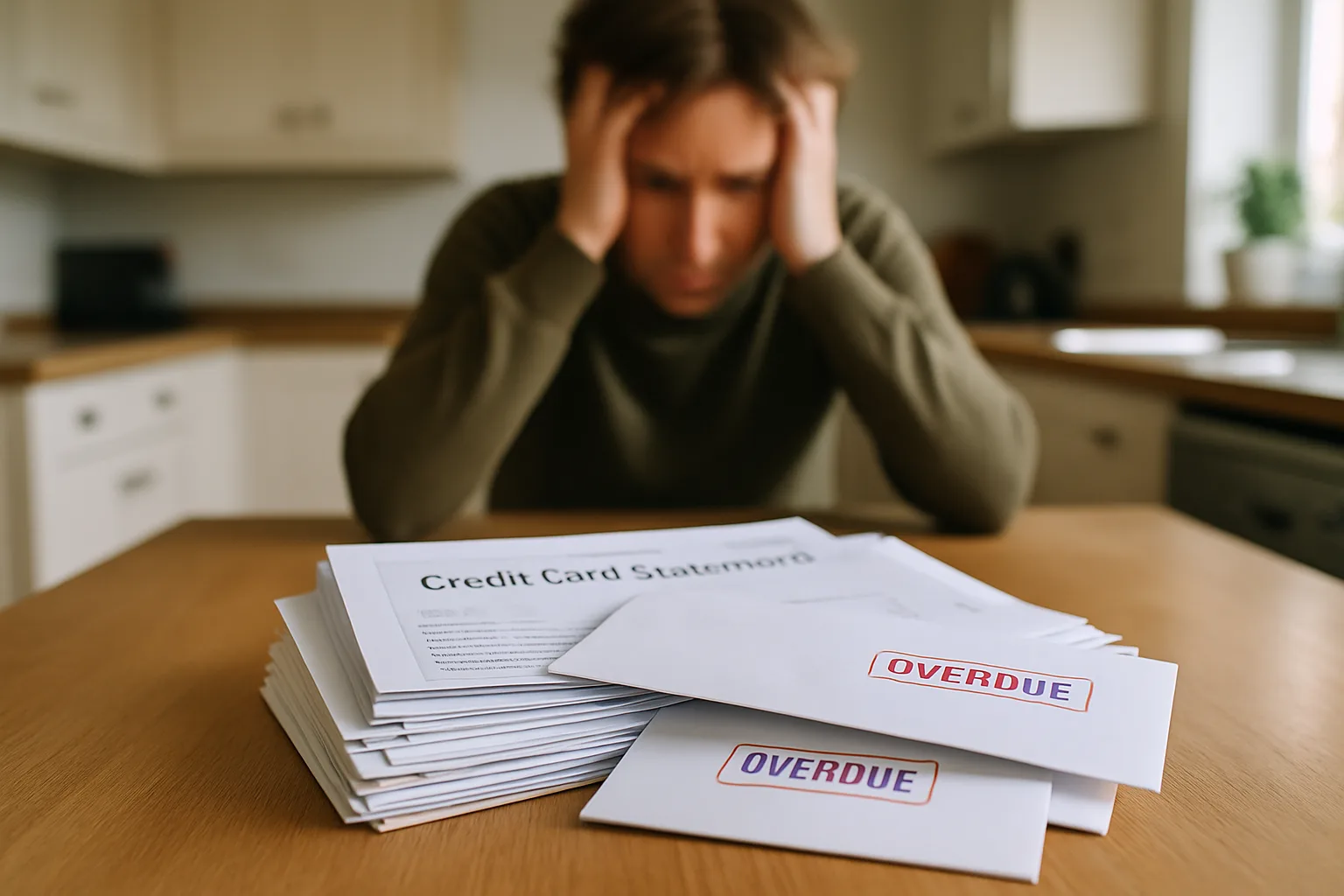
- You transfer a balance from one or more cards to a new card with a 0% intro APR.
- You pay a transfer fee (usually 3–5% of the amount transferred).
- You must pay off the full balance before the intro period ends to avoid retroactive interest.
If you're carrying credit card debt month to month, you know how quickly interest charges can pile up. At an average APR of 20–25%, even a modest balance can feel impossible to shrink. That's where a balance transfer credit card comes in — it can be a powerful tool to how to pay off credit card debt faster and with less cost.
In this guide, we'll walk through exactly how balance transfers work, what to watch out for, and how to use one effectively. This is general information, not financial advice — your situation is unique, so consider talking to a nonprofit credit counselor if you're unsure.
By the end, you'll know whether a balance transfer is right for you and how to make it part of a larger plan to how to get out of credit card debt for good.
What Is a Balance Transfer Credit Card?
A balance transfer credit card is a card designed specifically to let you move existing debt from other credit cards (and sometimes store cards or personal loans) onto it. The main draw: a 0% intro APR on transfers for a limited time — often 12 to 21 months.
During that intro period, you pay zero interest on the transferred balance. That means every payment you make reduces your principal directly. No interest charges eating away at your progress.
After the intro period ends, the card's regular APR kicks in — typically in the 15–25% range. If you still have a balance at that point, interest starts accruing on whatever's left.
How Balance Transfer Cards Differ From Regular Credit Cards
Regular credit cards rarely offer 0% APR on transferred balances. They focus on purchases or rewards instead. Balance transfer cards prioritize debt relief over perks.
Some cards combine both features, offering 0% intro APR on transfers and purchases. But you must read the terms carefully to avoid confusion.
For example, a card might offer 0% on transfers for 18 months but only 0% on purchases for 12 months. Mixing them up can lead to unexpected interest charges.
How Does a Balance Transfer Work Step by Step?

Let's break it down into simple steps so you know exactly what to expect.
Step 1: Find a Card That Fits Your Situation
Not all balance transfer cards are the same. Look for one with a long 0% intro period (15–21 months is ideal) and a low transfer fee (3% is common; some cards charge 5%).
You'll also need good to excellent credit (usually a FICO score of 690 or higher) to qualify for the best offers. If your credit is lower, you might still get approved but with a shorter intro period or a higher ongoing APR.
For instance, someone with a 720 score might get a 21-month 0% offer with a 3% fee. Someone with a 660 score might only qualify for a 12-month offer with a 5% fee.
Step 2: Apply and Get Approved
When you apply, the card issuer will check your credit. A hard inquiry will temporarily lower your score by a few points. If approved, you'll receive a credit limit — that's the total amount you can transfer.
Make sure the limit is high enough to cover the debt you want to move. If it's not, you may need to transfer only part of your debt or look for another card.
Say you have $8,000 in debt but only get a $6,000 limit. You can transfer $6,000 and pay off the remaining $2,000 separately.
Step 3: Initiate the Transfer
Once you have the card, you can start the transfer. You'll need the account numbers and balances of the cards you want to pay off. You can usually do this online during the application process or after you're approved.
The card issuer will send the transfer amount directly to your other card companies. That debt is now moved to your new card.
For example, you might transfer $5,000 from a Visa and $3,000 from a store card. The issuer pays both, and you now owe $8,000 on the new card.
Step 4: Pay the Transfer Fee
Most cards charge a fee for each transfer — typically 3% to 5% of the amount. So if you transfer $10,000, you'll owe an extra $300 to $500. This fee is added to your balance immediately.
Some cards waive the fee for transfers made within a certain window (like the first 60 days). Read the fine print.
If you transfer $10,000 with a 3% fee, your new balance is $10,300. You need to pay that full amount to get to zero.
Step 5: Pay Off the Balance Before the Intro Period Ends
This is the most important step. You have a set number of months with 0% APR. Your goal is to pay off the entire transferred balance before that time runs out.
Divide your total balance (including the fee) by the number of months in the intro period. That's your minimum monthly payment to hit zero on time. If you can pay more, even better.
For $10,300 over 18 months, you need to pay about $572 per month. If you can pay $600, you'll finish early and have a cushion.
What Are the Costs and Fees?
Balance transfers aren't free. Here are the main costs to know:
- Transfer fee: 3–5% of the amount transferred. On $5,000, that's $150–$250.
- Annual fee: Some cards charge an annual fee (often $0–$95). Factor this into your savings calculation.
- Penalty APR: If you miss a payment, the issuer may revoke your 0% intro rate and apply a penalty APR (often 29.99% or higher).
- Regular APR after intro period: Typically 15–25% — so you want to avoid carrying a balance past the intro period.
Hidden Costs You Might Overlook
Some cards charge a fee for balance transfers made by phone or check. Online transfers are usually free of extra charges.
Late payment fees can also add up quickly. A single missed payment might cost $30–$40, plus the loss of your intro rate.
For example, if you miss one payment on a $10,000 balance, you could lose the 0% rate and start accruing 22% interest immediately. That mistake could cost hundreds in interest.
How Much Money Can a Balance Transfer Save You?
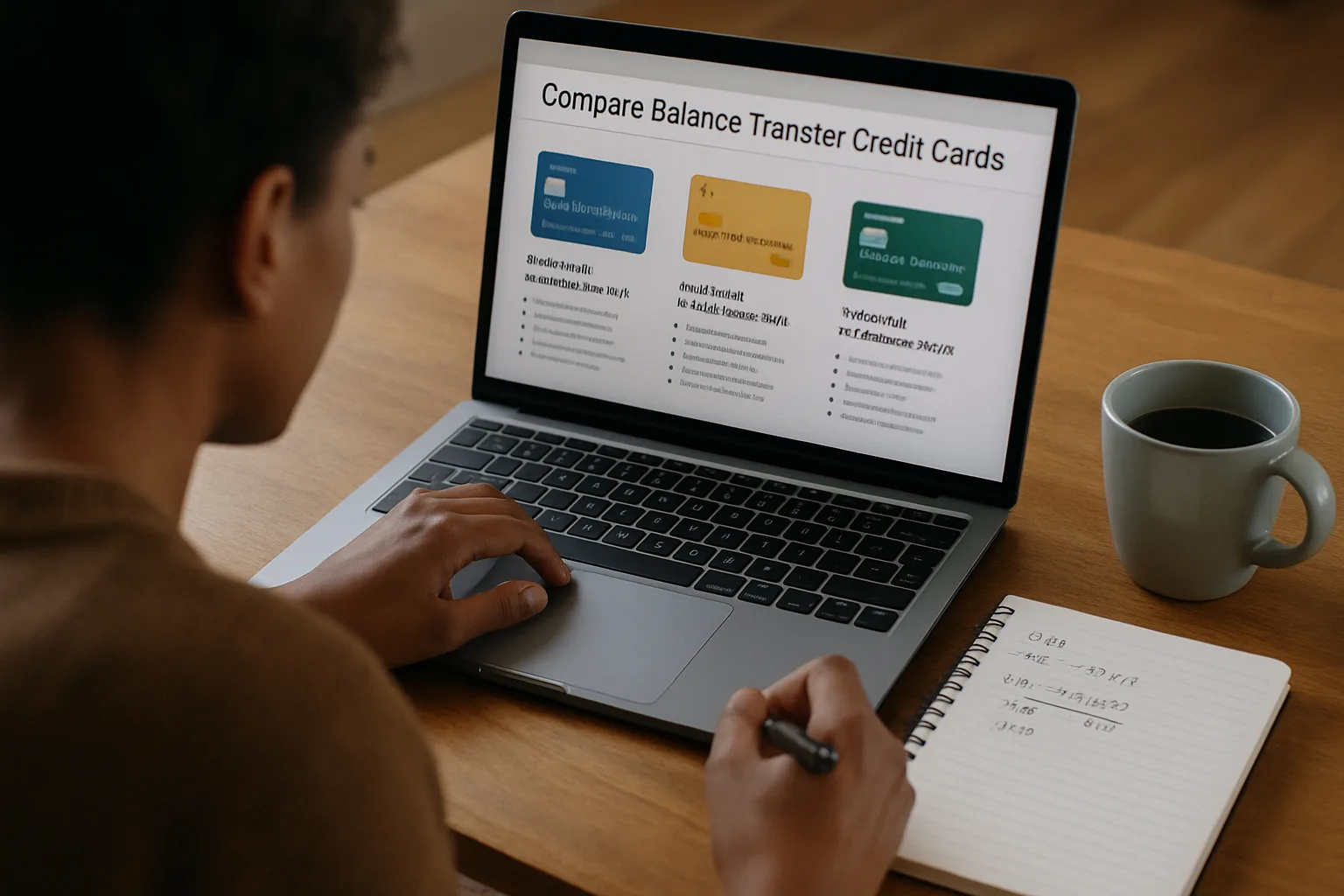
Let's look at an example. Suppose you have $10,000 in credit card debt at a 22% APR. If you make $300 monthly payments, you'll pay about $4,500 in interest and take 48 months to pay it off.
Now imagine you transfer that $10,000 to a balance transfer card with a 3% fee ($300) and a 0% APR for 18 months. If you pay $572 per month ($10,300 ÷ 18), you'll be debt-free in 18 months and pay only the $300 fee — saving $4,200 in interest.
Of course, this assumes you don't add new charges to the card and you make all payments on time. The savings are real, but they depend on discipline.
Another Example With a Smaller Balance
Say you have $3,000 in debt at 24% APR. Paying $150 per month would cost about $1,100 in interest over 30 months. A balance transfer with a 3% fee ($90) and 15-month intro period would require $206 per month.
You'd save over $1,000 in interest.
Even with a smaller balance, the math works in your favor if you can commit to the payments. The key is to calculate your own numbers before applying.
Use an online calculator to compare your current interest costs with the transfer fee. If the fee is less than the interest you'd pay, the transfer is worth it.
What Happens If You Don't Pay Off the Balance in Time?
If you still have a balance when the intro period ends, the remaining amount starts accruing interest at the card's regular APR. That rate is often similar to what you were paying before.
Worse, some cards have a clause that charges deferred interest — meaning if you don't pay the full balance by the end of the intro period, they charge interest on the entire original amount from the start. This is rare for balance transfer cards but common on store cards. Always read the terms.
The best strategy: treat the intro period as a countdown. Pay as much as you can each month so you owe $0 when the clock runs out.
What If You Can't Pay It All Off?
If you fall short, consider transferring the remaining balance to another card with a new intro offer. This is called a "balance transfer chain." But it requires good credit and careful timing.
Another option is to switch to a debt consolidation loan to lock in a lower fixed rate. Don't let the remaining balance sit at a high APR.
For example, if you have $2,000 left after 18 months, you could transfer it to a new card with a 0% offer. Or you could take out a personal loan at 10% APR to pay it off over 12 months.
Does a Balance Transfer Hurt Your Credit Score?
In the short term, yes — a little. Here's how:
- Hard inquiry: Applying for a new card causes a small, temporary dip (usually 5–10 points).
- New account: A new credit line lowers your average account age, which can also drop your score slightly.
- Credit utilization: If you transfer a large balance, your new card's utilization will be high, which can hurt your score. But your old cards will have lower utilization, which helps.
Over the long term, if you pay off the balance and keep the card open (even with a $0 balance), your score can recover and potentially improve due to lower overall utilization and a longer credit history.
How to Minimize the Credit Score Impact
Apply for only one balance transfer card at a time. Multiple applications in a short period can compound the damage.
Keep your old accounts open to preserve your credit history length. Closing them can lower your average account age and reduce your total available credit.
For instance, if you close a card with a $5,000 limit, your total available credit drops. That could increase your overall utilization and hurt your score.
Can You Transfer a Balance to Any Card?
No. You generally cannot transfer a balance from one card to another if both are issued by the same bank. For example, you can't transfer a Chase card balance to another Chase card. But you can transfer between different issuers (e.g., from Capital One to Citi).
Also, some cards don't allow transfers to certain types of accounts, like store cards or personal loans. Check the card's terms before applying.
What About Transfers to Business Cards?
Business credit cards sometimes offer balance transfer options, but they are typically for business debts. Personal debts usually cannot be transferred to a business card.
If you're self-employed, you might have more flexibility. But always verify with the issuer first.
For example, a freelancer with a business card might transfer a business expense balance. But they can't move a personal credit card debt onto that card.
How to Choose the Best Balance Transfer Card
With so many options, here's what to look for:
- Longest 0% intro period: 18–21 months gives you more time to pay down debt.
- Low transfer fee: 3% is standard; 0% fee offers exist but are rare.
- No annual fee: Avoid paying extra unless the card's benefits justify it.
- Low regular APR: Just in case you carry a balance past the intro period.
- Credit limit high enough: You need a limit that covers your debt plus the fee.
Compare offers on sites like CreditCards.com or NerdWallet. And check your credit score first — you'll want to know where you stand before applying.
How to Read the Fine Print
Look for the "Schumer Box" in the card's terms. It lists the intro APR, regular APR, fees, and penalties.
Pay special attention to the "intro APR for balance transfers" section. Some cards offer 0% on transfers but not on purchases.
For example, a card might have 0% on transfers for 18 months but 0% on purchases for only 12 months. If you buy something after month 12, you'll pay interest on that purchase.
What Debt Can You Transfer?
Most balance transfer cards allow you to move debt from other credit cards, store cards, and sometimes personal loans or lines of credit. Some also allow transfers from auto loans or student loans, but this is less common.
You typically cannot transfer debt from the same issuer, mortgage balances, or tax debts. Check the card's terms for specifics.
Can You Transfer Debt From a Personal Loan?
Yes, many cards allow transfers from personal loans. But the loan must be from a different lender than the card issuer.
Some cards also accept transfers from lines of credit or overdraft accounts. Always verify before applying.
For instance, you could transfer a $5,000 personal loan from SoFi to a Citi balance transfer card. But you couldn't transfer a loan from Citi's own lending division.
Balance Transfer vs. Debt Consolidation Loan: Which Is Better?
Both can help you consolidate debt, but they work differently. Here's a quick comparison:
| Feature | Balance Transfer Card | Debt Consolidation Loan |
|---|---|---|
| Interest rate | 0% intro APR for 12–21 months | Fixed rate (often 6–36%) |
| Fees | 3–5% transfer fee | Origination fee (0–8%) |
| Repayment term | Short (must pay before intro ends) | Longer (2–5 years) |
| Credit impact | Hard inquiry, new account | Hard inquiry, new installment loan |
| Best for | Paying off debt fast with discipline | Spreading payments over time |
If you can commit to paying off your debt within the intro period, a balance transfer is usually cheaper. If you need more time or want fixed payments, a consolidation loan might be better.
When a Consolidation Loan Makes More Sense
If your debt is over $20,000 and you need more than 24 months to pay it off, a loan's fixed rate can be safer. The risk of deferred interest on a balance transfer card is too high.
Also, if your credit score is below 650, you may not qualify for a 0% intro offer. A consolidation loan might still be accessible with a moderate rate.
For example, someone with $25,000 in debt and a 640 credit score might get a consolidation loan at 15% APR over 3 years. That's better than paying 25% on credit cards.
Common Mistakes to Avoid
Balance transfers are powerful, but they're not magic. Avoid these pitfalls:
- Using the card for new purchases: Many cards charge interest on purchases even if you have a 0% intro on transfers. Plus, adding new debt defeats the purpose.
- Missing a payment: One late payment can end your intro period and trigger a penalty APR.
- Only making minimum payments: The minimum payment won't pay off the balance before the intro period ends. You need a plan.
- Ignoring the transfer fee: That 3–5% adds up. Make sure it's worth it compared to the interest you'd otherwise pay.
- Closing old cards: Keep your old cards open (even if you don't use them) to preserve your credit history and lower your overall utilization.
Mistake: Applying for Too Many Cards at Once
Multiple hard inquiries in a short time can drop your credit score significantly. Each application is a separate hit.
Stick to one or two applications. Use pre-qualification tools to check your odds without a hard pull.
For example, if you apply for three cards in one week, your score might drop 15–20 points. That could hurt your chances of getting the best offer.
How to Make a Balance Transfer Part of Your Debt Payoff Plan
A balance transfer is a tool, not a solution. To truly get out of debt, you need a plan. Here's how to combine it with proven strategies:
Create a Budget
List your income and expenses. Find extra money to put toward your debt. Even $50 more per month can make a difference.
Use a budgeting app or a simple spreadsheet. Track every dollar for at least one month to see where your money goes.
For instance, if you cut dining out from $200 to $100 per month, that's an extra $100 for debt. Over 18 months, that's $1,800 more toward your balance.
Choose a Payoff Method
Two popular methods are the debt snowball vs avalanche. The snowball focuses on smallest balances first for motivation; the avalanche targets highest interest rates to save money. Pick the one that fits your personality.
If you have multiple debts beyond the transferred balance, apply your chosen method to those as well. Consistency is key.
For example, if you have a $500 store card and a $2,000 personal loan, the snowball would pay off the store card first. That gives you a quick win.
Set Up Automatic Payments
Automate at least the minimum payment to avoid late fees. Then schedule extra payments manually or automatically to stay on track.
Many issuers allow you to set up recurring transfers from your bank account. Use this feature to ensure you never miss a due date.
For example, set up an automatic payment of $572 on the 15th of each month. That covers your full payoff plan.
Stop Using Credit Cards
While paying off debt, use cash or a debit card. If you keep swiping, you'll just dig a deeper hole.
Consider leaving your credit cards at home or freezing them in a block of ice. Physical barriers can help curb impulse spending.
For instance, if you typically spend $300 per month on a card, switching to cash saves that $300 from becoming new debt. That's $300 more for your payoff plan.
Alternatives to Balance Transfers
If you can't qualify for a balance transfer card or prefer another route, consider these options:
- Debt management plan (DMP): A nonprofit credit counseling agency negotiates lower interest rates and consolidates payments. You make one monthly payment to the agency.
- Debt consolidation loan: A personal loan with a fixed rate and term. Good if you need more time than a balance transfer offers.
- Debt settlement: You stop paying creditors and negotiate to pay less than you owe. This damages your credit and is risky.
- Bankruptcy: A legal process that can discharge most debts but severely impacts your credit for years. Last resort only.
Each option has pros and cons. Research thoroughly and consider talking to a nonprofit credit counselor before deciding.
How to Find a Reputable Credit Counselor
Look for agencies accredited by the National Foundation for Credit Counseling (NFCC) or the Financial Counseling Association of America (FCAA). Avoid companies that charge high upfront fees.
A good counselor will review your budget and debt for free. They can also help you decide if a DMP is right for you.
For example, a NFCC-accredited agency might help you get a DMP with a 10% APR instead of 25%. That saves you hundreds per month.
How Long Does a Balance Transfer Take to Process?
Most balance transfers take 7 to 14 days to complete. Some issuers process them faster, within a few business days.
During this time, continue making minimum payments on your old cards. If the transfer is delayed, you could incur late fees.
What to Do While Waiting
Check your new card's online account for transfer status updates. If it takes longer than two weeks, call the issuer.
Also, set up a payment reminder for your new card's first due date. You don't want to miss it.
For instance, if you transfer on January 1 and the first payment is due February 1, set a reminder for January 20. That gives you time to confirm the transfer is complete.
Can You Transfer a Balance to a Card You Already Have?
Some issuers allow balance transfers to existing cards, but the terms are often worse. You might not get a 0% intro offer.
Instead, you'll likely pay the card's regular APR on the transferred amount. This defeats the purpose of saving on interest.
When It Might Make Sense
If your existing card offers a promotional balance transfer rate, it could be worth considering. But compare it to a new card's offer first.
Some issuers send targeted offers to existing customers. Check your email or account notifications for such deals.
For example, a bank might offer you a 0% rate on transfers to an existing card for 12 months. That could save you from a hard inquiry.
Understanding the Fine Print on 0% APR Offers
The 0% intro APR only applies to balance transfers, not necessarily to new purchases. Many cards treat purchases and transfers separately.
If you make a purchase on the card, you might pay interest on that purchase from day one. The 0% rate only covers the transferred balance.
Some cards offer 0% on both transfers and purchases for the same period. But you must read the terms to confirm.
How Payments Are Applied
Card issuers often apply payments to the lowest-interest balances first. That means your payment goes toward the 0% transfer before any purchase balance.
If you have both a transfer and a purchase balance, your payment might not reduce the purchase balance until the transfer is paid off. This can lead to unexpected interest.
For example, if you transfer $5,000 and buy $500, a $200 payment might go entirely to the transfer. The $500 purchase sits and accrues interest at the purchase APR.
How to Avoid Interest on New Purchases
The safest approach is to not use the balance transfer card for any new purchases. Use a separate card or cash instead.
If you must use the card, pay off the purchase balance in full each month. That way, you avoid interest on new charges.
Some cards offer a grace period on purchases if you pay the full statement balance. But that grace period may not apply if you carry a transfer balance.
What to Do If Your Balance Transfer Is Denied
If your application is denied, you'll receive a letter explaining why. Common reasons include low credit score, high debt-to-income ratio, or too many recent inquiries.
You can request a free copy of your credit report to check for errors. Dispute any inaccuracies with the credit bureau.
Consider improving your credit score before reapplying. Pay down existing debt, make all payments on time, and avoid new credit applications.
Alternative Steps After Denial
If you're denied, look into a debt consolidation loan or a credit union card. Some credit unions offer balance transfers with lower fees.
You can also contact the issuer's reconsideration line. Explain your situation and ask them to review your application again.
For example, if you were denied due to a recent job change, you might explain your stable income. The reconsideration line might approve you with a lower limit.
How Balance Transfers Affect Your Debt-to-Income Ratio
Your debt-to-income (DTI) ratio is your monthly debt payments divided by your monthly income. Lenders use it to assess your ability to take on new debt.
A balance transfer doesn't change your total debt amount, but it can lower your monthly payment if the new card has a lower minimum. That could improve your DTI.
However, if you transfer a large balance, the new card's minimum payment might be higher. Check the terms before transferring.
Key takeaways
- A balance transfer credit card lets you move high-interest debt to a card with a 0% intro APR for a limited time, saving you money on interest.
- You'll pay a transfer fee (3–5%) and must pay off the balance before the intro period ends to avoid retroactive interest.
- Your credit score may dip temporarily from the hard inquiry and new account, but paying off the debt can improve it long-term.
- Choose a card with a long intro period, low fee, and no annual fee. Avoid using the card for new purchases and always pay on time.
- A balance transfer is a powerful tool, but it works best as part of a broader debt payoff plan that includes budgeting and a payoff strategy like the debt snowball or avalanche.
Frequently asked questions
What credit score do I need for a balance transfer card?
Can I transfer a balance from a store card to a balance transfer card?
What happens if I miss a payment during the 0% intro period?
Can I transfer a balance from a personal loan to a balance transfer card?
Is it worth paying a 3% transfer fee to save on interest?
This article is for general informational purposes only and does not constitute financial, legal or credit-repair advice. Always consult a qualified financial advisor or credit counselor about your specific circumstances.

Written & reviewed by
Can OTUEditor
Can OTU is the editor of this site, curating and reviewing every guide for accuracy and clarity.
View all guides →