Is a 0% APR Card a Good Way to Pay Off Credit Card Debt?
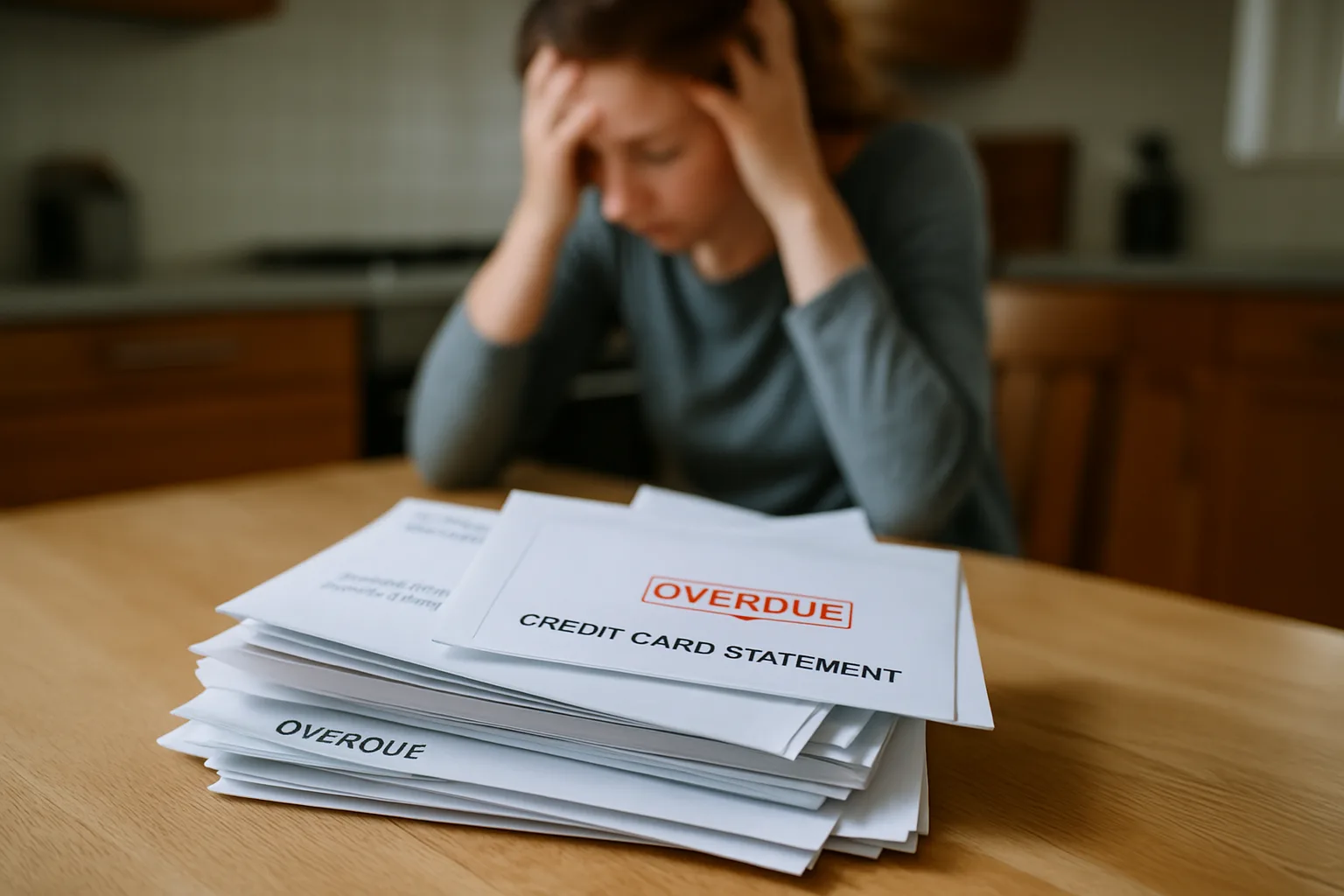
- You stop interest from accruing, so every payment goes toward principal.
- You must pay off the full balance before the promotional period ends to avoid retroactive interest.
- Balance transfer fees (typically 3-5%) can eat into your savings, so do the math.
If you're carrying credit card debt at 18%, 22%, or even higher interest rates, you know how hard it is to make progress. Minimum payments barely cover the interest, and the balance hardly budges. That's where a 0% APR card comes in — it's like hitting pause on interest charges.
But is it really a good way to pay off credit card debt? The short answer is yes, but it comes with strings attached.
Think of a 0% APR card as a temporary interest-free loan. You transfer your existing balances to this card, and for a set period — usually 12 to 21 months — you pay no interest on that transferred amount. That means every dollar you send goes directly to reducing your principal.
If you're disciplined, this can be a fast track to becoming debt-free. But if you're not careful, you could end up deeper in the hole.
This article will walk you through exactly how a 0% APR card works, the pros and cons, and how to use one effectively. We'll also cover alternatives and answer common questions. Remember, this is general information, not financial advice.
Your situation is unique, so consider talking to a credit counselor before making big decisions.
How Does a 0% APR Card Work?
A 0% APR card offers a promotional period where you pay zero interest on purchases, balance transfers, or both. Most cards used for debt payoff focus on balance transfers — you move your existing credit card debt onto the new card. During the promo period, no interest accrues on that transferred balance.
After the period ends, the card's regular APR (often 15-25%) kicks in.
Key details to know:
- Promotional period: Usually 12 to 21 months. Some cards offer longer terms, but they may charge an annual fee.
- Balance transfer fee: Typically 3% to 5% of the amount transferred. For example, transferring $10,000 costs $300 to $500 upfront.
- Regular APR: Once the promo ends, you'll pay the standard interest rate on any remaining balance.
- Retroactive interest: Some cards charge interest on the entire transferred amount if you don't pay it off in full by the end of the promo period. This is called deferred interest — avoid these cards.
What is Deferred Interest and Why Should You Avoid It?
Deferred interest means interest accrues from the original transfer date if you don't pay the full balance by the promo deadline. For example, if you transfer $5,000 and still owe $1,000 when the promo ends, you might be charged interest on the entire $5,000 from day one. This can wipe out all your savings and add hundreds of dollars in unexpected charges.
Always check the card's terms for the phrase "deferred interest." Most reputable cards use "no interest if paid in full" language, which is safer. If you see deferred interest, look for another card.
Can a 0% APR Card Help You Pay Off Credit Card Debt Fast?
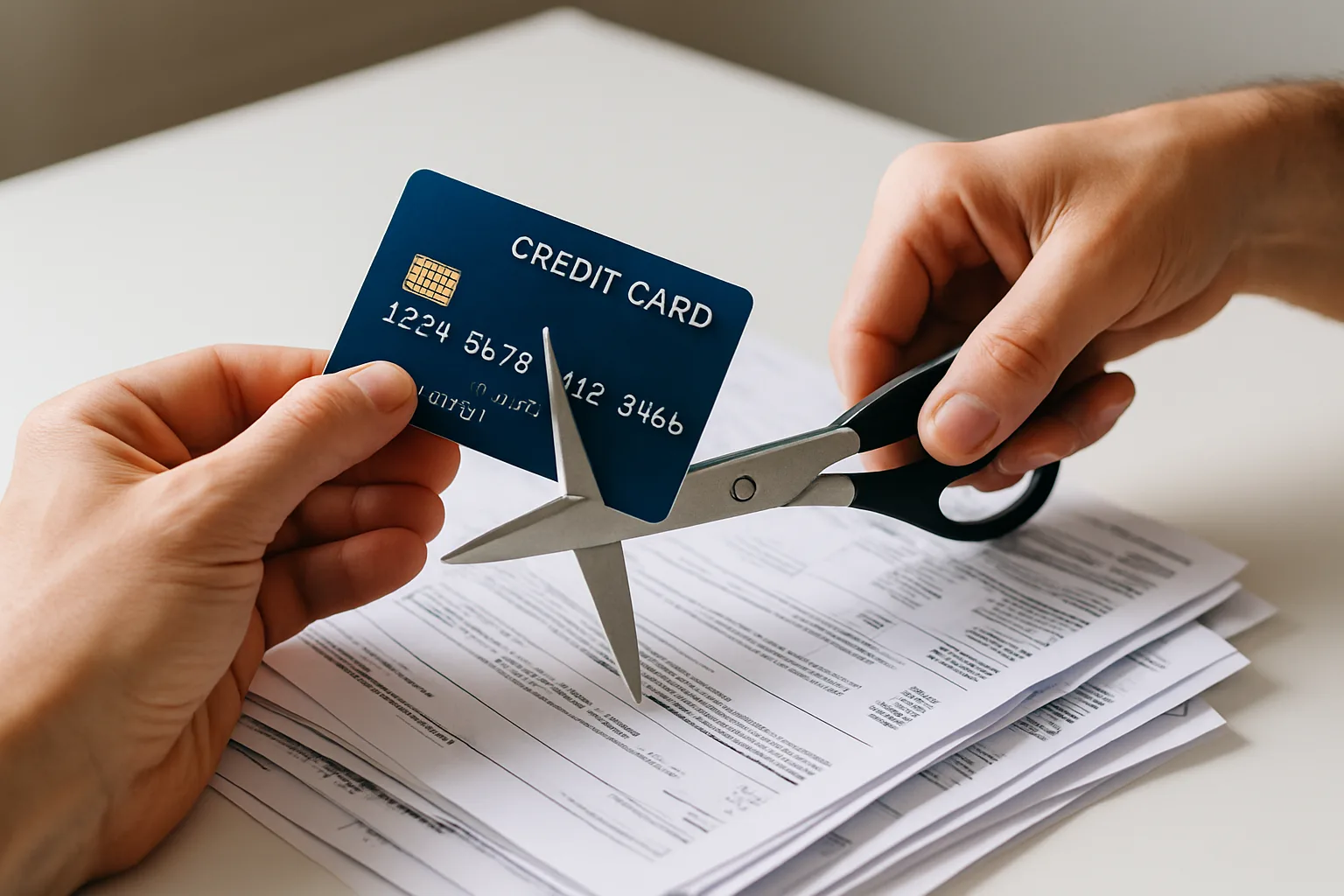
Yes, it can be one of the fastest ways to pay down credit card debt — if you use it correctly. Without interest eating your payments, you can make real progress. For example, if you owe $10,000 at 20% APR, a minimum payment of $200 might only knock $33 off the principal each month.
With a 0% APR card, that same $200 all goes to principal. You'd pay off the debt in about 50 months instead of 10+ years.
But speed depends on your payment amount. To pay off debt quickly, you need to pay more than the minimum. A 0% APR card gives you a window to make aggressive payments without interest costs.
If you can pay, say, $500 a month, you could clear $10,000 in 20 months — well within most promo periods.
That said, a 0% APR card is not a magic fix. It requires discipline. If you keep using the old cards or charge new purchases on the new card, you'll just add to your debt.
The key is to stop using credit cards entirely during the payoff period.
Real-World Example: How Much Can You Save?
Let's say you owe $8,000 on a card with a 22% APR. Your minimum payment is $200 per month. At that rate, it would take about 67 months to pay off and cost over $5,400 in interest.
With a 0% APR card and a 3% transfer fee ($240), you pay $8,240 total. If you pay $400 per month, you're debt-free in about 21 months — saving over $4,000 in interest.
This example shows the power of combining a 0% APR card with aggressive payments. Even after the fee, the savings are substantial.
Pros and Cons of Using a 0% APR Card for Debt Payoff
Let's break down the advantages and disadvantages so you can decide if it's right for you.
Pros
- No interest during promo period: Every payment reduces principal, so you get out of debt faster.
- Simplified payments: Consolidate multiple card balances into one monthly payment.
- Potential credit score boost: Lower credit utilization on the old cards (once paid off) can help your score.
- Motivation: A clear deadline (end of promo) can keep you focused.
Cons
- Balance transfer fees: The upfront cost can offset some of your savings. For a large balance, the fee might be hundreds of dollars.
- Risk of retroactive interest: Some cards charge interest from the start if you don't pay off the balance in time. Read the fine print.
- Temptation to spend: Having an empty card with a high limit can lead to new debt.
- Credit score impact: Applying for a new card causes a hard inquiry, and opening a new account lowers your average account age.
- Not a solution for the underlying problem: If overspending is the issue, a 0% card just delays the reckoning.
When the Pros Outweigh the Cons
If you have a steady income and a clear repayment plan, the pros usually win. For someone with $15,000 in debt and a 20-month promo period, the savings can be thousands of dollars. But if you're prone to impulse spending or have irregular income, the risks may be too high.
Consider your financial habits honestly before applying. A 0% APR card is a tool, not a cure.
How to Use a 0% APR Card to Pay Off Debt: Step by Step
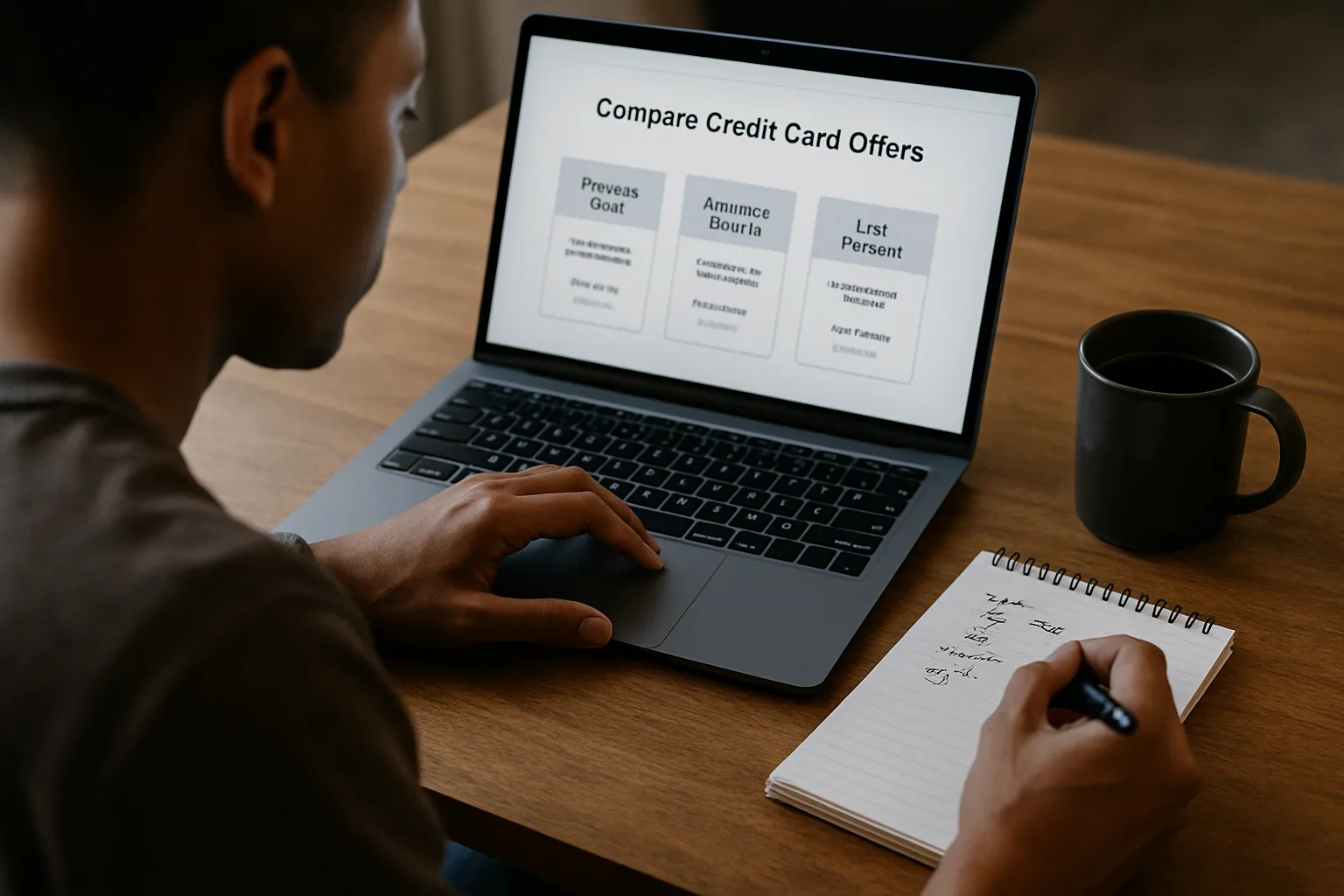
If you decide a 0% APR card is right for you, follow these steps to maximize your chances of success.
- Check your credit score. Most 0% APR cards require good to excellent credit (690+). If your score is lower, you may not qualify or may get a lower limit.
- Compare cards. Look for the longest promo period, lowest balance transfer fee, and no annual fee. Avoid cards with deferred interest.
- Apply for the card. Apply online. If approved, you'll get a credit limit. If your total debt is higher than the limit, you can only transfer part of it.
- Initiate the balance transfer. You can usually do this during the application process or later. Provide the account numbers and amounts for the cards you want to pay off.
- Stop using the old cards. Cut them up or lock them away. Do not close the accounts — closing them can hurt your credit score.
- Make a repayment plan. Divide the transferred balance by the number of months in the promo period. That's your minimum monthly payment to be debt-free by the deadline. Pay more if you can.
- Automate payments. Set up automatic payments to avoid missing a due date. Late payments can trigger penalty APRs and void the promo.
- Track your progress. Check your balance monthly. Celebrate milestones to stay motivated.
What If You Can't Transfer the Full Balance?
If your new card's limit is lower than your total debt, prioritize transferring the highest-interest balances first. For example, if you have $5,000 at 24% APR and $3,000 at 15%, transfer the $5,000. Then focus on paying off the remaining $3,000 quickly with your regular payments.
You can also use a combination of strategies — transfer part of the debt and use the snowball or avalanche method for the rest.
How to Pay Off Credit Card Debt Fast Without a 0% APR Card
Maybe you don't qualify for a 0% APR card, or you prefer a different approach. There are other proven ways to how to pay off credit card debt quickly.
Debt Snowball vs. Avalanche
Two popular strategies are the debt snowball and the debt avalanche. The debt snowball vs avalanche debate boils down to psychology vs. math. With the snowball method, you pay off the smallest balance first, regardless of interest rate.
This gives you quick wins and momentum. With the avalanche method, you target the highest-interest debt first, saving the most money over time. Both work — choose the one that keeps you motivated.
Debt Management Plan (DMP)
A nonprofit credit counseling agency can set up a DMP. They negotiate with your creditors to lower interest rates and fees, and you make one monthly payment to the agency. This can reduce your interest rate to around 8-10% and get you debt-free in 3-5 years.
It's a solid option if you can't get a 0% APR card.
Debt Consolidation Loan
A personal loan with a fixed interest rate can also consolidate debt. If your credit is good, you might get a rate lower than your credit cards. The advantage is a fixed term and no balance transfer fee.
But if your credit is poor, the rate may be high.
Balance Transfer Card (Non-0% APR)
Some cards offer a low ongoing APR (e.g., 6.99% for life of balance) instead of a 0% intro period. These can be good if you need more time to pay off the debt.
Can You Use a 0% APR Card to Remove Debt Collection from Credit Report?
No, a 0% APR card cannot remove a debt collection from your credit report. Collections are separate from credit card balances. To remove a collection, you typically need to negotiate a pay-for-delete agreement with the collection agency, where they agree to delete the account in exchange for payment.
However, pay-for-delete is not guaranteed and some credit bureaus discourage it. Alternatively, you can dispute inaccurate collections. For more on this, see how to get out of credit card debt.
If you have a collection on your report, focus on paying off your current debts first. The collection will become less impactful over time as it ages.
How Collections Affect Your Credit Score
A collection account can drop your credit score by 50 to 100 points or more. Even after you pay it, it stays on your report for seven years. However, its impact diminishes as it gets older.
A 0% APR card can help you avoid future collections by paying off current debts faster.
If you're dealing with a collection, consider working with a credit counselor to create a plan that addresses both current debt and past-due accounts.
Common Mistakes to Avoid with 0% APR Cards
Even smart people make these errors. Avoid them to stay on track.
- Not reading the fine print: Some cards charge retroactive interest if you don't pay off the balance in full. Always choose a card with no deferred interest.
- Making only the minimum payment: If you pay just the minimum, you won't clear the balance before the promo ends. Then you'll face high interest.
- Using the card for new purchases: Many 0% APR cards charge high interest on purchases if you carry a balance. Plus, new purchases add to your debt. Use cash or debit instead.
- Closing old accounts: Closing credit cards hurts your credit utilization ratio and average account age. Keep them open (but don't use them).
- Missing a payment: A late payment can trigger a penalty APR (often 29.99%) and void the promotional rate. Set up autopay.
The Danger of Multiple Balance Transfers
Some people try to "chase" 0% APR offers by transferring balances from one card to another. Each transfer incurs a fee (3-5%), and multiple hard inquiries can hurt your credit. If you can't pay off the debt within one promo period, you may end up paying more in fees than you save in interest.
A better approach is to commit to paying off the debt within a single promo period. If you need more time, consider a debt management plan or consolidation loan instead.
How to Choose the Best 0% APR Card for Debt Payoff
Not all 0% APR cards are created equal. Here's what to look for.
| Feature | What to Look For | Why It Matters |
|---|---|---|
| Promo period length | 15-21 months | More time to pay off debt without interest. |
| Balance transfer fee | 0% or 3% | Lower fee means more of your money goes to debt. |
| Annual fee | $0 | No extra cost eating into your payments. |
| Regular APR after promo | As low as possible | If you don't pay off in time, a lower rate hurts less. |
| Deferred interest? | No | Avoid cards that charge retroactive interest. |
Compare offers on sites like Credit Karma or NerdWallet. Read reviews and terms carefully. If you have excellent credit, you may qualify for cards with 0% intro APR and no balance transfer fee.
How to Evaluate Balance Transfer Fee vs. Interest Savings
Calculate whether the fee is worth it. For example, if you transfer $10,000 with a 3% fee ($300), and you save $2,000 in interest over 18 months, the net gain is $1,700. But if the fee is 5% ($500) and you only save $600, the savings shrink to $100.
Use an online calculator to compare scenarios. In most cases, even a 5% fee is worth it if you have high-interest debt and a long promo period.
What Happens If You Don't Pay Off the Balance Before the Promo Ends?
If you still have a balance when the 0% APR period ends, the remaining amount will start accruing interest at the card's regular APR. This could be 15-25% or higher. You'll then be back in the same situation as before — paying interest on a balance.
To avoid this, make sure you have a plan to pay off the full amount before the deadline.
Some cards offer a grace period of a few months after the promo ends, but don't count on it. The safest approach is to divide your balance by the number of months in the promo period and set that as your monthly payment goal.
What If You Can't Pay It All Off?
If you fall short, consider transferring the remaining balance to another 0% APR card. But remember, each transfer costs a fee. Alternatively, you can accelerate payments by cutting expenses or earning extra income.
Even paying off most of the balance before the promo ends reduces the interest you'll owe.
If you only have a small amount left, pay it off as quickly as possible after the promo ends to minimize interest charges.
Does a 0% APR Card Hurt Your Credit Score?
Applying for a new card causes a hard inquiry, which can temporarily lower your score by 5-10 points. Opening a new account also reduces your average account age, which can hurt your score in the short term. However, if you use the card responsibly — keep your utilization low on the new card (by paying it down) and make on-time payments — your score can recover and even improve over time.
Paying off old cards lowers your overall utilization, which is a major factor in credit scores.
If you're planning to apply for a mortgage or car loan soon, consider whether a new card might affect your approval odds. But for most people, the short-term dip is worth the long-term benefit of becoming debt-free.
How Long Does the Credit Score Impact Last?
The hard inquiry stays on your report for two years but only affects your score for about 12 months. The new account's impact on average age fades as the account ages. Within six months of responsible use, your score should recover and potentially increase.
Focus on the big picture: paying off debt is one of the best things you can do for your credit health.
Alternatives to a 0% APR Card for Paying Off Debt
If a 0% APR card isn't an option, here are other ways to tackle debt.
- Debt consolidation loan: Fixed rate, fixed term. Good if you have fair credit.
- Home equity loan or HELOC: Lower rates, but your home is collateral. Risky.
- Credit counseling: Nonprofit agencies offer free advice and DMPs.
- Debt settlement: You negotiate to pay less than you owe. This damages your credit and may have tax consequences.
- Bankruptcy: A last resort that wipes out most debts but severely hurts credit for 7-10 years.
Each option has trade-offs. For most people, a 0% APR card or a DMP is the safest and most effective path.
When to Choose a Debt Management Plan Over a 0% APR Card
A DMP is better if your credit score is below 690, you can't qualify for a high enough limit, or you need more than 21 months to pay off debt. DMPs also provide accountability and professional guidance, which can help if you struggle with discipline.
However, a DMP may require you to close your credit card accounts, which can temporarily hurt your score. Weigh the pros and cons with a credit counselor.
How to Pay Down Credit Card Debt Quickly: A Realistic Timeline
How fast you can pay off debt depends on your income, expenses, and how much you can put toward debt each month. Here's an illustrative example.
| Balance | Monthly Payment | Months to Pay Off (0% APR) | Interest Saved vs. 20% APR |
|---|---|---|---|
| $5,000 | $250 | 20 | ~$1,100 |
| $10,000 | $500 | 20 | ~$2,200 |
| $15,000 | $750 | 20 | ~$3,300 |
These numbers assume no balance transfer fee. With a 3% fee, add $150, $300, or $450 respectively. Even with the fee, you still save significantly compared to paying 20% interest.
To pay off debt fast, consider cutting expenses, taking on a side gig, or selling unused items. Every extra dollar you put toward debt speeds up the process.
How to Create a Debt Payoff Budget
Start by listing all your monthly income and expenses. Identify areas to cut, like dining out, subscriptions, or entertainment. Allocate every extra dollar to your debt payment.
Use a budgeting app or spreadsheet to track progress.
For example, if you save $200 per month by cooking at home and canceling unused services, add that to your monthly payment. This can shave months off your timeline.
Frequently Asked Questions
Can I use a 0% APR card to pay off multiple credit cards?
Yes, most balance transfer cards allow you to transfer balances from multiple cards onto one card. This simplifies your payments and gives you one interest-free balance to focus on.
Will a 0% APR card help my credit score?
It can, if you use it responsibly. Paying down balances lowers your credit utilization ratio, which is a key factor. However, the hard inquiry and new account may temporarily lower your score.
Over time, on-time payments and lower utilization will help.
What if I can't pay off the balance before the promo ends?
If you still have a balance, the remaining amount will start accruing interest at the regular APR. To avoid this, either pay more each month or consider transferring the remaining balance to another 0% APR card (if you qualify). But be careful with multiple transfers — fees add up.
Are there any hidden fees with 0% APR cards?
Common fees include balance transfer fees (3-5%), annual fees (some cards), and late payment fees. Read the terms carefully. Some cards also charge a penalty APR if you miss a payment.
Can I get a 0% APR card with bad credit?
It's difficult. Most 0% APR cards require good to excellent credit (690+). If your credit is poor, consider a secured card or a credit-builder loan to improve your score first, or explore other debt payoff options like a debt management plan.
Key takeaways
- A 0% APR card can be an excellent tool to pay off credit card debt fast, but it requires discipline and a solid repayment plan.
- Always read the fine print — avoid cards with deferred interest or high balance transfer fees.
- Pay more than the minimum each month to ensure you're debt-free before the promo period ends.
- If you don't qualify or prefer another method, consider debt snowball/avalanche, consolidation loans, or credit counseling.
- Remember: this is general information, not professional advice. Consult a financial advisor or credit counselor for personalized guidance.
Frequently asked questions
Can I use a 0% APR card to pay off multiple credit cards?
Will a 0% APR card help my credit score?
What if I can't pay off the balance before the promo ends?
Are there any hidden fees with 0% APR cards?
Can I get a 0% APR card with bad credit?
This article is for general informational purposes only and does not constitute financial, legal or credit-repair advice. Always consult a qualified financial advisor or credit counselor about your specific circumstances.

Written & reviewed by
Can OTUEditor
Can OTU is the editor of this site, curating and reviewing every guide for accuracy and clarity.
View all guides →