Medical Debt Relief: Your Options When Bills Are Overwhelming
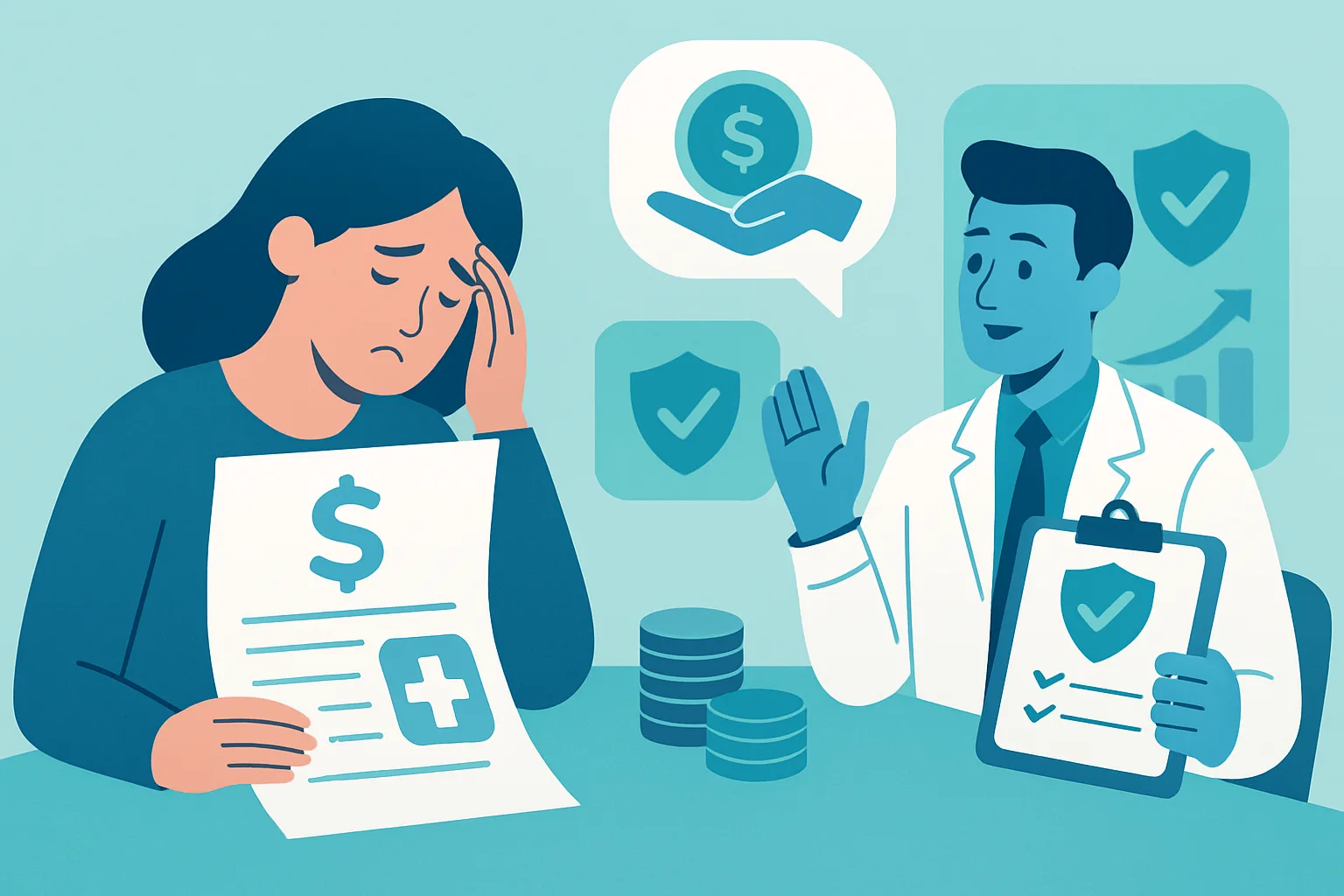
Medical debt is one of the most common financial burdens in the United States. Even with insurance, a single emergency room visit or unexpected surgery can leave you with bills that feel impossible to pay. You're not alone—millions of Americans face this exact situation every year.
The good news is that medical debt is different from other types of debt. Hospitals and providers often have programs to help people who can't pay, and there are specific rules about how medical bills show up on your credit report. That means you have more options than you might think.
This article walks through your options step by step—from free or low-cost solutions to more serious steps like debt settlement or consolidation. Remember, this is general information, not financial advice. Your situation is unique, so it's smart to talk to a nonprofit credit counselor before making big decisions.
What Makes Medical Debt Different?
Medical debt isn't like credit card debt or a personal loan. For one thing, you didn't choose to get sick or injured. And the system around medical billing is notoriously confusing—bills can have errors, insurance adjustments, and surprise charges.
There are also legal protections that don't apply to other debts. For example, the No Surprises Act (2022) protects you from some surprise out-of-network bills. And the major credit bureaus (Equifax, Experian, TransUnion) now wait 365 days before adding paid medical collections to your report—and unpaid medical collections under $500 are not reported at all.
Because of these differences, you should always start with options that are specific to medical debt before considering general debt relief options.
Your First Steps: What to Do Right Now
1. Review Your Bills Carefully
Medical bills are often wrong. A 2021 study by the Kaiser Family Foundation found that 1 in 5 insured adults received a bill for something that should have been covered. Errors can include duplicate charges, wrong procedure codes, or billing for services you didn't receive.
Ask for an itemized bill from the hospital or provider. Compare it to your insurance Explanation of Benefits (EOB). If something doesn't match, call the billing department and ask them to correct it.
For example, imagine you had an MRI and the bill shows a charge for "MRI with contrast" but your doctor ordered one without contrast. That mistake could add hundreds of dollars. You can request a corrected claim from the provider.
2. Check If You Qualify for Charity Care
Nonprofit hospitals are required by law to offer financial assistance to low-income patients. This is often called "charity care" or "financial assistance." You may qualify even if you have insurance, and the assistance can reduce your bill significantly—sometimes to zero.
Contact the hospital's billing office and ask for their financial assistance application. You'll need to provide income information. Each hospital has its own income guidelines, but many use a percentage of the federal poverty level.
For instance, a hospital might forgive 100% of your bill if your income is below 200% of the federal poverty level. In 2025, that's about $31,000 for a single person. Even if you earn more, you might get a partial discount.
3. Negotiate a Payment Plan or Discount
Providers would rather get some money than none at all. You can often negotiate a payment plan with no interest, or even a discount if you can pay a lump sum. Start by offering a reasonable monthly amount you can afford—say $50 or $100.
Many hospitals will accept it.
You can also ask for a discount if you pay the full amount at once. For example, you might say, "I can pay $2,000 right now if you'll accept that as full payment for the $5,000 bill." This works more often than you'd think.
Some hospitals have published discount policies for self-pay patients. If you don't have insurance, you might qualify for a 30-50% discount just by asking. Always ask before paying the full amount.
How to Get Medical Bills Removed from Your Credit Report
This is one of the most common questions people have. The answer depends on whether the bill is paid or unpaid, and how old it is.
If the Bill Is Paid or Being Paid
As of 2023, paid medical collections are no longer reported on your credit report at all. So if you've already paid the bill or are making payments, it shouldn't show up. If it does, you can dispute it with the credit bureaus.
If the bill is unpaid but under $500, it also won't appear on your credit report. That's a new rule from the credit bureaus.
This change helps millions of people. Before 2023, even a small $200 bill for a lab test could tank your credit score. Now, those small debts are invisible to lenders.
If the Bill Is Unpaid and Over $500
You have a few options for debt consolidation or other strategies, but first try to get it removed through a goodwill letter or a pay-for-delete agreement. A goodwill letter is a polite request to the collection agency to remove the account from your credit report once you pay. Pay-for-delete means you agree to pay in exchange for deletion—but not all collection agencies agree to this.
You can also dispute the debt if you believe it's inaccurate. The credit bureaus must investigate your dispute within 30 days. If the collection agency can't verify the debt, it must be removed.
For example, if a collection agency says you owe $1,200 for a hospital visit you already paid, send them a copy of your receipt. If they can't prove the debt is valid, it comes off your report.
How to Dispute Medical Bills in Collections
If you want to know how to dispute medical bills in collections, start by sending a debt validation letter to the collection agency within 30 days of their first contact. They must provide proof that you owe the debt. If they can't, they have to stop collection efforts and remove the account from your credit report.
You can also dispute online with each credit bureau. Provide any evidence you have—like a receipt showing you paid, or a letter from the hospital saying the bill was an error.
Keep copies of everything you send. If the dispute is successful, the debt disappears from your report. That can boost your credit score by 50 points or more.
Government and Nonprofit Assistance Programs
If you can't afford to pay, there are programs that can help. Some are government-run, others are run by nonprofits.
Medicaid and Medicare
If you're low-income, you may qualify for Medicaid. If approved, Medicaid can sometimes cover past medical bills retroactively (up to 3 months before your application). Medicare also has options for people over 65 or with disabilities.
For example, if you had an emergency room visit in January and apply for Medicaid in March, the program might pay that January bill. You need to ask about retroactive coverage when you apply.
Hospital Financial Assistance
As mentioned, nonprofit hospitals must offer financial assistance. But even for-profit hospitals often have programs. Ask every provider you owe money to if they have a charity care or financial assistance policy.
You might be surprised how generous some policies are. One hospital in Ohio forgave over $100 million in patient debt in a single year through its charity care program. Always fill out the application, even if you think you won't qualify.
Nonprofit Medical Debt Forgiveness
Some nonprofits buy medical debt for pennies on the dollar and then forgive it. For example, in 2026, a nonprofit organization eliminated over $4 million in medical debt for residents of Lexington. They used a model sometimes called a "rolling jubilee"—raising money to buy debt portfolios and then canceling the debts.
If you live in an area where such a program operates, you might get a letter saying your debt has been forgiven. It's rare, but it happens.
Another example is RIP Medical Debt, a national nonprofit that has abolished over $10 billion in medical debt since 2014. They target debt portfolios where patients are low-income or facing hardship. You don't apply—they find you through data analysis.
Understanding Medical Billing Errors and How to Fix Them
Medical billing errors are shockingly common. One study found that up to 80% of medical bills contain mistakes. These errors can inflate your balance by hundreds or even thousands of dollars.
Common errors include upcoding, where a provider bills for a more expensive service than what was performed. For instance, a simple office visit might be coded as a complex consultation. Duplicate charges for the same lab test or medication also happen frequently.
To catch errors, request an itemized bill and cross-check every line. Look for charges that seem too high or services you don't remember receiving. If you spot something odd, call the billing department and ask for an explanation.
You can also hire a medical billing advocate. These professionals charge a fee but can save you money. For example, one advocate found $3,000 in overcharges on a single hospital stay.
How to Negotiate with Hospitals and Collection Agencies
Negotiation is a powerful tool for medical debt relief. Hospitals and collection agencies know that medical debt is hard to collect. They often accept less than the full amount.
Negotiating with Hospitals
Start by calling the hospital's billing department. Explain your financial situation and ask for a discount. Be polite but firm.
You might say, "I want to pay my bill, but I can only afford $1,500. Can you accept that as payment in full for the $4,000 balance?"
Some hospitals have a "prompt pay discount" if you pay within 30 days. This can be 10-20% off. Always ask if such a discount exists before making a payment.
If you're on a payment plan, ask for zero interest. Many hospitals offer 0% interest plans for medical debt. That saves you money compared to using a credit card.
Negotiating with Collection Agencies
Collection agencies buy debt for pennies. They might pay 10 cents for every dollar of debt. So they can accept a low offer and still profit.
Start by offering 30% of the balance. For a $5,000 debt, offer $1,500.
Get any agreement in writing before you pay. The letter should say "payment in full" or "settled" and state that the debt will be reported as paid or removed from your credit report. Never give bank account information over the phone—use a money order or certified check.
For example, if you owe $3,000 to a collection agency, you might negotiate a settlement of $1,200. Once you pay, the agency should update your credit report to show a zero balance. This can improve your credit score over time.
Debt Relief vs Debt Consolidation vs Debt Settlement
If you've tried the steps above and still can't manage, you might consider formal debt relief programs. But it's important to understand the differences.
| Option | How It Works | Credit Impact | Best For |
|---|---|---|---|
| Debt consolidation | You take out a new loan to pay off multiple debts, then make one monthly payment. | Minimal if you make payments on time. Hard inquiry upfront. | People with good credit who can qualify for a low-interest loan. |
| Debt settlement | A company negotiates with creditors to let you pay less than you owe. You stop paying bills and save money in a special account. | Severe. Missed payments hurt your score. Accounts may be charged off. | People who can't afford minimum payments and have a lump sum saved. |
| Debt management plan | A nonprofit credit counseling agency negotiates lower interest rates and you make one monthly payment to them. | Minor. You pay off full balance but often at reduced interest. | People who can afford monthly payments but need lower rates. |
Which Is Better: Debt Relief or Debt Consolidation?
That depends on your situation. If you have good credit and can qualify for a consolidation loan with a lower interest rate, consolidation is usually better—you pay off the full amount but save on interest. If your credit is already damaged and you can't afford minimum payments, debt settlement might be your only option, but it comes with serious consequences.
For medical debt specifically, consolidation may not be the best first step because you might qualify for charity care or a payment plan with zero interest. Only consider consolidation if you've exhausted those options and have other high-interest debts to combine.
For instance, if you have $10,000 in medical debt and $5,000 in credit card debt, a consolidation loan could combine them. But if the medical debt alone qualifies for charity care, you'd be better off getting that help first.
Debt Relief vs Debt Settlement
Debt relief is a broad term that includes any strategy to reduce or eliminate debt—including negotiation, settlement, consolidation, and bankruptcy. Debt settlement is a specific type of debt relief where you pay a lump sum that's less than the full amount owed.
For medical debt, settlement is often possible because providers and collection agencies know that medical debt is hard to collect. They may accept 30–50% of the balance. But settlement will hurt your credit and you may owe taxes on the forgiven amount (the IRS considers forgiven debt over $600 as taxable income).
For example, if you settle a $8,000 medical debt for $3,000, the forgiven $5,000 is considered taxable income. You'll receive a 1099-C form and must report it on your tax return. Plan for that tax bill.
When to Consider Bankruptcy
Bankruptcy is a last resort, but it can wipe out medical debt. Chapter 7 bankruptcy eliminates most debts, including medical bills, but you may have to sell some assets. Chapter 13 sets up a repayment plan over 3–5 years.
Bankruptcy stays on your credit report for 7–10 years, but it can give you a fresh start. If your medical debt is overwhelming and you have no way to pay, talk to a bankruptcy attorney. Many offer free consultations.
Medical debt is a leading cause of bankruptcy in the U.S. One study found that 66% of bankruptcies are linked to medical issues. But bankruptcy isn't right for everyone—it can affect your ability to rent an apartment or get a job.
Consider bankruptcy only if your total debt is high and you have no realistic path to pay it off. For example, if you owe $100,000 in medical bills and have no savings, bankruptcy might be your best option.
How to Choose the Right Path for You
Start with the free options: review your bills, apply for charity care, negotiate a payment plan. If those don't work, consider a nonprofit credit counseling agency—they can help you create a budget and explore options like a debt management plan.
If you're still stuck, then compare debt consolidation vs debt settlement. Consolidation is less damaging to your credit, but you need good credit to qualify. Settlement can reduce your balance but will hurt your credit for years.
Remember, you have rights. The Fair Debt Collection Practices Act (FDCPA) protects you from abusive collection tactics. You can ask debt collectors to stop calling you.
And you can always dispute a debt if you believe it's not yours or the amount is wrong.
For more detailed guidance, the Consumer Financial Protection Bureau (CFPB) has resources on medical billing and debt collection. You can find them at consumerfinance.gov.
How to Protect Your Credit While Managing Medical Debt
Your credit score can suffer if medical debt goes to collections. But you have tools to minimize the damage. The key is acting quickly before the debt is reported.
First, always ask the provider not to send your account to collections while you negotiate. Many hospitals will place a hold on your account for 30 to 60 days. This gives you time to apply for charity care or set up a payment plan.
Second, if a collection agency contacts you, respond in writing within 30 days. Send a debt validation letter to demand proof of the debt. This stops collection activity until they verify the debt is yours.
Third, monitor your credit reports regularly. You can get free weekly reports from AnnualCreditReport.com. If you see a medical collection that shouldn't be there, dispute it immediately with the credit bureau.
For example, if a $400 bill appears on your report but it's under $500, it shouldn't be there under the new rules. You can dispute it and have it removed. This protects your credit score from an unfair hit.
Common Myths About Medical Debt Relief
Many people believe myths that stop them from seeking help. One common myth is that you must pay all medical bills immediately or face legal action. In reality, most hospitals will work with you on a payment plan or discount before suing.
Another myth is that charity care is only for uninsured patients. Many hospitals offer financial assistance to insured patients as well, especially if your out-of-pocket costs are high relative to your income. Always ask, even if you have insurance.
A third myth is that medical debt cannot be removed from your credit report. As discussed, paid medical collections are no longer reported, and you can dispute errors. You also have options like pay-for-delete or goodwill letters.
For instance, if you pay a $1,000 medical bill that went to collections, the collection agency can agree to remove it from your report. This is not guaranteed, but it's worth asking. Don't assume you have no control over your credit report.
How to Find Free or Low-Cost Help
You don't have to navigate medical debt alone. Nonprofit credit counseling agencies offer free or low-cost advice. They can help you review your bills, negotiate with providers, and create a budget.
Look for agencies accredited by the National Foundation for Credit Counseling (NFCC) or the Financial Counseling Association of America (FCAA). Avoid for-profit companies that charge high upfront fees for debt settlement.
You can also contact your state's attorney general or department of insurance. They may have resources or mediation programs for medical billing disputes. Some states have laws that require hospitals to offer charity care or limit interest on medical debt.
For example, in California, hospitals must provide charity care to patients earning up to 350% of the federal poverty level. That's about $54,000 for a single person in 2025. Knowing your state's laws can unlock additional relief options.
Key Takeaways
- Medical debt has unique protections: paid collections under $500 aren't reported, and there's a 365-day waiting period before unpaid collections appear.
- Always start with free options: review bills for errors, apply for charity care, and negotiate directly with providers.
- Nonprofit programs have forgiven millions in medical debt—ask your hospital or local community foundation if such programs exist.
- Debt consolidation and debt settlement are last resorts. Consolidation is less harmful to credit; settlement reduces balance but damages credit.
- You can dispute medical bills in collections and request debt validation. If the collector can't verify, the debt must be removed from your credit report.
- Bankruptcy is an option for extreme cases, but consult an attorney first.
Frequently asked questions
Can medical debt be removed from my credit report if I pay it?
What is the difference between debt relief and debt consolidation?
How do I dispute a medical bill in collections?
Will debt settlement hurt my credit score?
Is medical debt forgiveness taxable?
This article is for general informational purposes only and does not constitute financial, legal or credit-repair advice. Always consult a qualified financial advisor or credit counselor about your specific circumstances.

Written & reviewed by
Can OTUEditor
Can OTU is the editor of this site, curating and reviewing every guide for accuracy and clarity.
View all guides →