Debt Management Plan: Pros, Cons and How It Affects Credit
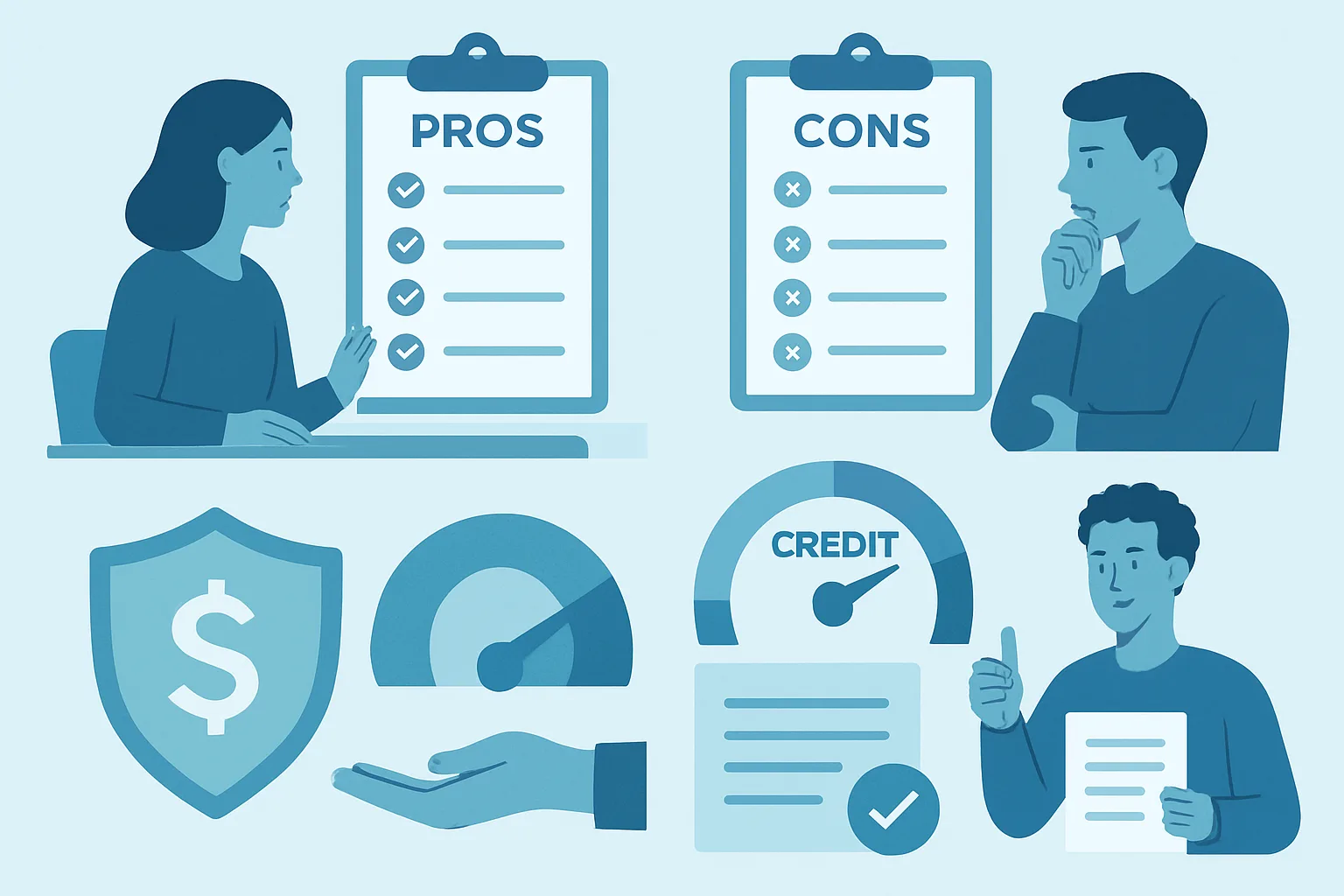
This article will walk you through everything you need to know about debt management plans, including how they affect your credit, what alternatives exist, and how to decide if a DMP is right for you. Remember, this is general information, not financial advice. Always consider consulting a qualified professional for your specific situation.
Many people wonder how can i pay off credit card debt without damaging their finances further. A DMP might be the answer, but it's not the only path. Let's explore the details so you can make an informed decision.
What Is a Debt Management Plan?
A debt management plan (DMP) is a structured repayment program offered by nonprofit credit counseling agencies. You work with a certified counselor who negotiates with your creditors to lower interest rates, waive fees, and create a single monthly payment that you make to the agency. The agency then distributes the funds to your creditors. This arrangement is designed to simplify your finances and reduce the total cost of your debt over time. For example, if you have three credit cards with APRs of 22%, 25%, and 28%, a counselor might negotiate those rates down to 8%, 10%, and 12% respectively. This reduction can save you hundreds or even thousands of dollars in interest over the life of the plan.
DMPs are typically designed for unsecured debts like credit cards, medical bills, and personal loans. They are not for secured debts like mortgages or auto loans. The goal is to help you become debt-free in 3 to 5 years. It's important to note that a DMP is not a loan; you are still responsible for paying the full amount you owe, but with more favorable terms. The credit counseling agency acts as an intermediary, handling negotiations and payment distribution so you don't have to deal with multiple creditors each month.
How Does a Debt Management Plan Work?
Here's a step-by-step look at the process:
- Initial counseling: You meet with a certified credit counselor who reviews your finances and discusses options. This session is usually free and lasts about 30 to 60 minutes. The counselor will ask about your income, expenses, and total debt to determine if a DMP is appropriate.
- Enrollment: If a DMP is suitable, you enroll and agree to make one monthly payment to the counseling agency. You'll sign a contract outlining the terms, including the monthly amount, duration, and any fees.
- Negotiation: The agency contacts your creditors to request lower interest rates, waived fees, and a manageable payment schedule. Creditors often agree because they prefer to receive consistent payments rather than risk you defaulting entirely. For instance, a credit card company might waive late fees and reduce your APR from 24% to 6%.
- Repayment: You make regular payments (usually monthly) to the agency, which pays your creditors on your behalf. The agency tracks each payment and ensures your accounts are credited correctly. You'll typically receive a monthly statement showing how your money was distributed.
- Completion: After 3–5 years, you finish the plan and are debt-free (assuming you stick with it). At that point, the agency will confirm your accounts are paid in full, and you can begin rebuilding your credit.
During the plan, you typically cannot use your credit cards, and you may be required to close those accounts. This protects you from accumulating more debt and ensures all your available income goes toward repayment. For example, if you have a credit card with a $5,000 limit, you'll need to close it and cut up the card to avoid temptation.
Pros of a Debt Management Plan
- Lower interest rates: Creditors often agree to reduce rates, sometimes to 0–10%, which can save you money. For instance, if you owe $15,000 at an average APR of 22%, a reduction to 8% could save you over $2,000 in interest over three years.
- Single monthly payment: Instead of juggling multiple bills, you make one payment to the agency. This simplifies budgeting and reduces the risk of missing a due date. For example, instead of paying five separate credit card bills each month, you write one check or set up one automatic transfer.
- Structured timeline: You know exactly when you'll be debt-free (typically 3–5 years). This clarity can be motivating and help you stay focused. If your total debt is $20,000, you might pay $555 per month for 36 months to clear it.
- Professional support: You have a counselor to guide you and keep you accountable. They can offer budgeting advice, financial education, and emotional support. If you're tempted to skip a payment, your counselor can help you problem-solve.
- No debt settlement risks: Unlike debt settlement, you pay back the full amount you owe, so there's no tax liability on forgiven debt. With debt settlement, the IRS may consider forgiven amounts as taxable income, which can lead to a surprise tax bill.
Cons of a Debt Management Plan
- Credit impact: Your credit score may drop initially because you close credit card accounts and the plan is noted on your credit report. For example, if you have a credit score of 680 and close three cards with a total limit of $30,000, your utilization ratio might spike, causing a 30- to 50-point drop.
- Requires closing accounts: You must stop using credit cards, which can be inconvenient. If you rely on a card for emergencies or travel, you'll need to find alternatives, such as a debit card or cash.
- Monthly fees: Some agencies charge setup or monthly maintenance fees (though many are low or waived). Setup fees can range from $25 to $50, and monthly fees might be $10 to $30. These are typically disclosed upfront.
- Not all debts qualify: Secured debts like mortgages and auto loans are not included. If you have a car loan, you'll need to continue paying that separately. Similarly, student loans and tax debts are usually excluded.
- Commitment: You must make consistent payments for years; missing a payment can end the plan. If you lose your job or face an unexpected expense, you may struggle to keep up. Some agencies offer hardship options, but not all do.
How a Debt Management Plan Affects Your Credit
One of the biggest concerns people have is credit impact. Here's what happens:
- Credit utilization: When you close credit card accounts, your available credit decreases, which can increase your credit utilization ratio and lower your score. For example, if you had $10,000 in debt and $30,000 in total credit limits, your utilization was 33%. Closing cards with $20,000 in limits leaves you with $10,000 in limits and $10,000 in debt, pushing utilization to 100%. This can cause a significant score drop.
- Payment history: As long as you make on-time payments through the DMP, your payment history remains positive. Late payments would hurt your score. Since payment history accounts for 35% of your FICO score, consistent on-time payments can offset some of the negative effects of account closures.
- Credit mix: Closing accounts may reduce your credit mix, which can slightly affect your score. Credit scoring models favor a mix of revolving accounts (like credit cards) and installment loans (like auto loans). If you only have installment loans left, your score might dip a few points.
- Credit report note: The DMP itself may be noted on your credit report, but it doesn't have a specific scoring penalty. However, some lenders may view it negatively when you apply for new credit. For instance, a mortgage lender might see the DMP as a sign of past financial difficulty, but they'll also see that you're making consistent payments.
In the long run, a DMP can help your credit by reducing your debt and establishing a pattern of on-time payments. Many people see their scores improve after completing the plan. For example, someone who starts with a score of 620 might see it rise to 700 within two years of consistent payments, assuming they avoid new debt.
Debt Management Plan vs. Debt Consolidation vs. Debt Settlement
It's easy to confuse these terms. Here's a quick comparison:
| Option | How It Works | Credit Impact | Best For |
|---|---|---|---|
| Debt Management Plan | Nonprofit agency negotiates lower rates; you pay full balance over 3–5 years. | Temporary dip; improves with consistent payments. | People with steady income who can commit to monthly payments. |
| Debt consolidation | You take out a new loan to pay off multiple debts, leaving one payment. | Depends on credit; may lower score initially due to inquiry. | Those with good credit who can qualify for a low-interest loan. |
| Debt settlement | You stop paying creditors; a company negotiates lump-sum settlements for less than owed. | Severe negative impact; missed payments damage score. | People in severe financial hardship who cannot pay full amount. |
Each option has trade-offs. A DMP is generally less damaging than debt settlement but more restrictive than consolidation. For a broader overview, see our guide on debt relief options.
How to Pay Off Credit Card Debt with a DMP
If you're wondering how to pay off credit debt using a DMP, the process is straightforward:
- Find a reputable nonprofit credit counseling agency (e.g., NFCC member). Look for agencies with positive reviews and transparent fee structures. Avoid any that promise quick fixes or charge large upfront fees.
- Attend a free counseling session to see if a DMP fits your budget. The counselor will review your income and expenses to determine a realistic monthly payment. For example, if you earn $4,000 per month and have $3,000 in essential expenses, you might have $1,000 available for debt repayment.
- Enroll and make your monthly payment to the agency. Set up automatic payments to avoid missing due dates. Your payment might be $800 per month, which the agency divides among your creditors.
- Stick with the plan until completion. Avoid taking on new debt, and use the budgeting tools your counselor provides. Celebrate milestones, like paying off 50% of your debt, to stay motivated.
The key is consistency. Many people succeed because the structure removes the temptation to use credit cards and provides a clear end date. For instance, Sarah, a teacher with $18,000 in credit card debt, enrolled in a DMP and paid $500 per month for 36 months. She saved $3,000 in interest and became debt-free on schedule.
How Do You Pay Off Credit Card Debt If You Have Bad Credit?
A DMP is often a good option for those with bad credit because it doesn't require a credit check. Unlike consolidation loans, your credit score doesn't affect eligibility. The focus is on your income and ability to make payments. For example, if your credit score is 580 due to missed payments, you can still enroll in a DMP as long as you have a steady job and can afford the monthly payment.
If you're asking how can you pay off credit card debt with a low score, a DMP may be the most accessible path. It can also help rebuild your credit over time as you demonstrate responsible payment behavior. After 12 months of on-time payments, your score might increase by 50 to 80 points, opening up better financial opportunities in the future.
How to Get Out of Credit Card Debt Without a DMP
If a DMP doesn't seem right, there are other strategies:
- Snowball method: Pay off smallest debts first for motivation. For example, if you have debts of $500, $2,000, and $10,000, you'd focus on the $500 debt first. Once it's gone, you roll that payment into the next smallest debt.
- Avalanche method: Pay off highest-interest debts first to save on interest. If one card has a 29% APR and another has 15%, you'd prioritize the 29% card to minimize total interest costs.
- Balance transfer: Move debt to a 0% APR card (requires good credit). For instance, if you have a $5,000 balance on a 22% card, transferring it to a 0% card for 18 months could save you $1,650 in interest.
- Debt consolidation loan: Combine debts into one loan with a lower rate. If you qualify for a personal loan at 10% APR, you could replace multiple high-interest cards with a single monthly payment.
- Debt settlement: Negotiate to pay less than owed (risky for credit). This option typically involves stopping payments to creditors, which damages your score, but may resolve debt for 40-60% of the balance.
- Bankruptcy: Last resort with severe credit consequences. Chapter 7 bankruptcy can discharge most unsecured debt but stays on your credit report for 10 years.
Each method has pros and cons. The best choice depends on your financial situation, discipline, and goals.
How to Get Rid of Credit Card Debt Quickly
If you're looking for speed, a DMP typically takes 3–5 years, which is moderate. Faster options include:
- Balance transfer cards: If you qualify, you can pay off debt interest-free for 12–18 months. For example, transferring $10,000 to a 0% card and paying $833 per month would clear the debt in one year.
- Debt settlement: Could resolve in 2–3 years but damages credit. Settling $20,000 in debt for $10,000 might take 24 months, but your score could drop 100-150 points.
- Increasing income: Taking on extra work to pay down debt faster. A side hustle earning $500 per month could cut your repayment time in half.
However, speed isn't everything. A DMP offers a balanced approach that protects your credit more than settlement and provides professional support. For instance, if you choose debt settlement, you'll face collection calls and potential lawsuits, whereas a DMP keeps your accounts current and avoids legal action.
Is a Debt Management Plan Right for You?
A DMP is a good fit if:
- You have steady income to make monthly payments. For example, if you earn $3,500 per month and can allocate $600 to debt, a DMP can work.
- You are committed to not using credit cards. If you're willing to cut up your cards and rely on cash or debit, you'll succeed.
- You want a structured plan with a clear end date. Knowing you'll be debt-free in 48 months can reduce anxiety.
- You prefer to pay back the full amount you owe. Unlike settlement, you won't have to worry about tax implications or creditor lawsuits.
It may not be right if:
- You can't commit to 3–5 years of payments. If your income is unstable, you might struggle to keep up.
- You have mostly secured debts. A DMP won't help with mortgages, car loans, or student loans.
- You want to keep your credit cards open. If you rely on a card for rewards or emergencies, a DMP may feel restrictive.
- You can qualify for a low-interest consolidation loan. If your credit score is above 700, you might get a loan at 8% APR, which could be cheaper than a DMP's negotiated rates.
How to Choose a Credit Counseling Agency
Not all agencies are equal. Look for:
- Nonprofit status. Verify their tax-exempt status with the IRS or your state's charity regulator.
- Accreditation by the National Foundation for Credit Counseling (NFCC) or the Financial Counseling Association of America (FCAA). These organizations require agencies to meet ethical and educational standards.
- Transparent fees (ask about setup and monthly fees). A reputable agency will disclose all costs upfront. For example, a setup fee of $30 and a monthly fee of $15 are reasonable.
- Certified counselors. Ensure counselors have credentials like the Certified Credit Counselor (CCC) designation.
- No high-pressure sales tactics. If an agency pushes you to enroll immediately or promises unrealistic results, walk away.
You can check with the Consumer Financial Protection Bureau (CFPB) for tips on choosing a counselor. Additionally, read online reviews and ask for references from past clients.
Common Myths About Debt Management Plans
Myth 1: A DMP will ruin my credit forever. Truth: The impact is temporary. Many people see improvement after a few years of on-time payments. For example, one study found that DMP participants saw an average credit score increase of 30 points after 24 months.
Myth 2: I can keep using my credit cards. Truth: Most DMPs require you to close accounts and not open new ones. This is to prevent further debt accumulation. If you try to use a card, your creditor may terminate the plan.
Myth 3: All credit counseling agencies are scams. Truth: Many reputable nonprofits exist. Do your research. The NFCC and FCAA maintain lists of accredited agencies. Avoid for-profit companies that charge high fees.
Myth 4: A DMP is the same as debt settlement. Truth: DMP pays full balance; settlement pays less. They are very different. With a DMP, you pay back 100% of what you owe, while settlement involves negotiating for a lower amount, which can hurt your credit and trigger taxes.
Alternatives to a Debt Management Plan
If a DMP doesn't fit, consider:
- DIY debt payoff: Using snowball or avalanche methods. This gives you full control but requires discipline. For example, you might create a spreadsheet to track progress and automate payments.
- Credit counseling only: You can get advice without enrolling in a DMP. A counselor can help you create a budget and negotiate with creditors on your own behalf.
- Debt management app: Tools like Tally or You Need a Budget (YNAB). These apps automate payments and provide budgeting insights. Tally, for instance, helps you prioritize high-interest debt.
- Financial therapy: Addressing underlying spending habits. A financial therapist can help you understand emotional triggers for overspending, such as stress or boredom, and develop healthier habits.
Each alternative has its own pros and cons. The key is to choose a path you can stick with. For instance, if you lack self-discipline, a DMP's structure might be better than a DIY approach.
How to Prepare for a Debt Management Plan
Before enrolling in a DMP, take these steps to set yourself up for success:
- Review your budget: List all income and expenses to ensure you can afford the monthly payment. For example, if your DMP payment is $700, confirm you have room in your budget after rent, utilities, and groceries.
- Cut unnecessary expenses: Cancel subscriptions, eat out less, and reduce discretionary spending. Saving $100 per month could make your DMP payment more manageable.
- Build an emergency fund: Aim for $500 to $1,000 to cover unexpected costs like car repairs or medical bills. This prevents you from missing a DMP payment if an emergency arises.
- Communicate with your counselor: Be honest about your financial situation. If you anticipate a challenge, like a seasonal drop in income, your counselor can adjust the plan.
Preparation increases your chances of completing the plan successfully. For instance, Maria, a single mother, saved $800 in an emergency fund before starting her DMP. When her car broke down, she used the fund instead of missing a payment, keeping her plan on track.
What Happens After You Complete a Debt Management Plan
Completing a DMP is a major achievement. Here's what to expect:
- Debt-free status: All enrolled debts are paid in full. You'll receive a confirmation letter from the agency and your creditors.
- Credit score recovery: Your score may improve as your credit utilization drops and payment history strengthens. For example, if you had $15,000 in debt and closed accounts, your utilization might have been high. After paying off the debt, your utilization drops to 0%, which can boost your score.
- New credit opportunities: You can apply for new credit, but start small. Consider a secured credit card to rebuild your credit history. Make small purchases and pay them off monthly.
- Continued financial education: Many agencies offer post-completion resources, such as budgeting workshops or credit monitoring. Take advantage of these to maintain your financial health.
Remember, completing a DMP doesn't erase the past, but it demonstrates responsibility. Lenders may view you more favorably if you've shown commitment to repaying your debts.
Final Thoughts on Debt Management Plans
A debt management plan can be a lifeline for those drowning in credit card debt. It offers lower interest rates, a single payment, and professional support. However, it requires discipline and a willingness to close credit accounts. If you're asking how do you pay off credit card debt or how can you pay off credit card debt, a DMP is worth considering. For example, John, a retail manager with $25,000 in debt, used a DMP to reduce his interest rates from 24% to 9% and became debt-free in 48 months. His credit score rose from 620 to 720 within two years of completing the plan.
Remember, this article provides general information, not financial advice. Consult with a certified credit counselor or financial advisor to explore your options. Each person's situation is unique, and what works for one may not work for another. Take the time to research, ask questions, and choose the path that aligns with your goals and values.
Key takeaways
- A debt management plan (DMP) helps you pay off unsecured debt with lower interest and one monthly payment through a nonprofit credit counseling agency.
- Pros include reduced rates, structured timeline, and professional support; cons include temporary credit score dip and required account closures.
- Your credit may initially drop due to closed accounts, but consistent on-time payments can improve your score over time.
- Alternatives include debt consolidation, debt settlement, and DIY methods; choose based on your financial situation.
- Always research credit counseling agencies and verify their nonprofit status before enrolling.
Frequently asked questions
Does a debt management plan hurt your credit score?
Can I use my credit cards while on a debt management plan?
How long does a debt management plan take?
What debts can be included in a debt management plan?
Is a debt management plan better than debt settlement?
This article is for general informational purposes only and does not constitute financial, legal or credit-repair advice. Always consult a qualified financial advisor or credit counselor about your specific circumstances.

Written & reviewed by
Can OTUEditor
Can OTU is the editor of this site, curating and reviewing every guide for accuracy and clarity.
View all guides →