How to Get the Best Credit Card Debt Result
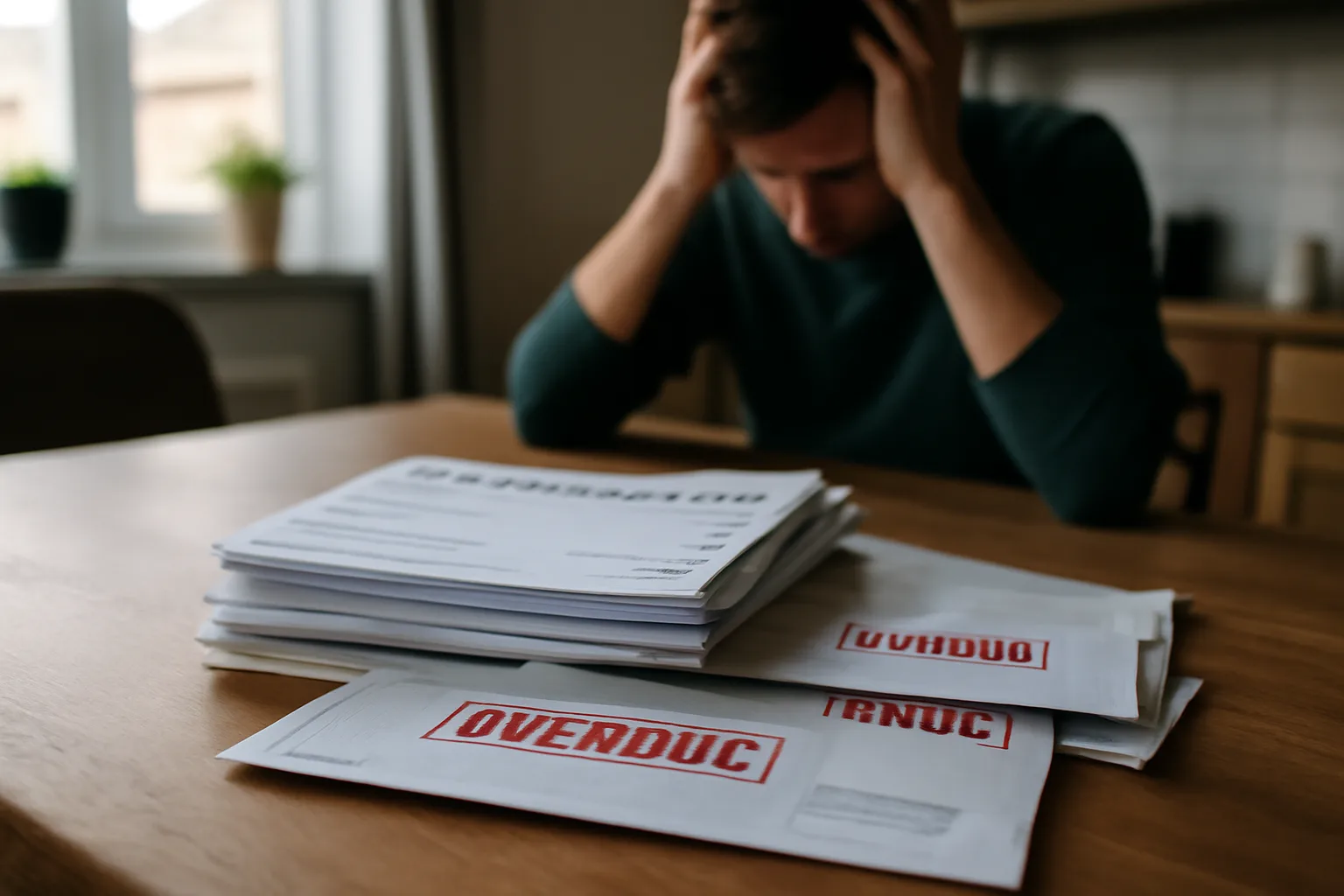
- You can pay off credit card debt fast by combining a payoff method with a temporary budget that cuts non-essentials.
- If a debt has gone to collections, you can often negotiate a settlement and ask for a "pay for delete" to remove it from your credit report.
- Your credit score will recover faster than you think — most damage fades within 6 to 24 months of consistent on-time payments.
Carrying credit card debt feels heavy. The balance barely moves, the interest keeps piling on, and every statement feels like a small defeat. If you're reading this, you're probably tired of that cycle and ready for a real plan — not just another "spend less" tip.
Here's the good news: there is a clear, proven path to getting the best credit card debt result. It's not about magic or discipline alone. It's about using the right tools in the right order — from choosing a payoff strategy to knowing exactly how to handle a collection account if one shows up on your report.
This guide walks you through every step, in plain English. No judgment, no jargon. Just a practical roadmap you can start using today.
Remember, this is general information to help you understand your options — it's not financial advice, so consider talking to a nonprofit counselor or financial professional before making big decisions.
Why Your Credit Card Debt Feels Impossible to Pay Off
Before we get into the steps, it helps to understand why credit card debt behaves the way it does. Credit cards are what's called revolving debt. That means you have a credit limit, and you can borrow up to that limit again and again as you pay it down.
That flexibility is convenient, but it also works against you. When you make a payment, that money goes toward interest first, then fees, and only then does it reduce what you actually owe. If your card has a 24% APR, a $100 payment on a $5,000 balance might only reduce the principal by $60 or so.
The rest vanishes into interest.
That's why so many people pay for years and barely see the balance move. It's not that you're bad with money — it's that the system is designed to keep you in the cycle. Understanding this is the first step to breaking it.
How to Pay Off Credit Card Debt Fast: The 7-Step Plan
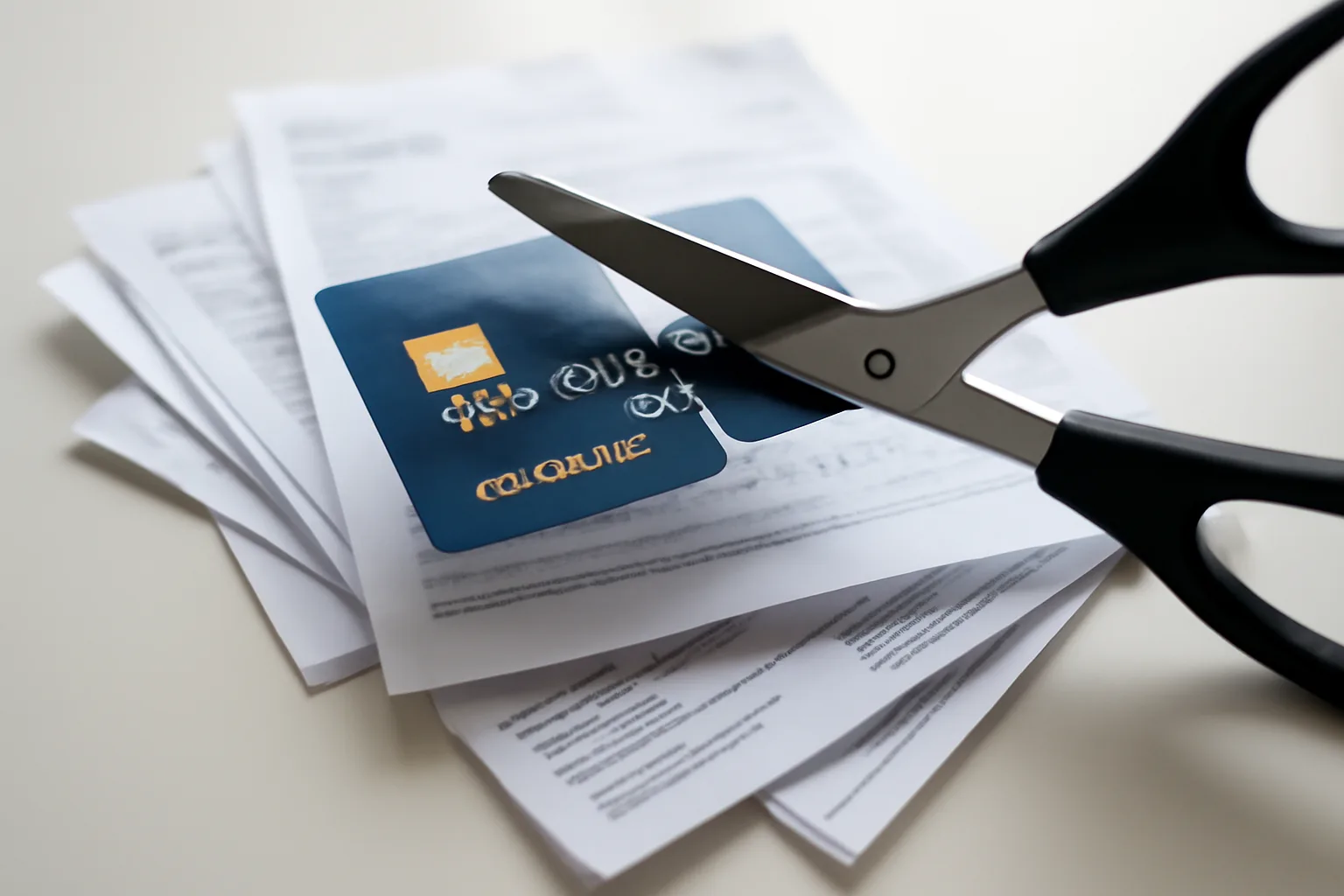
You can pay off credit card debt fast, but "fast" is relative. It depends on your income, your expenses, and how much you can realistically throw at the balance each month. What follows is a sequence that works for most people, regardless of the amount you owe.
Take these one at a time. You don't need to be perfect — you need to be consistent.
Step 1: Stop the Bleeding — Freeze New Charges
Nothing you do matters if the balance keeps growing. The very first step is to stop using your credit cards for new purchases. That's non-negotiable.
Physically remove the cards from your wallet. Delete the saved card numbers from your phone and from online stores. If you're worried about impulse spending, freeze the cards in a block of ice or lock them in a drawer.
Make it hard to use them.
Switch to cash or a debit card for everyday spending. Yes, it feels restrictive for a week or two. But you'll quickly realize that paying with money you actually have changes how you think about every purchase.
Step 2: Know Exactly What You Owe
You can't fix what you don't measure. Pull up every credit card account and write down three numbers for each: the total balance, the interest rate (APR), and the minimum payment.
Put this all in one place — a spreadsheet, a notebook, or even a note on your phone. Seeing the full picture is uncomfortable, but it's also empowering. You now have a target, and targets are easier to hit than vague fears.
While you're at it, check your free credit report at AnnualCreditReport.com. Make sure every account listed is actually yours. Errors happen more often than you'd think, and fixing a mistake can give your score an instant boost.
Step 3: Choose Your Payoff Strategy — Snowball or Avalanche
There are two main ways to attack multiple credit card balances, and both work. The difference is psychological versus mathematical. If you want a deeper comparison, read our breakdown of the debt snowball vs avalanche methods.
The debt snowball method has you pay the minimum on every card, then throw any extra money at the smallest balance first. Once that one is paid off, you roll that full payment into the next smallest. It feels great because you get quick wins, which keeps you motivated.
The debt avalanche method is the same idea, but you target the card with the highest interest rate first. This saves you more money over time because you're killing the most expensive debt fastest. It takes longer to see a card hit zero, but the math works in your favor.
Which should you choose? If you're motivated by seeing progress, go snowball. If you're disciplined and want to save the most money, go avalanche.
Either way, the key is to pick one and stick with it.
Step 4: Build a Budget That Frees Up Cash
To pay down credit card debt fast, you need extra money each month. That means taking a hard look at your spending and finding places to cut — even temporarily.
Start with the big three: housing, transportation, and food. Can you refinance your car loan? Shop at a cheaper grocery store?
Trim your streaming services? Small cuts of $20 to $50 here and there add up to $200 or more per month.
Then look at your income. Is there room for a side gig? Delivery driving, freelancing, or selling unused items around the house can generate an extra $200 to $500 a month.
Every dollar you earn above your minimum expenses is a weapon against your debt.
Step 5: Call Your Credit Card Companies and Negotiate
Most people never do this, which is exactly why it works. Call the number on the back of your card and ask for a lower interest rate. It sounds intimidating, but the worst they can say is no.
Here's the script: "I've been a customer for X years and I've always paid on time. I'm trying to pay down my balance faster, but the interest rate is making it hard. Can you lower my APR?" If the first rep says no, ask to speak to a supervisor or call back another day.
Even a 3% to 5% rate reduction can save you hundreds over a year. And if you have a good payment history, you might also qualify for a balance transfer offer — which brings us to the next step.
Step 6: Consider a Balance Transfer or Debt Consolidation
A balance transfer moves your high-interest debt to a new card with a 0% introductory APR, usually for 12 to 21 months. During that window, 100% of your payment goes to the principal. That's how to quickly pay off credit card debt.
There's a catch: most balance transfers charge a fee of 3% to 5% of the amount transferred. And if you don't pay the balance off before the promo period ends, the remaining balance jumps to the regular APR — which can be high.
If your credit score is good enough to qualify (usually 670 or higher), a balance transfer can be a powerful tool. Just commit to paying it off before the clock runs out. If you can't qualify, a debt consolidation loan from a credit union might offer a lower fixed rate than your cards.
Step 7: Automate Your Payments and Track Progress
Set up automatic payments for at least the minimum on every card, and schedule your extra payment for the card you're attacking. Automation removes the temptation to skip a month.
Then, track your progress weekly. Watching the balance drop — even by small amounts — is motivating. Many people find that seeing the numbers move keeps them going when they'd otherwise give up.
And when you pay off a card, celebrate. It doesn't have to be expensive. A nice dinner, a movie night, something that marks the win.
You've earned it.
What If Your Debt Is Already in Collections?
If your debt has been charged off and sold to a collection agency, the game changes. You're no longer dealing with the original credit card company — you're dealing with a debt buyer who paid pennies on the dollar for your account.
That's actually good news for you. Because they paid so little, they're often willing to settle for a fraction of what you owe. A $5,000 debt might be settled for $2,500 or even less.
But you need to be careful. Collection agencies can be aggressive, and they don't always play by the rules. Knowing your rights is essential.
How to Remove Debt Collection from Credit Report
One of the most common questions people ask is how to remove debt collection from credit report. The short answer: you can, but it takes the right approach.
First, request a debt validation letter. Under the Fair Debt Collection Practices Act (FDCPA), the collector must verify that the debt is yours and that they have the right to collect it. Send this request in writing within 30 days of their first contact.
If they can't verify the debt, they must stop collection efforts, and you can dispute the account with the credit bureaus. If it can't be verified, it gets removed from your report.
If the debt is valid, you can negotiate a "pay for delete" agreement. This means you agree to pay the debt (or a settlement amount) in exchange for the collection agency removing the account entirely from your credit report. Get this agreement in writing before you send a single dollar.
Not all agencies will agree to pay for delete, but many will — especially if you're offering a lump-sum settlement. It's the single most effective way to clean up your credit report.
How to Pay Down Credit Card Debt Quickly When You Have No Extra Money

Sometimes the math doesn't work. You've cut everything you can, and there's still nothing left at the end of the month. If that's your situation, you need to think differently.
First, look at your fixed expenses. Is your rent or mortgage more than 30% of your income? Are you paying for a car you could sell?
These are hard questions, but they're worth asking. A cheaper apartment or a paid-off used car can free up hundreds of dollars a month.
Second, consider a temporary hardship program. Many credit card companies have them. If you explain your situation, they may lower your interest rate, waive fees, or accept reduced payments for a few months.
It won't erase the debt, but it buys you time.
Third, look at income-based solutions. Can you work overtime? Pick up a weekend shift?
Sell plasma? These aren't long-term solutions, but they can generate the cash you need to get momentum.
How Do I Pay Off Credit Card Debt Fast Without Hurting My Credit Score?
This is a common worry, and it's understandable. The good news: paying off debt is one of the best things you can do for your credit score in the long run.
In the short term, you might see a small dip if you close a card after paying it off. That's because closing a card reduces your total available credit, which can increase your credit utilization ratio. The fix is simple: keep the card open and just don't use it.
Your credit utilization — how much of your available credit you're using — is a huge factor in your score. As you pay down balances, your utilization drops, and your score typically rises. It's one of the fastest ways to improve your credit.
So don't worry about the temporary blip. Focus on the long game. A year from now, your score will be better than it is today if you stick to the plan.
Should You Use a Debt Settlement Company?
If you're struggling to make payments, you might be tempted by companies that promise to settle your debt for pennies on the dollar. These are called debt settlement companies, and they charge hefty fees — often 15% to 25% of the enrolled debt.
Here's how they work: you stop paying your credit cards and instead pay the settlement company each month. They hold your money in an account while your debts go further into default. After several months, they negotiate a settlement with your creditors.
The problem is that your credit score takes a major hit while you're not paying. Late payments and charge-offs stay on your report for seven years. And there's no guarantee the company will succeed — some creditors refuse to settle.
If you're considering this route, look for a nonprofit credit counseling agency first. They offer free or low-cost advice and can set up a Debt Management Plan (DMP), which often includes lower interest rates without the credit damage.
How to Get Out of Credit Card Debt Fast: The Realistic Timeline
So how long does this actually take? For a detailed walkthrough, see our guide on how to get out of credit card debt. But here's a realistic picture.
If you have $10,000 in credit card debt at 22% APR and you pay $400 per month, it will take you about 32 months to pay it off. That's nearly three years, and you'll pay about $2,700 in interest.
Now, if you get the rate down to 15% and increase your payment to $600 per month, you'll be done in about 19 months and pay just $1,100 in interest. The combination of a lower rate and a higher payment cuts your timeline by more than a year.
That's the power of this plan. You don't need a windfall — you need to optimize the two levers you control: the interest rate and the monthly payment.
What If You Owe More Than You Can Ever Repay?
If your debt is truly unmanageable — say, you owe $50,000 and your income is $30,000 — you might need to consider bankruptcy. It's a scary word, but for some people, it's the right choice.
Chapter 7 bankruptcy wipes out most unsecured debts, including credit cards. Chapter 13 sets up a 3-to-5-year repayment plan. Both will damage your credit, but they also give you a fresh start.
Bankruptcy stays on your credit report for 7 to 10 years. But here's the thing: many people see their credit scores start to recover within a year or two of filing, especially if they take steps to rebuild. And the relief of being debt-free often outweighs the credit hit.
This is a big decision, so talk to a bankruptcy attorney who offers a free consultation. They can tell you if you qualify and what to expect. Just remember: bankruptcy is a legal tool, not a moral failing.
How to Rebuild Your Credit After Paying Off Debt
Once you've paid off your cards, the work isn't over — but it gets easier. The goal now is to build a positive credit history that reflects your new habits.
Keep your oldest credit card open, even if you don't use it. The length of your credit history matters, and closing your oldest account can hurt your score.
Use a card for a small recurring charge — like a streaming subscription — and set it to autopay in full each month. This shows responsible usage without carrying a balance.
And check your credit report regularly. You're entitled to a free report from each of the three major bureaus (Equifax, Experian, and TransUnion) every week at AnnualCreditReport.com. Look for errors and dispute anything that's wrong.
Common Mistakes to Avoid When Paying Off Credit Cards
Even with a good plan, people make mistakes that slow them down. Here are the ones to watch out for.
Mistake #1: Closing cards as you pay them off. As we covered, this can hurt your utilization ratio. Keep them open.
Mistake #2: Using your tax refund as "fun money." If you get a refund, put it toward your debt. It's the fastest way to make a dent.
Mistake #3: Ignoring your emergency fund. If you put every dollar into debt and then your car breaks down, you'll end up back on the credit card. Save a small $1,000 buffer first.
Mistake #4: Falling for "credit repair" scams. No one can legally remove accurate negative information from your credit report. If a company promises to do so, they're lying.
Tools and Apps to Help You Stay on Track
You don't have to do this with a pen and paper. There are plenty of tools that make tracking and paying off debt easier.
Budgeting apps like YNAB (You Need A Budget) or EveryDollar help you plan your spending and find extra cash. Debt payoff apps like Undebt.it or the debt payoff calculator on NerdWallet let you model different strategies and see your payoff date.
And don't forget the simple stuff: set up automatic payments, use calendar reminders, and check your balances once a week. The more you engage with your finances, the less likely you are to slip back into old habits.
When to Seek Professional Help
There's no shame in asking for help. If you feel stuck, a nonprofit credit counselor can provide free or low-cost advice. They can review your budget, negotiate with creditors, and set up a Debt Management Plan if it makes sense.
You can find accredited counselors through the National Foundation for Credit Counseling (NFCC) or the Financial Counseling Association of America. These are legitimate, nonprofit organizations — not debt settlement companies.
If you're considering bankruptcy, consult a qualified attorney. Many offer free initial consultations, so you can get answers without committing to anything.
And if you're being harassed by debt collectors, know that the Consumer Financial Protection Bureau has resources to help you understand your rights under the FDCPA. You can also file a complaint with them if a collector violates the law.
Your Step-by-Step Action Plan for This Week
Let's turn this into action. Here's what to do over the next seven days to get the best credit card debt result.
- Day 1: List all your credit card balances, APRs, and minimum payments.
- Day 2: Remove your credit cards from your wallet and online payment methods.
- Day 3: Create a bare-bones budget for the next 30 days, cutting everything non-essential.
- Day 4: Call your highest-interest card and ask for a lower APR.
- Day 5: Research balance transfer offers if your credit score is 670 or higher.
- Day 6: Set up automatic payments for at least the minimum on all cards.
- Day 7: Make your first extra payment — even if it's just $25. Momentum matters.
That's it. Seven days, seven actions. You don't need to have it all figured out — you just need to start.
Key takeaways
- To get the best credit card debt result, combine a payoff strategy (snowball or avalanche) with a lower interest rate and a temporary budget that frees up extra cash.
- You can pay off credit card debt fast by negotiating your APR, using balance transfers wisely, and automating your payments.
- If a debt is in collections, request validation, negotiate a settlement, and ask for a "pay for delete" to remove it from your credit report.
- Keep paid-off cards open to protect your credit utilization ratio, and build a small emergency fund to avoid relapsing into debt.
- This is general information, not financial advice — consider consulting a nonprofit credit counselor for personalized guidance.
Frequently asked questions
What is the fastest way to pay off credit card debt?
Will paying off a credit card hurt my credit score?
Can I remove a collection account from my credit report without paying?
Is debt settlement worth it compared to paying off the cards myself?
How long does a charge-off or collection stay on my credit report?
This article is for general informational purposes only and does not constitute financial, legal or credit-repair advice. Always consult a qualified financial advisor or credit counselor about your specific circumstances.

Written & reviewed by
Can OTUEditor
Can OTU is the editor of this site, curating and reviewing every guide for accuracy and clarity.
View all guides →