What Is Credit Utilization and Why Does It Matter?
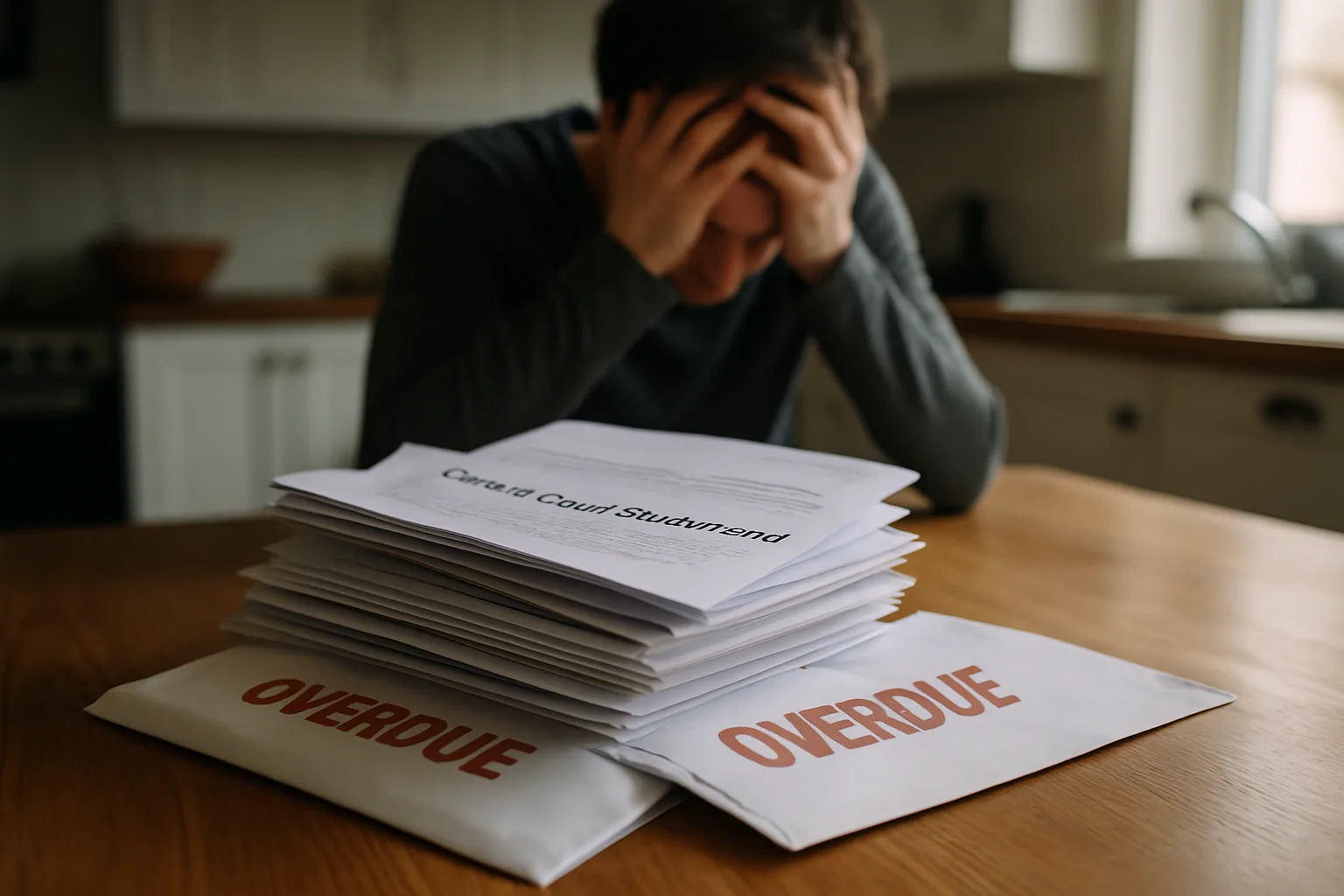
- Keeping utilization below 30% is a common guideline, but lower is better for top scores.
- You can improve utilization by paying down balances, increasing credit limits, or making multiple payments per month.
- Credit restoration services may help fix errors but cannot remove accurate negative information.
If you've ever checked your credit score and wondered why it's not higher, credit utilization might be the culprit. It's a fancy term for a simple idea: how much of your available credit you're actually using. Think of it like a gas tank.
If you have a 15-gallon tank and you've used 12 gallons, you're at 80% capacity. Lenders see that as a red flag — it suggests you might be overextended.
Credit utilization makes up about 30% of your FICO score, making it the second most important factor after payment history. That means even if you pay all your bills on time, high utilization can drag your score down. The good news?
It's also one of the easiest things to fix, often quickly.
In this article, we'll break down exactly what credit utilization is, how it's calculated, why it matters, and practical steps you can take to improve it. We'll also touch on whether how to pay off credit card debt strategies can help lower your utilization — spoiler: they can. And we'll answer a common question: do credit restoration services really work?
Let's dive in.
This article is for informational purposes only and does not constitute financial advice. Please consult a qualified professional for your specific situation.
What Is Credit Utilization Ratio?
Your credit utilization ratio is the amount of credit you're using compared to your total available credit. It's expressed as a percentage. For example, if you have a credit card with a $10,000 limit and a $3,000 balance, your utilization on that card is 30%.
Lenders look at two types of utilization:
- Per-card utilization: The balance on a single card divided by that card's limit.
- Overall utilization: The total of all your balances divided by the total of all your credit limits across all cards and revolving accounts.
Both matter, but overall utilization tends to have a bigger impact on your credit score. If one card is maxed out but others are low, your overall utilization might still be okay — but that one maxed-out card could still hurt.
Why Per-Card Utilization Matters Separately
Even if your overall utilization is low, a single maxed-out card can raise red flags. Lenders may see that as a sign of financial stress on that account. For instance, if you have three cards with a combined $30,000 limit and $5,000 total balance, your overall utilization is about 17%.
But if all $5,000 is on one card with a $6,000 limit, that card's utilization is 83%. That high per-card ratio can still lower your score.
Credit scoring models like FICO consider both overall and per-card utilization. Keeping each card below 30% is ideal, but the overall number carries more weight. The best approach is to spread balances across cards or pay down the highest-utilization card first.
How Is Credit Utilization Calculated?
The math is straightforward: Total revolving balances ÷ Total revolving credit limits × 100 = Utilization percentage. Revolving accounts include credit cards and lines of credit, but not installment loans like mortgages or car loans.
Let's say you have three credit cards:
| Card | Limit | Balance | Utilization |
|---|---|---|---|
| Card A | $5,000 | $2,000 | 40% |
| Card B | $3,000 | $1,500 | 50% |
| Card C | $2,000 | $0 | 0% |
| Total | $10,000 | $3,500 | 35% |
Your overall utilization is 35% ($3,500 ÷ $10,000). Some cards report balances to credit bureaus once a month, usually on your statement date. That's the number that appears on your credit report and affects your score.
When Do Credit Bureaus See Your Balance?
Credit card issuers typically report your balance to the bureaus on your statement closing date. That reported balance is what credit scoring models use to calculate utilization. If you make a payment after the statement closes but before the due date, that payment won't lower the reported balance.
To reduce utilization, you need to pay before the statement closing date.
Some issuers report multiple times per month, but most stick to once per cycle. You can call your card issuer to confirm the exact reporting date. Then, plan your payments to arrive a few days before that date to ensure a lower balance is reported.
Why Does Credit Utilization Matter So Much?
Credit scoring models like FICO and VantageScore use utilization as a key indicator of risk. High utilization suggests you might be relying too heavily on credit, which could mean trouble making payments. According to the Consumer Financial Protection Bureau (CFPB), consumers with high utilization are statistically more likely to miss payments.
Here's how utilization affects FICO scores:
- 0%: Good, but not perfect — using no credit at all can actually be slightly less favorable than using a small amount.
- 1–10%: Excellent — this is the sweet spot for the highest scores.
- 11–30%: Good — still fine, but not optimal.
- 31–50%: Fair — starts to noticeably lower your score.
- 51%+: Poor — significant negative impact.
The CFPB explains that utilization can change your score quickly because it's based on your current balances. Pay down a card, and your score can improve within weeks.
The Psychology Behind Utilization's Importance
Lenders view high utilization as a sign of potential overextension. If you're using 80% of your available credit, you may have less room to handle emergencies. This makes you a higher risk for default.
In contrast, low utilization suggests you have a financial cushion and manage credit responsibly.
Credit scoring models are designed to predict future behavior based on past data. Studies show that people with high utilization are more likely to miss payments in the next 12 months. That's why utilization carries so much weight in your score.
What Is a Good Credit Utilization Ratio?
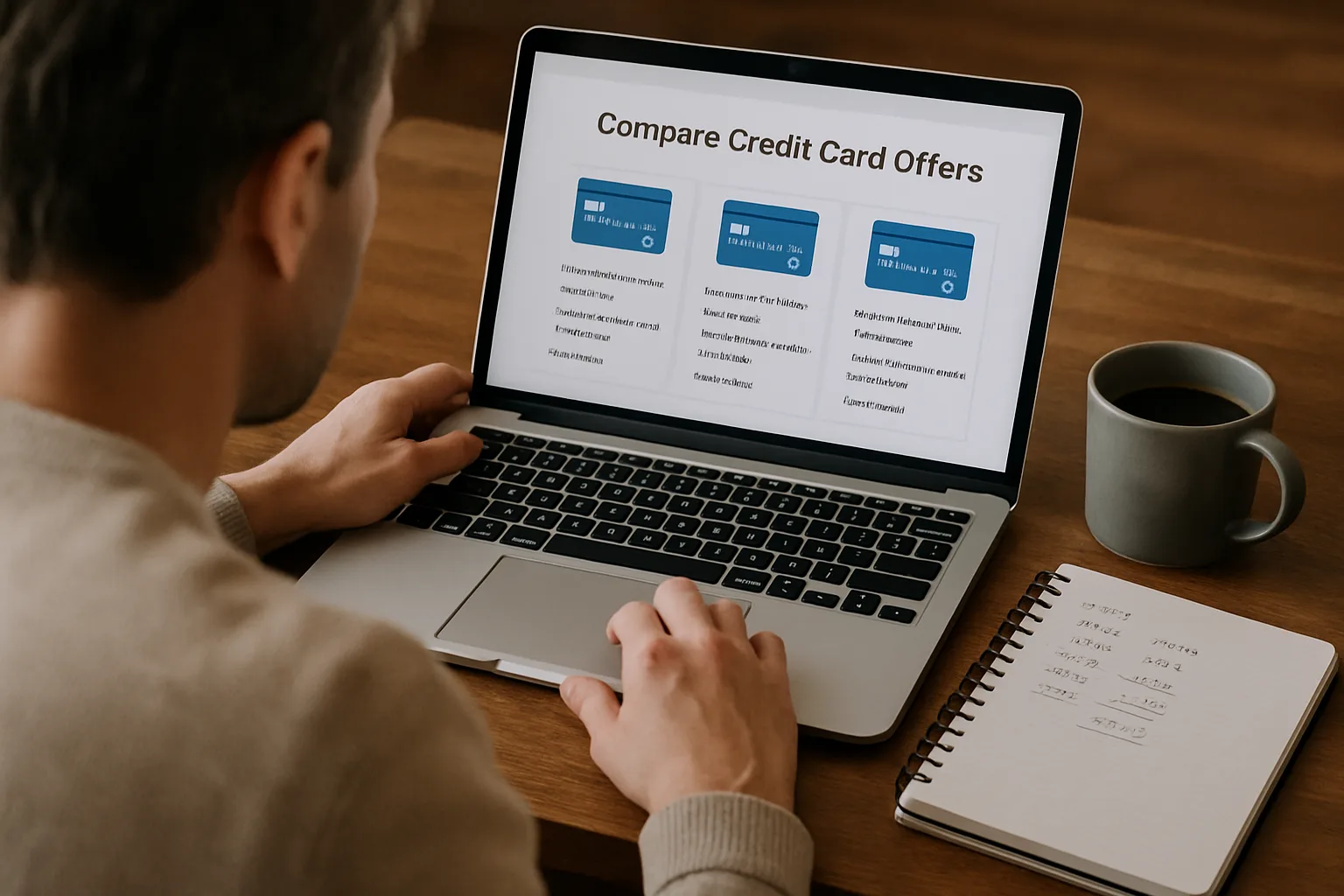
The often-cited rule of thumb is to keep your utilization below 30%. That's a good starting point, but if you're aiming for an excellent credit score (750+), you'll want to stay under 10% — ideally around 1–5%.
But don't take it to zero. Using 0% utilization can actually be slightly less beneficial than using a tiny amount, because it shows lenders you're actively using credit responsibly. A small balance that you pay off each month is ideal.
Why Zero Utilization Isn't Perfect
If all your cards report a $0 balance, it looks like you're not using credit at all. Scoring models can't assess how you manage credit if you don't use it. A small balance, say $10 on a $1,000 limit card, shows you can use credit and pay it off.
This can boost your score slightly compared to zero utilization.
However, don't carry a balance just to improve your score. Paying interest is unnecessary. Simply use a card for a small purchase each month and pay the statement balance in full.
That gives you a low utilization without any cost.
How Does Credit Utilization Affect Your Credit Score?
Credit utilization impacts your score in two main ways:
- Amounts owed (30% of FICO score): This category includes utilization, balances, and the number of accounts with balances. High utilization signals higher risk.
- New credit (10% of FICO score): Opening new accounts can temporarily lower your average account age and increase hard inquiries, but it also increases your total available credit, which can lower utilization.
Because utilization is a snapshot of your current debt, it can change quickly. That's different from payment history, which takes years to build. If you pay down a big balance, your score can jump in a month or two.
How Utilization Interacts With Other Factors
Payment history and utilization work together to shape your score. Even if you have perfect payment history, high utilization can still drop your score by 50–100 points. Conversely, low utilization can partially offset a few late payments.
But payment history is the most important factor, so always prioritize on-time payments.
Utilization also affects your ability to get approved for new credit. Lenders may deny applications if your utilization is above 50%, even if your income is high. That's because they see high utilization as a risk factor for future missed payments.
How to Lower Your Credit Utilization
There are several strategies to bring your utilization down. Some work fast, others take time.
Pay Down Balances
The most direct way is to pay off your credit card debt. Even paying a chunk can make a difference. If you're struggling with multiple cards, consider a how to get out of credit card debt plan that fits your budget.
You might also compare the debt snowball vs avalanche methods to find which works best for you.
Request a Credit Limit Increase
If you have a good payment history, ask your card issuer for a higher limit. This instantly lowers your utilization without you spending a dime. For example, if you have a $5,000 limit and a $2,000 balance (40% utilization), and the issuer raises your limit to $8,000, your utilization drops to 25%.
Be careful: some issuers do a hard pull, which can temporarily lower your score. Ask if they can do a soft pull instead.
Make Multiple Payments Per Month
Credit bureaus usually see the balance on your statement date. If you make a payment before that date, you can lower the reported balance. For example, if you use your card heavily and pay it off weekly, your statement might show a low or zero balance.
Open a New Credit Card
Opening a new card increases your total available credit, which lowers overall utilization. But this comes with a hard inquiry and a new account, which can temporarily lower your score. Only do this if you can manage the new card responsibly.
Use a Balance Transfer Card
Transferring high-interest balances to a card with a 0% intro APR can help you pay down debt faster. The new card's limit adds to your available credit, lowering utilization. Just watch out for transfer fees (typically 3–5%) and make sure you can pay off the balance before the promo period ends.
Does Closing a Credit Card Hurt Your Utilization?
Yes, closing a credit card reduces your total available credit, which can increase your utilization. For example, if you have two cards with a combined $10,000 limit and a $2,000 balance (20% utilization), and you close one card with a $5,000 limit, your available credit drops to $5,000. Your utilization jumps to 40%.
Unless the card has high annual fees or you're tempted to overspend, it's often better to keep old cards open — even if you don't use them.
What About Authorized User Accounts?
If you're an authorized user on someone else's card, that account may appear on your credit report. The card's limit and balance can affect your utilization. If the primary user has a high balance, it could hurt your score.
But if they have low utilization, it can help. You can ask to be removed as an authorized user if the account is harming your score.
Becoming an authorized user on a responsible person's card can also boost your utilization. Just make sure the primary user keeps their balance low and pays on time. This strategy is often used by parents helping children build credit.
Do Credit Restoration Services Really Work?
You might be wondering: if utilization is hurting my score, can a company fix it for me? That's where credit restoration services come in. These companies promise to improve your credit by disputing errors on your credit reports.
They can be helpful if there are legitimate mistakes — like a paid-off account still showing a balance or an account that isn't yours.
But here's the truth: do credit restoration services really work for utilization? Not directly. They can't change your actual balances or payment history.
If your utilization is high because you owe money, no amount of disputing will lower it. The only way to fix that is to pay down the debt.
Some services may help you identify errors that, once corrected, could lower your reported balances. But you can do that yourself for free by checking your credit reports at AnnualCreditReport.com. The Federal Trade Commission (FTC) warns that many credit repair companies charge upfront fees for services you can do yourself.
Bottom line: credit restoration can help with errors, but it's not a magic bullet for high utilization. Save your money and focus on paying down debt.
When Credit Restoration Might Help
If your credit report shows a balance that's higher than what you actually owe, a credit restoration service can dispute that error. For example, if you paid off a card but the report still shows a $500 balance, disputing it can lower your reported utilization. This could boost your score if the error was significant.
However, most utilization issues are caused by actual debt, not errors. Before paying for a service, review your credit reports yourself. You can dispute errors for free through the credit bureaus' websites.
The process is straightforward and doesn't require professional help.
How Long Does It Take to Improve Your Credit Utilization?
Because utilization is based on current balances, improvements can show up on your credit report within 30–45 days — whenever the card issuer reports to the bureaus. If you pay down a balance today, your next statement might show a lower balance, and your score could increase soon after.
That's much faster than building a long payment history or waiting for negative items to fall off. So if you need a quick score boost, lowering utilization is one of the best levers you can pull.
Real-World Timeline Example
Imagine you have a card with a $10,000 limit and a $9,000 balance (90% utilization). You pay $4,000 on the 15th of the month. Your statement closes on the 20th.
The issuer reports the new balance of $5,000 to the bureaus. Within a week or two, your credit score updates to reflect the new 50% utilization. If you pay another $3,000 before the next statement, your utilization drops to 20%, and your score improves further.
This timeline shows that utilization improvements are not instant but happen within one to two billing cycles. Consistent payments over a few months can dramatically lower your utilization and raise your score.
What About Utilization on Installment Loans?
Installment loans — like mortgages, auto loans, and student loans — don't use the same utilization calculation. They have their own scoring factors, like how much you owe relative to the original loan amount. But they aren't included in your credit utilization ratio, which is only for revolving credit.
That said, having too much total debt can still hurt your score through the "amounts owed" category. But the immediate impact of utilization is mostly about credit cards and lines of credit.
How Installment Loans Affect Your Score Differently
For installment loans, scoring models look at the percentage of the loan you've paid off. For example, if you have a $20,000 car loan and you've paid $5,000, you owe 75% of the original amount. This is called "loan-to-value" and it affects your score, but not as heavily as credit card utilization.
Paying down an installment loan early can improve your score over time, but the effect is slower than reducing credit card balances. That's because installment loans are seen as less risky than revolving credit. Focus on credit cards first for the fastest utilization improvement.
Common Myths About Credit Utilization
Let's clear up a few misconceptions:
- Myth: You should never use more than 30% of your credit limit. Reality: 30% is a guideline, not a hard rule. Lower is better, and occasional high usage won't permanently damage your score if you pay it off quickly.
- Myth: Carrying a small balance helps your score. Reality: You don't need to pay interest to build credit. Paying your statement balance in full each month is best — you avoid interest and still show responsible use.
- Myth: Utilization has a memory. Reality: Utilization is a snapshot. If you had high utilization last month but paid it down this month, your score will reflect the new, lower number. Past high utilization doesn't linger.
More Myths Debunked
Myth: Closing a card with a high limit always hurts your score. Reality: It can hurt if you have a balance on other cards, but if you have no balances, closing a card has little effect. The impact depends on your overall credit profile.
Myth: You need to use every card to keep utilization low. Reality: You don't need to use all your cards. Even if you only use one card, keeping its balance low and your total limits high is fine. Unused cards still contribute to your available credit.
How to Monitor Your Credit Utilization
Many credit card apps show your current utilization. You can also check your credit score through free services like Credit Karma or your card issuer. These often include a utilization tracker.
For a full picture, get your credit reports from AnnualCreditReport.com. You're entitled to one free report per week from each bureau through the end of 2023 (and likely beyond). Review them for errors that might be inflating your reported balances.
Setting Up Alerts for Better Monitoring
Most credit card issuers allow you to set up balance alerts. You can get a text or email when your balance reaches a certain threshold, like 30% of your limit. This helps you stay aware of your utilization in real time.
You can also set up payment reminders to ensure you pay before the statement closing date.
Some free credit monitoring services, like Credit Karma or WalletHub, send weekly updates on your utilization changes. These tools make it easy to track progress and adjust your strategy as needed.
Putting It All Together: A Plan to Improve Your Utilization
Here's a step-by-step plan you can start today:
- Check your current utilization. Add up all your credit card balances and divide by your total credit limits.
- Set a target. Aim for under 30% overall, and under 10% if you're chasing a top score.
- Pay down high-balance cards first. Focus on cards with the highest utilization, as they hurt the most.
- Consider a balance transfer or limit increase. These can help if you can't pay down balances quickly.
- Make multiple payments per month. Especially if you use your card frequently, paying early can keep reported balances low.
- Don't close old cards. Keep them open to preserve your total available credit.
- Monitor your progress. Check your score monthly to see improvements.
Remember, you don't need to be perfect. Even small steps can make a difference. And if you're dealing with high debt, a how to pay off credit card debt plan can help you reduce balances over time.
Creating a Budget to Support Your Plan
To effectively lower utilization, you need a budget that prioritizes debt repayment. Track your monthly income and expenses, then allocate extra funds to your highest-utilization cards. Even an extra $50 per month can make a difference over time.
Use budgeting apps like Mint or YNAB to stay on track.
If you're struggling to make ends meet, consider a side hustle or selling unused items to generate extra cash. Every dollar you put toward credit card debt reduces your utilization and improves your score. Consistency is key.
Key takeaways
- Credit utilization is the percentage of available credit you're using, and it makes up 30% of your FICO score.
- Keeping utilization below 30% is good; below 10% is excellent for top scores.
- You can lower utilization by paying down balances, increasing credit limits, or making multiple payments per month.
- Credit restoration services can fix errors but won't lower actual balances — paying debt is the only real solution.
- Utilization changes quickly, so improvements can boost your score in a month or two.
Frequently asked questions
Does checking my credit score hurt my credit utilization?
Can I have 0% utilization and still have a good score?
How often do credit card companies report balances to the bureaus?
Will paying off a credit card immediately lower my utilization?
Do credit restoration services really work for high utilization?
This article is for general informational purposes only and does not constitute financial, legal or credit-repair advice. Always consult a qualified financial advisor or credit counselor about your specific circumstances.

Written & reviewed by
Can OTUEditor
Can OTU is the editor of this site, curating and reviewing every guide for accuracy and clarity.
View all guides →