Starting July 1, 2026, new federal rules cap how much parents can borrow through Parent PLUS loans and overhaul repayment options — here's exactly what's changing and what to do about it.
Before you pay for debt settlement, ask these 7 critical questions to avoid scams, understand costs, and find the best path for your financial situation.
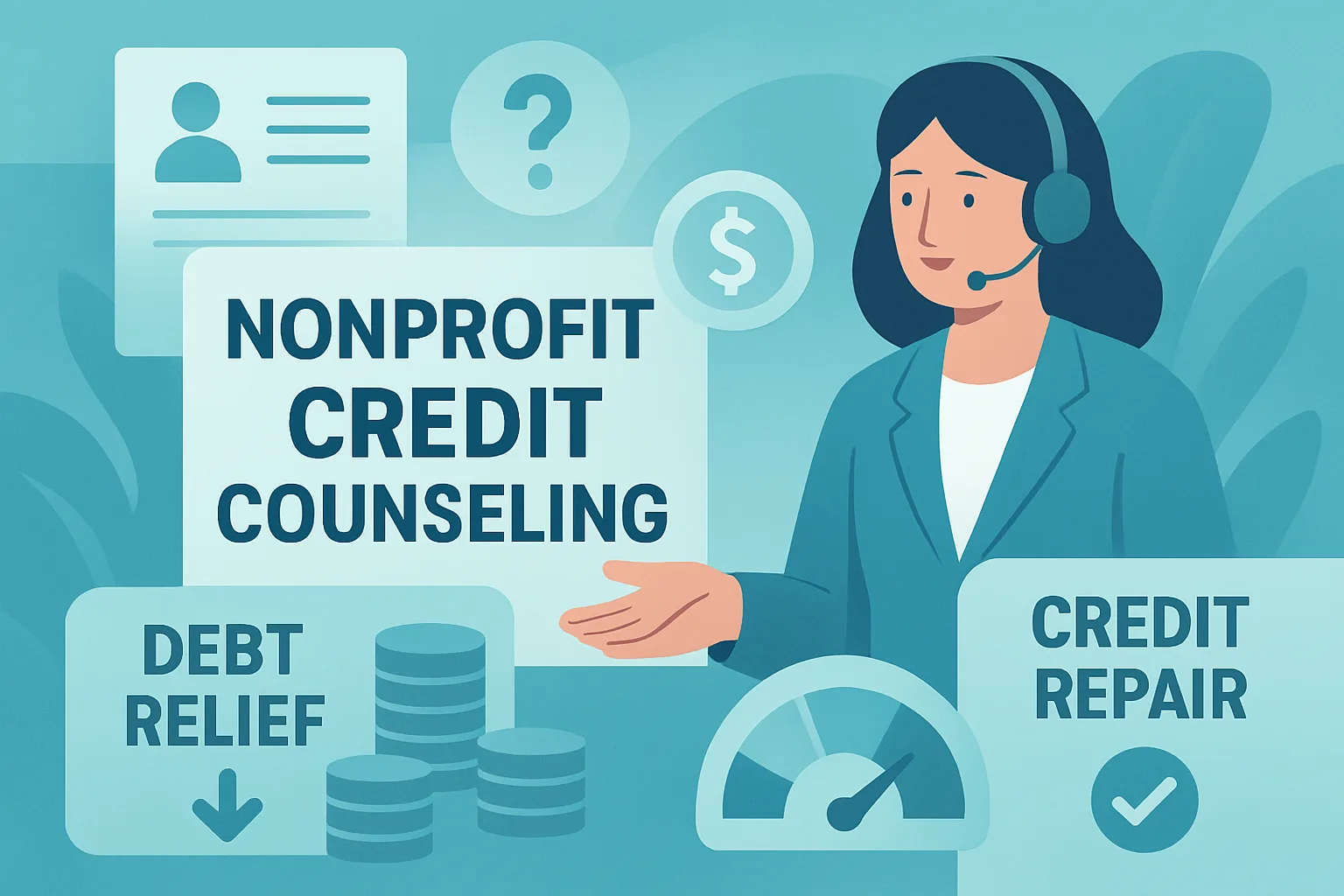
Nonprofit credit counseling offers free or low-cost help to manage debt through budgeting advice, debt management plans, and financial education. Learn how it works, its costs, and how it compares to debt settlement and debt consolidation.
Some states offer medical debt forgiveness programs that can help eliminate bills or lower payments without the credit damage of traditional debt relief. Here's what you need to know about eligibility, how they work, and whether one is right for your situation.
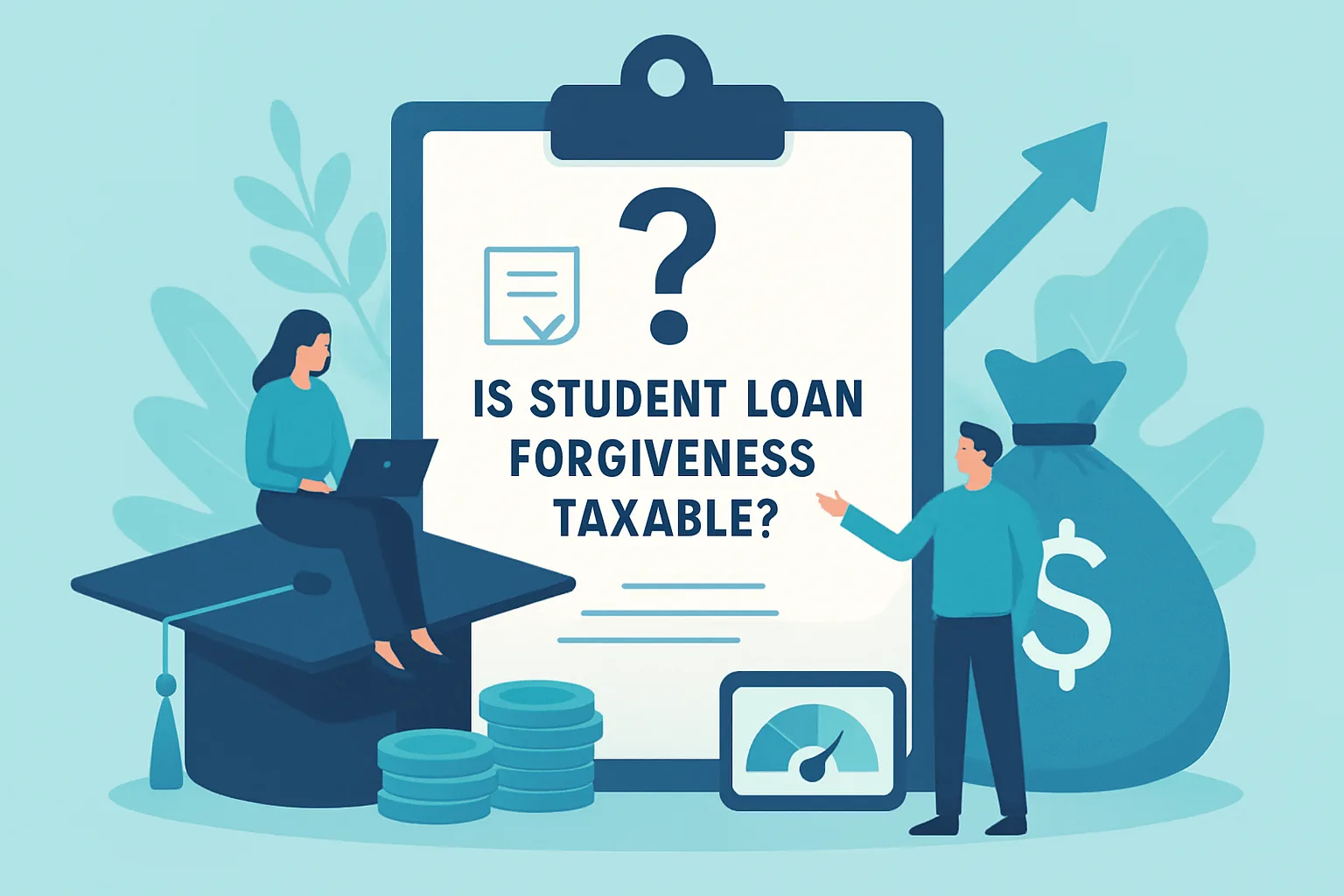
Wondering if student loan forgiveness is taxable? Most federal forgiveness programs are not taxed through 2025, but some scenarios can trigger a tax bill. Learn the rules, exceptions, and strategies to avoid surprises.
Learn how to resolve IRS back taxes with payment plans, offers in compromise, and other relief options. Compare debt relief vs debt consolidation for tax debt.
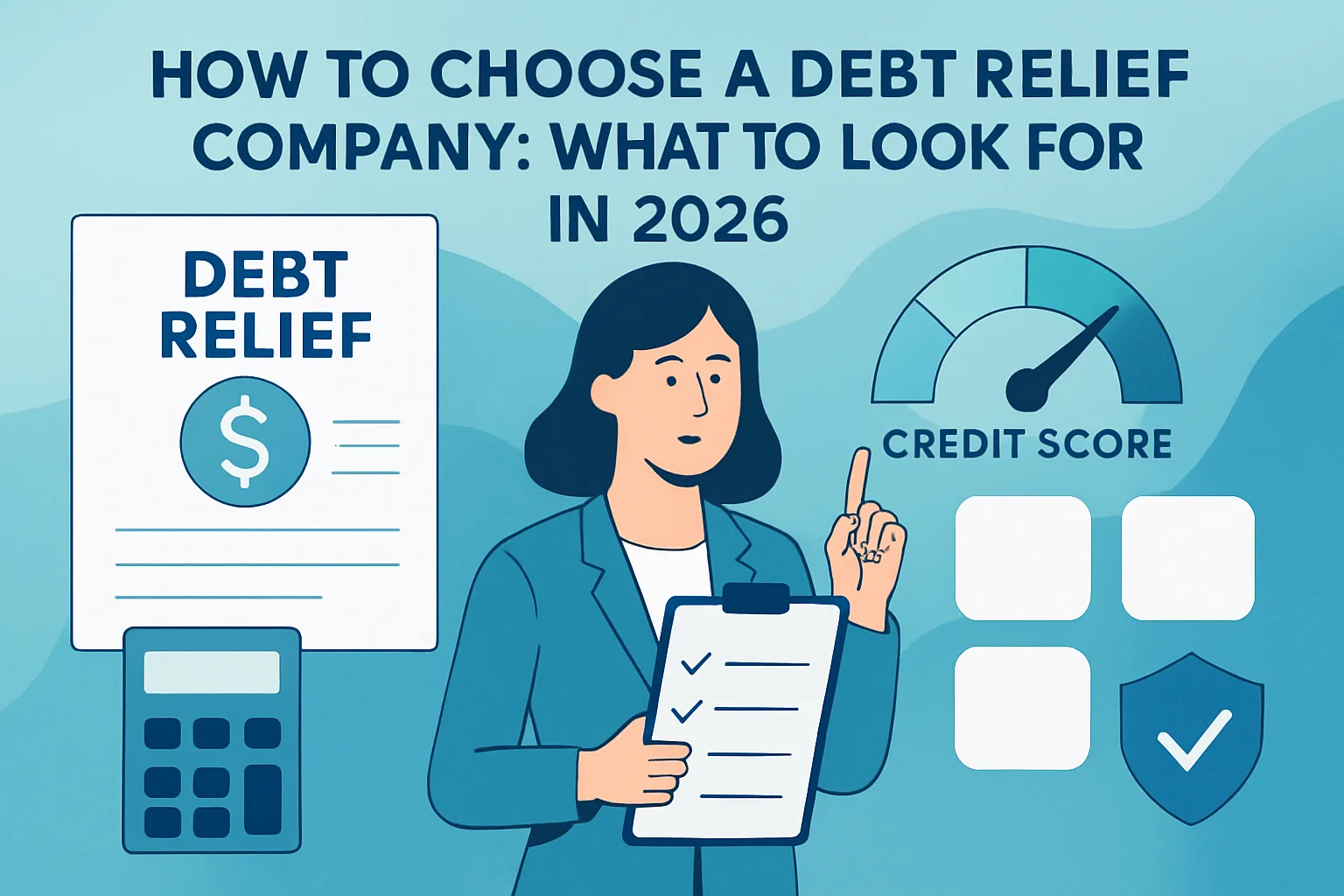
Learn how to choose a debt relief company in 2026. Compare debt relief vs consolidation, settlement, and management to find the best option for your situation.
Major student loan repayment changes take effect July 1, 2026. Learn about new income-driven plans, the SAVE plan's uncertain status, and strategies for paying off loans with low income.
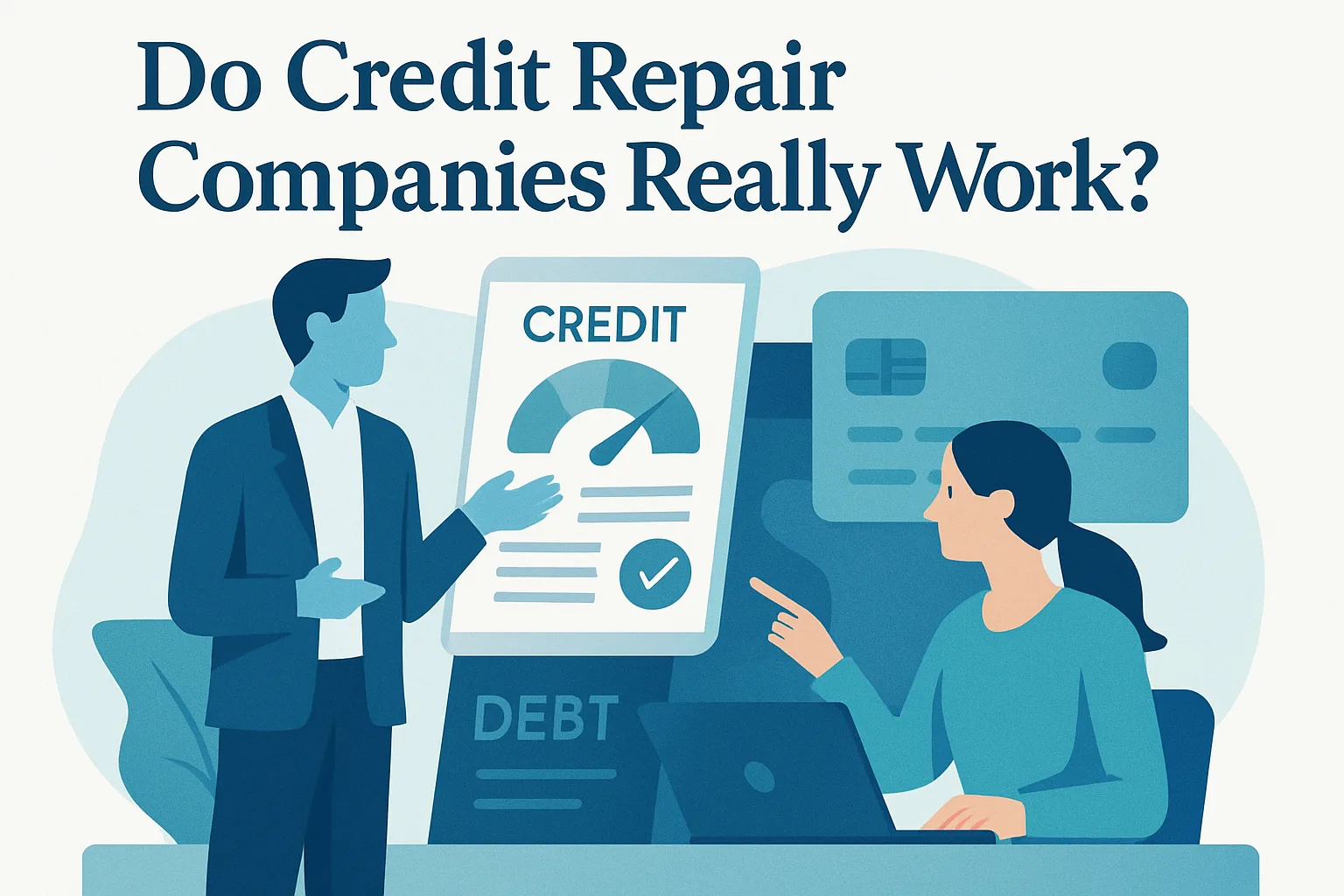
Wondering if credit repair companies really work? This guide explains what they do, their legal limits, costs, and whether DIY credit repair might be a better option.
Debt settlement can reduce what you owe, but it comes with fees, credit damage, and tax risks. Learn how it works, what it costs, and safer alternatives.
·18 min read
We value your privacy.
We use cookies to improve your experience, serve relevant ads and analyse traffic. See our
Cookie Policy.