Debt Avalanche vs Debt Snowball: Which Payoff Method Is Better?

Understanding the Psychology Behind Each Method
The debt snowball speaks to your emotional brain. It treats debt payoff like a series of small victories. Each paid-off account gives you a sense of control and progress that can be addictive in a good way.
Neither approach is wrong. The key is recognizing which type of thinker you are before you start. If you love spreadsheets and optimization, avalanche will feel satisfying.
If you need visible proof that your effort is working, snowball will keep you engaged.
Why Quick Wins Matter More Than You Think
Behavioral economists call this "goal gradient effect." The closer you feel to a goal, the harder you work to reach it. The snowball exploits this by giving you a finish line that's always in sight.
When you pay off a $500 credit card in two months, your brain registers success. That success releases dopamine, which makes you want to repeat the behavior. Over time, this creates a habit loop that keeps you paying down debt.
The avalanche doesn't offer this early reward. If your highest-rate debt is $10,000, it might take a year before you see any account hit zero. For many people, that delay leads to discouragement and abandonment of the plan.
How to Calculate Your Personal Break-Even Point
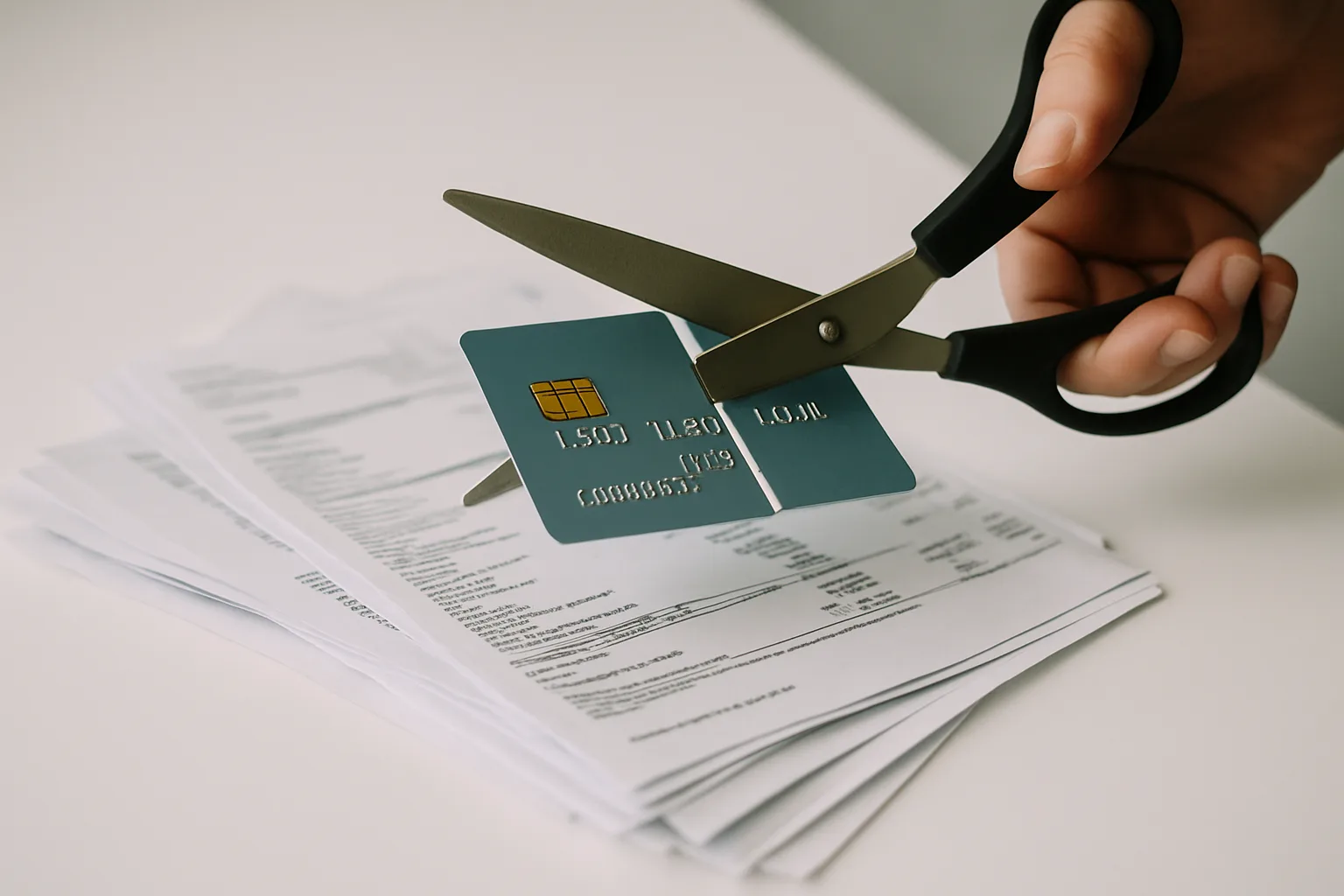
You can estimate which method will work better for you by looking at your debt profile. Start by listing all your debts with balances and interest rates. Then calculate how many months it would take to get your first win under each method.
Under the snowball, your first win is your smallest balance divided by your extra monthly payment. Under the avalanche, your first win is your highest-rate balance divided by that same payment. Compare those two numbers.
If the snowball gives you a win in 3 months and the avalanche takes 12 months, the snowball is likely better for your motivation. If both give you a win in similar timeframes, the avalanche is probably the smarter choice since you'll save more money.
Example Calculation for Clarity
Say you have three debts: $800 at 15%, $2,000 at 22%, and $5,000 at 10%. Your extra payment is $300 per month. Under the snowball, you'd pay off the $800 debt in about 3 months.
Under the avalanche, you'd pay off the $2,000 debt in about 7 months.
The snowball gives you a win 4 months faster. That difference could be the deciding factor if you've struggled with motivation before. The avalanche would save you roughly $150 in interest, but only if you actually stick with it.
If you abandon the avalanche after 6 months because you feel stuck, you'll end up worse off than if you'd used the snowball from the start. The best plan is the one you follow through to completion.
When to Consider a Hybrid Approach
Some people find that neither pure method feels right. A hybrid strategy can give you the best of both worlds. You might pay off the smallest debt first for a quick win, then switch to highest-rate targeting for the remaining balances.
Another hybrid option is to group debts by interest rate tiers. Pay off all debts above 20% first, regardless of balance, then switch to smallest balance for the lower-rate debts. This gives you both financial efficiency and emotional momentum.
You can also use the snowball method but only for debts under a certain balance threshold. For example, knock out any debt under $1,000 first, then switch to avalanche for everything larger. This clears small annoyances quickly while still optimizing your larger payoff strategy.
Creating Your Custom Payoff Plan
Start by listing all debts with their balances and rates. Identify which debts are small enough to pay off within 3–4 months. Those become your snowball targets.
All remaining debts get ordered by interest rate for avalanche treatment.
Write out a timeline showing when each debt will be paid off under your hybrid plan. Seeing the dates on paper helps you commit to the process. Update the timeline each month as you make progress.
Remember that your plan can evolve. If you hit a motivation slump, you can temporarily switch to snowball mode by targeting the smallest remaining balance. Flexibility is better than quitting entirely.
The Role of Interest Rates in Your Decision

Interest rates matter most when the gap between your highest and lowest rates is large. If you have a credit card at 24% and a student loan at 4%, the avalanche will save you significant money. The snowball might cost you hundreds of extra dollars in interest.
But if all your debts have similar interest rates, the financial difference between methods shrinks. For example, if everything is between 15% and 20%, the avalanche might save you only a few dollars. In that case, the snowball's motivational benefits outweigh the small cost difference.
You can calculate the exact interest savings using a debt payoff calculator. Input your debts, extra payment, and method choice. Compare the total interest paid under each scenario.
If the difference is less than $200, choose based on motivation rather than math.
When Rates Are Close, Behavior Wins
If your highest rate is 18% and your lowest is 14%, the avalanche advantage is minimal. The snowball might cost you an extra $50 in interest over the life of the debt. That $50 is a small price to pay for a strategy that keeps you motivated.
In this scenario, the snowball is almost always the better choice. You get the psychological benefits without sacrificing much financial efficiency. The key is knowing when the numbers matter and when they don't.
Use the 5% rule: if the gap between your highest and lowest interest rates is less than 5%, the snowball is likely fine. If the gap is larger than 5%, the avalanche deserves serious consideration for the financial savings.
How Debt Consolidation Fits Into Your Strategy
Debt consolidation can simplify your payoff plan by combining multiple debts into one monthly payment. This works well if you qualify for a lower interest rate than your current average. It reduces the number of accounts you need to track and can lower your monthly payment.
But consolidation doesn't reduce your principal balance. You still owe the same amount of money. The benefit comes from potentially lower interest and simpler management.
It's a tool, not a solution for overspending.
When asking which is better debt relief or debt consolidation, remember that debt relief typically involves settling for less than you owe, which damages your credit. Consolidation preserves your credit if you make payments on time. Choose consolidation if you can afford the full balance and want to protect your credit score.
Consolidation vs Snowball or Avalanche
If you consolidate your debts into a single loan, you lose the ability to target individual accounts. You'll have one payment and one interest rate. This can make the snowball method impossible because there's only one debt.
However, consolidation can still work with the avalanche mindset. You're effectively refinancing your highest-rate debts into a lower rate. That's mathematically similar to paying off high-rate debt first, just done all at once.
For the snowball approach, consolidation removes the quick-win benefit. You won't get the dopamine hit of paying off individual accounts. If motivation is your biggest challenge, keeping debts separate for snowball might be better than consolidating.
What About Debt Settlement as an Alternative
Debt settlement involves negotiating with creditors to accept less than you owe. This can reduce your total debt by 30% to 50% on average. However, it comes with significant downsides including credit damage, fees, and tax consequences.
When comparing which is better debt consolidation or debt settlement, consolidation is generally safer and less damaging. Settlement should only be considered if you're already behind on payments and can't see a path to paying the full amount.
If you're exploring settlement, understand that creditors typically won't negotiate until you're 90 to 180 days delinquent. That means your credit will already be damaged before any savings occur. The process can take 2 to 4 years to complete.
When Settlement Might Make Sense
Debt settlement is most appropriate when your debt is unsecured (credit cards, medical bills, personal loans) and you have a lump sum available to settle. If you can save $10,000 over a year and settle a $20,000 debt for $8,000, that's a significant reduction.
But settlement is not a payoff method like avalanche or snowball. It's a debt resolution strategy for people who cannot pay their full balances. If you can afford minimum payments and have extra to put toward debt, avalanche or snowball are better options.
Always consult with a nonprofit credit counselor before pursuing settlement. They can help you understand all your options and avoid scams. Many settlement companies charge high fees and deliver poor results.
How to Build an Emergency Fund Alongside Debt Payoff
Many people make the mistake of throwing every dollar at debt without any savings. Then a car repair or medical bill forces them to use credit cards again. This creates a cycle of paying off debt and reaccumulating it.
Start with a mini emergency fund of $1,000 to $2,000 before making extra debt payments. This small cushion can handle most minor emergencies without derailing your progress. Once you have that, shift focus to debt payoff.
After you've paid off your debt, build a full emergency fund of 3 to 6 months of expenses. This protects you from future financial shocks and helps you stay debt-free long-term.
Balancing Savings and Debt Payments
If you have high-interest debt above 20%, prioritize debt payoff over savings beyond the mini fund. The interest you're paying likely exceeds any return you'd get from savings. Mathematically, paying down 22% credit card debt is better than saving in a 4% savings account.
For lower-interest debt like student loans at 5%, you might choose to build a larger emergency fund first. The interest cost is low enough that having cash available provides more security than the small savings from faster payoff.
Your personal comfort level matters too. If having $5,000 in savings helps you sleep at night, that's worth considering even if it's not mathematically optimal. Financial decisions aren't just about numbers; they're about your peace of mind.
How to Track Your Progress Effectively
Tracking your debt payoff keeps you accountable and motivated. Use a simple spreadsheet with columns for debt name, balance, interest rate, minimum payment, and target payoff date. Update it monthly to see your progress.
Visual tracking can be powerful. Create a chart or graph showing your total debt decreasing over time. Color in sections as you pay off each account.
Seeing the visual representation of your progress reinforces your commitment.
Many people find success with debt payoff apps like Undebt.it or Debt Payoff Planner. These tools let you input your debts and compare avalanche vs snowball scenarios. They also send reminders and celebrate milestones with you.
Celebrating Milestones Without Derailing Progress
When you pay off a debt, acknowledge your accomplishment. Treat yourself to something small like a nice dinner or a movie. Avoid expensive rewards that could set back your progress.
Share your wins with supportive friends or family. Posting in online debt payoff communities can provide encouragement and accountability. Knowing others are cheering for you helps maintain momentum.
Set intermediate milestones beyond just paying off debts. For example, celebrate when your total debt drops below $10,000, or when you've made 12 consecutive on-time payments. These markers keep you engaged during longer payoff periods.
What to Do If You Slip Up
Everyone makes mistakes with money. You might charge an unexpected expense to a credit card or miss a minimum payment. The key is not to let one slip-up derail your entire plan.
If you use a credit card for an emergency, add that new balance to your debt list and continue your payoff method. Don't view it as a failure; view it as a temporary setback. Adjust your timeline and keep moving forward.
If you miss a minimum payment, make it up as soon as possible. Contact your creditor to explain and ask if they'll waive any late fees. Then recommit to your plan and consider setting up automatic payments to prevent future misses.
Learning From Mistakes
Analyze why the slip-up happened. Was it a true emergency or an impulse purchase? Did you not have enough emergency savings?
Understanding the root cause helps you prevent similar issues in the future.
Adjust your budget or strategy if needed. If you keep using credit cards for non-emergencies, consider leaving them at home or freezing them in a block of ice. Make it harder to access credit while you're paying down debt.
Forgive yourself and move on. Guilt and shame don't help you pay off debt. What helps is consistent action over time.
One mistake doesn't erase the progress you've already made.
How Long Will Each Method Take?
The timeline for debt payoff depends on your total debt, interest rates, and how much extra you can pay each month. Generally, the avalanche method pays off debt slightly faster because you're not paying as much interest, so more of your payment goes to principal.
However, the difference in total time is often small. In the example earlier with $9,500 in debt and $400 extra per month, both methods finished within a few months of each other. The snowball took about 2 months longer but provided earlier wins.
You can estimate your own timeline using a debt payoff calculator. Input your debts, extra payment, and method. The calculator will show you the exact payoff date and total interest paid.
This helps you set realistic expectations.
Factors That Affect Your Timeline
Your extra payment amount is the biggest factor. Increasing your monthly payment by even $50 can shave months off your timeline. Look for ways to earn extra income or cut expenses to boost your payment.
Interest rates also matter. Higher rates mean more interest accrues each month, slowing your progress. That's why the avalanche method focuses on eliminating high-rate debts first — it stops the fastest-growing balances.
Your debt-to-income ratio affects how much you can afford to pay. If your minimum payments take up a large portion of your income, you'll have less extra to put toward debt. Consider increasing your income through a side job or overtime to accelerate progress.
When to Seek Professional Help
If you're struggling to make minimum payments or your debt feels overwhelming, consider working with a nonprofit credit counselor. They can help you create a budget, explore debt management plans, and understand all your options.
Credit counseling agencies like the National Foundation for Credit Counseling (NFCC) offer free or low-cost sessions. They can also set up debt management plans where they negotiate lower interest rates with your creditors. This can make your debt more manageable.
If you're considering bankruptcy, consult with a bankruptcy attorney first. They can explain the differences between Chapter 7 and Chapter 13 and help you understand the long-term consequences. Bankruptcy should be a last resort after exploring all other options.
Red Flags to Watch For
Be cautious of companies that promise to eliminate your debt quickly or charge large upfront fees. Legitimate credit counseling agencies are nonprofit and charge modest fees. Debt settlement companies often charge high fees and may not deliver results.
Never pay for debt advice without understanding exactly what services you'll receive. Ask for a written agreement and read it carefully. If something sounds too good to be true, it probably is.
You can verify a credit counselor's credentials through the NFCC or the Financial Counseling Association of America. These organizations certify reputable agencies and can help you find help in your area.
How to Automate Your Debt Payoff
Automation removes the temptation to spend money that should go toward debt. Set up automatic transfers from your checking account to your debt accounts each month. This ensures you never miss a payment and stay consistent.
For the avalanche method, automate extra payments to the highest-rate debt while paying minimums on others. For the snowball method, automate extra payments to the smallest balance first. Adjust the automation each time you pay off a debt.
Many banks and credit card issuers allow you to schedule recurring payments online. You can also use bill pay services to send checks automatically. Automation turns your payoff plan into a hands-off system that runs in the background.
Using Windfalls to Accelerate Payoff
Windfalls like tax refunds, bonuses, or gifts can dramatically speed up your debt payoff. Apply these lump sums directly to your target debt under your chosen method. This can shave months off your timeline without changing your monthly budget.
For example, if you receive a $2,000 tax refund and you're using the snowball method, apply it to your smallest debt. That debt might be paid off immediately, giving you a quick win. Under the avalanche, apply it to your highest-rate debt to maximize interest savings.
Resist the urge to spend windfalls on non-essentials. Remind yourself that every dollar applied to debt brings you closer to financial freedom. The temporary sacrifice is worth the long-term benefit.
How to Stay Motivated During Long Payoff Periods
Long payoff periods can feel draining, especially with the avalanche method. Break your total debt into smaller milestones to maintain momentum. For instance, celebrate when you pay off 25%, 50%, and 75% of your total balance.
Create a visual debt thermometer that you update each month. Color in the progress as your balance decreases. Seeing the bar fill up gives you a tangible sense of achievement, even when no individual account is paid off yet.
Join online communities like r/debtfree or debt payoff Facebook groups. Sharing your journey with others who understand can provide encouragement and accountability. You can also learn from their successes and setbacks.
Rewarding Yourself Sustainably
Set up a reward system for reaching debt payoff milestones. For example, after paying off three debts, treat yourself to a $50 experience like a hiking trip or a concert ticket. Keep rewards small and aligned with your financial goals.
Avoid rewards that involve spending money you don't have. Instead, focus on free or low-cost activities like a picnic in the park, a movie night at home, or a day trip to a local attraction. The celebration is about acknowledging progress, not spending.
Track your rewards in your debt payoff spreadsheet. Seeing how many rewards you've earned can be motivating in itself. It turns the payoff process into a game where you're winning small prizes along the way.
Key takeaways
- Debt avalanche saves the most money on interest — pay highest-rate debt first.
- Debt snowball builds momentum — pay smallest balance first for quick wins.
- Choose based on your personality: math-minded people prefer avalanche; those who need motivation prefer snowball.
- If you need more than a payoff method, explore consolidation, settlement, or counseling.
- Always keep an emergency fund and pay at least minimums on all debts.
- Consider a hybrid approach if neither pure method feels right for your situation.
- Track your progress visually and celebrate milestones to stay motivated.
- Don't let slip-ups derail your plan — learn from them and keep moving forward.
Frequently asked questions
Which is better, debt avalanche or debt snowball?
Does the debt avalanche method really save that much money?
Can I use debt consolidation instead of avalanche or snowball?
What if I have a huge debt with a high interest rate?
Is it better to pay off debt or save money first?
This article is for general informational purposes only and does not constitute financial, legal or credit-repair advice. Always consult a qualified financial advisor or credit counselor about your specific circumstances.

Written & reviewed by
Can OTUEditor
Can OTU is the editor of this site, curating and reviewing every guide for accuracy and clarity.
View all guides →