How to Make Extra Money to Pay Off Debt Faster
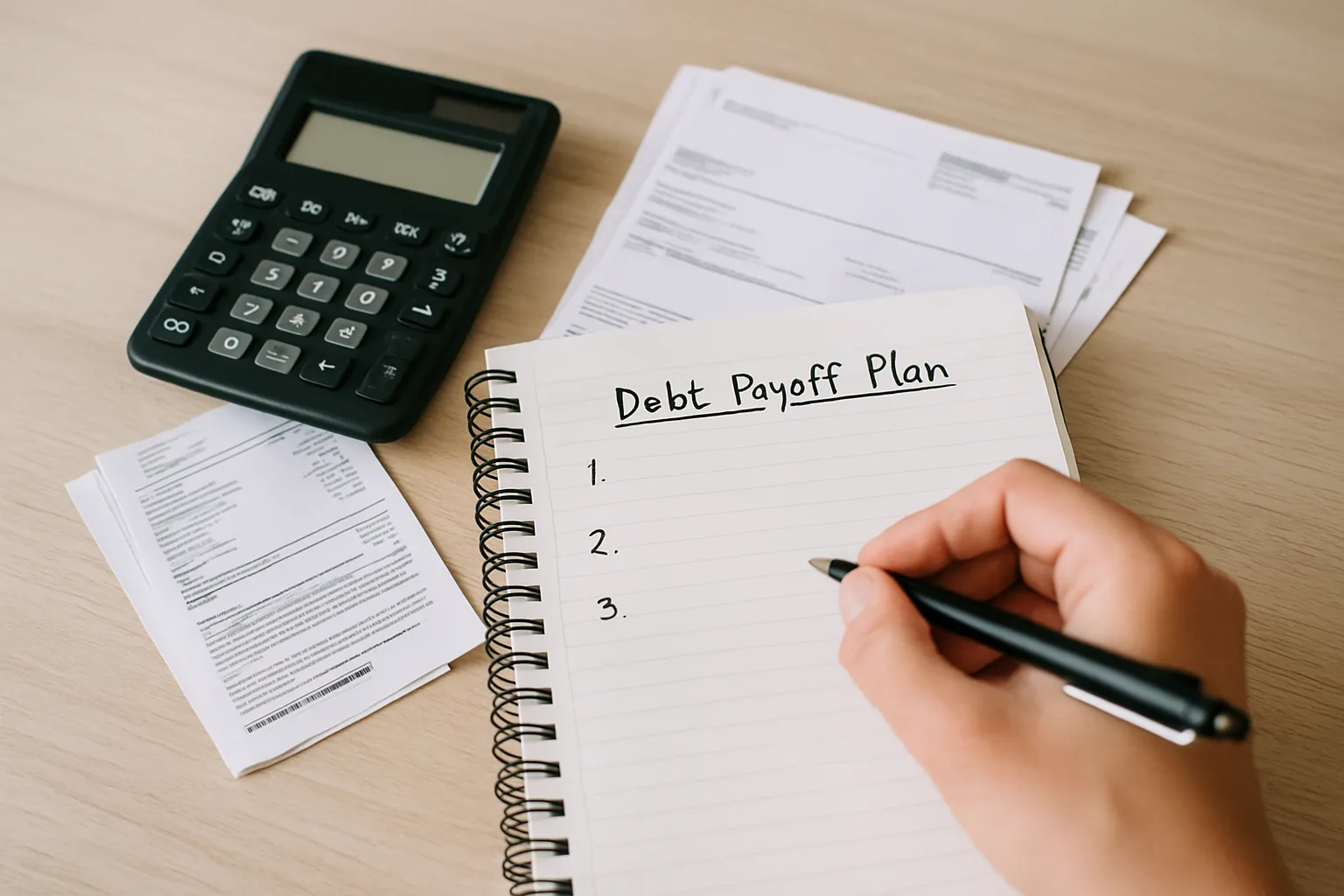
- Start with low-barrier side gigs like delivery or freelancing.
- Sell things you no longer use for quick cash.
- Redirect savings from trimmed expenses straight to debt payments.
If you're staring down a pile of credit card debt and wondering how you'll ever get ahead, you're not alone. Many people feel stuck because their regular paycheck barely covers the minimums, let alone extra payments. But here's the thing: making extra money on the side can be the game-changer you need to how to get out of debt faster than you ever thought possible.
This article isn't about complicated investment strategies or get-rich-quick schemes. It's about real, practical ways to bring in additional income — even if you have no money to start with. We'll cover side hustles you can begin today, clever ways to cut expenses, and how to use every extra dollar to crush your debt.
By the end, you'll have a clear action plan to speed up your journey to financial freedom.
Remember, this is general information, not professional financial advice. Your situation is unique, so consider consulting a certified credit counselor or financial advisor for personalized guidance.
Why Making Extra Money Is Key to Paying Off Debt Faster
Paying off debt with only your regular income can feel like trying to fill a bathtub with the drain open. Every dollar you earn seems to evaporate into minimum payments, interest, and living expenses. That's where extra income comes in.
When you earn more, you can put that money directly toward your debt without affecting your daily budget. It's like turning off the drain — every extra dollar you earn goes straight to reducing principal, which saves you on interest and shortens your repayment timeline.
For example, if you owe $5,000 on a credit card with 18% APR and only make minimum payments, it could take you over 15 years to pay off. But if you earn an extra $200 a month and put it toward that debt, you could be debt-free in about 2 years. That's the power of extra income.
Step 1: Audit Your Current Spending and Find Hidden Cash

Before you start earning more, look at where your money is going. You might be surprised at how much you can free up just by trimming unnecessary expenses. This is a critical first step in learning how to pay off debt fast with low income.
Go through your bank statements for the last three months. Look for subscriptions you forgot about, dining out too often, or impulse buys. Cancel anything you don't use regularly.
Even $30 a month saved on unused gym memberships or streaming services adds up to $360 a year — that's extra money for debt.
Also, consider negotiating your bills. Call your internet, phone, and insurance providers and ask for a better rate. Many companies will lower your bill just to keep you as a customer.
Every dollar you save is a dollar you can put toward debt.
How to Spot Hidden Expenses Quickly
Use a budgeting app like Mint or YNAB to automatically categorize your spending. These tools highlight patterns you might miss manually. For instance, you may notice you spend $50 a month on coffee runs.
That $50 could instead go toward your smallest debt. Small leaks in your budget add up to significant savings over time. Identifying them is the first step to redirecting cash.
Create a Zero-Based Budget for Debt Payoff
A zero-based budget means every dollar you earn has a job, including debt payments. Start by listing all income and expenses, then assign every remaining dollar to debt. This forces you to account for every cent.
If you have $100 left after bills, put it toward your credit card. This method prevents mindless spending and accelerates payoff. It works especially well when combined with extra income.
Step 2: Sell Things You No Longer Need for Quick Cash
Most of us have items lying around that we haven't used in months or years. Selling them can generate quick cash with zero startup cost. It's one of the fastest ways to make extra money to pay off debt, especially if you need money right now.
Start with electronics, furniture, clothing, books, and collectibles. Use platforms like Facebook Marketplace, Craigslist, eBay, or Poshmark. Take clear photos, write honest descriptions, and price items competitively.
You can often sell within days.
If you have old smartphones, tablets, or game consoles, consider using a trade-in service like Decluttr or Gazelle. They offer instant quotes and free shipping, making it easy to turn clutter into cash. Even small items like old DVDs or kitchen gadgets can add up.
What to Sell for Maximum Profit
Focus on high-demand items like brand-name clothing, luxury handbags, or vintage collectibles. Research sold prices on eBay to set realistic expectations. For example, a used iPhone 12 can fetch $200–$300.
Don't overlook smaller items like textbooks, video games, or kitchen appliances. A bundle of old video games might sell for $50. Every sale, no matter how small, brings you closer to debt freedom.
How to Price and List Items Effectively
Take photos in natural light and from multiple angles. Write detailed descriptions including condition, brand, and any flaws. Price items 10–20% below similar listings to sell quickly.
Offer local pickup to avoid shipping costs and fees. Use keywords like "like new" or "gently used" to attract buyers. A well-listed item sells faster and for a better price.
Step 3: Start a Side Hustle That Fits Your Schedule
A side hustle is any work you do outside your main job to earn extra income. The best side hustles are flexible and require little to no upfront investment. Here are some popular options that can help you make extra money to pay off debt.
Delivery and Rideshare Driving
Sign up for DoorDash, Uber Eats, Instacart, or Amazon Flex. These gigs let you work when you want, and you can start earning within days. Drivers typically earn $15–$25 per hour before expenses.
You'll need a reliable vehicle and a smartphone.
For example, a driver in a busy city might earn $200 in a weekend. After gas and maintenance, net earnings could be $150. That's $150 directly toward your debt.
Freelancing Your Skills
If you have skills like writing, graphic design, web development, or virtual assistance, platforms like Upwork and Fiverr can connect you with clients. Set your own rates and work from home. Even if you're a beginner, you can find entry-level gigs.
A freelance writer might earn $50 for a 500-word blog post. Completing two per week adds $400 monthly. Over a year, that's $4,800 for debt.
Pet Sitting and Dog Walking
Use apps like Rover or Wag to offer pet care services. Many pet owners need someone to walk their dogs during the day or watch them while they travel. Rates vary but typically range from $15–$30 per walk or $30–$50 per overnight stay.
Walking one dog for 30 minutes each weekday earns $75–$150 weekly. That's $300–$600 monthly, which can pay off a small credit card balance in months.
Tutoring or Teaching Online
If you're knowledgeable in a subject, tutor students through platforms like Chegg or Wyzant. You can also teach English online to non-native speakers through companies like VIPKid (requires a bachelor's degree) or Cambly (no degree needed).
Tutoring math for two hours a week at $25 per hour adds $200 monthly. Teaching English online for 10 hours weekly can earn $500–$1,000 per month.
Participate in Paid Surveys and Market Research
Sites like Swagbucks, Survey Junkie, and UserTesting pay you for your opinion. While not a huge income, you can earn $50–$200 per month in your spare time. It's easy money that adds up.
Complete surveys during commutes or breaks. UserTesting pays $10 for a 20-minute website review. Doing one per day earns $300 monthly.
Step 4: Use Cashback and Rewards Programs
You can earn money back on purchases you already make. Download apps like Rakuten, Ibotta, and Fetch Rewards. Before you shop online, go through Rakuten to get cashback at thousands of stores.
Ibotta gives you cashback on groceries and everyday items when you scan your receipts.
Also, use a cashback credit card for all your purchases — but only if you pay the balance in full each month. Otherwise, interest will outweigh any rewards. The key is to treat cashback as extra income and put it straight toward your debt.
Maximize Cashback with Stacking
Combine multiple cashback apps for the same purchase. For example, use Rakuten for online shopping and Ibotta for grocery receipts. You can also use a cashback credit card for additional rewards.
If you spend $500 monthly on groceries, you might earn $25 from Ibotta and $10 from your card. That's $35 monthly, or $420 yearly, for debt.
Set Up Automatic Transfers for Rewards
Link your cashback accounts to your bank and set up automatic transfers to your debt payment account. This removes the temptation to spend rewards. Even small amounts add up over time.
For instance, $50 in cashback monthly equals $600 yearly. That could pay off a small medical bill or credit card balance.
Step 5: Turn Hobbies into Income
Do you enjoy crafting, photography, baking, or gardening? You can monetize your hobbies without a big investment. Sell handmade items on Etsy, offer photography sessions for family portraits, or bake goods for local events.
Start small and grow as demand increases.
If you're good at something, people will pay for it. Even a hobby like playing video games can earn money through streaming on Twitch or YouTube, though that takes time to build an audience. Focus on what you enjoy — it won't feel like work.
Examples of Profitable Hobbies
A knitter can sell scarves on Etsy for $30 each. Making five per week earns $600 monthly. A photographer charging $150 per session and booking two per month adds $300.
A baker selling cookies at $20 per dozen and selling 10 dozen weekly earns $800 monthly. These examples show how hobbies can become significant income streams.
How to Start Monetizing Quickly
List your first product or service on a free platform like Facebook Marketplace or Etsy. Offer discounts to early customers for reviews. Use social media to showcase your work.
For example, post photos of your baked goods on Instagram with local hashtags. Within weeks, you may get orders from neighbors. Start small and reinvest profits into supplies.
Step 6: Rent Out Your Space or Belongings
If you have a spare room, consider renting it on Airbnb or Vrbo. Even a few nights a month can bring in significant income. If you don't want strangers in your home, rent out your parking space, storage area, or even your car when you're not using it (through platforms like Turo).
You can also rent out equipment like cameras, tools, or camping gear on sites like Fat Llama or Loanables. It's a way to make money from things you already own but don't use daily.
Renting a Spare Room for Extra Cash
A spare room rented for $50 per night for 10 nights monthly earns $500. After cleaning and fees, net earnings might be $400. That's $4,800 yearly for debt.
If you live in a tourist area, rates can be higher. For example, a room in a city like New York might rent for $150 per night.
Renting Out Your Car or Parking Spot
Rent your car on Turo when you're not using it. A car rented for $40 per day for 10 days monthly earns $400. After insurance and maintenance, net earnings could be $300.
A parking spot in a busy area can rent for $100–$300 monthly. If you have a driveway or garage, this is passive income.
Step 7: Take Advantage of Windfalls and Bonuses
Any unexpected money — tax refunds, work bonuses, birthday gifts, or inheritance — should go directly to your debt. It's tempting to spend it on something fun, but remember that paying off debt is the best investment you can make. The interest you avoid is like earning a guaranteed return.
If you get a raise at work, commit to putting the extra amount toward debt rather than increasing your lifestyle. This is a painless way to accelerate your payoff without changing your habits.
How to Allocate Windfalls Effectively
Create a rule: 100% of windfalls go to debt until you're free. For example, a $1,000 tax refund can pay off a credit card balance. Avoid the temptation to split it.
If you receive a $500 bonus, put it toward your highest-interest debt. This reduces future interest charges and shortens your repayment timeline.
Automate Windfall Transfers
Set up automatic transfers from your checking account to debt payments when you receive bonuses. For instance, if you get a quarterly bonus, have it deposited directly into your debt account. This removes decision fatigue.
Even small windfalls like $50 birthday gifts add up. Over a year, multiple windfalls could total $1,000 or more for debt.
How to Save Money While Paying Off Debt
Many people wonder how to save money and pay off credit card debt at the same time. The key is to build a small emergency fund first — even $500 to $1,000 — so you don't have to use credit cards for unexpected expenses. Then, focus all extra money on debt.
Cut costs by cooking at home, using public transportation, canceling cable, and buying generic brands. Every dollar saved is a dollar you can put toward debt. Use the 50/30/20 budget rule: 50% for needs, 30% for wants, and 20% for savings and debt.
Adjust the percentages to prioritize debt repayment.
Practical Ways to Cut Monthly Expenses
Switch to a cheaper phone plan like Mint Mobile or Visible. Save $30–$50 monthly. Cancel unused subscriptions like gym memberships or streaming services.
Cook meals at home instead of dining out. A family of four can save $200–$400 monthly. Use coupons and buy in bulk for staples.
Build an Emergency Fund First
Set aside $500–$1,000 in a high-yield savings account. This prevents new debt from emergencies like car repairs. Once funded, redirect all savings to debt.
For example, if you save $100 monthly, you'll have $1,200 in a year. But if you put that $100 toward debt instead, you'll pay it off faster. Balance both by saving aggressively for a few months.
How to Pay Off Credit Card Debt with No Money
If you have no money at all, you might think it's impossible to pay off debt. But there are still steps you can take. First, stop using credit cards.
Cut them up or lock them away. Then, focus on increasing your income through side hustles that require no cash to start — like dog walking, freelancing, or selling items you already own.
You can also ask your credit card issuer for a hardship program. Many will lower your interest rate or waive fees temporarily if you explain your situation. This can free up money that would otherwise go to interest.
Also, consider a balance transfer to a 0% APR card if you have good credit, but be careful with fees and terms.
Negotiate with Creditors for Lower Rates
Call your credit card company and ask for a lower APR. Explain your financial hardship. Many issuers will reduce rates by 5–10% temporarily.
For example, a $5,000 balance at 18% APR costs $900 in interest yearly. Lowering it to 10% saves $400 annually. That's money you can use for payments.
Use Debt Snowball with Zero Cash
If you have no cash, start with the smallest debt. Pay it off with side hustle earnings first. This builds momentum.
For instance, a $200 medical bill can be paid with one weekend of delivery driving. Once paid, move to the next smallest debt.
How to Pay Off My Credit Card Debt Faster
To how to pay my credit card debt faster, combine extra income with a strategic repayment method. The two most popular are the debt snowball and debt avalanche.
Debt snowball: List debts from smallest to largest. Pay minimums on all but the smallest, and put all extra money toward that one. Once it's paid off, roll that payment to the next smallest.
This method gives you quick wins and motivation.
Debt avalanche: List debts from highest to lowest interest rate. Pay minimums on all but the highest-rate debt, and put extra money toward that one. This saves you the most money on interest over time.
Choose the method that fits your personality. The important thing is to stay consistent and keep adding extra payments whenever you can.
Track Your Progress with a Debt Payoff Chart
Create a visual chart showing each debt and your progress. Color in sections as you pay them off. This keeps you motivated.
For example, a chart for five credit cards can show $1,000 paid off. Seeing the line move weekly reinforces your effort.
Automate Extra Payments
Set up automatic transfers from your bank to your debt each month. Even $50 extra weekly adds up to $2,600 yearly. Automation removes the need for willpower.
If you earn $200 from a side hustle, have it deposited directly into your debt account. This ensures you don't spend it.
What If Side Hustles Aren't Enough?
Sometimes, even with extra income, the debt feels overwhelming. If you're struggling, consider talking to a nonprofit credit counseling agency. They can help you set up a debt management plan (DMP) that may lower your interest rates and consolidate payments.
In extreme cases, bankruptcy might be an option. It's not the end of the world, and it can give you a fresh start. Learn more about chapter 7 vs chapter 13 bankruptcy to see which might apply to your situation.
But only consider this after exploring all other options.
When to Seek Professional Help
If your debt exceeds 50% of your income, or you can't make minimum payments, contact a nonprofit like NFCC. They offer free counseling. A DMP can reduce interest rates to 8–10%.
For example, a $10,000 debt at 22% APR might drop to 9% with a DMP. This saves $1,300 yearly in interest.
Alternatives to Bankruptcy
Consider debt settlement, but be aware of risks. It can damage your credit score. Only use reputable companies.
Debt consolidation loans can combine multiple debts into one payment with a lower rate. But you need good credit to qualify.
Staying Motivated While Paying Off Debt
Paying off debt is a marathon, not a sprint. Celebrate small victories along the way — like paying off a single credit card or reaching a savings milestone. Track your progress visually with a chart or app.
Seeing your debt shrink can keep you motivated.
Also, find an accountability partner. Share your goals with a trusted friend or join online communities like r/Debt or r/personalfinance. You're not alone, and hearing others' success stories can inspire you to keep going.
Reward Yourself for Milestones
Set small rewards for each debt paid off. For example, treat yourself to a $20 dinner after paying off a $500 balance. This keeps you engaged.
Larger rewards could be a weekend getaway after paying off $5,000. But keep rewards small and within your budget.
Use a Debt Payoff App
Apps like Undebt.it or Debt Payoff Planner show your progress. They calculate how much you save in interest. Seeing the numbers drop is motivating.
For instance, an app might show you'll be debt-free in 18 months instead of 10 years. This visual reinforces your effort.
How to Avoid Common Pitfalls When Making Extra Money
While side hustles can accelerate debt payoff, they also come with risks. Avoid scams that promise easy money for upfront fees. Stick to reputable platforms like Upwork or Rover.
Also, avoid overworking yourself. Burnout can lead to quitting. Set realistic goals, like earning $200 monthly, and gradually increase.
Protect Your Time and Energy
Limit side hustle hours to 10–15 per week. This prevents exhaustion. Use a schedule to balance work, family, and rest.
For example, dedicate Saturday mornings to delivery driving. This routine is sustainable long-term.
Track Your Side Hustle Income for Taxes
Keep records of all earnings and expenses. You may owe self-employment tax if you earn over $400. Use apps like QuickBooks Self-Employed.
Set aside 20–30% of side hustle income for taxes. This prevents a surprise bill at year-end.
How to Use Extra Income Strategically for Debt
Once you start earning extra money, decide how to allocate it. The best strategy is to put 100% toward debt until you're free. But you can also split it: 80% to debt, 20% to savings.
For example, if you earn $500 monthly from side hustles, put $400 toward debt and $100 into an emergency fund. This builds a safety net while paying down debt.
Prioritize High-Interest Debt First
Use the debt avalanche method to focus on credit cards with the highest APR. This saves the most in interest. For instance, a card with 22% APR should be paid before a 10% personal loan.
Calculate the interest saved: $1,000 at 22% costs $220 yearly. Paying it off early saves that $220.
Make Lump-Sum Payments When Possible
Use windfalls or large side hustle earnings for lump-sum payments. For example, a $1,000 tax refund can pay off a credit card. This reduces principal quickly.
Lump-sum payments also lower your credit utilization ratio, which can improve your credit score.
Key takeaways
- Making extra money through side hustles, selling items, and cutting expenses is a powerful way to accelerate debt repayment.
- Start with no-cost options like selling unused belongings or freelancing your skills.
- Use windfalls and bonuses to make lump-sum debt payments.
- Combine extra income with a repayment strategy (snowball or avalanche) for maximum impact.
- If you're struggling, seek help from nonprofit credit counseling or explore debt relief options.
Frequently asked questions
How can I make extra money with no upfront investment?
How much extra money do I need to make to pay off debt faster?
Should I save money or pay off debt first?
Can I negotiate my credit card debt if I have no money?
What is the best side hustle for paying off debt?
This article is for general informational purposes only and does not constitute financial, legal or credit-repair advice. Always consult a qualified financial advisor or credit counselor about your specific circumstances.

Written & reviewed by
Can OTUEditor
Can OTU is the editor of this site, curating and reviewing every guide for accuracy and clarity.
View all guides →