How to Get Out of Debt on a Low Income
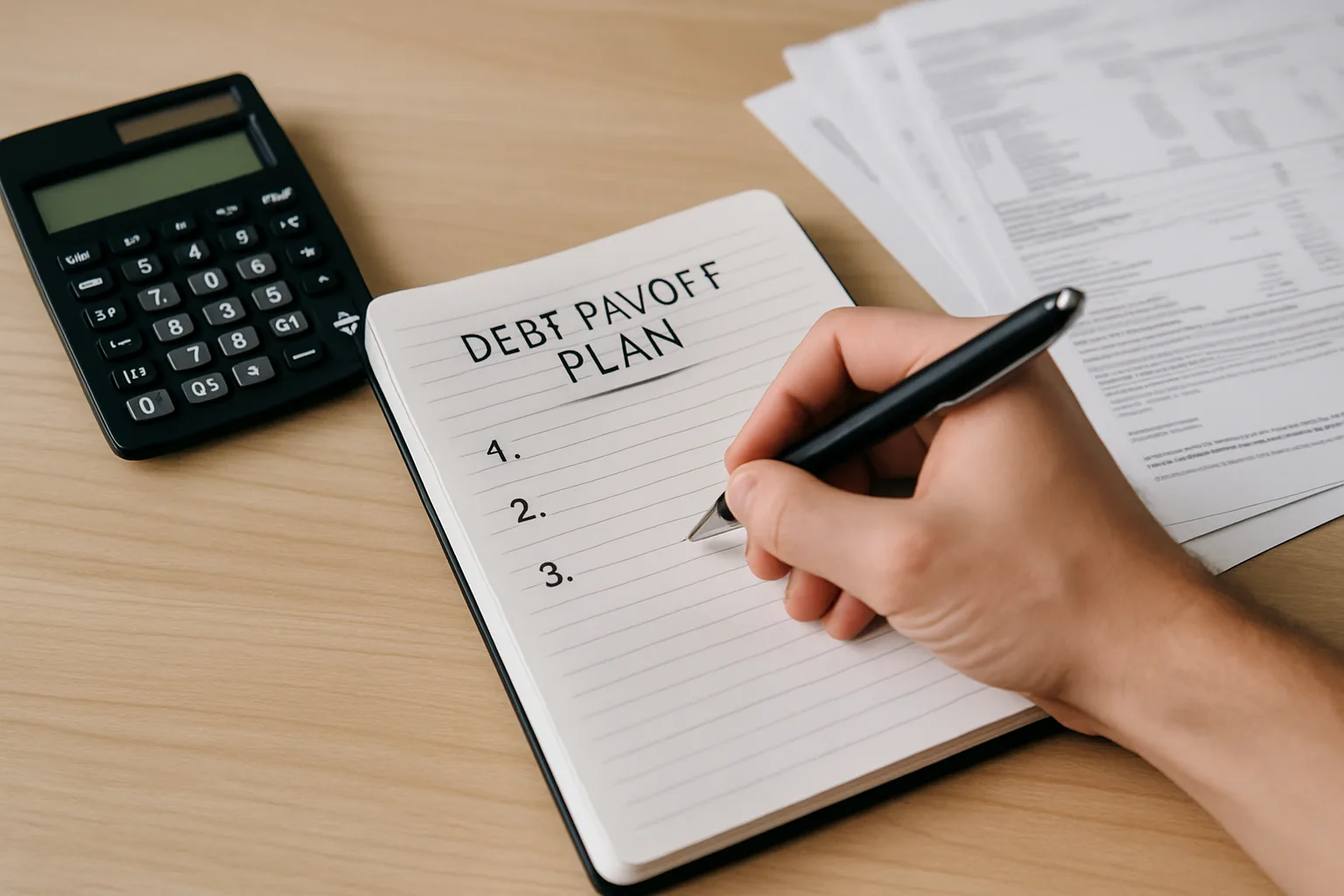
Understanding Your Debt-to-Income Ratio
To calculate it, add up all your monthly debt payments (credit cards, loans, rent, etc.) and divide by your gross monthly income. For example, if you earn $2,500 per month and pay $1,000 toward debts, your DTI is 40%.
A DTI above 36% is considered risky by lenders, and above 43% makes it hard to get new credit. Knowing your DTI helps you see how much room you have to negotiate with creditors or qualify for relief programs.
Why DTI Matters for Low-Income Borrowers
Lenders use DTI to decide if you can handle more debt. A high DTI signals you are already stretched thin.
If your DTI is above 43%, you may struggle to get a consolidation loan or a balance transfer card. But a high DTI also strengthens your case when asking creditors for hardship programs.
For instance, a DTI of 50% shows you have little disposable income. Creditors are more likely to offer lower payments or interest rate reductions when they see you are at risk of default.
Step 1: List Every Debt You Have

You can't fix what you don't see. Grab a notebook or open a spreadsheet and write down every debt: credit cards, medical bills, personal loans, student loans, payday loans, and any money you owe to family or friends. For each one, note the total balance, minimum monthly payment, interest rate, and the creditor's name.
This list is your baseline. It might feel overwhelming, but seeing everything in one place gives you power. You'll know exactly what you're dealing with, and that's the first step toward a solution.
If you have multiple debts, also note which ones are most urgent — like payday loans with sky-high interest or debts that could lead to wage garnishment. Prioritizing helps you focus your limited resources.
Organizing Your Debt List
- Use a spreadsheet or a debt tracking app for clarity.
- Highlight accounts in collections or with the highest interest rates.
- Include debts that are small but emotionally draining, like a friend loan.
Having a complete picture prevents surprises later. It also helps you see patterns, like whether you rely too much on credit cards for everyday expenses.
Example Debt List for a Low-Income Earner
Imagine you earn $2,000 per month after taxes. Your debts include a $300 medical bill at 0% interest, a $1,500 credit card at 22% APR, a $4,000 personal loan at 10% APR, and a $200 payday loan at 400% APR.
The payday loan is the most urgent due to its crushing interest rate. The credit card is next because of its high APR. The medical bill is low priority since it has no interest.
By listing everything, you see that the payday loan alone could spiral out of control. You decide to tackle it first, even though it is not the smallest balance.
Step 2: Create a Bare-Bones Budget
Now that you know what you owe, it's time to look at your income and expenses. A bare-bones budget means cutting everything that isn't essential: no streaming subscriptions, no dining out, no new clothes. This is temporary — just until you get a handle on your debt.
Start with your after-tax income. Then list only the essentials: rent or mortgage, utilities, groceries, transportation (gas or bus fare), minimum debt payments, and any necessary medical costs. Everything else is a candidate for cutting.
If your expenses still exceed your income, you have two options: earn more or spend less. We'll cover both later. For now, aim to free up as much cash as possible to put toward debt.
How to find extra money in your budget
- Cancel unused subscriptions and memberships.
- Switch to a cheaper phone plan or negotiate your internet bill.
- Cook at home instead of ordering takeout.
- Use public transportation or carpool to save on gas.
- Shop at discount grocery stores and use coupons.
Every dollar you save is a dollar you can put toward debt. Even $20 a week adds up to over $1,000 in a year.
Tracking Every Dollar
Use a budgeting method like zero-based budgeting, where every dollar of income is assigned a job. This prevents mindless spending and keeps you accountable.
For example, if you earn $2,000 per month, allocate $800 for rent, $300 for groceries, $150 for utilities, $100 for gas, and $200 for minimum debt payments. The remaining $450 goes toward extra debt payments or savings.
Review your spending weekly to catch leaks, like a forgotten subscription or impulse coffee purchases. Small adjustments compound over time.
Step 3: Contact Your Creditors
One of the most effective ways to how to pay off debt fast with low income is to ask your creditors for help. Many credit card companies, medical providers, and lenders have hardship programs that can lower your interest rate, waive fees, or set up a reduced payment plan.
Call each creditor and explain your situation honestly: you're on a low income and struggling to make payments. Ask if they have any hardship options. Some may offer a temporary rate reduction or a payment deferment.
Others might agree to settle for a lump sum less than you owe (more on that later).
Be polite and persistent. Not every creditor will help, but many will — especially if they see you're trying to pay rather than ignoring the debt.
What to Say When Calling Creditors
- "I'm experiencing financial hardship due to reduced income."
- "Can you lower my interest rate or waive late fees?"
- "Do you have a hardship program or payment plan?"
- "I want to avoid default—what options do I have?"
Document every call: the date, time, representative's name, and what was offered. This protects you if promises aren't kept.
If a creditor refuses help, ask to speak to a supervisor or the hardship department. Persistence often pays off.
Example of a Successful Creditor Call
Suppose you have a $2,000 credit card balance at 22% APR. You call the issuer and explain you lost your part-time job. The representative offers a six-month hardship plan that lowers your APR to 9% and waives late fees.
Your minimum payment drops from $60 to $40 per month. You can now put the extra $20 toward your payday loan. That single call saves you hundreds in interest over the next year.
Step 4: Choose a Debt Payoff Strategy
Once you have a budget and have talked to creditors, pick a payoff method. Two popular approaches are the debt snowball and debt avalanche.
Debt snowball method
List your debts from smallest to largest balance. Pay the minimum on everything except the smallest debt, and throw every extra dollar at that one. Once it's paid off, roll that payment to the next smallest debt.
This method builds momentum — you see wins quickly, which keeps you motivated.
Debt avalanche method
List debts by interest rate, highest to lowest. Pay minimums on all but the highest-rate debt, and put extra money there. This saves you the most money in interest over time, but it may take longer to see your first debt paid off.
Choose the method that fits your personality. If you need quick wins, go snowball. If you're numbers-driven and want to save the most, go avalanche.
Either way, you're making progress.
Example: Snowball vs. Avalanche
Suppose you have three debts: a $500 medical bill at 0% interest, a $2,000 credit card at 22% APR, and a $5,000 personal loan at 10% APR. With the snowball method, you pay off the medical bill first, then the credit card, then the loan. With the avalanche method, you target the credit card first (highest interest), then the loan, then the medical bill.
The avalanche method saves more in interest, but the snowball method gives you a psychological boost when the first debt disappears. Both work—pick the one you'll stick with.
Step 5: Increase Your Income (Even a Little)
When you're on a low income, cutting expenses only goes so far. The other side of the equation is earning more. Even a small amount of extra income can make a big difference in how to pay off debt with low income.
Consider side hustles that fit your schedule: driving for Uber or DoorDash, freelancing on Upwork, pet sitting, tutoring, or selling items you no longer need. If you have a skill like writing, graphic design, or basic handyman work, there's likely a market for it.
Even $100 extra per month can speed up your debt payoff by months or years. And if you can work overtime at your current job, that's often the highest-paying option.
Side Hustle Ideas for Low-Income Earners
- Drive for rideshare or delivery services during peak hours.
- Freelance on platforms like Fiverr or Upwork.
- Pet sit or walk dogs for neighbors.
- Tutor students in subjects you know well.
- Sell unused clothes, electronics, or furniture online.
Even a one-time gig, like helping someone move or cleaning a garage, can bring in quick cash. Every bit helps.
If you have a car, consider using it for delivery apps like DoorDash or Instacart. Many drivers earn $15–$25 per hour after expenses.
Step 6: Consider Debt Consolidation
If you have multiple debts with high interest rates, consolidating them into a single loan with a lower rate might help. Debt consolidation means taking out a new loan to pay off your existing debts, so you only have one monthly payment.
This can work well if you have good credit and can qualify for a low-interest personal loan or a balance transfer credit card with a 0% introductory APR. But be careful: if you don't fix the spending habits that got you into debt, you could end up deeper in the hole.
Also, consolidation doesn't reduce what you owe — it just reorganizes it. You still need a plan to pay it off.
Pros and Cons of Debt Consolidation
| Pros | Cons |
|---|---|
| Simplifies payments into one monthly bill | Requires good credit for best rates |
| May lower your interest rate | Doesn't reduce total debt |
| Can improve credit utilization ratio | Risk of accumulating new debt |
| Fixed repayment term provides structure | Fees may apply (balance transfer fees, origination fees) |
If you can't qualify for a consolidation loan, consider a debt management plan through a nonprofit credit counseling agency. They negotiate lower rates and fees on your behalf.
Step 7: Explore Debt Settlement
If your debts are already in collections or you can't afford the minimum payments, debt settlement might be an option. This involves negotiating with creditors to accept a lump sum payment that's less than the full balance. You can do this yourself or hire a debt settlement company.
Keep in mind that debt settlement can damage your credit score, and forgiven debt over $600 may be considered taxable income by the IRS. It's not a quick fix, but for some people, it's the best way to how to pay down debt with low income when other options have failed.
If you go the DIY route, save up a lump sum first, then call each creditor and make an offer. Start low — maybe 30% of the balance — and negotiate from there. Creditors often settle for 40–60% of what you owe.
How Debt Settlement Works
- Stop making payments to the creditor (this damages credit).
- Save money in a separate account for settlement offers.
- Contact the creditor or collection agency with a lump sum offer.
- Get the agreement in writing before paying.
- Report any forgiven debt to the IRS if over $600.
Debt settlement is risky and should only be considered after other options. It's not a guaranteed solution, and some creditors refuse to negotiate.
If you use a settlement company, check their fees and reputation. Many charge high upfront fees and deliver poor results.
Step 8: Look Into Bankruptcy as a Last Resort
If your debt is overwhelming and you have no realistic way to pay it off, bankruptcy may be the right choice. It's not a sign of failure — it's a legal tool designed to give people a fresh start. There are two main types for individuals: Chapter 7 and Chapter 13.
Chapter 7 wipes out most unsecured debts (like credit cards and medical bills) but may require you to sell some assets. Chapter 13 sets up a 3- to 5-year repayment plan based on your income. Both have long-term credit impacts, but they also stop collection calls, wage garnishment, and lawsuits.
For a detailed comparison, see our guide on chapter 7 vs chapter 13 bankruptcy. Talk to a bankruptcy attorney to see if you qualify and what it would mean for you.
Signs Bankruptcy Might Be Right
- You have more debt than you could pay in 5 years.
- Your wages are being garnished or you face lawsuits.
- You've exhausted all other debt relief options.
- You have no assets to protect (Chapter 7 is simpler).
Bankruptcy stays on your credit report for 7–10 years, but many people rebuild their credit within a few years. It's a fresh start, not a life sentence.
Step 9: Protect Your Essentials
While paying off debt is important, you also need to keep a roof over your head and food on the table. Never skip rent or mortgage payments to pay a credit card. Prioritize essentials: housing, utilities, food, and transportation.
Then use whatever is left for debt.
If you're struggling with essential bills, look into assistance programs. Many states have rental assistance, utility bill help, and food stamps (SNAP). You might also qualify for low-income health insurance (Medicaid).
These programs free up cash for debt.
Assistance Programs to Explore
- Supplemental Nutrition Assistance Program (SNAP) for food.
- Low-Income Home Energy Assistance Program (LIHEAP) for utilities.
- Rental assistance through local housing authorities.
- Medicaid or Children's Health Insurance Program (CHIP).
- Nonprofit organizations like United Way or Catholic Charities.
Applying for assistance can feel uncomfortable, but it's a practical step. These programs exist to help people in exactly your situation.
Step 10: Build a Small Emergency Fund
It sounds counterintuitive — why save when you're in debt? But without a small emergency fund, any unexpected expense (like a car repair or medical bill) will push you further into debt. Aim for $500 to $1,000 as a starter fund.
Once you have that cushion, you can focus on debt payoff with less risk of derailment. After your debt is gone, build a full emergency fund of 3–6 months of expenses.
How to Save on a Low Income
- Set aside $10–$20 per week, even if it's small.
- Use a separate savings account to avoid temptation.
- Sell unused items to jumpstart your fund.
- Use windfalls like tax refunds or bonuses.
An emergency fund is your safety net. Without it, one flat tire or doctor visit can undo months of progress.
Step 11: Stay Motivated and Track Progress
Getting out of debt on a low income is a marathon, not a sprint. Celebrate small wins — like paying off a credit card or cutting your grocery bill by $20. Track your progress monthly: total debt, number of accounts paid off, credit score changes.
Consider joining online communities like r/personalfinance or r/debtfree where people share their journeys. Having support makes a huge difference.
Ways to Stay Motivated
- Create a debt payoff chart and color in progress.
- Set mini-goals (e.g., pay off $500 in 3 months).
- Reward yourself with a small treat after each milestone.
- Share your progress with a trusted friend or family member.
Debt payoff is emotional, and setbacks happen. Be kind to yourself and keep moving forward.
Step 12: When to Seek Professional Help
If you're feeling stuck or overwhelmed, a nonprofit credit counseling agency can help. They offer free or low-cost budgeting advice, debt management plans, and can negotiate with creditors on your behalf. Look for agencies accredited by the NFCC or the U.S. Trustee Program.
Be wary of for-profit companies that charge high upfront fees or promise to erase your debt quickly. Legitimate help is available, but scams are common. Always check the Better Business Bureau before signing up.
For more detailed steps, check out our guide on how to get out of debt.
Red Flags to Avoid
- Companies that ask for fees before providing service.
- Guarantees to remove debt or improve credit instantly.
- Pressure to sign up without reviewing terms.
- Lack of accreditation from NFCC or similar bodies.
Professional help can be a lifeline, but choose wisely. A good counselor will work with your budget, not against it.
Understanding the Impact of Interest Rates
Interest rates determine how fast your debt grows. A high APR can double your balance in a few years if you only make minimum payments.
For example, a $1,000 credit card balance at 22% APR with a $25 minimum payment takes over 5 years to pay off. You would pay nearly $600 in interest alone.
Knowing this, you can prioritize high-interest debts first. Even small extra payments toward these debts save significant money over time.
How to Calculate Interest Costs
Use an online debt payoff calculator to see how much interest you will pay. Enter your balance, APR, and monthly payment to get a clear picture.
For instance, a $2,000 loan at 15% APR with a $50 monthly payment takes 4.5 years and costs $700 in interest. Doubling the payment to $100 cuts the time to 2 years and interest to $300.
This shows why increasing payments, even by a little, makes a huge difference. Every dollar above the minimum attacks the principal directly.
Negotiating Medical Bills
Medical debt is common among low-income earners. Many hospitals offer charity care or financial assistance programs that can reduce or eliminate your bill.
Call the billing department and ask about their financial assistance policy. You may need to provide proof of income, but many hospitals write off bills for patients below certain income thresholds.
If you cannot get full forgiveness, ask for a payment plan with no interest. Most medical providers will agree to small monthly payments without adding fees.
Steps to Reduce Medical Debt
- Request an itemized bill to check for errors.
- Ask about charity care or financial assistance programs.
- Negotiate a lump sum settlement for less than the full amount.
- Set up an interest-free payment plan.
Medical debt is often negotiable because providers want to avoid sending accounts to collections. Use this leverage to your advantage.
Avoiding Common Debt Traps
When you are on a low income, certain financial products can make your situation worse. Payday loans, title loans, and rent-to-own stores charge extremely high interest rates and fees.
For example, a payday loan of $200 might require a $30 fee for a two-week term. That translates to an APR of nearly 400%. If you cannot repay on time, the loan rolls over and fees pile up.
Avoid these traps at all costs. If you need emergency cash, look into local assistance programs, credit union small loans, or borrowing from family.
Alternatives to High-Cost Loans
- Credit union payday alternative loans (PALs) with low rates.
- Local nonprofit emergency assistance programs.
- Borrowing from a friend or family member with a written agreement.
- Selling items or picking up a temporary gig.
High-cost loans are designed to trap you in a cycle of debt. Always exhaust other options first.
Using Windfalls Wisely
Any unexpected money — tax refunds, bonuses, gifts, or inheritance — can accelerate your debt payoff. Instead of spending it, put it directly toward your highest-priority debt.
For example, a $1,000 tax refund could pay off a credit card balance entirely. That frees up your monthly minimum payment for other debts.
Windfalls are rare, so use them strategically. They can cut months or years off your debt payoff timeline.
How to Allocate Windfalls
- First, put a small portion (10%) toward your emergency fund.
- Then, apply the rest to your highest-interest or most urgent debt.
- Avoid the temptation to spend on non-essentials.
Windfalls are powerful tools. Treat them as a debt payoff accelerator, not a shopping spree.
Key takeaways
- You can get out of debt on a low income, but it requires a clear plan and discipline.
- Start by listing all debts, creating a bare-bones budget, and contacting creditors for hardship options.
- Choose a payoff method (snowball or avalanche) and consider side hustles to increase income.
- Debt consolidation and settlement can help, but come with risks. Bankruptcy is a last resort.
- Protect essentials first, build a small emergency fund, and seek professional help if needed.
Frequently asked questions
Can I get out of debt on a low income without a side hustle?
What is the fastest way to pay off debt with low income?
Should I use my savings to pay off debt?
Will debt settlement ruin my credit?
What happens if I can't pay my debts at all?
This article is for general informational purposes only and does not constitute financial, legal or credit-repair advice. Always consult a qualified financial advisor or credit counselor about your specific circumstances.

Written & reviewed by
Can OTUEditor
Can OTU is the editor of this site, curating and reviewing every guide for accuracy and clarity.
View all guides →