How Do You Get Out of Debt Fast on a Low Income?

- Start by listing every debt with its balance, APR, and minimum payment.
- Cut your spending in a few big places and send every extra dollar to one target debt.
- Bring in extra cash with small side gigs so your income isn’t the only lever you pull.
If you’re living on a tight budget, the phrase “get out of debt fast” can feel like a joke. You already know you need to pay more than the minimums, but there’s not much left at the end of the month. That doesn’t mean you’re stuck.
It means you need a plan built for a low income, not a plan built for someone with a big disposable paycheck.
The good news is that getting out of debt isn’t only about how much money you make. It’s about how you direct the money you do have. Every dollar you stop wasting on high credit card interest becomes a dollar that pays down the principal.
If you’re searching for how to pay off debt fast with low income, this guide walks you through the exact process step by step.
Before we dive in, a quick note: this article is general information, not financial advice. Your situation is personal, and a nonprofit credit counselor can give you advice tailored to your exact numbers.
The honest answer to “can I get out of debt fast on a low income?”
The honest answer is yes — with conditions. If you owe $20,000 on credit cards, you won’t wipe it out in one month on a $30,000 annual income. But you can make substantial progress within a year or two if you follow a plan, keep expenses low, and put any extra money toward the right debts.
The word “fast” changes meaning when money is tight. Instead of measuring speed in weeks, measure it in months. The real goal is to get to a point where your monthly minimum payments drop, your interest charges shrink, and more of each payment goes to the actual balance.
So if you want to know how to get out of debt fast on a low income, you need to stop asking for a miracle and start asking what you can control: your spending, your interest rates, and your income. Those three levers are the whole game.
Why your minimum payments won’t get you there fast

Credit card companies want minimum payments to feel affordable. They’re often around 1% to 2% of your balance, plus interest. That sounds okay until you see the math.
Say you owe $5,000 at a 20% annual percentage rate (APR) and your minimum is $100 a month. If you pay only the minimum, it will take years to clear the balance, and you’ll pay over $2,000 in interest along the way. This isn’t a guess — the Consumer Financial Protection Bureau has a calculator that shows how much interest costs when you only pay the minimum.
The CFPB’s guide to paying off credit card debt can help you see the exact totals for your own cards.
The math makes one thing clear: minimum payments are designed to keep you in debt longer. To get out fast, you have to move beyond them. Even $10 extra per month on your target debt can shorten your timeline by several months over the life of the loan.
The 8-step plan to pay off debt fast with low income
This is the heart of the process. It’s not glamorous, but it works. Each step is short on purpose — you can start today, even if you have no extra cash right now.
- Write down every single debt. Grab a notebook or spreadsheet. List each credit card, personal loan, medical bill, or payday loan. Include the total balance, the APR, the minimum monthly payment, and the due date. You can’t make a plan for money you haven’t looked at in full.
- Stop adding new debt. This sounds obvious, but it’s the step most people skip. Put your credit cards in a bowl of water in the freezer or lock them through your bank app. Delete saved card numbers from online stores. If you don’t have plastic in your hand when a spending urge hits, you can’t use it.
- Lower the interest rates on your current cards. Call each card issuer and ask for a lower APR. Many will reduce your rate if you’ve been paying on time, even if your credit isn’t perfect. You can also ask to switch to a hardship plan. Every percentage point you shave off is money that goes to the principal instead of the bank.
- Choose between the avalanche and the snowball. The avalanche method pays off the highest-interest debt first, which saves the most money. The snowball method pays off the smallest balance first, which gives you an early win. If you need motivation, snowball wins. If you want to pay the least interest overall, avalanche wins. Both are better than paying randomly.
- Pay more than the minimum on your target debt. Pick one debt to attack first. Throw any extra money you can find at it — $10, $20, $50, whatever. Even a small extra payment shrinks the interest clock. Keep making minimum payments on everything else so your credit report stays clean.
- Redirect every freed-up payment. When you finally pay off that first debt, don’t let the monthly payment disappear into your regular spending. Add it to the next debt on your list. That’s how you build momentum and pay off debt faster without earning more income.
- Build a tiny emergency buffer. You don’t need $1,000 overnight. Start with $100 in a separate savings account. That small cushion means a car repair or an illness doesn’t send you straight back to your credit card. You can keep building it slowly as you pay down your debt.
- Track your progress every single week. On Sunday night, update your spreadsheet. Look at what you paid, what you owe now, and what you’re doing differently this week. The review is what keeps you honest and motivated.
This 8-step plan answers the question “how to pay off credit card debt fast” for most people. It doesn’t require a huge salary. It requires consistency.
And the same principles apply to how to pay down debt with low income — you just need a tighter budget and a longer timeline.
Should you use the debt snowball or the debt avalanche?
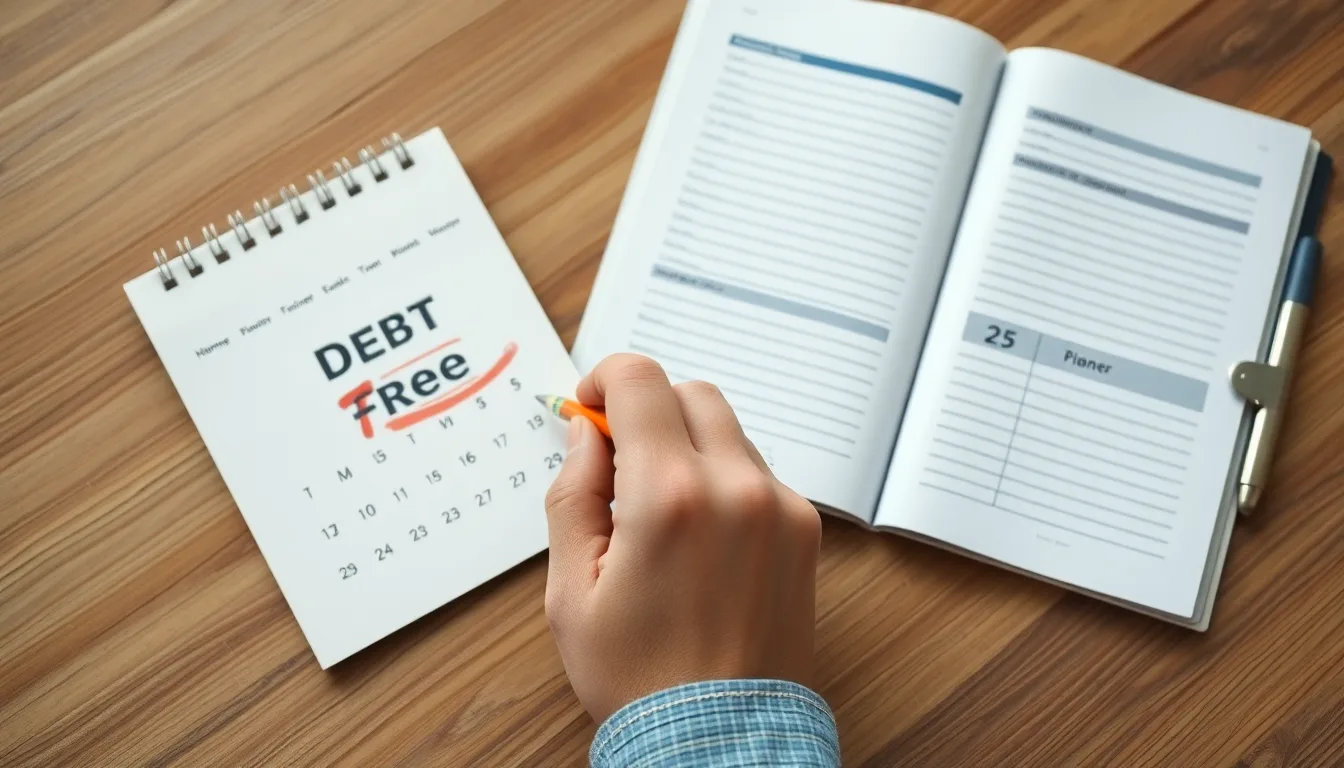
If you’re trying to decide between the two, here’s a quick comparison.
| Method | What you pay first | Why people choose it | Trade-off |
|---|---|---|---|
| Debt snowball | Smallest balance | Fast early wins keep you motivated | You may pay more interest overall |
| Debt avalanche | Highest interest rate | Saves the most money in interest | First payoff can take a while |
Both are good. Pick the one you’ll stick with. For many people with a low income, the snowball offers the psychological boost they need to keep going.
If you’re the type who needs early proof that the plan works, snowball is probably your best bet.
What if you can’t afford the minimum payments on your credit cards?
Sometimes the math doesn’t add up, no matter how hard you try. If you can’t make the minimum payments at all, you’re not alone. There are still ways out, but you need to act before the situation gets worse.
First, contact your card issuers. Many banks have hardship programs that lower your interest rate or waive fees if you’re struggling. It’s a difficult phone call, but it can make a real difference.
The Consumer Financial Protection Bureau offers sample letters you can use to request help from your creditors.
Next, reach out to a nonprofit credit counseling agency. A certified counselor can enroll you in a Debt Management Plan (DMP), where the agency negotiates lower rates with your creditors and you make one monthly payment. DMPs are not quick fixes, but they can stop the bleeding and get you into a structured plan.
If you can’t afford minimums, options like payday loans or for-profit debt settlement should be last resorts. We’ll talk about those in a moment.
Should you consolidate your credit card debt to pay it down faster?
Debt consolidation means taking out one new loan or balance transfer card to pay off several existing debts. The goal is a lower interest rate on the combined balance, so more of your payment goes to the principal instead of spreading across multiple minimums.
If you have good enough credit to qualify for a 0% balance transfer card, that can be a powerful tool for how to pay down credit card debt fast. You transfer your balances, pay a one-time transfer fee (usually 3% to 5%), and then pay as much as you can during the 12 to 21 month interest-free window. If you pay it off before the promo period ends, you save a lot in interest.
But there are risks. If you don’t pay off the balance before the promotional rate expires, you’ll be hit with the regular APR on whatever remains. And if you use the new card for shopping, you’ll dig a deeper hole.
Consolidation only works if you change the behavior that created the debt in the first place.
If your credit score is low, you may not qualify for the best rates. In that case, you could look into a debt consolidation loan from a credit union or online lender, but compare the rates carefully. Some people consolidate unsecured debt into a car title or home equity loan, which turns unsecured debt into secured debt — if you miss payments, you can lose your car or house.
That’s usually a bad trade when you’re already cash-strapped.
How to ask your credit card company for a lower interest rate
Asking for a lower APR can feel intimidating, but it’s one of the highest-impact phone calls you can make. A 5% reduction on a $4,000 balance saves hundreds of dollars over the payoff period.
Here’s a simple script: “I’ve been a customer for [X] years and I’ve always paid on time. I’m considering moving my balance to another card with a lower rate. Can you reduce my APR to help me stay?” The phrase “balance transfer” often gets you transferred to a retention team that can make offers.
If the first representative says no, call again in a few weeks. Different agents have different levels of authority. Also ask if they can waive an annual fee or late fee while you’re at it.
Every bit of savings is more money for your debt.
What about debt settlement companies?
Debt settlement is the risky side of the debt relief industry. Companies promise to negotiate your balances down to a fraction of what you owe, but the process has real costs and real risks.
- You stop making payments to your creditors for months, which damages your credit score seriously.
- Late fees and interest keep piling up while you’re saving into the settlement pot.
- Forgiven debt over $600 can be taxed as income by the IRS, so you may owe taxes on the amount you didn’t pay.
- Most debt settlement companies charge a fee of 15% to 25% of the enrolled debt, even if a settlement fails.
If a debt settlement company contacts you or charges fees before anything is settled, that’s a red flag. The Federal Trade Commission has warnings about for-profit debt relief companies. You’re usually better off working with a nonprofit credit counselor.
If you’re asking “how do I pay off credit card debt fast without ruining my life?” — debt settlement too often ruins it. The faster-looking route often isn’t the fastest in the end.
How to protect your credit score while you pay down debt
Your credit score isn’t the main goal when you’re digging out of debt, but it still matters. If you plan to rent an apartment or buy a car later, you’ll need a decent score to avoid sky-high deposits and interest rates.
Here’s what helps:
- Keep making at least the minimum payment on every account. Payment history is the biggest factor in your credit score.
- Avoid closing old credit cards. Closing them can lower your available credit and raise your credit utilization ratio, which hurts your score.
- Check your credit reports for errors. You can get free weekly reports at AnnualCreditReport.com, and you should dispute anything that isn’t accurate.
- Keep your credit utilization below 30% if possible, but don’t stress if it’s above that while you’re paying things down. It will improve as balances drop.
Remember, your score may dip temporarily when you close a card or take out a consolidation loan. That’s normal and temporary. The long-term goal is a clean report and low balances.
How to increase your income when you’re already busy
On a low income, there’s only so far you can cut. At some point, making extra money matters more than saving pennies. You don’t need a second full-time job — you need a few hours of flexible side work each week.
- Sell things you already own: old phones, clothes, furniture, tools. One-time money often pays off a small debt quickly.
- Offer a service in your neighborhood: pet sitting, lawn mowing, tutoring, or deep cleaning. Cash jobs can add up fast.
- Look for gig work that pays weekly: food delivery, rideshare, or online freelancing on sites like Fiverr or Upwork. If you have a vehicle and some free evenings, that extra $100 a week is $400 a month, which changes your debt payoff timeline dramatically.
- Donate plasma if you’re healthy and eligible — some centers pay around $100 per session. That can be $200 to $300 a month for one or two visits.
You don’t have to do all of these. Pick one and commit for one month. The point is to give your debt plan an oxygen tank.
Even $150 extra a month can make a visible difference when it’s aimed at your target debt.
How to stay motivated when progress feels slow
This is the part most “get out of debt fast” articles ignore. The math is easy. Staying the course is hard.
When you’re paying off debt on a low income, progress can feel invisible for the first few months. Interest eats your payment before the balance moves. This is the moment people quit, so you need to plan for it.
Here’s what helps:
- Celebrate “non-debt wins”: cooking at home, skipping a purchase, paying off one card. Acknowledge the behavior, not just the number.
- Use a visual tracker, like a printed chart you color in every time you pay extra. You’d be surprised how motivating a coloring sheet can be.
- Find a budgeting buddy. Tell a friend you trust about your goal and check in weekly. Accountability works.
- Keep your “big why” in front of you: three months of savings, a house, less stress in your marriage. Write it on a sticky note and put it next to your debit card.
If you’re trying to figure out how to pay off debt with little income, motivation isn’t a side note — it’s the engine. Be kind to yourself on the days you slip, and then get back on the plan the next morning.
A sample weekly plan for paying off debt with little income
To make it concrete, here’s what a week looks like when you’re serious about paying off debt with little income. You don’t have to follow it perfectly — it’s a template.
- Monday: Review your bank account. Move any leftover money from last week to your target debt. Even $15 counts.
- Tuesday: Pack your lunch and skip one coffee run. Put the $5 or $7 into a “debt jar” or a separate savings account.
- Wednesday: Spend one hour on a side hustle you lined up, like selling something online or doing a quick gig.
- Thursday: Meal plan for the rest of the week using what’s already in your pantry. Avoid grocery store trips that end in impulse buys.
- Friday: Call your internet or phone provider and ask for a discount or a lower plan. Put the savings toward debt.
- Saturday: Work a few hours of flexible side work or do a deep clean of your house and sell the stuff you find.
- Sunday: Update your debt tracker. Write down what you did this week that worked, and plan one small improvement for next week.
This weekly rhythm doesn’t just pay down debt; it builds a new habit of paying attention to your money. And that habit is priceless, no matter how small your paycheck is.
When is bankruptcy a reasonable option?
Bankruptcy is often viewed as a failure, but it’s actually a legal tool designed to give you a fresh start. For someone on a very low income with overwhelming debt, it may be the honest choice — but it’s not the first choice.
There are two main types for individuals. Chapter 7 liquidates assets to pay creditors and wipes most unsecured debts, like credit cards and medical bills. Chapter 13 sets up a 3-to-5-year repayment plan using your future income.
A bankruptcy attorney can help you decide which one applies to you.
If you’re trying to choose, read our breakdown of chapter 7 vs chapter 13 bankruptcy to see the key differences. Bankruptcy will damage your credit score for several years, but for many people, the damage is less than what years of missed payments and lawsuits would do. Don’t file without consulting an attorney first, and know that some debts — like student loans and child support — usually aren’t dischargeable.
Beware of these debt payoff traps
There are plenty of well-meaning strategies that backfire when your income is low. Watch out for these common mistakes.
- Using a tax refund or bonus to “treat yourself” before paying off debt. That money is fuel for your plan.
- Borrowing from a 401(k) or retirement account. You lose compound growth and may owe taxes and penalties if you leave your job.
- Chasing after quick-fix ads on social media that promise to settle your debts for pennies on the dollar. Most are scams or very expensive.
- Closing all your credit cards as soon as you pay them off. This hurts your utilization ratio and can lower your score exactly when you need it to recover.
The fastest path is rarely the flashiest. It’s usually the boring path: consistent payments, low interest, and a growing cushion. If you’re serious about learning how to get out of debt, the boring path is the one that actually works.
Frequently asked questions
How can I pay off credit card debt fast if I only have $50 extra a month? It feels small, but $50 extra on a $4,000 balance at 18% interest saves you over $100 in interest and shortens your payoff by several months. You can also use the freedom to earn more by selling items or taking a one-time gig. Small money moves create momentum.
Should I use my emergency savings to pay off debt? Usually no. If you dump your emergency fund into credit cards and then have a car repair, you’ll end up back on the cards. Keep a small buffer (even $500) and put the rest toward your highest-interest debt.
Can I negotiate my credit card interest rate myself? Yes. Call the number on the back of your card, say you’re considering a balance transfer to another card, and ask for a lower rate. Many issuers will lower your APR if you’ve been paying on time.
If they say no, try again in a few months.
How do I pay off credit card debt fast without hurting my credit? Keep making the minimum payments on time on every account, don’t close old cards, and keep your utilization below 30% if possible. Paying off a card doesn’t hurt your score; it helps your utilization, though your score may dip briefly after you close an account.
Is it better to pay off the smallest debt or the highest interest one first? The mathematically better choice is the highest-interest debt (avalanche). The psychologically better choice is often the smallest balance (snowball). If you’re on a low income and easily discouraged, snowball may keep you going longer.
The best answer is whichever one you can stick with.
Key takeaways
- Getting out of debt fast on a low income is possible, but “fast” means months, not weeks.
- The minimum payment is your enemy. Any extra money, even $10, shortens your timeline and saves interest.
- Lower your interest rates by calling your card issuers and looking into balance transfers.
- Use a payoff order — snowball for motivation, avalanche for savings — and redirect every freed-up payment to the next debt.
- If you can’t afford minimums, talk to a nonprofit credit counselor before considering debt settlement or bankruptcy.
- If you need a broader overview, start with our guide on how to get out of debt, then come back to these low-income strategies.
Frequently asked questions
How can I pay off credit card debt fast if I only have $50 extra a month?
Should I use my emergency savings to pay off debt?
Can I negotiate my credit card interest rate myself?
How do I pay off credit card debt fast without hurting my credit?
Is it better to pay off the smallest debt or the highest interest one first?
This article is for general informational purposes only and does not constitute financial, legal or credit-repair advice. Always consult a qualified financial advisor or credit counselor about your specific circumstances.

Written & reviewed by
Can OTUEditor
Can OTU is the editor of this site, curating and reviewing every guide for accuracy and clarity.
View all guides →