What Is FICO Score 10 and How Does It Affect Your Credit?
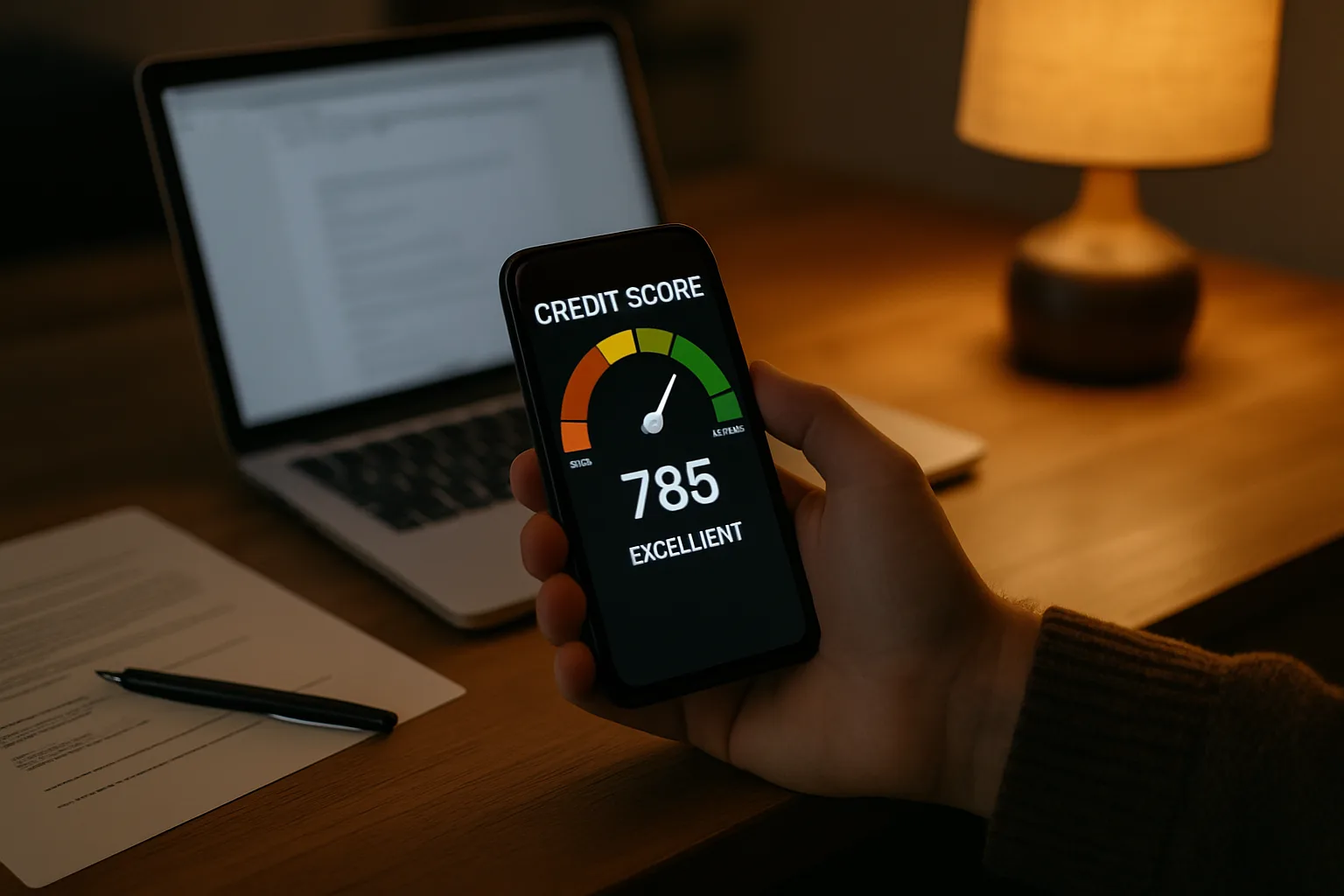
If you've been tracking your credit score for a while, you've probably heard of FICO scores. They're the most widely used credit scores by lenders. But FICO doesn't just have one model — they update it every few years.
The newest version is FICO Score 10, and it's starting to be adopted by lenders and credit bureaus.
In this article, you'll learn exactly what FICO Score 10 is, how it differs from older versions, and — most importantly — how it could affect your credit. We'll also cover practical steps you can take to improve your score under this new model. Remember, this is general information, not financial advice.
Your situation is unique, so consider talking to a credit counselor or financial advisor.
Let's start with the basics.
What Is FICO Score 10?
FICO Score 10 is the latest version of the credit scoring model developed by the Fair Isaac Corporation. It was announced in January 2020 and is designed to give lenders a more accurate picture of your credit risk. There are two versions: FICO Score 10 (the base model) and FICO Score 10 T (which includes trended data).
The biggest change in FICO Score 10 is the use of trended data. Instead of just looking at a snapshot of your credit report, the model looks at how your balances, payments, and credit usage have changed over the past 24 months. This gives lenders a clearer view of your financial habits.
Another key change is how personal loans are treated. Under older models, taking out a personal loan to consolidate credit card debt could actually help your score because it lowered your credit utilization. But FICO Score 10 recognizes that people who use personal loans for consolidation often end up racking up credit card debt again — so it may penalize that behavior.
How Is FICO Score 10 Different from Older Versions?
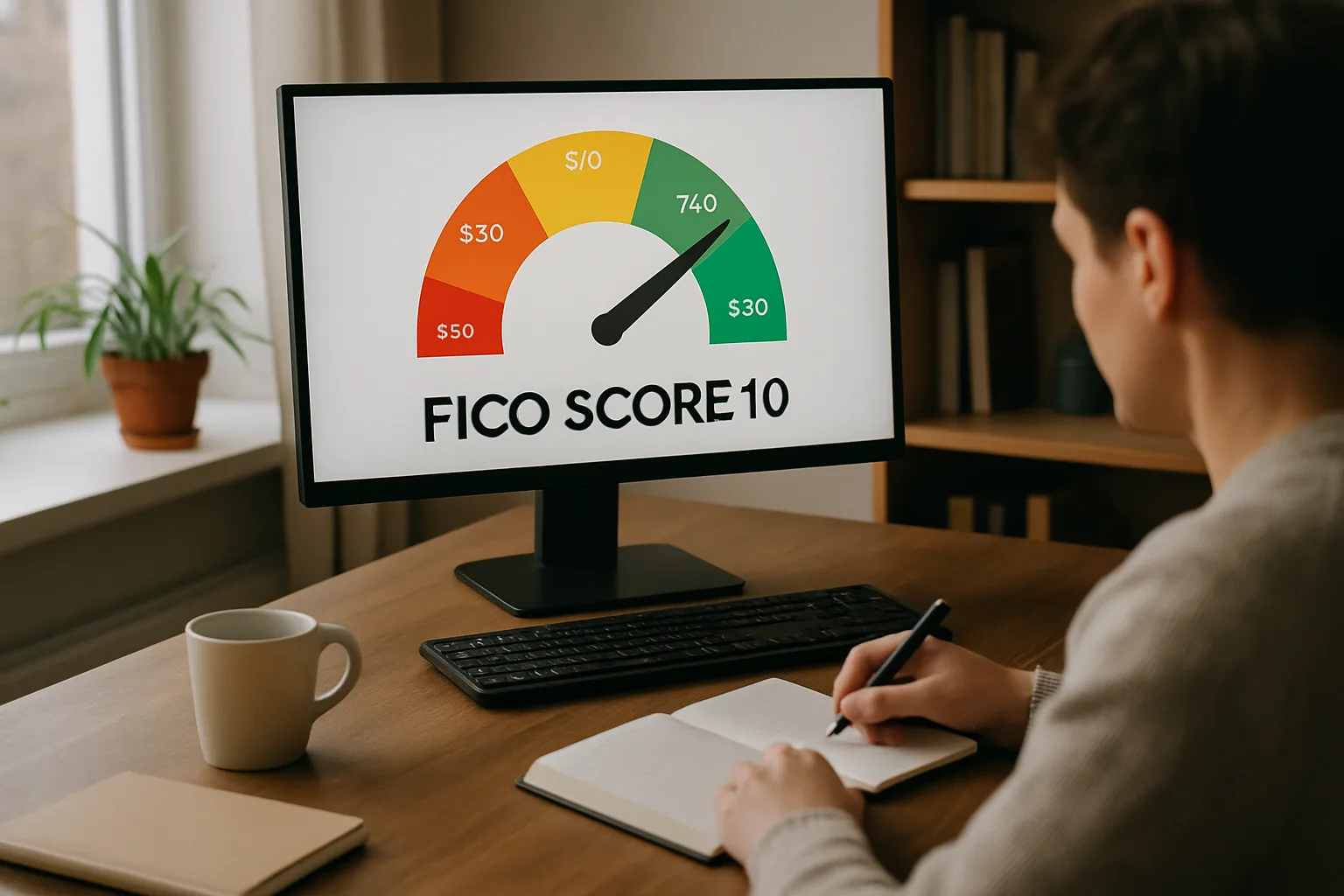
To understand what's new, it helps to know what came before. FICO Score 8 (released in 2009) is still the most commonly used version. FICO Score 9 (2014) added some improvements, like ignoring paid collections and being more lenient with medical debt.
FICO Score 10 builds on those changes and adds trended data.
Key Differences at a Glance
| Feature | FICO Score 8 | FICO Score 9 | FICO Score 10 |
|---|---|---|---|
| Trended data | No | No | Yes (in Score 10 T) |
| Personal loan treatment | Standard | Standard | More conservative |
| Medical collections | Counted | Less weight | Less weight |
| Rental data | Not used | Not used | Can be used |
| Adoption rate | Very high | Moderate | Growing |
As you can see, the big addition is trended data. But what does that actually mean for you?
What Is Trended Data and Why Does It Matter?
Trended data is information about how your credit behavior has changed over time. Instead of just seeing that you currently have a $5,000 balance on a credit card, lenders can see whether that balance has been going up or down over the past two years.
For example, if you've been steadily paying down your credit card debt month after month, trended data shows that you're becoming less risky. That could boost your score. On the other hand, if your balances have been creeping up, even if your utilization is still moderate, the trend could hurt you.
This matters because it rewards consistent good behavior, not just a single moment in time. It also penalizes people who look good on paper but are actually heading toward trouble.
How Trended Data Works in Practice
Consider a borrower named Alex who has a $10,000 credit limit and a $3,000 balance for six months. That's 30% utilization, which is acceptable. But if Alex's balance was $1,000 six months ago and grew to $3,000, the upward trend signals increasing risk.
Under older FICO models, only the current snapshot mattered. Alex would have a decent score. Under FICO Score 10, the rising balance could lower the score because it suggests financial strain.
Now consider Jamie, who also has a $3,000 balance but reduced it from $6,000 over the same period. Jamie's downward trend signals improving financial health. FICO Score 10 may reward Jamie with a higher score than older models would.
How FICO Score 10 Treats Personal Loans Differently
One of the most talked-about changes in FICO Score 10 is how it handles personal loans. Under older models, if you took out a personal loan to pay off credit card debt, your credit utilization would drop — and your score would likely go up. That seemed like a smart move.
But FICO's research showed that people who use personal loans for debt consolidation often end up with even more debt later. They pay off the cards, but then start using them again. So FICO Score 10 treats personal loan debt more conservatively.
It may not give you as much of a boost for consolidating, and it could even lower your score if you have a personal loan and high credit card balances.
That doesn't mean you should avoid personal loans. But if you're considering one, be aware that it might not help your credit as much as it used to.
Example of Personal Loan Impact
Imagine Sarah has $15,000 in credit card debt across multiple cards. She takes out a $15,000 personal loan at 10% APR to pay off the cards. Under FICO Score 8, her utilization drops from near 100% to 0% on the cards, and her score jumps significantly.
Under FICO Score 10, the model sees the new personal loan as a risk factor. If Sarah then runs up another $5,000 in credit card debt within six months, the trended data shows a dangerous pattern. Her score could drop below where it started.
On the other hand, if Sarah uses the personal loan, pays off the cards, and keeps them at zero for 12 months, the downward trend in revolving debt could still help her score. The key is avoiding new credit card charges.
Will FICO Score 10 Lower Your Credit Score?
For many people, FICO Score 10 will produce a similar score to older models. But some people could see a difference — either up or down.
Your score might go down if:
- You carry high credit card balances that have been increasing over time.
- You have a personal loan and also carry credit card debt.
- You have recent late payments or other negative items.
Your score might go up if:
- You've been paying down debt consistently.
- You have a long history of on-time payments.
- Your credit utilization has been decreasing.
In general, FICO Score 10 is designed to be more predictive of risk. So if you're a responsible borrower, you're likely to be fine. If you're struggling with debt, the new model might reflect that more accurately.
How to Raise Your FICO Score Fast Under the New Model
If you're worried about how FICO Score 10 might affect you, the good news is that the same basic principles still apply. Here's a step-by-step plan to improve your score — and many of these steps can work quickly.
1. Pay Down Credit Card Balances
Credit utilization is still a major factor. Under FICO Score 10, the trend matters too. So if you can pay down your balances and keep them low, you'll see improvement.
Aim for under 30% utilization, and ideally under 10%.
2. Make Payments on Time, Every Time
Payment history is still the most important factor. Set up autopay or reminders. Even one late payment can hurt your score for years.
3. Avoid Opening Too Many New Accounts at Once
New credit inquiries can lower your score temporarily. Under FICO Score 10, the model may also look at how your credit-seeking behavior trends over time.
4. Be Careful with Personal Loans
If you're thinking about a debt consolidation loan, understand that it might not boost your score as much as before. Focus on paying down the underlying debt instead.
5. Check Your Credit Reports for Errors
Mistakes on your credit report can drag down your score. You can get free weekly reports from AnnualCreditReport.com. Dispute any errors you find.
For a more detailed guide, check out our article on how to raise your credit score fast.
How to Improve Your FICO Score Fast: Specific Strategies
Let's get into the nitty-gritty of how to raise your fico score quickly. These are actionable steps you can take this month.
Pay Down High-Utilization Cards First
If you have multiple credit cards, focus on the ones with the highest utilization. Paying a card from 90% to 50% can give you a bigger score boost than paying a card from 30% to 10%.
Ask for a Credit Limit Increase
If you have a good payment history, you can ask your card issuer to increase your limit. That instantly lowers your utilization — as long as you don't spend more. Be aware that some issuers may do a hard pull, which could temporarily lower your score.
Become an Authorized User
If a family member or friend has a credit card with a long history of on-time payments and low utilization, ask if they can add you as an authorized user. That account will appear on your credit report and can boost your score. Make sure the primary cardholder is responsible.
Use the Debt Snowball or Avalanche Method
Paying off debt is the most reliable way to improve your score. The snowball method (paying off smallest balances first) can give you quick wins. The avalanche method (paying off highest interest first) saves you more money.
Choose the one that keeps you motivated.
How to Raise My FICO Score Fast: What Not to Do
When you're trying to raise your score quickly, it's tempting to try shortcuts. But some strategies can backfire.
- Don't close old credit cards. Closing accounts reduces your available credit and shortens your credit history, both of which can hurt your score.
- Don't open multiple new accounts at once. Each application causes a hard inquiry. Too many in a short time can make you look risky.
- Don't ignore your credit report. Errors are common. If you don't check, you could be fighting a problem that isn't real.
How Can I Raise My FICO Score Fast? Realistic Timelines
If you're asking "how can i raise my fico score fast," you probably want to know how fast is realistic. The answer depends on your starting point.
If you have a late payment or collection, that negative item can stay on your report for up to 7 years. But its impact fades over time. You can see improvement within a few months by paying down debt and making on-time payments.
If your score is low due to high utilization, you can see a significant jump as soon as your new balances are reported — usually within one billing cycle. So if you pay down a card today, you might see the change in 30–45 days.
For people with good credit who want to optimize, small improvements can take a few months of consistent behavior.
How Can I Raise My FICO Score Quickly? Common Questions
Let's address some of the most common questions people have when trying to raise their score quickly.
Does paying off a collection help?
Under FICO Score 9 and 10, paid collections are ignored. But older models still count them. If the collection is from a medical debt, it gets less weight.
Paying off a collection can't hurt, but it may not help as much as you'd think.
Can I remove late payments?
If the late payment is accurate, you can't remove it. But you can write a goodwill letter to your creditor asking them to remove it as a courtesy. It's a long shot, but it works sometimes.
How long does it take to rebuild credit from scratch?
If you have no credit history, you can build a score in about 6 months by opening a secured card or becoming an authorized user. Check out our guide on how to build credit for step-by-step instructions.
What Affects Your Credit Score Under FICO Score 10?
To improve your score, you need to know what factors matter. Here's how FICO Score 10 weighs the components:
- Payment history (35%) — On-time payments are critical.
- Amounts owed (30%) — Credit utilization and overall debt levels. Trended data adds a new layer.
- Length of credit history (15%) — Older accounts help.
- New credit (10%) — Hard inquiries and new accounts.
- Credit mix (10%) — Having different types of credit (cards, loans, mortgage) can help.
Under FICO Score 10, the "amounts owed" category now includes trended data. So it's not just how much you owe, but whether your balances are going up or down.
For a deeper dive into all the factors, see our article on what affects your credit score.
When Will Lenders Start Using FICO Score 10?
Adoption has been slow. As of 2025, many lenders still use FICO Score 8 or older models. But FICO Score 10 is being adopted by some major lenders and credit bureaus.
Experian, for example, offers FICO Score 10 T to lenders.
You can check your own FICO Score 10 through some credit monitoring services. But keep in mind that most free services still show older versions. If you want to see your FICO Score 10, you may need to pay for a subscription.
Should You Worry About FICO Score 10?
For most people, no. The changes are relatively modest. If you practice good credit habits — paying on time, keeping balances low, and being careful with new credit — you'll do fine under any version.
The main thing to watch out for is if you have a personal loan and high credit card balances. In that case, FICO Score 10 might lower your score. But that's also a sign that you should focus on paying down debt.
How Does FICO Score 10 Affect Mortgage Lending?
Mortgage lenders often use older FICO models, like FICO Score 2, 4, or 5. But FICO Score 10 is starting to gain traction in the mortgage industry. Fannie Mae and Freddie Mac have tested it for loan underwriting.
If you're applying for a mortgage, a higher FICO Score 10 could mean a lower interest rate. A lower score might require a larger down payment or higher rate. Trended data could show mortgage lenders that you're consistently reducing debt, which is a positive sign.
For example, if you've been paying down your credit cards for 18 months straight, that trend could help you qualify. But if your balances have been rising, even if your score is okay, lenders might see you as riskier.
Mortgage Example with Trended Data
Take a borrower named Maria who wants a $300,000 mortgage. Her credit score under FICO Score 8 is 720, which qualifies her for a good rate. But under FICO Score 10, the model sees that her credit card balances have increased 40% over the past year.
Her FICO Score 10 drops to 680, which means a higher interest rate or a larger down payment requirement. If Maria had been reducing her balances instead, her score could have risen to 740, securing a better deal.
Mortgage lenders care about trended data because it predicts future payment behavior. A borrower who is accumulating debt is more likely to miss mortgage payments down the road.
How Does FICO Score 10 Affect Auto Loans?
Auto lenders are also beginning to adopt FICO Score 10. They care about your ability to manage installment loans, like car payments. Trended data can show whether you've been making consistent payments on existing auto loans.
If you have a history of paying your car loan on time every month, that positive trend could boost your score. On the other hand, if you've missed payments or carried high balances on credit cards, the new model might lower your score.
For example, a borrower who has a car loan and keeps credit card balances low might see a score increase. But someone with a car loan and rising credit card debt could see a drop.
Auto Loan Scenario
Consider Tom, who has a $25,000 auto loan and a $5,000 credit card balance. Under FICO Score 8, his score is 700. But his credit card balance has grown from $2,000 to $5,000 over 12 months.
FICO Score 10 sees the upward trend and drops his score to 670.
When Tom applies for a new car loan, the dealer offers him a 7% APR instead of the 4% he expected. That difference costs him hundreds of dollars over the loan term. If Tom had paid down his credit card debt, his score would have stayed higher.
How Does FICO Score 10 Affect Credit Card Applications?
Credit card issuers are among the first to adopt new FICO models. They want to predict risk accurately. Under FICO Score 10, your credit card spending trends matter more than ever.
If you consistently pay your balance in full each month, that positive trend could help you get approved for better cards. But if you carry a balance and it's been growing, even if your utilization is under 30%, you might face higher rates or rejection.
For example, imagine you have a $10,000 limit and a $2,500 balance for six months. That's 25% utilization, which is good. But if that balance was $1,000 six months ago and grew to $2,500, the trend might hurt you under FICO Score 10.
Credit Card Approval Example
Suppose Lisa applies for a premium rewards card with a $95 annual fee. Her FICO Score 8 is 740, so she expects approval. But the issuer uses FICO Score 10, which shows her credit card balances have been rising for 18 months.
Her FICO Score 10 is 710, and the issuer denies her application or offers a lower-tier card with fewer benefits. If Lisa had been paying down her balances, she would have kept her score above 740 and qualified for the premium card.
How to Monitor Your FICO Score 10
Keeping track of your FICO Score 10 is important as adoption grows. You can use services like myFICO.com, which offers access to multiple FICO versions. Some credit monitoring services also include FICO Score 10.
Free services like Credit Karma show VantageScore, not FICO scores. So don't rely on them to see your FICO Score 10. Paid subscriptions often provide more detailed insights and trended data analysis.
Check your score every few months to see how your habits affect it. If you see a drop, review your credit report for errors or changes in your balances.
Common Myths About FICO Score 10
There are several misconceptions about FICO Score 10. Let's clear them up.
Myth: FICO Score 10 replaces all older scores
No, lenders can still choose which version to use. Many still rely on FICO Score 8. Adoption is gradual.
Myth: Trended data means every purchase is tracked
Trended data looks at monthly balances, not individual transactions. It shows patterns, not every coffee you buy.
Myth: Personal loans always hurt your score under FICO Score 10
Not always. If you use a personal loan wisely and keep credit card balances low, it can still help your credit mix. The penalty applies mainly when you have both a personal loan and high revolving debt.
Myth: You can't improve your score under the new model
You absolutely can. The same good habits — paying on time, reducing debt, and avoiding new credit — still work. The model just rewards consistency more.
How FICO Score 10 T Differs from FICO Score 10
FICO Score 10 T is the version that includes trended data. The base FICO Score 10 does not use trended data. So if a lender uses the base model, your score may be similar to older versions.
FICO Score 10 T is more advanced and predictive. It analyzes your credit behavior over 24 months. This version is more likely to be used by lenders who want the most accurate risk assessment.
For consumers, the difference matters because you might see different scores depending on which version a lender uses. Check which model your lender uses when applying for credit.
How to Prepare for FICO Score 10 Adoption
Even though adoption is gradual, you can start preparing now. Focus on building positive credit trends that will benefit you under any model.
- Reduce credit card balances consistently. Aim to lower your balances each month, not just pay the minimum.
- Avoid debt consolidation loans unless necessary. If you do use one, commit to not running up new credit card debt.
- Maintain a mix of credit types. Having both revolving and installment accounts can help your credit mix.
- Monitor your credit reports for errors. Dispute inaccuracies that could hurt your trended data.
By adopting these habits, you'll be in a strong position regardless of which FICO version lenders use.
Key Takeaways
- FICO Score 10 uses trended data to see how your balances change over time.
- It treats personal loans more conservatively, so debt consolidation may not boost your score as much.
- Your score could go up or down depending on your credit behavior.
- To improve your score fast, pay down credit card balances, make on-time payments, and avoid new debt.
- Check your credit reports regularly and dispute errors.
- Adoption is still growing, but it's smart to understand the new model now.
Frequently asked questions
What is the difference between FICO Score 10 and FICO Score 10 T?
Will FICO Score 10 lower my credit score if I have a personal loan?
How can I see my FICO Score 10?
Does FICO Score 10 ignore medical collections?
How fast can I raise my FICO Score 10?
This article is for general informational purposes only and does not constitute financial, legal or credit-repair advice. Always consult a qualified financial advisor or credit counselor about your specific circumstances.

Written & reviewed by
Can OTUEditor
Can OTU is the editor of this site, curating and reviewing every guide for accuracy and clarity.
View all guides →