New Credit Score Models in 2026: How They Work and What They Mean for Borrowers
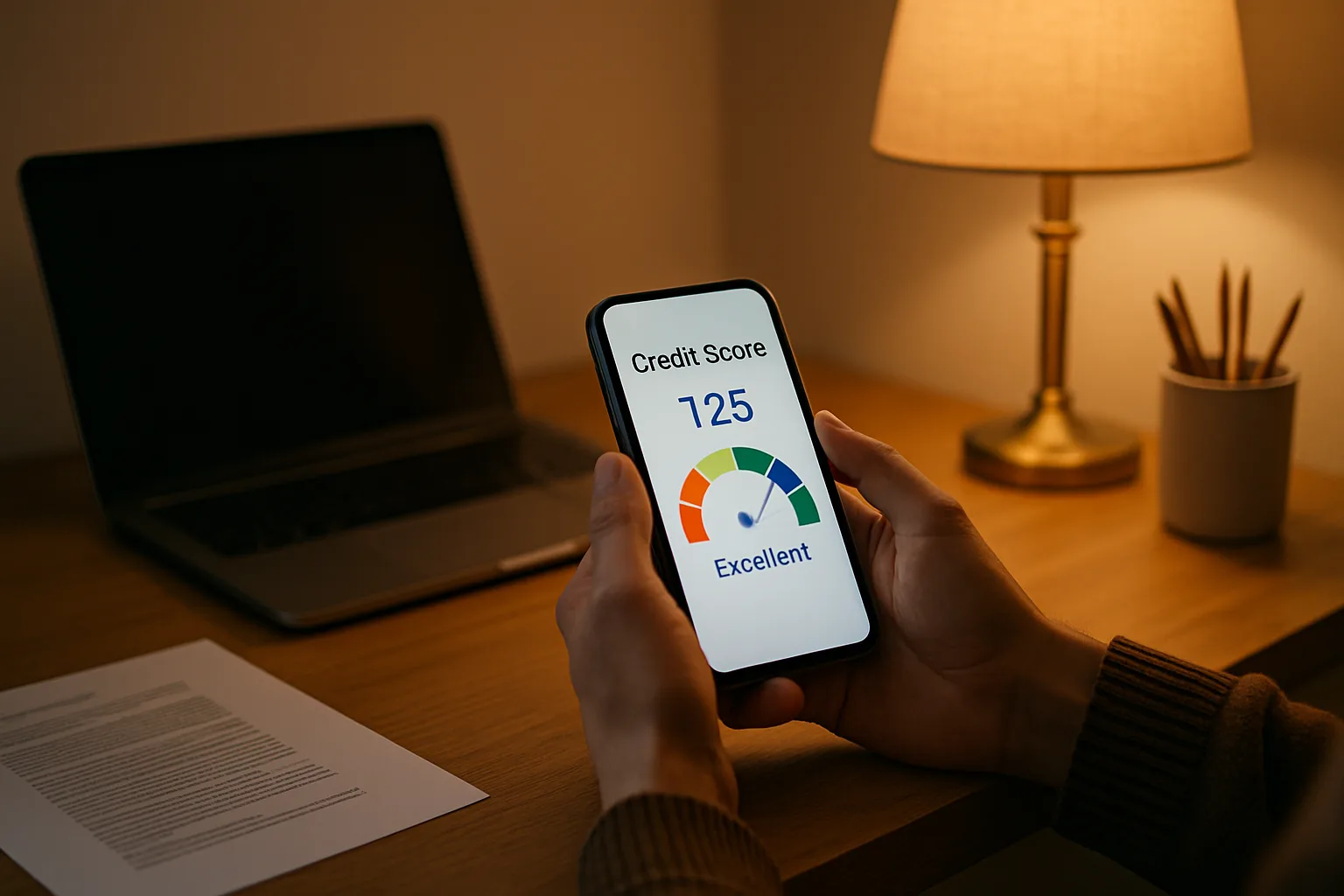
Think of it this way: your credit score is like a report card for how you handle borrowed money. The new models are like a teacher who not only looks at your final grades but also checks if you improved over the semester. That's a big deal if you've been working hard to get your finances in order.
In this article, we'll break down what the new credit score models mean for you—whether you're trying to boost your credit fast or just want to understand how to build your credit score from scratch. And remember, this is general information, not professional financial advice.
What Are the New Credit Score Models in 2026?
Two main models are driving the changes: FICO 10 and VantageScore 4.0. Lenders have been slowly adopting them, and by 2026, you'll likely see them used more widely for mortgages, auto loans, and credit cards.
FICO 10 includes two versions: FICO 10 (base) and FICO 10 T (which uses trended data). The trended version looks at your credit balances over the past 24 months, not just a single snapshot. So if you're consistently paying down debt, that's rewarded.
VantageScore 4.0 already uses trended data and also considers rent payments, utility bills, and even bank account data (if you opt in). It's designed to score more people—especially those with limited credit history.
How Do These Models Differ From Current Scores?
Today, most lenders use FICO 8 or FICO 9, and some use VantageScore 3.0. The new models are more predictive, meaning they try to forecast your future behavior based on trends.
Here's a quick comparison:
| Feature | Current Models (FICO 8/9, VantageScore 3.0) | New Models (FICO 10, VantageScore 4.0) |
|---|---|---|
| Data snapshot | Single point in time | Trended (up to 24 months) |
| Rent/utility payments | Not included (except special versions) | Included (VantageScore 4.0) |
| Medical debt | Counted like any collection | Less weight (VantageScore 4.0 ignores paid medical collections) |
| Bank account data | Not used | Can be used (with permission) |
| Score range | 300–850 | 300–850 (same range) |
The table above shows the key differences at a glance. Notice how trended data and alternative data are the biggest changes. These additions allow the new models to see your financial habits over time, not just a single moment.
How to Raise Your Credit Score Fast Under the New Models
If you're looking for how to raise your credit score fast, the new models actually give you more levers to pull. Here are the most effective strategies:
Pay down credit card balances consistently
Because the new models look at trends, a one-time payment won't help as much as showing a pattern of lower balances. Aim to keep your credit utilization below 30%—and ideally under 10%—every month for several months in a row.
For example, imagine you have a credit card with a $10,000 limit. If you carry a $3,000 balance for three months, then pay it down to $1,000, the trended data will show improvement. Under old models, only the $1,000 balance mattered at the time of scoring.
Make all payments on time, every time
Payment history is still the biggest factor. With trended data, a single late payment can hurt more because it shows a negative trend. Set up autopay or reminders to avoid slips.
Consider this: if you miss a payment in month six of a 24-month trend period, that late payment will weigh heavily. The new models penalize recent negative behavior more than old models do.
Get your rent and utility payments reported
If you're a renter, you can use services like Experian Boost or RentReporters to add on-time rent payments to your credit file. This can quickly boost your score, especially if you have a thin file.
For instance, a renter who pays $1,200 in rent on time every month for two years can show a strong positive trend. This can help them qualify for a mortgage or credit card even without a long credit card history.
Keep old accounts open
Credit history length matters. Closing an old card can shorten your average account age, which may lower your score. Keep them open even if you don't use them much.
Suppose you have a credit card you opened 10 years ago. If you close it, your average account age could drop from 7 years to 4 years. That reduction can lower your score under any model.
How to Increase Credit Score Quickly With Trended Data
Trended data is the biggest change. It means your credit score now reflects your financial trajectory—not just a static number. So if you've been working to get out of debt, the new models will reward you faster than before.
For example, if you had a balance of $5,000 on a card six months ago and now it's $2,000, that downward trend is positive. Under old models, only the current $2,000 balance mattered. Under new models, the improvement itself boosts your score.
So how to increase credit score quickly? Focus on creating a clear downward trend in balances over several months. Even small, consistent payments add up.
Let's say you have three credit cards with balances totaling $15,000. If you pay $500 extra each month for six months, your total balance drops to $12,000. That steady reduction is exactly what trended data rewards.
How to Improve Credit Score Fast: Action Steps You Can Take Today
Here's a step-by-step plan to improve your score quickly under the new models:
- Check your credit reports for free at AnnualCreditReport.com. Dispute any errors.
- Sign up for a free credit monitoring service that shows your VantageScore 4.0 (like Credit Karma) or FICO 10 (like Experian).
- Pay down your highest-utilization card first. Even a small payment can help if it brings the balance below a threshold.
- Ask your landlord or utility company if they report payments to credit bureaus. If not, use a third-party service.
- Consider a secured credit card if you have no credit or bad credit. Use it for small purchases and pay in full each month.
These steps align with how to improve credit score fast because they directly address the factors the new models emphasize. Each action targets either trended data, alternative data, or payment history.
How to Build Your Credit Score From Scratch in 2026
If you're new to credit, the new models are actually good news. They make it easier to build a score without a traditional credit card or loan history.
Here's how to build your credit score from the ground up:
- Get a secured credit card. You deposit money as collateral, and the issuer reports to the bureaus. After 6–12 months of on-time payments, you can often upgrade to an unsecured card.
- Become an authorized user on a family member's credit card. Their positive history can help you—but make sure they have good habits.
- Use a credit-builder loan from a credit union or online lender.
The money is held in a savings account until you pay off the loan.
- Report your rent and utility payments using services like Experian Boost or UltraFICO. This can give you an instant score if you have none.
For more detailed guidance, check out our guide on how to build credit from scratch.
A young professional just starting out might have no credit history at all. By using a secured card for six months and reporting rent payments, they could see a FICO 10 score in the 650–700 range within a year.
What Affects Your Credit Score Under the New Models?
Understanding what affects your credit score is key to improving it. The new models keep the same major factors but adjust their weight:
- Payment history (35–40%): Still the most important. Late payments hurt more if they're recent and part of a negative trend.
- Credit utilization (20–30%): The ratio of balances to limits. Trended data means high utilization for months in a row is worse than a one-time spike.
- Length of credit history (15–20%): Older accounts help. Closing old ones can shorten your history.
- New credit (10–15%): Multiple hard inquiries in a short time can still lower your score, but rate shopping for a mortgage or auto loan is treated as one inquiry if done within a short window.
- Credit mix (10%): Having both installment loans (like a car loan) and revolving credit (credit cards) can help.
Additionally, the new models may consider alternative data like rent, utilities, and even bank account cash flows. This can help people with thin files but also means that overdrafts or missed utility payments could hurt your score if reported.
For example, if you have a bank account that shows consistent overdrafts, that negative trend could lower your VantageScore 4.0. On the other hand, a steady savings balance signals stability and can boost your score.
How to Boost Credit Score Fast Using Alternative Data
One of the biggest opportunities in the new models is using alternative data to boost your score. Here's how:
- Experian Boost: Links your bank account to add on-time utility and phone payments to your Experian credit file. Users often see an instant score increase of 10–20 points.
- UltraFICO: Opts in to share your bank account history (checking, savings, money market). Good cash management can raise your score.
- Rent reporting: Services like RentReporters or PayRent report your rent payments to all three bureaus. This can help you how to raise your credit score fast if you have a thin file.
These tools are free or low-cost and can give you a quick lift—especially if you have a strong history of paying rent and bills on time.
Consider a borrower who always pays $1,500 in rent on time. By using RentReporters for six months, they could add 24 positive payment entries to their credit file. That might raise their score by 30–50 points.
Will the New Models Hurt Your Credit Score?
For most people, the new models won't cause a dramatic drop. But there are scenarios where your score could go down:
- If you carry high balances month after month, the trended data will show that you're consistently maxed out, which is a red flag.
- If you have recent late payments, they'll weigh more heavily because they show a negative trend.
- If you have a thin credit file and no alternative data, you might not see the boost that others get.
On the flip side, if you've been responsibly managing credit, your score could actually go up. The models are designed to reward good financial habits more accurately.
For instance, a borrower who has a 30% utilization rate for 12 months but then drops to 10% for the next 12 months will see a significant score increase. The trended data captures that improvement.
How to Improve Credit Score Immediately: Quick Wins
While some changes take months, there are a few things you can do to improve your score immediately:
- Dispute errors on your credit report. If there's a late payment that's incorrect, removing it can boost your score within weeks.
- Pay down a credit card to below 30% utilization. Because utilization is a big factor, even a single payment can raise your score if it crosses a threshold.
- Ask for a credit limit increase. If your income has gone up, request a higher limit on an existing card. That lowers your utilization ratio without paying down debt.
- Become an authorized user on a well-managed account. The entire history of that account can appear on your credit report, potentially giving you a boost.
These tactics work under any scoring model, but they're especially effective when combined with trended data.
For example, if you have a card with a $5,000 limit and a $2,000 balance, your utilization is 40%. Paying $500 brings it to 30%, which could boost your score by 10–15 points under the new models.
Common Myths About the New Credit Score Models
Let's clear up a few misconceptions:
Myth: The new models will replace all old ones overnight.
Truth: Lenders adopt new models slowly. Many still use FICO 8 for credit cards and FICO 5/4/2 for mortgages. By 2026, you'll see more use of FICO 10 and VantageScore 4.0, but old models won't disappear.
Myth: Your score will automatically change.
Truth: Your score only changes if a lender uses the new model to check your credit. Your existing scores from old models remain the same.
Myth: Alternative data will hurt your score.
Truth: Only positive payment history is typically reported. If you miss a rent payment, it won't show up unless your landlord reports it—and most don't unless you use a service that reports both positive and negative.
Another myth is that you need a perfect score to benefit. In reality, even a 680 score under the new models can qualify you for better rates than a 680 under old models, because the new models are more predictive of future behavior.
How to Monitor Your Credit Score in 2026
To stay on top of the changes, you need to monitor your credit regularly. Here's how:
- Free credit monitoring services: Credit Karma (VantageScore 3.0), Experian (FICO 8), and WalletHub (VantageScore 4.0) offer free scores.
- Check your credit reports annually at AnnualCreditReport.com. You can now check weekly for free through April 2026.
- Sign up for alerts when your score changes or new accounts are opened in your name.
Knowing your score under the new models can help you understand how lenders might view you.
For instance, if you see your VantageScore 4.0 is 720 but your FICO 8 is 690, you know that lenders using the new model will see you more favorably. That insight can guide which lenders you apply to.
What This Means for Borrowers: The Bottom Line
The new credit score models are a step forward. They give a more complete picture of your financial health, which can be a good thing if you're managing your money well. But they also require a shift in how you think about credit—it's not just about a single number, but about your financial habits over time.
If you're trying to how to raise your credit score fast, focus on consistent on-time payments and lowering your balances. Use alternative data to your advantage. And remember, building credit is a marathon, not a sprint—but the new models can help you see progress faster.
For more information on how credit scores work, you can visit the Consumer Financial Protection Bureau's website at CFPB credit reports and scores.
How Lenders Are Adopting the New Models in 2026
Lenders are not switching to the new models all at once. Many large banks and credit unions began testing FICO 10 and VantageScore 4.0 in 2024 and 2025.
By 2026, you'll likely see auto lenders and credit card issuers leading the adoption. Mortgage lenders tend to be slower because they rely on older models like FICO 5, 4, and 2 for government-backed loans.
This phased adoption means your score could vary depending on which lender you apply with. A single late payment might hurt you more under a new model than an old one.
For example, if you apply for an auto loan with a lender using FICO 10 T, your 24-month trend of on-time payments will help you. But if you apply for a mortgage with a lender using FICO 5, that trend won't matter as much.
The Role of Bank Account Data in Credit Scoring
Bank account data is one of the most innovative additions to the new models. VantageScore 4.0 can use your checking and savings account history to assess your financial stability.
For example, if you consistently maintain a positive balance and avoid overdrafts, that signals responsible money management. This can help you qualify for credit even if you have a thin file.
However, frequent overdrafts or low balances could lower your score if you opt in. It's a trade-off that requires you to manage your bank account carefully.
Consider a borrower who keeps a $2,000 average balance in checking and never overdrafts. That positive trend could add 10–15 points to their VantageScore 4.0. Conversely, someone with three overdrafts in six months might see a similar drop.
How Medical Debt Is Treated Differently
Medical debt has long been a burden for many borrowers. Under the new models, especially VantageScore 4.0, paid medical collections are ignored entirely.
Unpaid medical collections still count, but they carry less weight than other types of debt. This change recognizes that medical debt is often not a sign of financial irresponsibility.
If you have medical collections, focus on paying them off if possible. Once paid, they won't hurt your score under the new models.
For instance, if you have a $500 medical collection that you pay off, VantageScore 4.0 will ignore it completely. Under FICO 8, that paid collection could still lower your score for up to seven years.
How to Prepare for the New Models Now
You don't have to wait until 2026 to start preparing. The habits that improve your score under the new models are the same good habits that work today.
Start by reviewing your credit reports for errors. Then focus on paying down revolving debt and making all payments on time.
Also consider signing up for alternative data services now. The sooner you start reporting rent and utility payments, the sooner your positive history will accumulate.
For example, if you sign up for Experian Boost today and have 12 months of on-time utility payments, that history will be available when lenders check your score in 2026. That gives you a head start.
How the New Models Affect Different Types of Borrowers
Not all borrowers will see the same impact from the new models. Here's how different groups may be affected:
- Young borrowers with thin files: They benefit most from alternative data like rent and utility payments. A 22-year-old with no credit card but on-time rent for two years could have a score of 680 under VantageScore 4.0.
- Borrowers with high credit card debt: They may see a score drop if trended data shows consistently high balances. A person with 80% utilization for 18 months will be penalized more than under old models.
- Borrowers with medical debt: They benefit from the reduced weight on medical collections. Paying off a $1,000 medical bill could erase its impact entirely.
- Borrowers with strong bank account habits: They can gain a boost by opting into bank account data sharing. A saver with a $5,000 average balance might see a 20-point increase.
Each group should tailor their strategy to the new model's strengths. For instance, a young borrower should prioritize rent reporting, while a high-debt borrower should focus on creating a downward balance trend.
How to Use Credit Cards Strategically Under the New Models
Credit card usage is more important than ever under the new models. Trended data means your monthly balances over two years are visible to lenders.
To use credit cards strategically, follow these guidelines:
- Pay your balance in full each month. This shows a zero or low balance trend, which is ideal.
- Avoid carrying a balance from month to month. Even if you pay most of it, a remaining balance creates a negative trend.
- Use multiple cards with low utilization. Spread your spending across cards to keep each one below 10% utilization.
- Request credit limit increases periodically. A higher limit lowers your utilization ratio without changing your spending.
For example, if you have two cards with $5,000 limits each, and you spend $500 on each, your utilization is 10% per card. That's excellent under trended data. But if you put all $1,000 on one card, that card's utilization jumps to 20%, which is less ideal.
How to Handle a Credit Score Drop Under the New Models
If your score drops under the new models, don't panic. The drop is often temporary if you take corrective action.
First, identify the cause. Check your credit report for errors or recent negative items. Then focus on reversing the negative trend.
For instance, if your score dropped because of high utilization, pay down balances over the next three months. The trended data will show improvement, and your score should recover.
If the drop is due to a late payment, make all future payments on time. After six months of on-time payments, the negative trend will be offset by the positive one.
Key Takeaways
- New models like FICO 10 and VantageScore 4.0 use trended data, rewarding consistent good behavior.
- Rent, utility, and bank account data can help boost your score if you have a thin credit file.
- To improve your score fast, focus on lowering credit card balances over several months and making all payments on time.
- Disputing errors and using alternative data services can give you a quick lift.
- Monitor your credit regularly to see how the new models affect your scores.
Frequently asked questions
Will my credit score automatically change with the new models in 2026?
How can I get my rent payments to count toward my credit score?
Will the new models hurt my credit score if I have medical debt?
What is trended data and how does it affect my credit score?
How quickly can I raise my credit score under the new models?
This article is for general informational purposes only and does not constitute financial, legal or credit-repair advice. Always consult a qualified financial advisor or credit counselor about your specific circumstances.

Written & reviewed by
Can OTUEditor
Can OTU is the editor of this site, curating and reviewing every guide for accuracy and clarity.
View all guides →