How to Turn a Good Credit Score Into an Excellent Score
Remember, this is general information, not financial advice. Your results will depend on your unique credit profile. Let's get started.
What's the Difference Between Good and Excellent Credit?
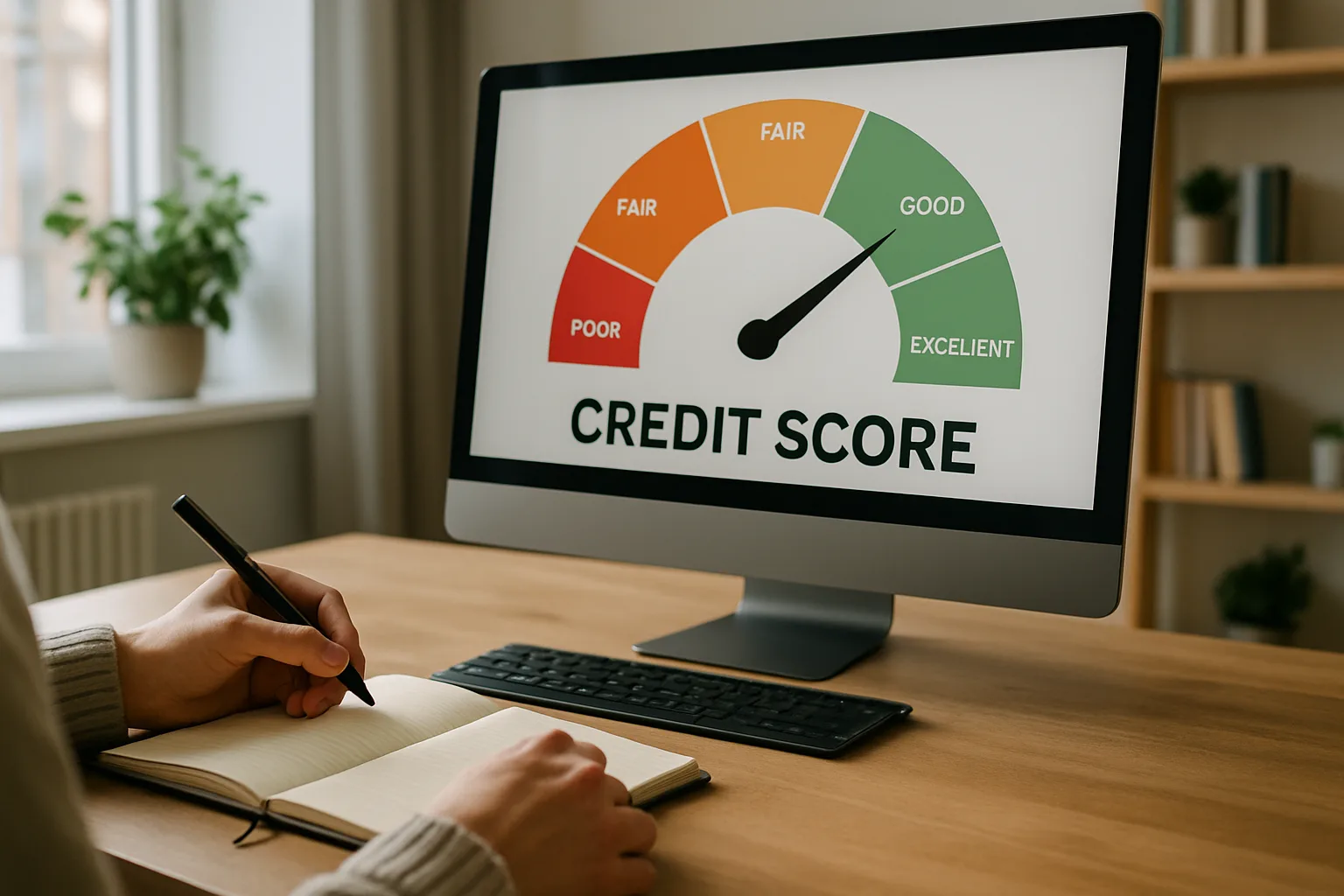
Credit score ranges vary by model, but most lenders use FICO scores. Here's a typical breakdown:
- Good: 670–739
- Very Good: 740–799
- Excellent: 800–850
Some lenders consider 750+ as excellent. The key is that once you're in the "good" range, small improvements can push you into the next tier.
And those improvements often come from fine-tuning habits rather than major overhauls.
Think of it like a marathon runner shaving seconds off their time. You don't need to learn to run; you just need to optimize your stride. For example, a borrower with a 720 score might see a mortgage rate difference of 0.5% compared to someone with a 760 score.
Over a 30-year loan, that could save tens of thousands of dollars. So the effort to reach excellent is well worth it.
How Long Does It Take to Improve Credit Score from Good to Excellent?
This is one of the most common questions. The answer: it depends on your starting point and the specific actions you take. For someone with a 720 score, moving to 760+ might take 3 to 6 months with consistent effort.
Some strategies—like paying down credit card balances—can show results within 30 days because credit card companies report balances monthly. But building a long history of on-time payments takes time. So how long does it take to improve credit score from good to excellent?
Typically 3–12 months, but you can see meaningful progress in as little as 30 days.
Consider a real-world scenario. If you have a 730 score and you pay off $4,000 in credit card debt, your score might jump 25 points in one month. But if you also have a late payment from two years ago, that will take time to age and lose impact.
Patience and consistency are your best tools here.
How to Improve Credit Score Fast: 7 Steps to Excellent
These steps are ordered by impact. Start with the highest-leverage actions first.
Step 1: Pay Down Credit Card Balances to Under 10% Utilization
Credit utilization—how much of your available credit you're using—is the second biggest factor in your score (after payment history). For an excellent score, aim for under 10% utilization across all cards. If you have a $10,000 limit, keep your balance below $1,000.
Paying down balances can boost your score within 30 days because most issuers report your balance to the bureaus once a month. This is one of the fastest ways to how to improve credit score in 30 days.
Let's illustrate with an example. Imagine you have two cards: one with a $5,000 limit and a $2,000 balance (40% utilization), and another with a $5,000 limit and a $500 balance (10% utilization). Your overall utilization is 25% ($2,500 / $10,000).
By paying the first card down to $500, your total utilization drops to 10%. That single action could raise your score by 20–30 points. The key is to focus on the card with the highest utilization first.
Step 2: Request a Credit Limit Increase
Call your credit card issuer and ask for a limit increase. If approved, your utilization drops instantly—without you spending a dime. For example, if you have a $5,000 limit and a $1,000 balance (20% utilization), a limit increase to $10,000 cuts your utilization to 10%.
Some issuers do a hard pull, which may temporarily dip your score a few points, but the long-term gain is worth it. Ask for a soft pull if possible. This is a core tactic for how to quickly improve credit score.
Many issuers like Chase, Capital One, and American Express offer online requests that use a soft pull. For instance, if you've had a card for six months with on-time payments, you might qualify for a $3,000 increase. That could lower your utilization by 5–10%, potentially adding 10–15 points to your score.
Just be sure to use the increase wisely—don't run up new balances.
Step 3: Become an Authorized User on a Well-Managed Card
If you have a family member or close friend with a card that has a long history of on-time payments and low utilization, ask to be added as an authorized user. The account's positive history will appear on your credit report, potentially boosting your score. This works best if the primary cardholder has excellent credit.
It's a passive way to how to improve your credit score in 30 days.
Consider this: your parent has a card with a 15-year history, a $20,000 limit, and a $200 balance. When you're added as an authorized user, that entire account history—including the low utilization and on-time payments—gets added to your report. Your average account age increases, and your utilization drops.
This could add 20–40 points to your score, depending on your existing profile. Just make sure the primary cardholder maintains good habits, or the strategy could backfire.
Step 4: Dispute Errors on Your Credit Reports
Mistakes happen. Check your credit reports from all three bureaus (Equifax, Experian, TransUnion) for free at AnnualCreditReport.com. Look for incorrect late payments, accounts that aren't yours, or outdated negative items.
Dispute errors online with each bureau. Removing a single erroneous late payment can add 20–50 points. This is a high-impact fix for how to improve credit score fast.
For example, you might find a collection account from a utility company you paid years ago. Or a credit card account you never opened. By filing a dispute with Equifax, Experian, and TransUnion, you can have these errors removed within 30 days.
The Federal Trade Commission reports that one in five consumers has an error on at least one report. Don't assume your reports are accurate—check them regularly.
Step 5: Make All Payments on Time—Every Time
Payment history makes up 35% of your FICO score. If you have a good score, you're probably already paying on time. But one missed payment can cost you 50–100 points.
Set up autopay for at least the minimum due. If you're worried about overdrafts, set calendar reminders. Consistency is key to pushing into excellent territory.
Let's say you have a 740 score and you accidentally miss a credit card payment by 30 days. Your score could drop to 680 or lower. That one slip could take months to recover from.
To avoid this, link your bank account to autopay for the minimum amount. You can always pay extra manually, but the autopay ensures you never miss a due date. This is a non-negotiable habit for anyone aiming for excellent credit.
Step 6: Avoid Opening New Credit Accounts Unnecessarily
Each new application triggers a hard inquiry, which dings your score a few points. For someone with a good score, one inquiry is minor, but multiple inquiries in a short period can add up. Also, new accounts lower your average account age, which can hurt your score.
Only apply for new credit when you truly need it. If you're wondering how quickly can you improve credit score, avoiding new inquiries helps you avoid setbacks.
Imagine you apply for three store credit cards in one month to get discounts. Each application results in a hard inquiry, dropping your score by 5–10 points each. That's a 15–30 point loss.
Plus, the new accounts lower your average age from 8 years to 6 years. Instead, focus on optimizing your existing accounts. If you need a new card, space applications out by six months to minimize the impact.
Step 7: Keep Old Accounts Open
Length of credit history accounts for 15% of your score. Closing an old card—even one you don't use—can shorten your average account age and reduce your total available credit, raising your utilization. Instead, keep old accounts open and use them occasionally for small purchases (like a streaming subscription) to keep them active.
For instance, you have a credit card you opened 10 years ago with a $2,000 limit. You never use it. If you close it, your average account age drops from 8 years to 5 years, and your total available credit decreases by $2,000.
That could raise your utilization by 5% and lower your score by 10–15 points. Instead, use the card once every six months for a small purchase and pay it off immediately. This keeps the account active without risk.
How Fast Can You Improve Your Credit Score? Realistic Timeline
Many people ask how fast can you improve your credit score from good to excellent. Here's a realistic timeline based on actions:
- 30 days: Paying down credit card balances to under 10% utilization can show a score increase of 20–50 points within one billing cycle.
- 3 months: Disputing errors and becoming an authorized user can add 30–60 points combined.
- 6–12 months: Consistent on-time payments and low utilization will solidify gains and push you into excellent territory.
Remember, credit scores are a marathon, not a sprint. But with focused effort, you can see meaningful improvement in a few months.
To give you a concrete example, let's say you start at 720. In month one, you pay down your credit cards to 8% utilization, gaining 25 points to 745. In month two, you dispute an error and get it removed, gaining 15 points to 760.
In month three, you're added as an authorized user on a 20-year-old card, gaining 10 points to 770. By month six, with on-time payments, you're at 780. That's a 60-point gain in half a year.
How to Quickly Improve Credit Score: Common Mistakes to Avoid
When trying to how to quickly improve credit score, avoid these pitfalls:
- Closing old cards: Hurts your credit history length and utilization.
- Maxing out cards for rewards: High utilization backfires, even if you pay in full.
- Ignoring your credit report: Errors can silently drag your score down.
- Applying for multiple cards at once: Hard inquiries add up.
Another common mistake is using a credit repair service that promises to remove accurate negative information. No legitimate company can do that. Only errors or outdated items (over seven years) can be removed.
Be wary of any service that charges upfront fees, as this is illegal under the Credit Repair Organizations Act. Stick to the steps outlined here for safe, effective improvement.
What Affects Your Credit Score? A Quick Refresher
To understand what affects your credit score, know the five FICO factors:
- Payment history (35%): On-time payments are critical.
- Amounts owed (30%): Credit utilization is key.
- Length of credit history (15%): Longer is better.
- New credit (10%): Hard inquiries and new accounts.
- Credit mix (10%): Having different types of credit (cards, loans) helps.
For moving from good to excellent, focus on the first two: payment history and utilization.
Let's break down utilization further. It's calculated both per card and overall. For example, if you have one card with 50% utilization and another with 5%, your overall might be 20%.
But the card with 50% is still a red flag to lenders. Aim for under 10% on every card. If that's not possible, focus on paying down the highest utilization card first.
This targeted approach can yield faster results.
How to Build Credit from Scratch vs. Improving Good Credit
If you're starting from nothing, how to build credit involves getting a secured card or becoming an authorized user. But if you already have good credit, you're past that stage. Your focus shifts to optimization: lowering utilization, increasing credit limits, and maintaining a spotless payment record.
The strategies are different, so don't mix them up.
For instance, someone building from scratch might need to open a secured card with a $200 deposit and use it for small purchases. But someone with good credit can request a limit increase on an existing card, which doesn't require a deposit. The tools are different because the starting point is different.
Recognize where you are and use the right strategies for your stage.
How to Raise Your Credit Score Fast: Advanced Tips
For those wanting to how to raise your credit score fast, consider these advanced moves:
- Pay down balances strategically: Focus on cards with the highest utilization first. Even paying one card to zero can help.
- Use the "AZEO" method: All Zero Except One—keep one card reporting a small balance (say, $10) and all others at $0. This can maximize your score.
- Ask for a goodwill adjustment: If you have a single late payment, write a goodwill letter to the creditor asking them to remove it as a courtesy.
The AZEO method works because it shows you're using credit responsibly without appearing dependent on it. For example, you have three cards. You pay two to $0 and leave one with a $10 balance.
Your overall utilization is near zero, but you're still showing active credit use. This can boost your score by 10–20 points compared to having all cards at zero. Just be sure the card with the balance reports before the statement date.
How to Improve Credit Score in 30 Days: A Checklist
If you're aiming for how to improve credit score in 30 days, follow this checklist:
- Check your credit reports for errors (free at AnnualCreditReport.com).
- Dispute any inaccuracies immediately.
- Pay down credit card balances to under 10% utilization.
- Request a credit limit increase (soft pull if possible).
- Ask to be added as an authorized user on a well-managed card.
- Set up autopay for all bills.
- Avoid new credit applications.
These steps can yield a noticeable score bump within a month.
To make this actionable, create a timeline. On day one, pull your credit reports. On day two, dispute any errors.
On day three, pay down your highest utilization card. By day seven, request a limit increase. By day 14, ask a family member about authorized user status.
By day 30, review your score. You might be surprised at the progress you can make in just one month.
How Quickly Can You Improve Credit Score? Real Examples
Let's look at an illustrative example. Suppose you have a 720 score with $5,000 in credit card debt across two cards with a total limit of $20,000 (25% utilization). You pay off $3,000, bringing utilization to 10%.
Your score could jump 20–30 points within 30 days. Then you request a limit increase to $30,000, dropping utilization to 7%. Another 10–15 points.
Add an authorized user account with a 10-year history, and you might gain 20 more points. In three months, you could be at 770+. So how quickly can you improve credit score?
In this scenario, very quickly.
Now consider a different scenario. You have a 740 score with a single late payment from six months ago. Your utilization is already at 8%.
In this case, your score might be stuck because of that late payment. You could write a goodwill letter to the creditor explaining the situation. If they agree to remove it, your score could jump 30–50 points.
That's a fast fix, but it depends on the creditor's discretion. Always be polite and professional in your request.
How to Improve Your Credit Score in 30 Days: Monitoring Progress
Track your score using a free service like Credit Karma or your credit card's FICO score tool. But note: these are often VantageScore, not FICO. For a true picture, pay for a FICO score from myFICO.com.
Check your score monthly to see how your actions are impacting it. If you're following the steps for how to improve your credit score in 30 days, you should see upward movement.
Monitoring also helps you catch issues early. For example, you might notice a sudden drop of 20 points. That could signal a missed payment or a new account you didn't authorize.
By checking your score regularly, you can address problems quickly. Set a reminder to check your score on the same day each month, like the first of the month. This builds a habit and keeps you accountable.
The Role of Credit Mix in Reaching Excellent Credit
Credit mix accounts for 10% of your FICO score, but it can still matter for the final push. Having a mix of installment loans (like auto loans or mortgages) and revolving credit (credit cards) shows lenders you can handle different types of debt. If you only have credit cards, consider adding a small installment loan, like a credit-builder loan from a credit union.
For example, you have three credit cards and no loans. Adding a $1,000 credit-builder loan that you pay off over 12 months could add 10–15 points to your score. The key is to keep the loan small and affordable.
Don't take on debt you don't need just for the mix. But if you're already planning to finance a car or home, the timing can work in your favor.
How to Handle Collections and Charge-Offs for a Score Boost
If you have a collection account or charge-off on your report, it can drag down an otherwise good score. Even a paid collection can hurt, but some newer scoring models ignore paid collections. For older models, you may need to negotiate a "pay for delete" agreement with the collection agency, where they remove the account in exchange for payment.
For instance, you have a $500 medical collection from three years ago. You call the collection agency and offer to pay the full amount if they delete the account from your credit report. Get the agreement in writing first.
Once paid and deleted, your score could jump 20–40 points. This is a powerful move for anyone with a good score held back by a single negative item.
When to Seek Professional Help
If you've tried these steps and your score isn't budging, consider a credit repair company. But be cautious: many charge high fees for services you can do yourself. The Consumer Financial Protection Bureau (CFPB) has resources on credit repair.
Only use reputable firms. And remember, no one can remove accurate negative information—only errors or outdated items.
For example, if you have a legitimate bankruptcy on your report, no credit repair company can remove it before the seven- to ten-year mark. If a company promises to do so, it's a red flag. Instead, focus on what you can control: paying bills on time and keeping utilization low.
If you're overwhelmed, a non-profit credit counselor can help you create a plan. They offer free or low-cost advice without the high fees of for-profit companies.
How to Maintain an Excellent Credit Score Once You Reach It
Reaching excellent credit is an achievement, but maintaining it requires ongoing discipline. Continue to pay all bills on time, every time. Keep your credit utilization low, ideally under 10%.
And avoid applying for new credit unless absolutely necessary. One slip—like a missed payment or a sudden spike in utilization—can drop your score back to good or even fair.
For example, you have an 810 score and you decide to finance a new car. The hard inquiry might drop you 5 points, but that's temporary. However, if you then max out a credit card to furnish your home, your utilization could jump to 60%, costing you 50–80 points.
To maintain your score, plan large purchases carefully. Pay down balances before applying for new credit, and keep your spending in check.
Key Takeaways
- Moving from good to excellent credit is achievable in 3–12 months with focused effort.
- Paying down credit card utilization to under 10% is the fastest single action you can take.
- Requesting credit limit increases and becoming an authorized user can provide quick boosts.
- Check your credit reports for errors and dispute them—this can add 20–50 points.
- Avoid new credit applications and keep old accounts open to preserve history.
- Track your progress monthly using a FICO score source.
- This is general information; consult a financial advisor for personalized advice.
Frequently asked questions
Can I improve my credit score from good to excellent in 30 days?
What is the fastest way to raise a credit score from 720 to 800?
Will a credit limit increase hurt my score?
How many points can I gain by becoming an authorized user?
Should I close a credit card I never use?
This article is for general informational purposes only and does not constitute financial, legal or credit-repair advice. Always consult a qualified financial advisor or credit counselor about your specific circumstances.

Written & reviewed by
Can OTUEditor
Can OTU is the editor of this site, curating and reviewing every guide for accuracy and clarity.
View all guides →