How to Fix Your Credit to Buy a House: A Practical Roadmap

- Check your credit reports from Equifax, Experian, and TransUnion for free at AnnualCreditReport.com.
- Dispute any errors you find—this can boost your score quickly.
- Pay down credit card balances to below 30% utilization, ideally under 10%.
If you're dreaming of buying a home but your credit score isn't where it needs to be, you're not alone. Many people find themselves in this exact spot—wanting to become a homeowner but held back by a less-than-perfect credit history. The good news is that you can take concrete steps to improve your credit, often in a matter of months.
This guide walks you through exactly how to fix your credit to buy a house, step by step.
Your credit score directly affects your mortgage interest rate and whether you qualify for a loan at all. A higher score can save you tens of thousands of dollars over the life of a loan. So even a small improvement can make a big difference.
The process isn't complicated, but it does require focus and consistency. Let's break it down into clear, actionable steps.
Keep in mind that this article provides general information, not professional financial advice. Your situation is unique, so consider consulting a housing counselor or mortgage professional for personalized guidance.
Step 1: Get Your Credit Reports
You can't fix what you can't see. Start by pulling your credit reports from all three major bureaus: Equifax, Experian, and TransUnion. Go to AnnualCreditReport.com—it's the only official site authorized by federal law.
You're entitled to one free report from each bureau every 12 months. During the pandemic, weekly free reports were made available, and that may still be an option.
Review each report carefully. Look for accounts you don't recognize, incorrect balances, late payments that aren't yours, or any other errors. These mistakes can drag your score down.
Make a list of everything that looks wrong.
Why All Three Bureaus Matter
Each bureau may have slightly different information. A late payment might appear on one report but not another. Lenders often pull reports from all three, so you need all three to be accurate.
For example, imagine you paid off a car loan in 2020. If Equifax shows it as still open, that could inflate your debt-to-income ratio. Disputing that error could remove the false debt and raise your score.
Step 2: Dispute Credit Report Errors
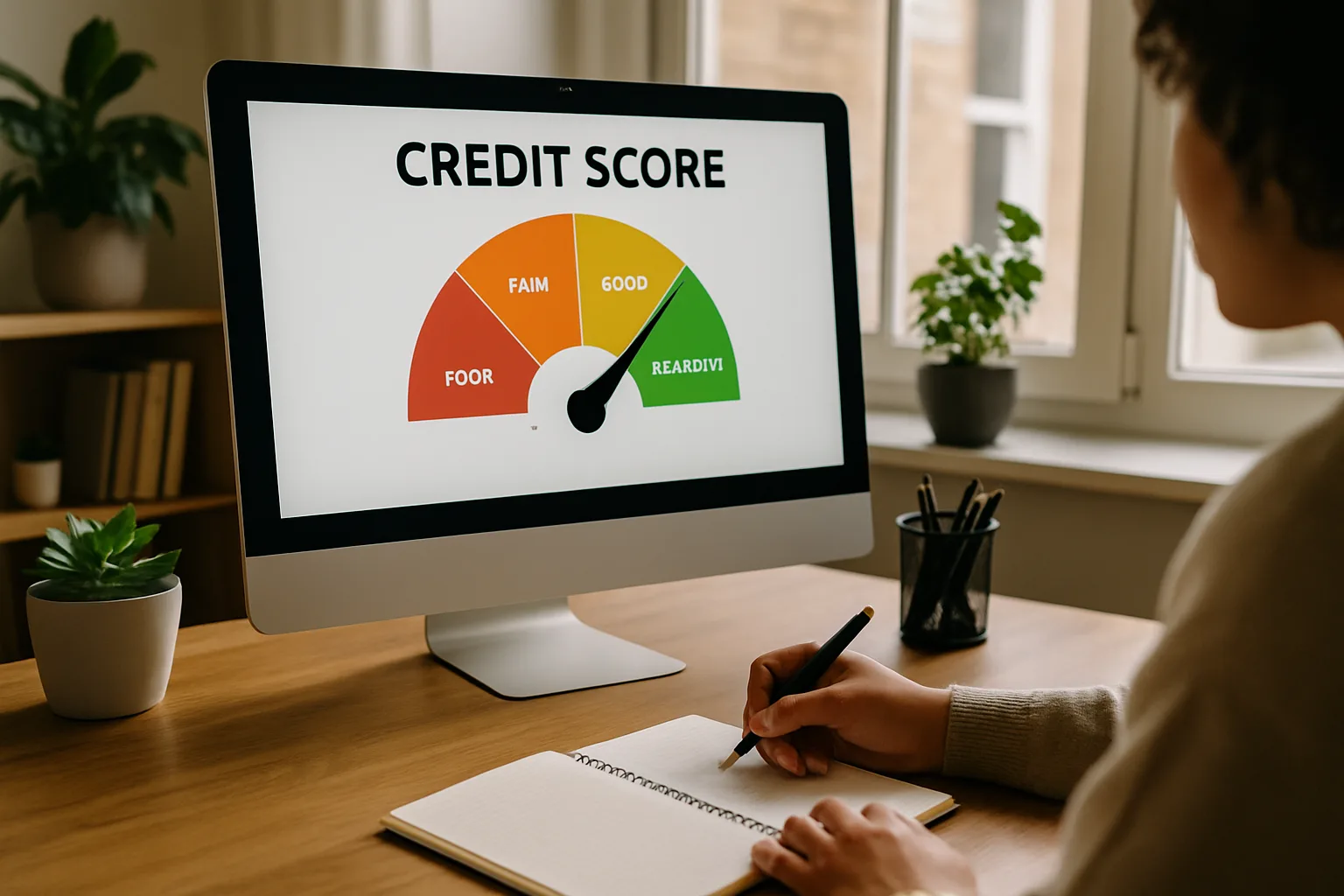
If you find errors, dispute them with the credit bureau that reported them. You can do this online, by mail, or by phone. The bureau must investigate within 30 days (45 days in some cases).
If they can't verify the information, they must remove it.
Common errors include accounts that belong to someone else (identity theft), incorrect payment statuses, duplicate entries, and outdated negative items (most negative marks fall off after 7 years). Fixing these can give your score a quick boost—sometimes 20–50 points or more.
For step-by-step help, see our guide on what affects your credit score so you know what to look for.
How to File a Dispute Effectively
When you dispute, include copies of any supporting documents. For instance, if a paid-off collection account still shows a balance, attach a receipt or bank statement. The bureau will then contact the data furnisher, like a bank or collection agency, to verify the item.
If the furnisher doesn't respond within 30 days, the item must be removed. This is a powerful tool. Many people see a 30-point jump after clearing just one incorrect late payment.
Step 3: Know Your Credit Score
Your credit reports don't include your score. You'll need to get that separately. Many credit card companies and banks offer free credit scores to their customers.
You can also use sites like Credit Karma or Credit Sesame for a free VantageScore. But keep in mind that mortgage lenders typically use FICO scores—specifically the FICO Score 2, 4, or 5 for mortgage applications. These can differ from the scores you see for free.
To get a more accurate picture, you can purchase your FICO scores from myFICO.com. It costs around $60 for all three bureau scores, but it's worth it if you're serious about buying a home soon.
Why FICO Scores Differ from Free Scores
VantageScore 3.0, which many free services provide, often weighs factors differently. For example, it may ignore paid collections, while FICO models still penalize them. So your Credit Karma score of 700 might actually be a FICO score of 660.
That 40-point gap could mean the difference between a 6.5% and a 7.5% interest rate. On a $300,000 loan, that's over $200 extra per month. So knowing your true FICO score is critical before you apply for a mortgage.
Step 4: Pay Down Credit Card Balances

Your credit utilization ratio—how much of your available credit you're using—is a major factor in your score. Aim to keep it below 30% on each card, and ideally under 10%. For example, if you have a $1,000 limit, keep the balance under $300.
Paying down balances is one of the fastest ways to improve your score. Even a single large payment can help. If you can't pay off the full balance, focus on the cards closest to their limit first.
This is a key part of how to raise your credit score fast.
The Impact of Utilization on Your Score
Utilization accounts for about 30% of your FICO score. If you have a $5,000 total credit limit and carry a $4,500 balance, your utilization is 90%. That alone can drop your score by 50 points or more.
Now imagine you pay that down to $1,500—30% utilization. Your score could jump 40 points within a month. This is because utilization has no memory; it's recalculated each month based on your latest balances.
Step 5: Make All Payments on Time
Payment history is the single biggest factor in your credit score—about 35%. One late payment can drop your score by 50–100 points. So set up automatic payments or calendar reminders to ensure you never miss a due date.
If you have past late payments, the damage fades over time. Older late payments hurt less than recent ones. Focus on being perfect going forward.
Even if you can only pay the minimum, pay it on time.
How to Handle Existing Late Payments
If you have a recent late payment, consider a goodwill letter. Write to your creditor explaining the circumstances and asking them to remove the late mark as a courtesy. This isn't guaranteed, but it works for some people.
For example, if you missed a payment due to a medical emergency, a goodwill letter might persuade the lender to delete it. Even one removed late payment can boost your score by 30 points.
Step 6: Avoid Opening New Credit Accounts Unnecessarily
Every time you apply for credit, a hard inquiry appears on your report, which can lower your score by a few points. Multiple inquiries in a short period can signal risk to lenders. So don't open new credit cards or loans just to improve your mix of credit.
It's better to work with what you have.
The exception is if you have a very thin credit file—say, fewer than 3 accounts. In that case, opening a secured credit card or becoming an authorized user on someone else's account can help build history. See our guide on how to build credit for more details.
When a New Account Makes Sense
If you only have one credit card and a student loan, adding a second card can improve your credit mix. But do it strategically. Apply for a card with no annual fee and a low credit limit, like a secured card.
Then use it sparingly and pay it off monthly.
Opening a new account will cause a small, temporary dip. But within 6 months, the positive effects of a new payment history and lower utilization can outweigh that dip.
Step 7: Keep Old Accounts Open
The length of your credit history matters—about 15% of your score. Closing old accounts shortens your average account age and can reduce your total available credit, which may increase your utilization ratio. So keep your oldest cards open, even if you don't use them often.
Just use them occasionally to avoid inactivity closure.
How to Keep Old Accounts Active
Set a recurring small charge, like a $5 Netflix subscription, on each old card. Then set up autopay to pay the full balance each month. This keeps the account active without risking late payments.
If you close a card with a 10-year history, your average account age could drop from 7 years to 4 years. That might lower your score by 10–15 points. So keeping old accounts is almost always better.
Step 8: Consider a Secured Credit Card
If you have limited or damaged credit, a secured card can be a great tool. You deposit money upfront—typically $200–$500—and that becomes your credit limit. Use it for small purchases and pay the balance in full each month.
After 6–12 months of on-time payments, you may qualify for an unsecured card and get your deposit back.
This is one of the most effective ways to how to raise your credit score fast when you're starting from a low point.
Choosing the Right Secured Card
Look for a secured card that reports to all three bureaus. Some cards also offer a path to an unsecured card with a credit limit increase. Avoid cards with high annual fees or application fees that eat into your deposit.
For example, the Discover it Secured Card reports to all three bureaus and offers cash back rewards. After 7 months of on-time payments, Discover may automatically review your account for an upgrade. This can help you build credit without high costs.
Step 9: Become an Authorized User
If a family member or close friend has a credit card with a long history of on-time payments, ask if they'll add you as an authorized user. You'll get the benefit of their positive payment history on your report, without having to use the card yourself. This can give your score a quick lift—sometimes 20–50 points.
Just make sure the primary cardholder has excellent credit habits. If they miss payments, it could hurt you too.
How Authorized User Status Works
When you're added as an authorized user, the entire account history appears on your credit report. That includes the age of the account, credit limit, and payment history. So if your parent has a 15-year-old card with a $10,000 limit and perfect payments, your score can benefit immediately.
But be cautious. If the primary cardholder maxes out the card or misses a payment, that negative activity also appears on your report. So choose someone you trust completely.
Step 10: Use Credit Monitoring Tools
To track your progress, sign up for a free credit monitoring service. Many banks and credit card issuers offer this. You'll get alerts when your score changes, when new accounts are opened in your name, or when a hard inquiry is made.
This helps you catch errors or fraud early.
Monitoring also keeps you motivated—you can see your score climb as you follow these steps.
What to Look for in a Monitoring Service
Choose a service that provides monthly updates from at least one bureau. Some services, like Credit Karma, offer weekly updates from TransUnion and Equifax. Others, like Experian's free service, give you a monthly FICO score.
Set up alerts for any changes to your utilization or new hard inquiries. If you see a sudden drop, you can investigate immediately. For instance, if a collection account appears that you don't recognize, you can dispute it right away.
Step 11: Understand Mortgage Credit Requirements
Different mortgage types have different credit score minimums. Here's a quick look:
| Loan Type | Minimum Credit Score | Down Payment |
|---|---|---|
| Conventional (Fannie Mae/Freddie Mac) | 620–640 | 3%–5% |
| FHA (Federal Housing Administration) | 500–580 | 3.5%–10% |
| VA (Veterans Affairs) | No official minimum (lender typically 620+) | 0% |
| USDA (Rural Development) | 640 (typical lender requirement) | 0% |
Keep in mind that lenders often have overlays—stricter requirements than the official minimums. A score of 680 or higher will give you the best rates and options.
How Credit Score Affects Your Interest Rate
A 30-point difference in your credit score can change your interest rate by 0.5% to 1%. For a $250,000 loan, that's an extra $150 per month or $54,000 over 30 years. So improving your score from 650 to 700 could save you thousands.
Lenders also consider your debt-to-income ratio, employment history, and down payment. But your credit score is often the first gatekeeper. Meeting the minimum doesn't guarantee approval if other factors are weak.
Step 12: Work with a Mortgage Professional Early
Before you start house hunting, talk to a mortgage lender or broker. They can pre-qualify you and tell you exactly what score and down payment you need. They can also review your credit report and suggest specific improvements.
This is free and carries no obligation.
Some lenders offer credit repair counseling as part of their service. They can help you prioritize which debts to pay off and which errors to dispute.
What to Ask a Mortgage Lender
Ask for a pre-qualification letter that shows your estimated loan amount and interest rate. Then ask: "What is the minimum credit score for your best rate?" and "Which credit bureau score do you use?" This helps you target your efforts.
For example, if a lender uses Experian's FICO Score 2, focus on improving that specific score. You can check your Experian FICO Score 2 through myFICO.com. This targeted approach can save you time and money.
Step 13: Be Patient—But You Can See Results in 3–6 Months
Improving your credit isn't an overnight fix, but you can see meaningful progress in a few months. Paying down balances and disputing errors can boost your score within 30–60 days. Building a longer history of on-time payments takes more time, but even 6 months of good behavior can raise your score significantly.
If you're aiming for a mortgage, plan to start this process at least 6–12 months before you want to apply. That gives you time to correct errors, pay down debt, and build a solid payment history.
Realistic Timeline for Credit Improvement
In the first month, focus on getting your credit reports and disputing errors. In months 2–3, pay down credit card balances to under 30% utilization. In months 4–6, make all payments on time and avoid new credit.
By month 6, you could see a 50–100 point increase.
For example, if you start with a 580 FICO score, you might reach 640 in 6 months. That could qualify you for an FHA loan with a 3.5% down payment. With continued effort, you could hit 680 in 12 months, unlocking conventional loans with lower rates.
Step 14: Understand the Impact of Collections and Charge-Offs
Collections and charge-offs can severely damage your credit. A collection account can drop your score by 50–100 points, depending on the amount and recency. If you have collections, consider paying them off or negotiating a pay-for-delete agreement.
Pay-for-delete means the collection agency agrees to remove the account from your report in exchange for payment. This isn't guaranteed, but many agencies will do it. Always get the agreement in writing before you pay.
How to Negotiate a Pay-for-Delete
Contact the collection agency and say, "I'll pay the full amount if you remove this account from my credit report." If they agree, ask for a letter stating that. Then pay with a certified check or money order to have proof.
If they refuse, you can still pay the debt. The account will be marked as "paid," which is better than "unpaid." But a paid collection still hurts your score. Removing it entirely is the best outcome.
Step 15: Manage Your Debt-to-Income Ratio
Your debt-to-income (DTI) ratio is your monthly debt payments divided by your gross monthly income. Lenders prefer a DTI below 43%, but lower is better. A high DTI can make it harder to qualify, even with a good credit score.
To lower your DTI, pay off small debts first. For example, if you have a $200 monthly car payment and a $50 monthly credit card minimum, paying off the credit card reduces your DTI by $50. Every bit helps.
How DTI Affects Mortgage Approval
If your DTI is 50%, you might still qualify for an FHA loan with a 580 credit score, but you'll pay a higher interest rate. With a DTI of 35% and a 700 credit score, you'll get better terms. So focus on both credit and debt.
For instance, if you earn $5,000 per month and have $2,000 in monthly debts, your DTI is 40%. Paying off a $200 monthly car loan would bring it to 36%. That small change could save you 0.25% on your mortgage rate.
Step 16: Avoid Common Credit Repair Scams
Be wary of companies that promise to "fix your credit fast" for a fee. Many are scams that charge upfront fees and do nothing. You can dispute errors yourself for free.
Legitimate credit repair companies exist, but they can't do anything you can't do on your own.
If a company asks for payment before providing services, that's a red flag. The Credit Repair Organizations Act (CROA) makes this illegal. Stick to free resources like AnnualCreditReport.com and this guide.
How to Spot a Credit Repair Scam
Look for promises like "remove all negative items in 30 days" or "create a new credit identity." These are illegal. Legitimate companies will explain your rights and help you dispute errors, but they can't guarantee results.
If you decide to use a credit repair service, check their Better Business Bureau rating and read reviews. Avoid any company that suggests you dispute accurate information. That's fraud and could get you in trouble.
Step 17: Consider a Credit Builder Loan
A credit builder loan is a small loan, typically $500–$1,000, that you pay off over 6–12 months. The lender holds the money in a savings account until you finish paying. Each on-time payment is reported to the credit bureaus, building your payment history.
This is a low-risk way to build credit if you have no existing accounts. Many credit unions and online lenders offer credit builder loans. After 12 months, you get the money back, minus a small fee.
How Credit Builder Loans Work
For example, you take a $1,000 loan with a 12-month term. You pay $85 per month. The lender reports each payment to the bureaus.
After 12 months, you get the $1,000 back (minus a $50 fee, perhaps). Your credit score could increase by 20–40 points.
This is especially useful if you have a thin file. It adds a new account and a history of on-time payments. Just make sure the lender reports to all three bureaus.
Step 18: Monitor Your Progress with a Credit Score Simulator
Use a credit score simulator to see how different actions might affect your score. Many free services, like Credit Karma, offer this. You can simulate paying off a credit card, opening a new account, or missing a payment.
This helps you prioritize. For instance, the simulator might show that paying off a $500 credit card balance raises your score by 20 points, while opening a new card drops it by 5 points. Use that info to make decisions.
How to Use a Simulator Effectively
Enter your current balances and see the projected score after paying down debt. Then simulate becoming an authorized user on a high-limit card. Compare the results to decide which step to take first.
For example, if paying down a card from 90% to 30% utilization adds 30 points, do that before asking to be an authorized user. The simulator gives you a data-driven plan.
Key takeaways
- Check your credit reports from all three bureaus for free at AnnualCreditReport.com and dispute any errors.
- Pay down credit card balances to below 30% utilization—ideally under 10%—to boost your score quickly.
- Make all payments on time, every time. Payment history is the most important factor.
- Keep old accounts open and avoid opening new credit unnecessarily.
- Consider a secured card or becoming an authorized user to build credit if your file is thin.
- Talk to a mortgage lender early to understand exactly what you need.
- You can see significant improvement in 3–6 months, but start early to give yourself time.
For more detailed steps, check out our guide on how to raise your credit score fast and how to build credit.
Frequently asked questions
How long does it take to fix credit to buy a house?
What credit score do I need to buy a house?
Can I buy a house with a 600 credit score?
Will paying off collections raise my credit score?
How fast can I raise my credit score 100 points?
This article is for general informational purposes only and does not constitute financial, legal or credit-repair advice. Always consult a qualified financial advisor or credit counselor about your specific circumstances.

Written & reviewed by
Can OTUEditor
Can OTU is the editor of this site, curating and reviewing every guide for accuracy and clarity.
View all guides →