How to Build Credit With No Credit History
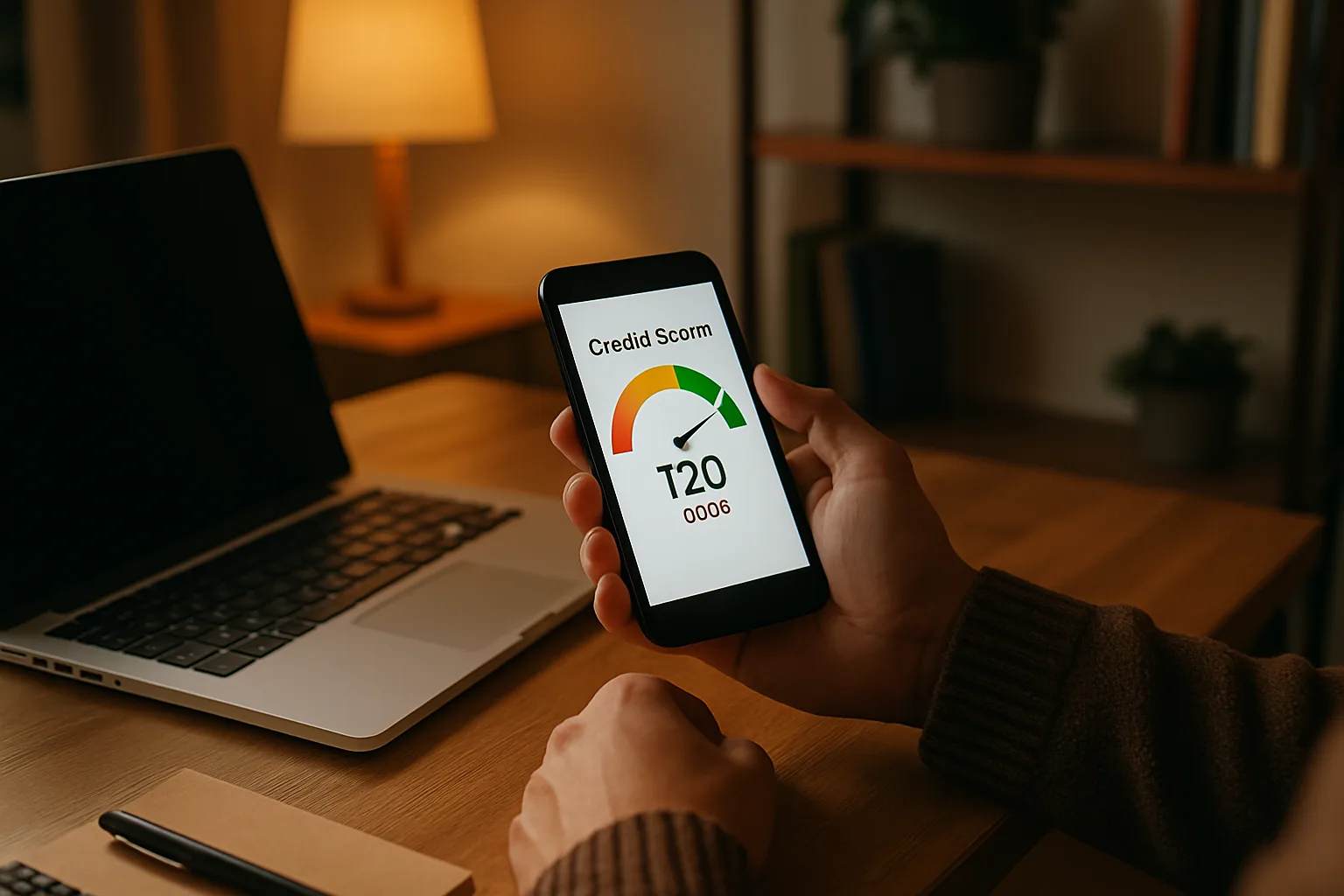
- Start with a secured card — you pay a deposit that becomes your credit limit.
- Ask a family member to add you as an authorized user on their card.
- Always pay on time and keep your balance low — payment history is 35% of your score.
If you've never had a credit card or loan, you probably have no credit history — or what's called a "thin file." That can feel like a catch-22: you can't get credit because you have no credit, and you can't build credit without getting credit. But there are proven ways to break that cycle.
Building credit from scratch doesn't have to take years. With the right steps, you can establish a solid credit profile in 6 to 12 months. This guide walks you through exactly how to build credit with no credit history — step by step.
Remember: this is general information, not financial advice. Your situation is unique, so consider talking to a nonprofit credit counselor for personalized help.
What Does It Mean to Have No Credit History?
Having no credit history means the three major credit bureaus — Equifax, Experian, and TransUnion — have no record of you borrowing money or paying bills. You might have a "thin file" or no file at all.
Without a credit history, lenders can't assess your risk. That often leads to loan denials or high interest rates if you do get approved. Even landlords and employers sometimes check credit.
The good news? You can start building credit today. The key is knowing which products and habits actually report to the bureaus.
Why Credit Bureaus Matter
Credit bureaus collect data on your borrowing and payment behavior. They sell this information to lenders, landlords, and insurers.
If you have no file, these entities see a blank slate. They cannot predict your reliability, so they often say no.
Building a file gives them data to work with. That data becomes your credit score.
What a Thin File Looks Like
A thin file means you have fewer than five accounts on your credit report. Some lenders consider any file with less than three years of history as thin.
For example, if you only have one credit card opened six months ago, that's a thin file. You might have a score, but it's fragile and can drop with one mistake.
Thin files are common among young adults, recent immigrants, and people who always paid with cash. The solution is to add more accounts over time.
How to Build Credit With No Credit History: 7 Steps

Follow these steps in order. Each one builds on the last.
Step 1: Check Your Current Credit Report
Before you start, make sure you truly have no credit history. You can get free weekly credit reports from AnnualCreditReport.com. Look for any accounts — even old ones you forgot about.
If you find errors or accounts that aren't yours, dispute them with the bureau. That alone can sometimes give you a starting score.
Also check if you have any unpaid collections. If so, how to raise your credit score fast often involves dealing with those first.
Step 2: Become an Authorized User
Ask a parent, spouse, or close friend with good credit to add you as an authorized user on their credit card. You don't need to use the card — just being on the account can boost your score.
The card's payment history and credit limit get added to your report. Make sure the primary cardholder pays on time and keeps their balance low.
This is one of the fastest ways to build credit because you inherit someone else's good habits — instantly. For example, if your parent has a card with a $5,000 limit and a 10-year history of on-time payments, that entire history may appear on your report.
Step 3: Open a Secured Credit Card
A secured card requires a cash deposit — usually $200 to $500 — which becomes your credit limit. You use it like a normal card, and the issuer reports your payments to the bureaus.
Look for a card that reports to all three bureaus and has a low annual fee. Avoid cards that never graduate you to an unsecured card.
Use the card for small purchases — like a streaming subscription or gas — and pay the full balance every month. That builds a positive payment history. For instance, charge a $10 Netflix subscription each month and pay it off immediately.
Step 4: Get a Credit-Builder Loan
Credit-builder loans work backward: the lender puts the loan amount into a savings account you can't access until you've paid off the loan. Your monthly payments get reported to the credit bureaus.
These loans are offered by credit unions and some online lenders. The amounts are small — often $500 to $1,000 — and the interest is low.
Once you've paid it off, you get the money back. It's a forced savings plan that builds credit along the way. For example, you might pay $50 per month for 12 months, and after the final payment, you receive the $600 lump sum.
Step 5: Use a Store Card or Gas Card
Store cards and gas cards are often easier to get than traditional credit cards because they have lower limits and higher interest rates. But they still report to the bureaus.
Only apply if you actually shop there. Use the card for a small purchase each month and pay it off immediately.
Be careful: these cards often have high APRs and can tempt you to overspend. Treat them like training wheels. For instance, a gas card with a $200 limit can help you build history if you fill up once a month and pay in full.
Step 6: Pay Every Bill on Time
Payment history makes up 35% of your FICO score — the single biggest factor. One late payment can undo months of good work.
Set up autopay for at least the minimum amount. Better yet, pay the full statement balance each month to avoid interest.
If you're worried about forgetting, use calendar reminders or a budgeting app. Consistency matters more than perfection. Missing a payment by even a day can result in a late fee and a negative mark on your report.
Step 7: Keep Your Credit Utilization Low
Credit utilization — how much of your available credit you're using — counts for 30% of your score. Aim to use less than 30% of your limit. Under 10% is even better.
For example, if your secured card has a $300 limit, keep your balance below $90. Pay it off before the statement date to keep reported utilization low.
You can also ask for a credit limit increase after 6 months of on-time payments. That automatically lowers your utilization. If your limit rises to $500 and you still spend $90, your utilization drops to 18%.
How Long Does It Take to Build Credit From Scratch?
You can get a FICO score after 6 months of credit activity. Some scoring models, like VantageScore, may generate a score sooner — sometimes after just one month of reported activity.
But a "good" score (670+) typically takes 6 to 12 months of consistent on-time payments and low utilization. Starting as an authorized user can speed that up.
Remember: building credit is a marathon, not a sprint. Don't apply for too many accounts at once — each application causes a small, temporary dip.
What to Expect in the First Year
In months 1-3, you may see no score at all. By month 6, you could have a score in the 500s or 600s.
By month 12, with diligent habits, you might reach 700. For example, someone who uses a secured card for small purchases and pays in full each month often sees steady improvement.
Patience is key. Rushing can lead to mistakes like missed payments or high utilization.
Realistic Timelines for Different Starting Points
If you start as an authorized user with a long-history card, you might see a score in the 600s within 2-3 months. Without that boost, it may take 6 months to get your first score.
Someone who opens a secured card and a credit-builder loan simultaneously might reach 700 in 8 months. That's because they build a mix of credit types faster.
But if you only use one card and make late payments, you could still have a score below 600 after a year. Consistency is everything.
What If You Have No Credit and No One to Add You as an Authorized User?
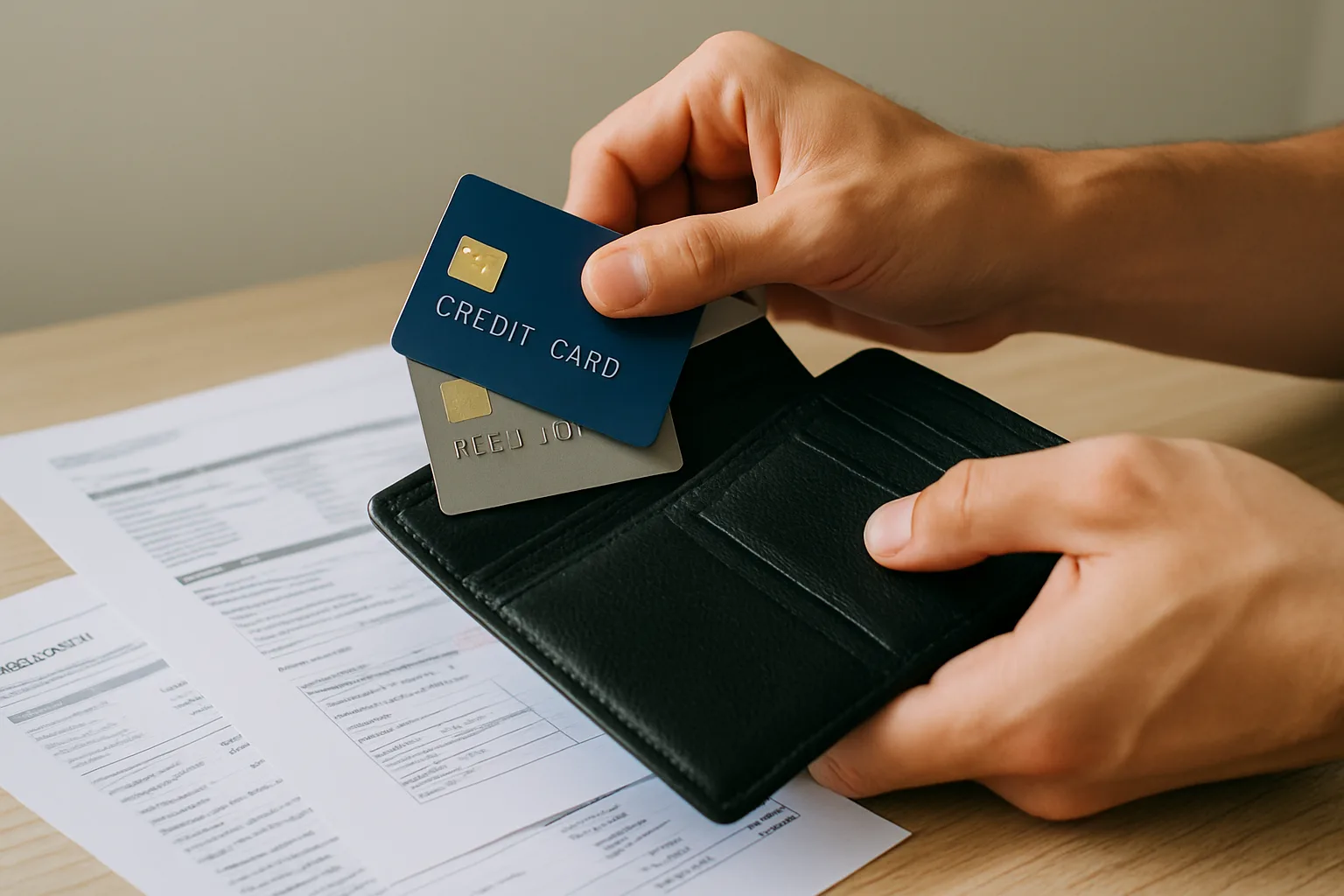
If you can't get an authorized user spot, start with a secured card or credit-builder loan. Some fintech apps like Self or Chime offer credit-building products that don't require a cosigner.
You can also try a "credit-builder" app that reports your rent payments to the bureaus. Services like Experian Boost can add utility and phone payments to your credit file.
Another option: a credit union. They often have more flexible requirements for small loans and secured cards.
Alternative Options to Consider
Some banks offer "credit-builder" checking accounts that report your account activity. These are rare but worth exploring.
You can also ask a landlord to report your rent payments to the bureaus. Not all do, but some property management companies offer this service.
Every small step adds data to your file. Over time, that data becomes a score.
Using Fintech Apps for Credit Building
Apps like Self offer credit-builder loans with no credit check. You choose a plan, make monthly payments, and get the money back at the end.
Chime's Credit Builder card is a secured card with no annual fee and no interest. It reports to all three bureaus and helps you build history.
These tools are designed for people with no credit. They often have lower barriers to entry than traditional banks.
Can You Build Credit Without a Credit Card?
Yes. Credit-builder loans, rent reporting services, and even some bank accounts (like ExtraCard or Cred.ai) report to the bureaus. You don't need a traditional credit card to build a score.
But credit cards are usually the fastest route because they report monthly and are widely accepted. If you're uncomfortable with plastic, a secured card is still a safe option.
For instance, a credit-builder loan from a credit union can establish an installment loan on your report. Combined with a rent reporting service, you can build a diverse credit mix without any plastic.
Non-Card Options That Work
ExtraCard is a debit card that reports your spending to credit bureaus. You load money onto it and use it like a debit card, but it builds credit.
Cred.ai offers a credit card that acts like a debit card. It reports your payments to the bureaus and has no interest or fees.
These options are good for people who want to avoid credit card debt. They build credit without the risk of overspending.
How to Build Your Credit Fast — Realistically
If you're wondering how to build credit quickly, the fastest path is becoming an authorized user on a well-managed account. That can give you an instant score boost.
Next, open a secured card and use it responsibly. Within 6 months, you'll likely have a score in the 600s. Within a year, you could reach 700+.
Don't fall for "credit repair" companies that promise to remove accurate negative information. They can't do anything you can't do yourself for free.
What "Fast" Really Means
Fast does not mean overnight. Even with an authorized user boost, you need at least a few months of your own activity.
Some people see a score of 720 after 8 months. Others take 18 months. Your mileage depends on your habits and the accounts you open.
Focus on consistency. Speed is a byproduct of good behavior.
Strategies to Accelerate Progress
Apply for a secured card and a credit-builder loan at the same time. This creates two accounts reporting simultaneously.
Use the secured card for small purchases and pay it off before the statement date. That keeps utilization low and builds payment history.
Also, set up autopay for all bills to avoid late payments. One late payment can set you back months.
How to Remove Collections From Credit History
If you find a collection account on your report, you can try to remove it by disputing errors or negotiating a pay-for-delete agreement. Not all collectors agree, but it's worth asking.
You can also send a debt validation letter requesting proof that you owe the debt. If the collector can't provide it, the bureau must remove the account.
For accurate collections, the best strategy is often to pay it off or negotiate a settlement. The account will still show as "paid" or "settled," which is better than an open collection.
When to Dispute vs. Pay
Dispute first if you believe the debt is not yours or the amount is wrong. If the collection is accurate, paying it off stops collection calls and may improve your score over time.
Some collectors offer "pay-for-delete" where they remove the account after payment. Get this agreement in writing before you send money.
Example: If a $500 medical collection appears, you might negotiate a $300 settlement and ask for deletion. Even if they refuse, a "paid" status is better than "unpaid."
How Collections Affect New Credit Building
If you have a collection, it can drag down your score even as you build new credit. That's because collections are a severe negative mark.
But you can still build new credit while dealing with collections. Open a secured card and make on-time payments to offset the damage.
Over time, the positive history from new accounts will outweigh the collection. It might take 2-3 years, but it's possible.
What Affects Your Credit Score?
Understanding what affects your credit score helps you focus your efforts. The five factors are:
- Payment history (35%): Pay all bills on time.
- Credit utilization (30%): Keep balances low relative to limits.
- Length of credit history (15%): Older accounts help — don't close your first card.
- Credit mix (10%): Having both a card and a loan is better than just one.
- New credit (10%): Too many applications in a short time can hurt.
Focus on the first two — they have the biggest impact.
How Each Factor Works in Practice
Payment history is simple: pay every bill on or before the due date. Even one 30-day late payment can drop your score by 100 points.
Credit utilization is about how much you owe versus your limits. If you have a $500 limit and a $400 balance, your utilization is 80%, which hurts your score.
Length of history rewards patience. The longer your oldest account is open, the better. Closing your first card shortens that history.
Why Credit Mix Matters
Credit mix shows lenders you can handle different types of debt. Revolving credit (cards) and installment loans (car loans, student loans) are the two main types.
If you only have a credit card, adding a small personal loan can improve your mix. But don't take out a loan just for this reason.
For example, someone with a secured card and a credit-builder loan has a better mix than someone with just a card. This can boost their score by 10-20 points.
Common Mistakes When Building Credit
Many beginners make these errors:
- Applying for too many cards at once. Each application triggers a hard inquiry, which dings your score.
- Closing your first card. That shortens your credit history and lowers your total available credit.
- Carrying a balance. You don't need to pay interest to build credit. Pay in full each month.
- Ignoring your credit report. Errors can drag down your score. Check it regularly.
Avoid these, and you'll build credit faster.
Additional Pitfalls to Watch For
Some people max out their secured card thinking it helps. It doesn't — high utilization hurts your score.
Others apply for cards they don't need, causing multiple hard inquiries. Each inquiry can lower your score by 5-10 points temporarily.
Also, avoid payday lenders or high-interest loans. They often report late payments aggressively and can trap you in debt.
Mistakes With Authorized User Status
If the primary cardholder misses a payment, it also appears on your report. That's why you should only become an authorized user with someone responsible.
Some issuers don't report authorized user activity to the bureaus. Check with the card issuer before you accept the offer.
Also, if the primary cardholder closes the account, you lose that history. It's not a permanent boost.
What to Do After You Have a Credit Score
Once you have a score in the mid-600s, you can apply for an unsecured credit card with better rewards and lower fees. Keep your old accounts open to maintain credit history length.
Consider adding a small installment loan — like a personal loan or car loan — to improve your credit mix. But only borrow what you need.
Continue the habits that got you here: pay on time, keep utilization low, and check your credit annually.
Next Steps for Long-Term Success
After you have a score, monitor it regularly with free tools like Credit Karma or your card issuer's app. Set alerts for changes.
If you get an unsecured card, use it the same way as your secured card — small purchases, paid in full. This maintains your good habits.
Eventually, you can apply for a mortgage or auto loan. Your built credit history will help you qualify for better rates.
When to Close Your Secured Card
Don't close your secured card until you have an unsecured card with a similar or higher limit. Closing it too soon can lower your total available credit.
Some issuers automatically graduate you to an unsecured card after 6-12 months. If they do, your deposit is returned and the account stays open.
If your issuer doesn't graduate you, consider applying for an unsecured card elsewhere. Then you can close the secured card without hurting your score.
How to Choose the Right Secured Card
Not all secured cards are equal. Look for one that reports to all three bureaus, has a low annual fee, and offers a path to graduation.
Some cards charge an application fee or high annual fee. Avoid those if possible. A $0 annual fee card with a $200 deposit is ideal.
Check reviews to see if the issuer automatically reviews your account for graduation after 6-12 months. For example, the Discover it Secured Card is known for graduating users to unsecured cards.
What to Avoid in a Secured Card
Avoid cards that never graduate you to an unsecured line. You don't want to keep your deposit locked up forever.
Also avoid cards with high interest rates if you plan to carry a balance — but you should always pay in full. High fees eat into your deposit.
Read the fine print. Some cards charge a monthly maintenance fee, which can add up quickly.
Comparing Secured Card Features
Look for cards that offer rewards like cash back. Some secured cards give 1-2% back on purchases, which helps offset fees.
Check if the card reports to all three bureaus. Some only report to one or two, which limits your score building.
Also, see if the issuer offers a credit limit increase after a few months. That can help lower your utilization without an additional deposit.
Can You Build Credit With a Student Loan?
Yes, federal and private student loans report to credit bureaus. If you have a student loan, your payment history is already being recorded.
Make sure you pay on time every month. Even one late payment can hurt your score. Set up autopay to avoid missed due dates.
Student loans also improve your credit mix, which is the 10% factor. Having both a loan and a card is better than just one type of account.
How Student Loans Affect Your Score
Student loans are installment loans, meaning you pay a fixed amount each month. This is different from revolving credit like cards.
Having both types shows lenders you can handle different kinds of debt. This can boost your score slightly.
If you're still in school and not making payments, the loan may show as deferred. That's fine — it still appears on your report as an open account.
Using Student Loans as a Foundation
If you already have a student loan, you have a head start. Focus on adding a credit card to build a revolving credit history.
Apply for a secured card or a student credit card. Many student cards are designed for people with no credit and offer low limits.
For example, the Discover it Student Card is often approved for students with no credit. It offers rewards and reports to all three bureaus.
How to Use Rent Reporting to Build Credit
Rent reporting services like RentReporters or PayYourRent can add your monthly rent payments to your credit file. This is especially useful if you have no other credit activity.
You typically pay a small fee per month or a setup fee. The service verifies your payments with your landlord and reports them to the bureaus.
This can add up to 12-24 months of positive payment history quickly. For example, if you've been renting for two years, you might get that entire history added at once.
What to Watch For With Rent Reporting
Not all landlords participate. You may need to ask your property manager to work with the service.
Some services only report to one or two bureaus. Check which ones they cover before signing up.
Also, rent reporting can backfire if you miss a payment. That late rent could appear on your report and hurt your score.
Cost vs. Benefit of Rent Reporting
Most rent reporting services charge a monthly fee of $5-$10. That's a small price for building credit if you have no other options.
Some services also offer a one-time retroactive report. You pay a fee to have your entire rental history added at once.
For example, if you've rented for three years, a retroactive report could add 36 months of payments. This can give you a significant score boost.
How to Build Credit as a Young Adult
Young adults often start with no credit history. The best approach is to become an authorized user on a parent's card or open a student credit card.
Many student cards have low limits and no annual fee. They are designed for people with no credit and can be easier to get.
Also, consider a credit-builder loan from a credit union. Your parents might cosign if you need help qualifying.
Building Credit While in College
If you have a part-time job, you can use that income to qualify for a secured card. Even $200 a month can be enough.
Use the card for small expenses like textbooks or coffee. Pay it off each month to build a positive history.
Also, consider a student loan if you need one. It adds an installment loan to your credit mix.
How to Build Credit as a Recent Immigrant
Recent immigrants often have no U.S. credit history. Start with a secured card from a bank that works with newcomers.
Some banks, like Bank of America, offer secured cards to immigrants with no credit. You may need to show proof of income or a visa.
Also, consider an international credit card that transfers your foreign credit history. Services like Nova Credit can help.
Using Alternative Data
If you have a foreign credit history, some lenders will consider it. Ask your bank if they accept international credit reports.
You can also use rent reporting to add your U.S. rental history. If you've been renting for a year, that can help.
Another option is to get a credit-builder loan from a credit union. Many credit unions are immigrant-friendly.
Key Takeaways
- Start with a secured card, authorized user status, or credit-builder loan.
- Pay every bill on time — payment history is the most important factor.
- Keep your credit utilization under 30% — under 10% is ideal.
- Check your credit report for errors and dispute any you find.
- Building credit takes 6–12 months of consistent good habits.
Frequently asked questions
Can I build credit with no credit history and no Social Security number?
How quickly can I get a credit score starting from zero?
Does being an authorized user guarantee a good score?
What's the difference between a secured card and a prepaid card?
Can I build credit by paying rent and utilities on time?
This article is for general informational purposes only and does not constitute financial, legal or credit-repair advice. Always consult a qualified financial advisor or credit counselor about your specific circumstances.

Written & reviewed by
Can OTUEditor
Can OTU is the editor of this site, curating and reviewing every guide for accuracy and clarity.
View all guides →