Fannie Mae and Freddie Mac's New FICO Score 10T: What Homebuyers Need to Know

- FICO 10T uses trended data to see if your debt is going up or down over time.
- It can benefit people who have paid down debt or made on-time payments recently.
- It may lower scores for those with recent late payments or rising balances.
If you're planning to buy a home in the next year or two, you've probably heard about FICO Score 10T. Starting in 2025, Fannie Mae and Freddie Mac — the two government-sponsored enterprises that back most U.S. mortgages — will require lenders to use this updated scoring model. That's a big deal because it changes how your creditworthiness is evaluated.
But what does this mean for you? Will your score go up or down? And what can you do now to make sure you're in the best possible shape when you apply for a mortgage?
This article breaks down everything you need to know about the FICO Score 10T mortgage switch — and gives you practical steps to how to raise your credit score fast before you apply.
This is general information, not financial advice. Everyone's situation is different, so consider talking to a mortgage professional about your specific case.
What Is FICO Score 10T?
FICO Score 10T is the latest version of the credit scoring model from Fair Isaac Corporation (FICO). The "T" stands for "trended" data. Unlike older models that look at a snapshot of your credit report, FICO 10T analyzes how your credit behavior has changed over the past 24 months.
For example, if you've been steadily paying down credit card debt, the old model might not fully capture that improvement. FICO 10T will see the downward trend and reward you with a higher score. On the flip side, if you've been racking up debt or missing payments, the model will penalize you more heavily.
How Trended Data Works in Practice
Trended data examines your balances and payments month over month. It creates a trajectory that shows whether you are becoming more or less risky. This is a fundamental shift from static scoring.
Imagine two borrowers with identical credit reports today. One had high balances two years ago but has paid them down. The other had low balances but has run them up.
Under old models, they might score the same. Under FICO 10T, the first borrower will likely score higher.
Why Are Fannie Mae and Freddie Mac Switching?
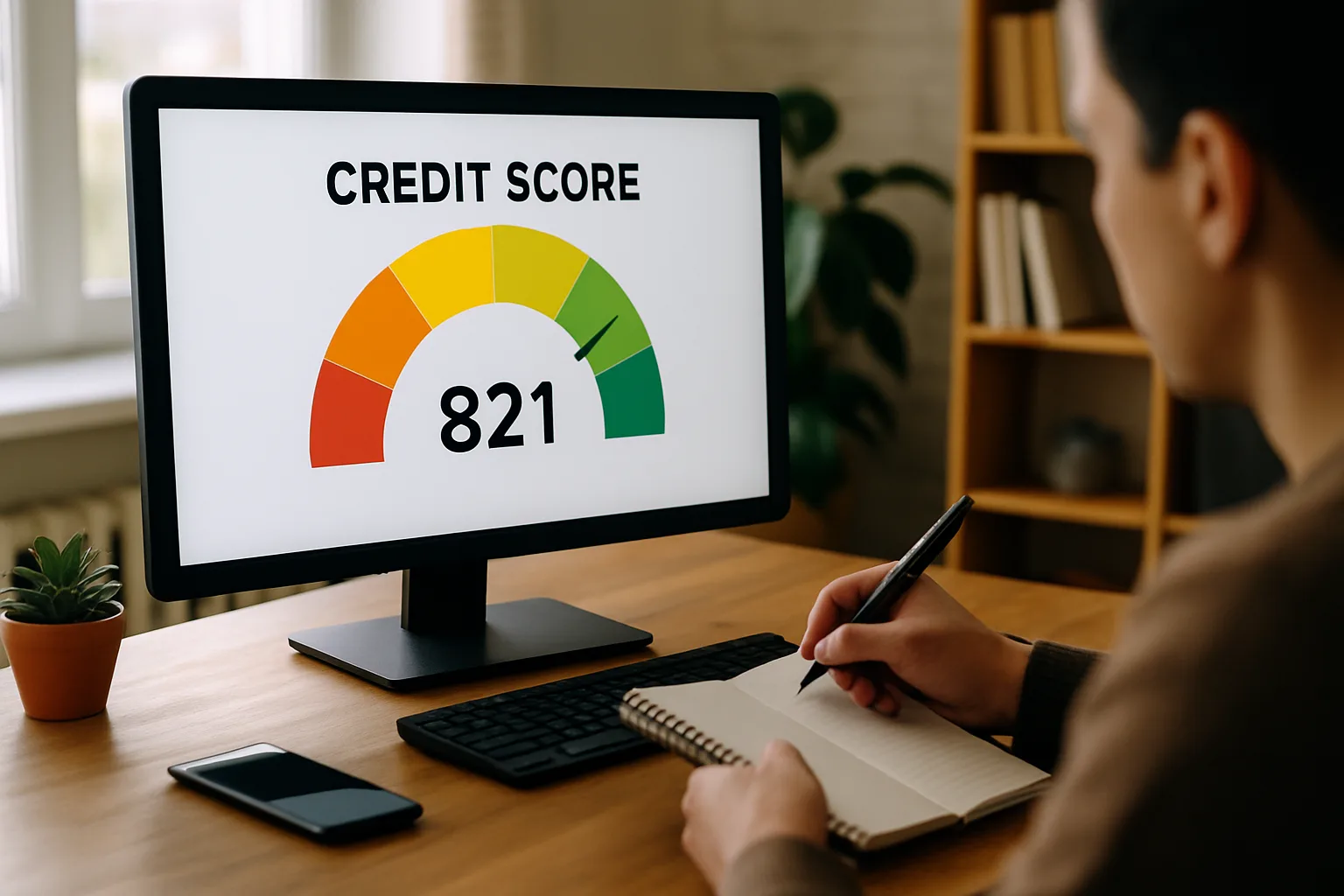
Fannie Mae and Freddie Mac are adopting FICO 10T to get a more accurate picture of a borrower's risk. The current models (FICO Score 5, FICO Score 2, and FICO Score 4) are older and don't use trended data. By moving to FICO 10T, the agencies hope to approve more creditworthy borrowers who might have been unfairly rejected under the old system — and avoid lending to people who look good on paper but are actually becoming riskier.
The transition will happen in phases, with full adoption expected by 2025. Lenders will need to update their systems, but as a borrower, you don't have to do anything special — your credit report is still the same, just scored differently.
The Business Case for the Switch
Fannie Mae and Freddie Mac guarantee trillions of dollars in mortgages. A more accurate scoring model reduces their risk of defaults. This protects the housing market and taxpayers.
For example, a borrower who recently lost a job but still has a high score might be flagged as higher risk under FICO 10T if their balances are rising. Conversely, a borrower who just got a raise and paid down debt might be seen as safer, even if their score was lower before.
How Does FICO 10T Differ From Older FICO Scores?
The biggest difference is trended data. Older models consider your current balances and payment history, but they don't look at the direction you're heading. FICO 10T adds that dimension.
| Feature | Older FICO Scores (5/2/4) | FICO Score 10T |
|---|---|---|
| Data used | Snapshot of credit report | Snapshot + 24-month trends |
| Payment history weight | 35% | 40% (with trend emphasis) |
| Effect of paying down debt | Moderate positive | Strong positive if trend is downward |
| Effect of recent late payment | Negative | More negative if recent |
| Medical collections | May be ignored in newer versions | Less impact if paid |
Why Trended Data Matters More
Trended data allows the model to distinguish between a borrower who is improving and one who is declining. This is especially important for people who have made recent financial changes.
For instance, a borrower who paid off a $10,000 credit card balance over six months shows a clear downward trend. FICO 10T will reward that behavior more than older models would.
Will Your Credit Score Go Up or Down?

That depends on your recent credit behavior. If you've been making all your payments on time and reducing your credit card balances, your score will likely increase. If you've had a late payment in the last two years or your balances are rising, your score could drop.
FICO has said that about 40 million consumers could see a score change of 20 points or more under FICO 10T. For most people, the change will be smaller — maybe 10 to 20 points up or down.
If you're worried about a potential drop, the good news is you have time to adjust your habits before you apply for a mortgage.
Who Benefits Most from the New Model?
Borrowers who have recently improved their financial habits will see the biggest gains. This includes people who paid off debt, got a raise, or recovered from a financial setback.
For example, a borrower who had a late payment 18 months ago but has been perfect since then might see a smaller penalty than under older models. The trend of improvement matters.
Who Might See a Score Drop?
Borrowers with recent late payments or rising credit card balances are most at risk. If you've missed a payment in the last six months, your score could drop more than under older models.
Similarly, if you've been maxing out credit cards even if you pay them off each month, the rising balance trend could hurt you. The model sees the trajectory, not just the current balance.
How to Raise Your FICO Score Fast for the New Model
Since FICO 10T rewards positive trends, the best way to boost your score is to show consistent improvement over the next 12–24 months. Here are the most effective strategies.
Pay Down Credit Card Balances
Credit utilization — how much of your available credit you're using — is a major factor. Under FICO 10T, a downward trend in utilization is especially beneficial. Aim to keep your utilization below 30% of your credit limit, and ideally below 10%.
If you have multiple cards, focus on paying down the ones with the highest balances first. That will show the biggest trend improvement.
Make Every Payment on Time
Payment history is the most important factor in any FICO score, and FICO 10T weighs it even more. A single late payment can hurt your score for months. Set up automatic payments or calendar reminders to ensure you never miss a due date.
If you've had a late payment in the past, the good news is that FICO 10T emphasizes the last 24 months. So if you've been on time for a while, the old slip-up will matter less.
Avoid Opening New Credit Accounts Unnecessarily
Each new application can cause a small, temporary dip in your score. If you're planning to apply for a mortgage within a year, avoid opening new credit cards or loans unless absolutely necessary.
That said, if you have no credit at all, you might need to how to build credit from scratch — but do it well before you need a mortgage.
Keep Old Accounts Open
The length of your credit history matters. Closing old credit cards can shorten your average account age and reduce your total available credit, which might increase your utilization. Keep your oldest accounts open and active by using them occasionally.
How to Increase FICO Score Fast: 5 Actionable Steps
If you need a quick boost — say, within 3 to 6 months — here's what you can do.
- Pay down credit card balances aggressively. This is the single fastest way to improve your score. Lower utilization can raise your score in as little as one billing cycle.
- Ask for a credit limit increase. If your income has gone up, call your card issuer and request a higher limit. That instantly lowers your utilization — but don't use the extra credit to spend more.
- Become an authorized user. Ask a family member or friend with good credit to add you as an authorized user on their card. The account history will appear on your credit report, potentially boosting your score.
- Dispute errors on your credit report. Check your reports from Equifax, Experian, and TransUnion for free at AnnualCreditReport.com. If you find mistakes — like an old late payment that's not yours — dispute them with the credit bureau.
- Pay off collections. While FICO 10T is less punitive about paid medical collections, unpaid collections still hurt. Paying them off can help, especially if they're recent.
Remember, there's no magic fix. Be wary of companies that promise to "repair" your credit quickly — they can't remove accurate negative information. Legitimate improvement takes time and consistent good habits.
How to Raise FICO Score Quickly: What Not to Do
Just as important as what you should do is what you should avoid. Some common mistakes can backfire.
- Don't close old credit cards. Closing a card reduces your available credit and can increase your utilization ratio.
- Don't apply for multiple new accounts at once. Each application triggers a hard inquiry, which can lower your score by a few points. Multiple inquiries in a short time look risky to lenders.
- Don't carry a balance to "build credit." You don't need to pay interest to build credit. Pay your statement balance in full each month.
- Don't ignore your credit utilization. Even if you pay in full, a high balance reported to the bureaus can hurt your score.
Why Avoiding These Mistakes Matters Under FICO 10T
Under the new model, trends amplify the impact of mistakes. Closing an old card not only hurts your utilization now but also creates a negative trend if your balances don't change.
Similarly, applying for multiple cards in a short period creates a pattern of new credit that looks risky. FICO 10T penalizes this more than older models.
How to Improve FICO Score Fast: Monitor Your Progress
Track your credit score regularly to see how your actions are affecting it. Many credit card issuers offer free FICO scores. You can also use services like Credit Karma (which provides VantageScore, not FICO, but still useful for trends).
Check your credit reports at least once a year. Look for errors and signs of identity theft. If you see something suspicious, report it immediately.
Knowing what affects your credit score helps you make informed decisions. Under FICO 10T, the key factors are payment history, credit utilization, length of credit history, new credit, and credit mix — but with more emphasis on recent trends.
How to Check Your FICO 10T Score
Most free credit monitoring services still use older FICO scores or VantageScore. To see your FICO 10T score, you may need to pay for a service like myFICO.com.
Some lenders also provide FICO 10T scores to their customers. Ask your bank or credit union if they offer this service.
How Can I Raise My FICO Score Fast? Realistic Expectations
It's natural to want a quick fix, but credit improvement usually takes months. If you're starting from a low score — say, below 600 — you might see a 50–100 point increase in 6–12 months with consistent effort. For someone with a good score (700+), a 20–30 point gain is more realistic.
The key is to start now. Even if you're not planning to buy a home for a year or two, the trends you establish today will be reflected in your FICO 10T score when you apply.
Why Starting Early Gives You an Advantage
FICO 10T looks at 24 months of data. The sooner you start building positive trends, the more data the model has to reward you. Waiting until six months before your mortgage application limits your ability to show improvement.
For example, if you start paying down debt today, after 12 months the model will see a clear downward trend. After 24 months, that trend is even stronger.
How to Raise My FICO Score Fast: Sample Timeline
Here's an illustrative timeline of what you can achieve with focused effort.
| Timeframe | Action | Potential Score Impact |
|---|---|---|
| Month 1 | Pay down credit cards to 30% utilization | +10 to +30 points |
| Months 2–3 | Continue on-time payments, dispute errors | +5 to +15 points |
| Months 4–6 | Pay down to 10% utilization, become authorized user | +10 to +20 points |
| Months 7–12 | Maintain low utilization, no new inquiries | +5 to +10 points |
Results vary. The table is for illustration only.
What to Do If You Have Less Than 12 Months
If your mortgage application is coming up in 3–6 months, focus on the highest-impact actions. Paying down credit card balances is the fastest way to see a score change.
Disputing errors can also yield quick results. If a mistake is removed, your score can increase within weeks.
How Can I Raise My FICO Score Quickly? Tools and Resources
Several free tools can help you track and improve your score.
- AnnualCreditReport.com — Official site for free weekly credit reports.
- Experian Boost — Adds positive utility and phone payment history to your Experian report (free).
- UltraFICO — Opt-in program that considers your bank account activity (free).
- Credit union or bank free score — Many offer free FICO scores to customers.
Use these to monitor your progress and identify areas for improvement.
How Experian Boost Works with FICO 10T
Experian Boost adds positive payment history for utilities, phone bills, and streaming services. This can help if you have a thin credit file.
Under FICO 10T, these added payments create a positive trend. Even small, consistent payments can improve your score over time.
What If Your Score Drops Under the New Model?
If you check your FICO 10T score and it's lower than expected, don't panic. You have time to adjust before applying for a mortgage. Focus on the strategies above — especially paying down debt and making on-time payments.
The trend data will work in your favor once you start showing improvement.
Also, remember that mortgage lenders look at more than just your credit score. They'll consider your income, debt-to-income ratio, employment history, and down payment. A slightly lower score might not disqualify you, especially if you have a strong overall application.
How to Explain a Score Drop to Your Lender
If your score drops due to a recent late payment or rising balances, be upfront with your lender. Provide context, such as a medical emergency or job loss that has since been resolved.
Lenders may also consider compensating factors, like a large down payment or stable employment. A strong overall application can offset a moderate score drop.
How to Increase FICO Score Fast: Common Questions
Here are answers to some questions people often have about the new scoring model.
Will FICO 10T affect my existing credit cards or loans?
No. The new model is only required for mortgages backed by Fannie Mae and Freddie Mac. Credit card issuers and auto lenders may continue using older FICO scores or other models.
Do I need to do anything to prepare?
Not directly. Your credit data is the same. But it's smart to review your credit reports and start building positive trends now.
Will my FICO 10T score be different from my current FICO score?
Yes, likely. It could be higher or lower depending on your recent credit behavior. Check with your lender or a credit monitoring service that provides FICO 10T.
Is FICO 10T the only score lenders will use?
For Fannie Mae and Freddie Mac loans, yes. But some lenders may also use other scores for other loan types. Ask your lender which scores they use.
What about FICO Score 10 (without the T)?
FICO Score 10 is the base model without trended data. FICO 10T adds the trended component. Fannie Mae and Freddie Mac will use FICO 10T specifically.
Other lenders may use FICO Score 10 or older models. Always confirm with your lender which score they will pull.
How the New Model Affects Different Borrower Profiles
Your individual situation determines how FICO 10T will impact you. Here are three common profiles.
The Debt-Payer: Likely to See a Score Increase
If you have been aggressively paying down credit card debt, you are a prime candidate for a boost. The downward trend in balances will be rewarded.
For example, a borrower who reduced credit card debt from $15,000 to $5,000 over two years could see a significant score increase. The model sees clear improvement.
The Recent Late Payer: Likely to See a Score Drop
If you had a late payment in the last six months, FICO 10T will penalize you more heavily than older models. The recent negative trend is a red flag.
However, if you have been on time for the last 12 months, the impact diminishes. The model weighs the most recent 24 months, so older late payments matter less.
The Balance Runner: At Risk for a Drop
If you regularly carry high credit card balances even if you pay them off, you may see a score drop. The rising balance trend looks risky.
For instance, a borrower whose balances increased from $2,000 to $8,000 over two years will be flagged, even if they always pay the minimum. The trend matters more than the current balance.
How to Prepare for the 2025 Transition
The transition to FICO 10T is not happening overnight. You have time to prepare. Here is a step-by-step plan.
Step 1: Review Your Credit Reports Now
Get your free credit reports from AnnualCreditReport.com. Check for errors, especially on older accounts that might have incorrect late payments.
Dispute any inaccuracies immediately. Errors can drag down your score under any model.
Step 2: Build a Positive Trend
Start paying down credit card balances and making all payments on time. Even small improvements create a positive trend that FICO 10T will reward.
Set up automatic payments to avoid missed due dates. Consistency is key.
Step 3: Avoid New Credit If Possible
If you plan to apply for a mortgage in 2025 or 2026, avoid opening new credit accounts now. Each hard inquiry and new account can disrupt your trend.
If you need to build credit, do it at least 12 months before your mortgage application.
Step 4: Monitor Your Progress
Use free tools to track your credit score and report. Look for trends in your utilization and payment history.
If you see a negative trend, address it immediately. The sooner you reverse it, the better your score will be.
Key takeaways
- FICO Score 10T uses trended data, rewarding borrowers who have recently improved their credit habits.
- The switch by Fannie Mae and Freddie Mac takes full effect in 2025, but you can start preparing now.
- To raise your score, focus on paying down credit card balances, making on-time payments, and avoiding new credit inquiries.
- Monitor your credit reports and scores regularly to track your progress.
- This is general information — consult a mortgage professional for advice tailored to your situation.
Frequently asked questions
What is FICO Score 10T and how is it different from older FICO scores?
When will Fannie Mae and Freddie Mac start using FICO Score 10T?
Will my credit score go up or down under FICO 10T?
How can I raise my FICO score quickly before applying for a mortgage?
Do I need to check my FICO 10T score before applying for a mortgage?
This article is for general informational purposes only and does not constitute financial, legal or credit-repair advice. Always consult a qualified financial advisor or credit counselor about your specific circumstances.

Written & reviewed by
Can OTUEditor
Can OTU is the editor of this site, curating and reviewing every guide for accuracy and clarity.
View all guides →