Does Rent Reporting Really Boost Your Credit Score by 150 Points?

- Rent reporting adds on-time payment history to your credit reports, which can help build credit over time.
- Boosts of 150 points are uncommon; typical gains range from 10–40 points for those with existing credit.
- For faster results, consider other strategies like paying down balances or becoming an authorized user.
If you've been searching for ways to boost your credit score, you've probably come across rent reporting services. They promise to add your monthly rent payments to your credit reports, potentially giving your score a nice lift. Some even claim you could see a jump of 150 points or more.
That sounds amazing — but is it realistic?
Let's be clear: this article is for informational purposes only and not financial advice. Every credit situation is unique, so it's always smart to check with a professional before making big decisions.
In this guide, we'll look at how rent reporting actually works, how much it can realistically raise your score, and how long it takes. We'll also cover faster ways to improve your credit if you're in a hurry. By the end, you'll have a clear picture of whether rent reporting is worth your time — or if you should focus your energy elsewhere.
What Is Rent Reporting and How Does It Work?
Rent reporting is exactly what it sounds like: your monthly rent payments get reported to one or more of the three major credit bureaus — Equifax, Experian, and TransUnion. Normally, rent isn't included in your credit reports unless you fall behind and the landlord sends the debt to a collection agency. So on-time rent payments usually don't help your credit.
Rent reporting services change that. They verify your payments with your landlord or property manager and then send that positive payment history to the bureaus. The idea is that if you pay rent on time every month, that good behavior should be reflected in your credit score.
How Do You Get Rent Reported?
There are a few ways to get your rent onto your credit reports:
- Through your landlord or property management company: Some larger property managers already report rent to the credit bureaus. Ask yours if they do.
- Using a third-party rent reporting service: Companies like RentReporters, Rental Kharma, or PayYourRent will report your payments for a fee. You typically pay a setup fee and a monthly fee.
- Through a credit-building app: Apps like Experian Boost or UltraFICO can include rent payments in your credit history, but they use alternative data and may not report to all three bureaus.
Can Rent Reporting Really Boost Your Score by 150 Points?
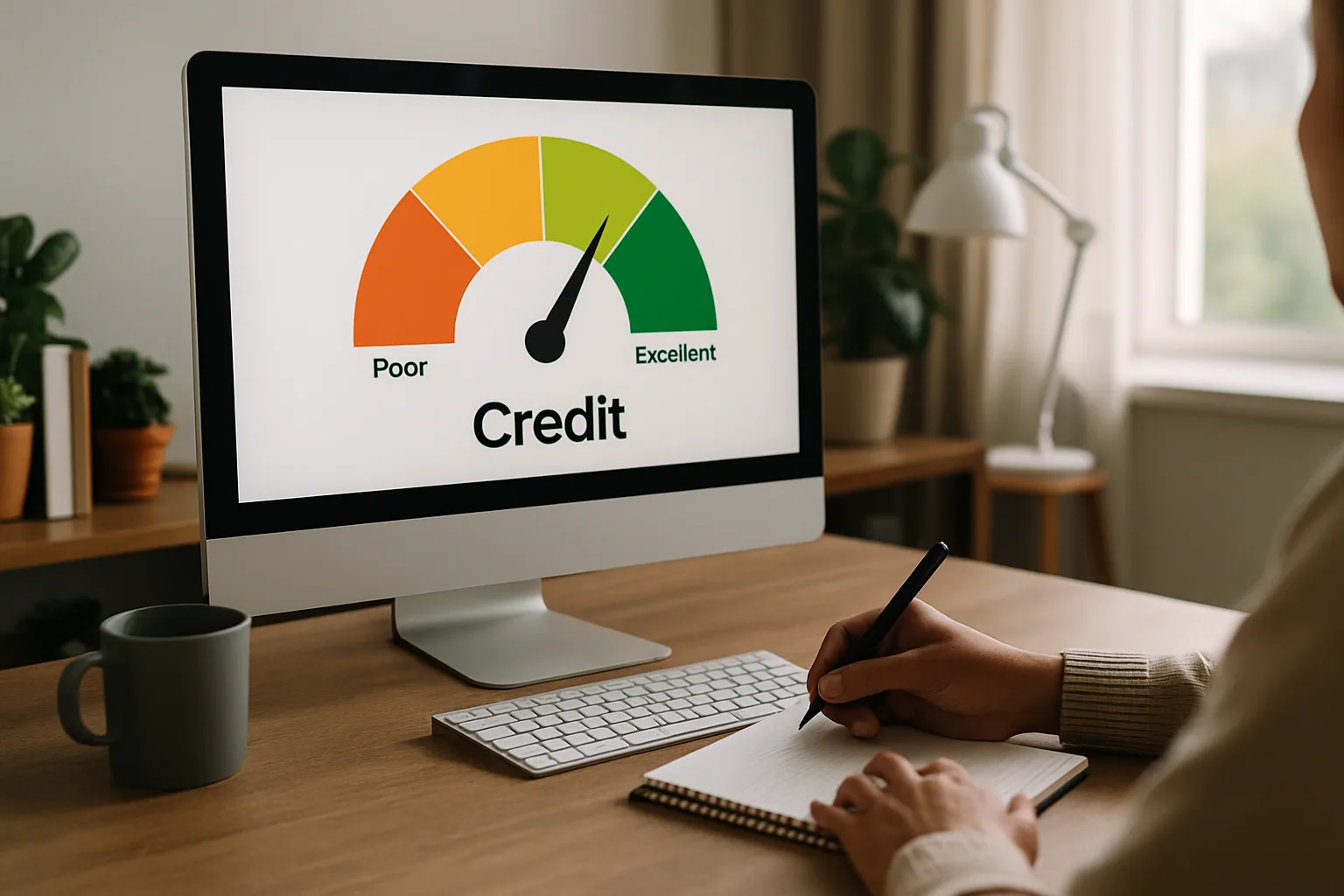
The short answer: it's possible, but not common. A 150-point increase would typically only happen if you're starting from a very low score (say, under 500) or have no credit history at all. For someone with a thin credit file, adding a year or more of on-time rent payments could make a significant difference.
But for most people with an established credit history, the boost is much smaller — usually between 10 and 40 points. That's still helpful, but it's not going to transform your credit overnight.
Why the big range? Credit scoring models like FICO and VantageScore weigh factors differently. Rent reporting adds to your payment history (the biggest factor), but it doesn't help with credit utilization, length of credit history, or credit mix.
So if you already have a decent score, the impact is limited.
Understanding the 150-Point Claim
Marketing materials from some rent reporting services highlight dramatic score jumps. These examples often come from people with zero credit history or scores below 500. For instance, a person with no credit file might start at 300 and see a score of 450 after six months of reported rent payments.
That is a 150-point gain, but it reflects building a score from nothing, not a quick fix for a 600 score.
If your score is already 650, adding rent payments might move it to 670 at best. The percentage gain shrinks as your score rises because the scoring model has less room for improvement. So the 150-point promise is real only in narrow circumstances.
How Long Does It Take to Boost Credit Score with Rent Reporting?
This is one of the most common questions people ask. The answer depends on how the service reports your payments.
Most rent reporting services report your payment history retroactively — meaning they can add up to 24 months of past on-time payments to your credit report. That's a big advantage because you get credit for payments you already made. Once those are added, you might see a score change within one or two billing cycles (roughly 30–60 days).
If you're just starting with a service that only reports going forward, it will take at least three to six months of on-time payments before you see any meaningful improvement. Credit scores need a pattern of behavior, not just one or two payments.
So if you're wondering how long does it take to improve credit score using rent reporting, the answer is: you might see some movement in 1–2 months if past payments are included, but for a solid boost, plan on 6–12 months of consistent reporting.
What Happens When You Miss a Rent Payment?
Rent reporting services typically only report on-time payments. But if you miss a payment, some services may report that as a negative mark. This can hurt your score just as much as a missed credit card payment.
So only use rent reporting if you are confident you can pay rent on time every month.
If you already have a late payment on your credit report, adding rent reporting won't erase it. The positive rent payments can help offset the negative over time, but the late payment will remain for up to seven years. Focus on building a clean payment record going forward.
How to Quickly Boost Credit Score: Faster Alternatives to Rent Reporting

If you're looking for how to quickly boost credit score, rent reporting is a slow-and-steady option. But there are faster strategies that can produce results in 30 days or less.
Pay Down Credit Card Balances
Your credit utilization ratio — how much of your available credit you're using — is the second most important factor in your score. If you're using more than 30% of your limit, paying down a chunk can give you a quick boost. Even a small payment can help.
For example, if you have a $5,000 limit and a $2,500 balance (50% utilization), paying it down to $1,500 (30%) could raise your score by 20–40 points within a month. The effect is even larger if you bring it down to 10% or less. Just avoid carrying a balance from month to month.
Become an Authorized User
Ask a family member or friend with good credit to add you as an authorized user on their credit card. You don't need to use the card — just being added can give you the benefit of their positive payment history and low utilization. This can boost your score quickly, sometimes within 30 days.
Make sure the primary cardholder has a strong payment record and low balances. If they miss payments or carry high debt, it could hurt your score instead. Choose someone you trust completely.
Dispute Errors on Your Credit Report
Check your credit reports for free at AnnualCreditReport.com. If you find errors — like a late payment that wasn't yours or an account that doesn't belong to you — dispute them with the credit bureau. Removing negative items can raise your score fast.
Errors are surprisingly common. One study by the Federal Trade Commission found that one in five consumers had an error on at least one credit report. Fixing a mistake could boost your score by 50 points or more, depending on the severity of the error.
Use Experian Boost
Experian Boost is a free service that adds your utility and phone payments to your Experian credit report. It's instant and can give you a small but immediate lift. It doesn't report to all three bureaus, but it's a quick win.
The boost is usually modest — 10 to 20 points — but it requires no effort beyond linking your bank account. It's a good complement to rent reporting, especially if you want a fast result for Experian-based scores.
These strategies are all part of how to boost credit score in 30 days — but remember, results vary and there's no magic bullet.
How to Boost My Credit Score in 30 Days: A Step-by-Step Plan
If you're thinking how can I boost my credit score in 30 days, here's a realistic plan that combines several methods:
- Get your free credit reports from AnnualCreditReport.com. Look for errors and dispute any you find.
- Pay down credit card balances to below 30% of your limit. Even paying a few hundred dollars can help.
- Ask to be added as an authorized user on a responsible person's card.
- Sign up for Experian Boost to add utility and phone payments.
- If you have a rent reporting service, make sure it's set up to report past payments. That might give you a small boost within the month.
This plan won't fix deep credit issues, but it can give you a noticeable lift in a short time. For more details, check out our guide on how to raise your credit score fast.
Why a 30-Day Plan Works Best for Small Improvements
Credit scores are designed to reflect long-term behavior, so a 30-day window can only produce limited gains. However, the steps above target the most responsive factors: utilization and errors. If you have high balances or a mistake on your report, fixing those can yield the fastest results.
For example, paying down a credit card from 80% utilization to 20% could raise your score by 50 points in one billing cycle. That is faster than any rent reporting service can achieve. So prioritize these actions before considering rent reporting.
How Long Does It Take to Improve Credit Score with Other Methods?
Besides rent reporting, here's how long different actions typically take to affect your score:
| Action | Time to See Impact | Potential Score Change |
|---|---|---|
| Pay down credit card balances | 30–60 days (after statement updates) | 10–50 points |
| Become an authorized user | 30–60 days (once reported) | 10–40 points |
| Dispute errors | 30–90 days (while bureau investigates) | Varies; could be 0–100+ points |
| Rent reporting (past payments) | 30–60 days | 10–40 points (typical) |
| Rent reporting (ongoing) | 3–6 months | 10–40 points (over time) |
| Get a secured credit card | 3–6 months | 10–30 points |
As you can see, how long does it take to raise credit score depends on the method. Rent reporting is a solid long-term strategy, but not the fastest.
Comparing Rent Reporting to Secured Cards
A secured credit card often builds credit faster than rent reporting because it adds a revolving account to your credit mix. Secured cards also report to all three bureaus every month. Rent reporting, by contrast, may only report to one or two bureaus, depending on the service.
If you have no credit history, getting a secured card and using it responsibly for six months can build a score of 650 or higher. Rent reporting alone might take a year to achieve the same result. Combining both methods can accelerate the process.
Pros and Cons of Rent Reporting
Before you sign up for a rent reporting service, weigh the benefits and drawbacks.
Pros
- Adds positive payment history — Payment history is 35% of your FICO score, so on-time rent payments can help.
- Helps those with thin credit files — If you're new to credit or have a short history, rent reporting can build a foundation.
- Retroactive reporting — Some services let you add up to 24 months of past payments, giving you an immediate boost.
Cons
- Cost — Most services charge setup fees ($50–$100) and monthly fees ($5–$10). Over a year, that adds up.
- Not all scores benefit equally — FICO and VantageScore treat rent data differently. Some lenders may not consider it.
- Slow impact — For ongoing reporting, it takes months to see meaningful improvement.
- Risk of late payment reporting — If you're late, that negative mark could hurt your score.
Are There Free Rent Reporting Options?
Some landlords report rent for free, but that is rare. Most third-party services charge fees. A few credit-building apps, like Self or Kikoff, offer rent reporting as part of a subscription, but they often require a paid plan.
Experian Boost is free but only reports to Experian.
If you cannot afford the fees, focus on free alternatives like disputing errors or becoming an authorized user. Those methods can produce similar or better results without ongoing costs.
What Affects Your Credit Score More Than Rent Reporting?
If you're trying to improve your credit, it helps to understand what affects your credit score. The biggest factors are:
- Payment history (35%): Paying all bills on time is the most important thing you can do.
- Credit utilization (30%): Keep your credit card balances low relative to your limits.
- Length of credit history (15%): Older accounts help your score, so don't close old cards.
- Credit mix (10%): Having different types of credit (cards, loans) can help.
- New credit (10%): Opening too many accounts in a short time can hurt.
Rent reporting only directly affects payment history, and even then, it's not a traditional credit account. So while it can help, it's not a substitute for the core habits that build strong credit.
Why Utilization Matters More Than Rent Reporting
Credit utilization is the second biggest factor, and it responds quickly to changes. Rent reporting has no effect on utilization because rent is not a revolving credit line. So if you have high credit card balances, paying them down will always give you a faster and larger score boost than rent reporting.
For example, reducing utilization from 50% to 10% could raise your score by 50 points in one month. Rent reporting might add 10 points over six months. Prioritize utilization before investing in rent reporting.
How to Build Credit from Scratch: Is Rent Reporting a Good Start?
If you have no credit history at all, rent reporting can be a useful tool. But it's not the only way. For a complete plan, see our guide on how to build credit from scratch.
Here are some steps to consider:
- Get a secured credit card: You put down a deposit (usually $200–$500) and get a credit limit equal to that deposit. Use it for small purchases and pay it off each month.
- Become an authorized user: As mentioned, this can give you a quick start.
- Apply for a credit-builder loan: Some credit unions and online lenders offer loans designed to build credit. The money is held in a savings account while you make payments.
- Use rent reporting: It can add to your payment history, but it's slower than a secured card.
Combining several of these methods is the fastest way to build a solid credit profile.
Should You Start with Rent Reporting or a Secured Card?
If you have no credit history, a secured credit card is usually the better first step. It creates a revolving account that reports to all three bureaus, and you can graduate to an unsecured card after six to twelve months. Rent reporting is a helpful addition but should not be your only strategy.
Start with a secured card, use it responsibly, and then add rent reporting as a secondary boost. This combination can help you reach a 700 score faster than either method alone.
Realistic Expectations: What Kind of Score Increase Can You Expect?
Let's be honest: rent reporting is not a miracle cure. Here's what typical users report:
- No credit history: Adding 12–24 months of on-time rent could result in a score of 600–650, depending on other factors. That's a big jump from zero, but not necessarily 150 points.
- Thin credit file (one or two accounts): You might see 20–50 points after a few months.
- Established credit with some negative marks: Rent reporting won't erase late payments or collections. You might see 10–30 points if you have a few late payments but otherwise good history.
- Good credit (700+): Don't expect much. Rent reporting adds little value because your score is already high.
So while a 150-point boost is possible in rare cases, it's not something you should count on. Focus on the overall trend, not a specific number.
How to Track Your Progress
Check your credit score through a free service like Credit Karma or your credit card issuer. Monitor it monthly to see how rent reporting and other actions affect your score. Remember that scores can fluctuate due to other factors, so look for trends over three to six months.
If you see no improvement after six months of rent reporting, evaluate whether the service is actually reporting to the bureaus. Some services only report to one bureau, so your score might not change on all three reports. Contact the service to confirm.
Should You Use a Rent Reporting Service?
Rent reporting can be a helpful addition to your credit-building toolkit, but it's not for everyone. Consider it if:
- You have a thin credit file or no credit history.
- You pay rent on time every month and have proof of past payments.
- You're willing to pay the fees for the service.
- You're already practicing other good credit habits (paying bills on time, keeping balances low).
Skip it if:
- You have strong credit already.
- You're struggling to pay rent on time.
- You're looking for a quick fix — rent reporting is slow.
- You can't afford the extra monthly fee.
What to Look for in a Rent Reporting Service
If you decide to try rent reporting, research the service carefully. Look for one that reports to all three bureaus, not just one or two. Check if they offer retroactive reporting for past payments.
Read reviews to see if users actually saw score changes.
Avoid services that make unrealistic promises, like "guaranteed 100-point boost." Legitimate services will explain that results vary. Also, watch for hidden fees or automatic renewals that are hard to cancel.
Final Thoughts: Rent Reporting as Part of a Bigger Plan
Rent reporting can give your credit a modest boost over time, especially if you're starting from a low base. But it's not the shortcut some services claim. The best approach is to combine rent reporting with other proven strategies: pay down debt, keep old accounts open, and always pay on time.
If you're serious about improving your credit, start with the basics. Check your credit reports, fix errors, and build positive habits. Rent reporting can be a nice extra, but it won't replace the fundamentals.
For more detailed strategies, read our guide on how to raise your credit score fast and learn how to build credit from scratch. And always remember: this is general information, not personalized advice. Your situation may differ.
Key takeaways
- Rent reporting can help build credit, but a 150-point boost is rare and typically only for those with no credit or very low scores.
- Most people see a gain of 10–40 points over several months.
- Faster ways to boost your score include paying down credit card balances, becoming an authorized user, and disputing errors.
- Rent reporting is a long-term strategy, not a quick fix.
- Combine rent reporting with other good credit habits for the best results.
Frequently asked questions
How much can rent reporting really increase my credit score?
How long does it take for rent reporting to show up on my credit report?
Does rent reporting work with all three credit bureaus?
Can rent reporting hurt my credit score?
Is rent reporting worth the cost?
This article is for general informational purposes only and does not constitute financial, legal or credit-repair advice. Always consult a qualified financial advisor or credit counselor about your specific circumstances.

Written & reviewed by
Can OTUEditor
Can OTU is the editor of this site, curating and reviewing every guide for accuracy and clarity.
View all guides →