Credit Score vs Credit Report: What Is the Difference?

- Your credit report contains accounts, payment history, and public records.
- Your credit score is calculated from report data using a formula.
- You can access both for free once a year from each major bureau.
If you've ever applied for a loan, rented an apartment, or even signed up for a cell phone plan, you've likely heard the terms "credit score" and "credit report" thrown around. Many people use them interchangeably, but they're not the same thing. Understanding the difference is one of the most important steps you can take toward taking control of your financial health.
Think of it this way: your credit report is like a detailed report card of your financial life — it lists every credit account you've had, how you've paid it, and any public records like bankruptcies. Your credit score, on the other hand, is like the letter grade at the top of that report card. It's a quick snapshot that lenders use to decide whether to lend you money and at what interest rate.
In this article, we'll break down exactly what each one is, how they work together, and — most importantly — what you can do to improve both. Whether you're looking to how to raise your credit score fast or just want to understand your credit report better, you're in the right place. Remember, this is general information, not financial advice — your situation is unique, so consider talking to a professional if you need personalized help.
What Is a Credit Report?
Your credit report is a detailed record of your credit history. It's maintained by three major credit bureaus in the United States: Equifax, Experian, and TransUnion. Each bureau collects information from lenders, creditors, and public records to create a report that shows how you've managed credit over time.
Think of it as a financial biography that follows you for years. Every time you open a new account or make a payment, that data gets added to your report. The bureaus don't make lending decisions — they just compile the data.
What's on a Credit Report?
Here's what you'll typically find in your credit report:
- Personal information: Your name, address, Social Security number (partial), and employment history.
- Credit accounts: Every credit card, loan, mortgage, and other line of credit you've opened, along with the balance, credit limit, and payment history.
- Payment history: Whether you've paid on time, late, or missed payments entirely. Late payments can stay for up to seven years.
- Public records: Bankruptcies, foreclosures, tax liens, and civil judgments. Bankruptcies can stay for up to ten years.
- Inquiries: A list of every time a lender or company has pulled your credit report. Hard inquiries (from loan applications) can affect your score; soft inquiries (like checking your own credit) do not.
Your credit report does not include your credit score. You have to get that separately.
What Is a Credit Score?
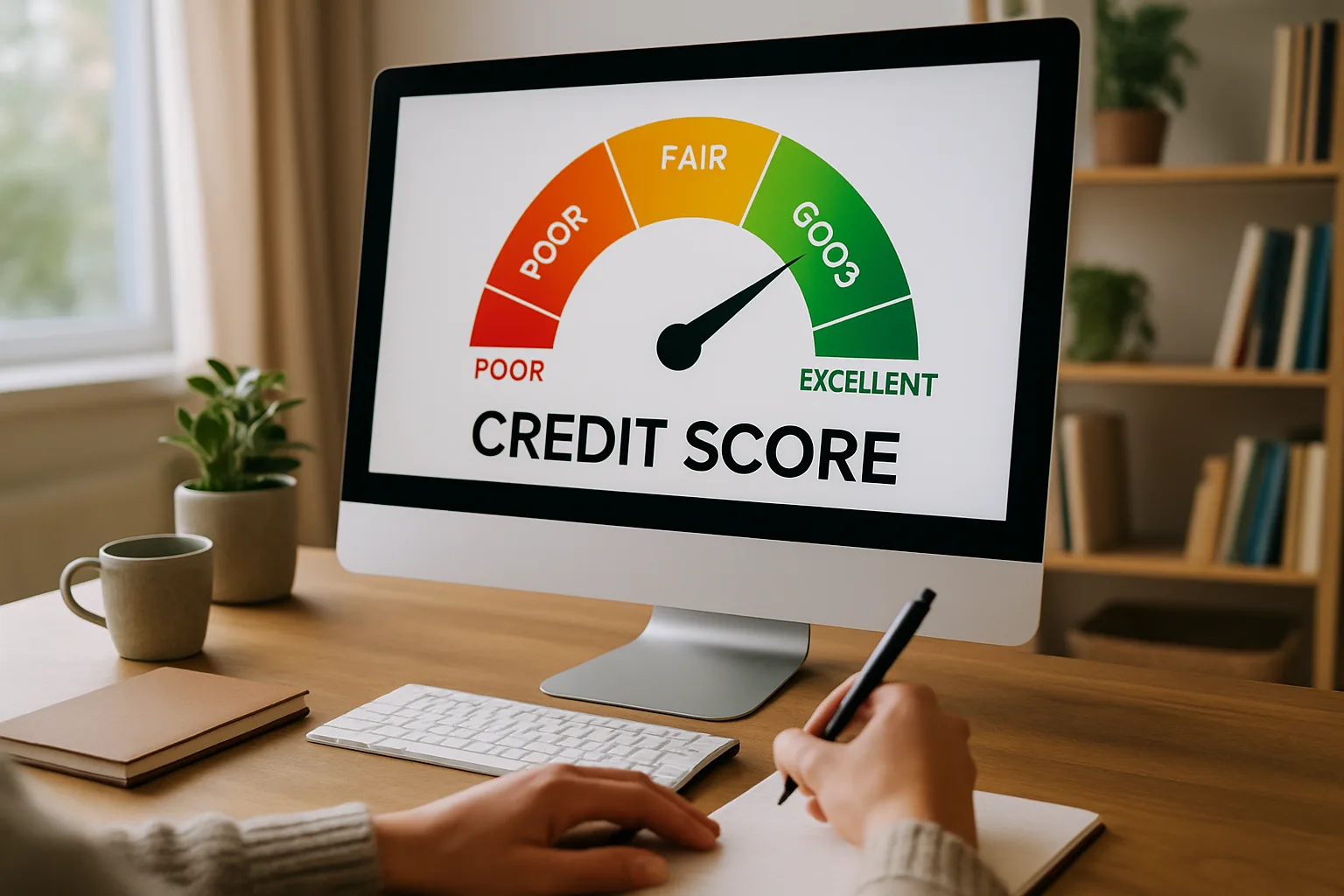
A credit score is a three-digit number, typically ranging from 300 to 850, that lenders use to assess your creditworthiness. The most common scoring models are FICO and VantageScore. Your score is calculated using a formula that weighs different factors from your credit report.
For example, a FICO score of 750 is considered excellent, while a score of 620 is subprime. Lenders use these numbers to set interest rates and loan terms. A higher score can save you thousands of dollars over the life of a loan.
What Factors Affect Your Credit Score?
According to FICO, the five main factors are:
- Payment history (35%): Your track record of paying bills on time.
- Amounts owed (30%): How much of your available credit you're using — also called credit utilization.
- Length of credit history (15%): How long you've had credit accounts.
- Credit mix (10%): The variety of credit types you have (credit cards, installment loans, mortgages, etc.).
- New credit (10%): How many new accounts you've opened recently and how many hard inquiries you have.
Your credit score can change whenever your credit report updates. That's why checking your score regularly is a good habit.
Credit Score vs Credit Report: What's the Difference?
The simplest way to understand it: your credit report is the raw data, and your credit score is the analysis of that data. Your report tells the story; your score gives the summary.
Here's a quick comparison:
| Feature | Credit Report | Credit Score |
|---|---|---|
| What it is | A detailed record of your credit history | A three-digit number summarizing credit risk |
| Who creates it | Credit bureaus (Equifax, Experian, TransUnion) | Scoring companies (FICO, VantageScore) |
| How often it changes | When creditors report new data (usually monthly) | When the underlying report data changes |
| Who sees it | You, lenders, landlords, employers (with permission) | You, lenders, and others who check your credit |
| Cost to access | Free once a year from AnnualCreditReport.com | Often free through banks, credit cards, or paid services |
| Legal protection | FCRA gives you the right to dispute errors | No direct legal protection for the score itself |
Both are important, but they serve different purposes. If you're trying to how to build credit, you need to focus on both: building a positive report will naturally improve your score.
Why Do Both Matter?

Your credit report and score work together. Lenders look at both when deciding whether to approve you for a loan or credit card. A high score can get you lower interest rates, but if there's a mistake on your report, it could drag your score down unfairly.
That's why it's critical to check both regularly. You might have a good score but a report with errors that could cause problems later. Or you might have a low score because of a collections account that's actually a mistake.
For instance, imagine you have a 720 credit score but your report shows a $5,000 collection from a former roommate. If that debt isn't yours, disputing it could boost your score significantly. Ignoring it could cost you a loan approval.
How to Check Your Credit Report and Score for Free
Under federal law, you're entitled to one free credit report from each of the three major bureaus every 12 months. The only official site to get them is AnnualCreditReport.com. You can also get free weekly reports through April 2022 (the program may be extended).
For your credit score, many banks and credit card issuers offer free FICO or VantageScore updates. Services like Credit Karma also provide free scores (though they use VantageScore, which lenders may not use).
It's a good idea to check your report from each bureau at least once a year. Stagger them every four months so you're monitoring your credit year-round.
How to Improve Your Credit Score Fast
If you're wondering how to raise your credit score fast, there are several strategies that can work in a relatively short time. Remember, no legitimate method can fix your credit overnight, but you can see meaningful improvement in a few months.
1. Pay Your Bills on Time
Payment history is the biggest factor in your score. Even one late payment can drop your score significantly. Set up automatic payments or calendar reminders to avoid missing due dates.
For example, a single 30-day late payment on a credit card can lower a 780 score by 90-110 points. That's a huge hit that takes months to recover from. Consistency is key.
2. Lower Your Credit Utilization
Credit utilization — the amount of credit you're using compared to your limits — should ideally be below 30%. If you're using more, pay down balances or ask for a credit limit increase. This can boost your score quickly because utilization has a high impact.
Suppose you have a $5,000 limit and a $4,500 balance. That's 90% utilization. Paying it down to $1,500 (30%) could raise your score by 30-50 points within a month.
It's one of the fastest moves you can make.
3. Dispute Errors on Your Credit Report
Errors on your credit report can drag down your score. You have the right to dispute inaccurate information with the credit bureaus. They must investigate and correct errors within 30 days.
This is one of the fastest ways to see a score increase.
Common errors include accounts that aren't yours, incorrect late payments, or duplicate entries. If you find a paid-off collection still showing as unpaid, disputing it can remove the negative mark quickly.
4. Become an Authorized User
If a family member or friend with good credit adds you as an authorized user on their credit card, their positive payment history can help your score. Just make sure the primary cardholder pays on time.
For instance, if your parent has a 10-year-old card with perfect payment history, being added could give you an instant boost. Your score might jump 20-40 points within a few months.
5. Keep Old Accounts Open
The length of your credit history matters. Closing old accounts can shorten your average account age and hurt your score. Even if you don't use a card, keep it open (as long as there's no annual fee).
Closing a 15-year-old card could drop your average account age from 10 years to 5 years. That might lower your score by 10-20 points. Instead, use the card occasionally for small purchases to keep it active.
How to Remove Collections from Your Credit Report
Collections accounts can be a major drag on your credit score. If you have a collection on your report, you might be wondering how to remove collections from credit report. Here are the most common methods:
1. Dispute Inaccurate Collections
If the collection account isn't yours, is past the statute of limitations, or has errors, you can dispute it with the credit bureau. If the collection agency can't verify the debt, the bureau must remove it.
For example, if a medical bill from 2015 is still showing as unpaid but you paid it in 2016, you can dispute it. The bureau will ask the agency for proof, and if they can't provide it, the item gets deleted.
2. Pay-for-Delete
Some collection agencies will agree to remove the account from your credit report in exchange for payment. This is called "pay-for-delete." It's not guaranteed, and some agencies won't do it, but it's worth asking. Get the agreement in writing before you pay.
For instance, you might owe $1,000 on a credit card collection. The agency might agree to delete the account if you pay $600. Without a written agreement, they could still report it as paid, which doesn't help your score as much.
3. Negotiate a Settlement
Even if the agency won't delete the account, you can negotiate a settlement for less than the full amount. The account will still show as "settled" rather than "paid in full," which is slightly better for your score than an unpaid collection.
Settling for 50% of the debt can save you money and stop collection calls. However, it won't remove the negative mark entirely. It's a trade-off between cost and credit impact.
4. Wait for the 7-Year Limit
Most negative items, including collections, can only stay on your credit report for seven years from the date of the first missed payment. After that, they must be removed automatically. If they don't, you can dispute them as obsolete.
For example, if you missed a payment in January 2017, the collection should fall off in January 2024. If it's still showing in February 2024, you can dispute it as too old. The bureau must remove it within 30 days.
How to Build Your Credit Score from Scratch
If you have no credit history, or your history is thin, you might be wondering how to build credit. The key is to start small and be consistent.
1. Get a Secured Credit Card
A secured credit card requires a cash deposit that becomes your credit limit. Use it for small purchases and pay the balance in full each month. After several months, you may qualify for an unsecured card.
For instance, you deposit $200 and get a $200 limit. Buy groceries once a month and pay it off immediately. After 6 months, the issuer might offer you an unsecured card with a higher limit.
2. Become an Authorized User
As mentioned, being added to someone else's credit card can help you piggyback on their good credit. Make sure the account is in good standing.
If your spouse has a card with a 10-year history and no late payments, being added can give you a credit history instantly. Your score might start at 650 instead of 300.
3. Try a Credit-Builder Loan
Some credit unions and online lenders offer credit-builder loans. You make small monthly payments into a savings account, and at the end of the term, you get the money back. The lender reports your payments to the credit bureaus, building your history.
For example, you take a $500 loan with 12 monthly payments of $42. After a year, you get $500 back, minus a small fee. Your on-time payments build a positive history that boosts your score.
4. Use a Co-Signer
If you can't qualify for a loan or credit card on your own, a co-signer with good credit can help you get approved. Just be sure you can make the payments — if you don't, it hurts both your credit and the co-signer's.
Suppose you want a car loan but have no credit. A parent with a 750 score co-signs, and you get approved at a decent rate. Make all payments on time, and after a year, you might qualify on your own.
How to Increase Credit Score Quickly: What Actually Works?
Many people search for how to increase credit score quickly, and while there's no magic wand, some strategies can produce results in 30–60 days.
- Pay down credit card balances: Lowering your credit utilization can boost your score as soon as the card issuer reports the new balance (usually within a month).
- Ask for a credit limit increase: If your income has gone up, requesting a higher limit can lower your utilization instantly — as long as you don't increase your spending.
- Dispute errors: Removing a late payment or collection that doesn't belong to you can give your score a quick lift.
- Pay off collections: While paying a collection doesn't remove it, some scoring models ignore paid collections. It's worth doing if you can.
Remember, quick fixes work best when your credit report is accurate and you're addressing the biggest factors.
How to Improve Credit Score Fast: A Step-by-Step Plan
If you're looking for how to improve credit score fast, here's a practical plan you can start today:
- Get your free credit reports from AnnualCreditReport.com. Check all three for errors.
- Dispute any errors you find. The bureaus have 30 days to investigate.
- Pay down credit card balances to below 30% utilization, ideally below 10%.
- Set up autopay for at least the minimum payment on all accounts.
- Avoid opening new accounts unless necessary — each hard inquiry can drop your score a few points.
- Consider a secured card or credit-builder loan if you have thin credit.
Stick with this plan for three months, and you'll likely see improvement.
How to Boost Credit Score Fast: Common Myths vs. Facts
When you search for how to boost credit score fast, you'll find a lot of misinformation. Let's clear up some common myths.
- Myth: Checking your own credit hurts your score. Fact: Checking your own credit is a soft inquiry and doesn't affect your score.
- Myth: Closing credit cards helps your score. Fact: Closing cards can increase your utilization and shorten your credit history, both of which can hurt your score.
- Myth: You need to carry a balance to build credit. Fact: Paying your balance in full each month builds credit just as well — and avoids interest.
- Myth: Paying off a collection removes it from your report. Fact: Paying a collection doesn't automatically remove it, though some scoring models treat paid collections more favorably.
Stick to the facts, and you'll avoid wasting time on strategies that don't work.
How to Boost Your Credit Score Fast: What Lenders Look For
If you're trying to how to boost your credit score fast, it helps to understand what lenders want to see. They use your score to gauge risk. A higher score means lower risk, which translates to better loan terms.
Lenders typically look at:
- Payment history: Have you paid on time consistently?
- Credit utilization: Are you maxing out your cards?
- Length of credit history: How long have you been managing credit?
- Recent inquiries: Are you applying for a lot of new credit?
Focus on these areas, and you'll be addressing what matters most to lenders.
How to Raise Credit Score Fast: When to Seek Professional Help
If you've tried everything and still can't how to raise credit score fast, you might consider credit counseling or a credit repair company. But be careful — there are scams out there.
Credit counseling agencies (nonprofits) can help you create a debt management plan and offer advice. Credit repair companies charge fees to dispute errors on your behalf, but you can do the same thing yourself for free. The Credit Repair Organizations Act (CROA) gives you protections — companies can't charge you before they perform services, and they must give you a written contract.
If you decide to go that route, research the company thoroughly and check with the Better Business Bureau.
What Affects Your Credit Score? A Deeper Look
We've covered the basics, but let's dive deeper into what affects your credit score. Understanding these factors can help you prioritize your efforts.
- Payment history: Even one 30-day late payment can drop a good score by 60–110 points. The more recent the late payment, the bigger the impact.
- Credit utilization: If you have a $10,000 limit and carry a $9,000 balance, your utilization is 90%. That's a red flag. Keeping it under 30% is ideal.
- Age of credit: The average age of your accounts matters. Opening several new accounts in a short time can lower your average age.
- Credit mix: Having a mix of revolving credit (credit cards) and installment loans (auto, student, mortgage) can help.
- Hard inquiries: Each hard inquiry typically knocks 5–10 points off your score, but multiple inquiries for the same type of loan within a short period (14–45 days) are usually treated as one.
By focusing on these areas, you can make targeted improvements.
How to Monitor Your Credit for Ongoing Health
Once you've improved your credit, you need to keep it healthy. Monitoring your credit regularly helps you catch issues early. Set up alerts with your bank or credit card issuer for any changes in your score.
You can also use free services like Credit Karma or Experian's free tier to track your score monthly. These tools often send notifications when something changes, like a new account or a late payment.
For example, if a fraudulent account is opened in your name, you'll get an alert and can act fast. This prevents long-term damage to your credit.
How to Handle Credit Report Errors: A Step-by-Step Guide
Errors on your credit report are more common than you think. According to a 2021 FTC study, one in five consumers had an error on at least one of their reports. Fixing them is crucial for your score.
Here's how to dispute errors effectively:
- Get your reports from all three bureaus at AnnualCreditReport.com.
- Identify errors like wrong balances, accounts you didn't open, or incorrect late payments.
- Gather evidence like bank statements or payment confirmations.
- File a dispute online with each bureau that has the error. Include your evidence.
- Follow up within 30 days. The bureau must respond with results.
If the bureau doesn't fix it, you can file a complaint with the Consumer Financial Protection Bureau (CFPB). They can pressure the bureau to correct the error.
How to Use Credit Score Ranges to Your Advantage
Credit score ranges help you understand where you stand. FICO scores typically break down like this:
- Exceptional: 800-850
- Very Good: 740-799
- Good: 670-739
- Fair: 580-669
- Poor: 300-579
Knowing your range helps you set realistic goals. If you're at 620, aiming for 700 in six months is possible with consistent effort. If you're at 750, you might focus on maintaining it.
Lenders use these ranges to determine rates. For example, a borrower with a 760 score might get a 4% mortgage rate, while someone with a 660 might pay 6%. That difference can cost thousands over a 30-year loan.
How to Avoid Common Credit Mistakes
Many people hurt their credit without realizing it. Avoiding these common mistakes can save you points. First, don't apply for too many credit cards at once — each hard inquiry adds up.
Second, don't ignore your credit report for years. Errors can accumulate and drag down your score. Third, don't close old accounts just because you don't use them — they help your credit age.
Finally, don't cosign for someone unless you're sure they'll pay. If they default, it's on your report too. Being cautious protects your financial future.
How to Rebuild Credit After Major Setbacks
If you've had a bankruptcy, foreclosure, or serious late payments, rebuilding takes time. Start by getting a secured card and making on-time payments. After a year, you might qualify for an unsecured card.
Consider a credit-builder loan to add positive history. Pay all bills on time, including rent and utilities if they're reported. Over two to three years, you can move from poor to fair credit.
For example, after a Chapter 7 bankruptcy, your score might drop to 500. With consistent effort, you could reach 650 within 24 months. It's not fast, but it's achievable.
Key Takeaways
- Your credit report is a detailed history; your credit score is a numerical summary. Both matter for your financial life.
- Check your credit report for free at AnnualCreditReport.com at least once a year. Dispute any errors promptly.
- Your credit score is influenced most by payment history and credit utilization. Pay on time and keep balances low.
- You can improve your score quickly by paying down debt, disputing errors, and becoming an authorized user.
- Collections can be removed by disputing errors, negotiating pay-for-delete, or waiting seven years.
- Building credit from scratch takes time — start with a secured card or credit-builder loan.
- Be wary of quick fixes and credit repair scams. You have the right to dispute errors yourself for free.
Frequently asked questions
Is my credit score the same as my credit report?
How often can I check my credit report for free?
Will checking my own credit score lower it?
How long does a collection stay on my credit report?
Can I remove a collection by paying it off?
This article is for general informational purposes only and does not constitute financial, legal or credit-repair advice. Always consult a qualified financial advisor or credit counselor about your specific circumstances.

Written & reviewed by
Can OTUEditor
Can OTU is the editor of this site, curating and reviewing every guide for accuracy and clarity.
View all guides →