How to Handle Cibil Score Improvement Tips

- Payment history drives about 35% of a FICO score, so on-time payments matter more than anything else.
- Paying down revolving balances can move your score within one or two billing cycles.
- Every error you dispute and remove is free, and you can do it yourself without hiring anyone.
A lot of people start searching for CIBIL score improvement tips right after seeing a number they didn't expect. Maybe it was a loan rejection email. Maybe a credit app flashed a score that made your stomach drop.
Either way, you're here now, and that's a good sign — because the fix is usually simpler than it feels from the inside.
One quick clarification before we go further. CIBIL is India's credit bureau. If you're reading this in the United States, the score your lender actually pulls is a FICO or VantageScore from Experian, Equifax, or TransUnion.
Different country, different scale, same underlying habits. Everything in this guide works for both.
And a note up front: this is general information, not financial advice. But it is practical, and none of it requires you to pay a credit repair company a dime.
What Is a CIBIL Score, and What Do You Use in the U.S.?
CIBIL stands for Credit Information Bureau (India) Limited, now branded TransUnion CIBIL. Its score runs from 300 to 900, and most Indian lenders look for 750 or higher before offering their best rates.
In the United States, FICO and VantageScore both use a 300 to 850 range. Three bureaus feed those models: Experian, Equifax, and TransUnion. They don't always agree with each other, which is why your score can differ by 20 or 30 points depending on who's asking.
That's the whole difference. Same idea, different scale, different country.
CIBIL vs. FICO vs. VantageScore at a glance
| Feature | CIBIL (India) | FICO (U.S.) | VantageScore (U.S.) |
|---|---|---|---|
| Score range | 300–900 | 300–850 | 300–850 |
| Bureaus | TransUnion CIBIL, Experian, Equifax, CRIF | Experian, Equifax, TransUnion | Experian, Equifax, TransUnion |
| Typical good threshold | About 750 | About 670 | About 661 |
| Free report access | Once a year, varies by bureau | Weekly | Weekly |
| Heaviest single factor | Repayment history | Payment history, roughly 35% | Payment history |
Notice that last row. In every model, the single heaviest factor is whether you pay on time. That's where your first bit of effort should go.
How Is Your Credit Score Actually Calculated?
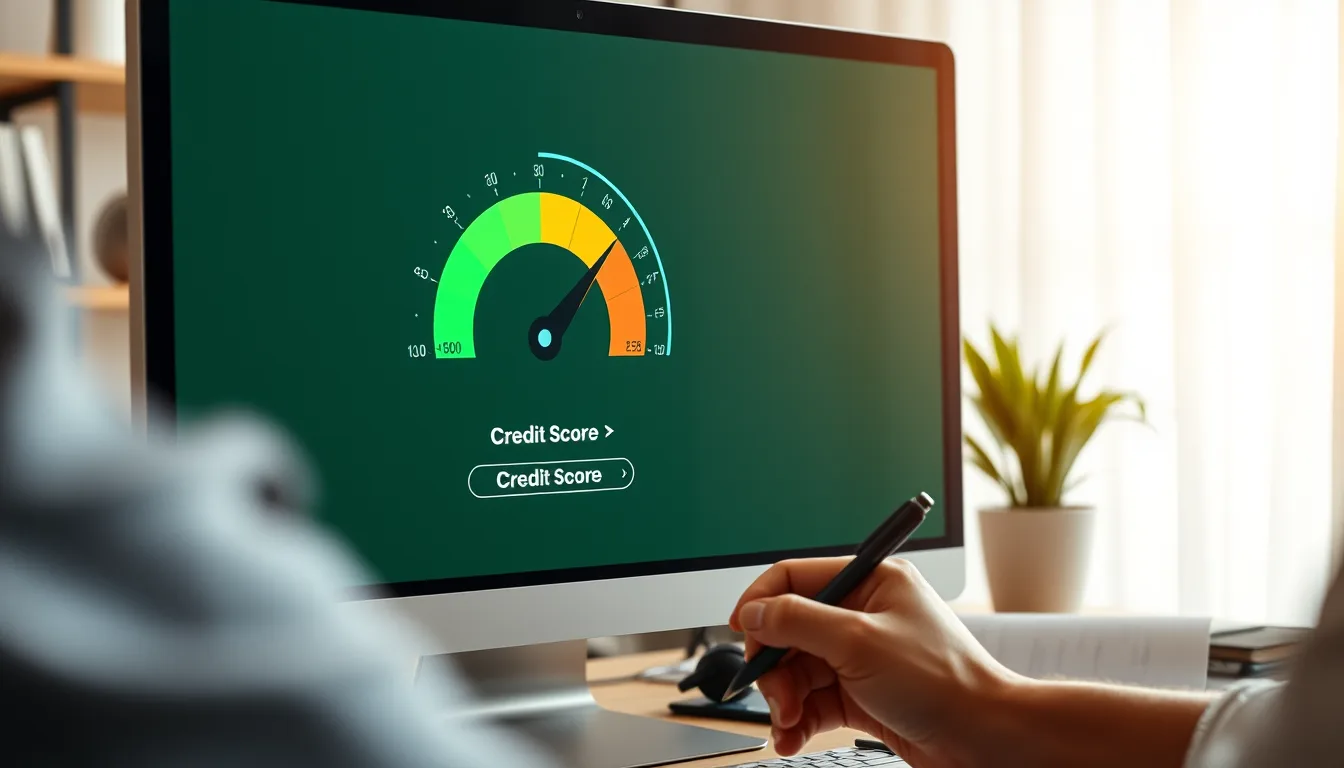
You can't improve what you don't understand, so here's the formula in plain English. FICO weighs five categories, and two of them control about two-thirds of your score.
If you want the full breakdown, our guide on what affects your credit score goes category by category. The short version looks like this:
- Payment history — about 35%. Every on-time payment helps. Every 30-day late mark hurts, and the damage fades slowly.
- Amounts owed — about 30%. Mostly credit card balances compared to your limits. This is your fastest lever.
- Length of history — 15%. Older accounts help. Closing your oldest card can cost you points.
- New credit — 10%. Each hard inquiry stings a little. A cluster of applications stings a lot.
- Credit mix — 10%. A car loan or installment account alongside cards shows you can handle different types of debt.
That's it. No mystery, no secret formula hiding behind a paywall. And the practical takeaway is encouraging: because two categories do most of the work, focused changes can move the number in a matter of weeks.
One more thing worth knowing. The three bureaus don't automatically share updates with each other. If a lender reports your account to Experian only, Equifax and TransUnion may show something different.
That's why a score of 640 on one app and 668 on another isn't a glitch. It's normal, and it's a reason to check all three reports rather than just one.
What Counts as a Good Credit Score Right Now?
Here's how lenders generally read FICO ranges. These are industry-standard bands, not exact cutoffs — every lender sets its own bar, and some are stricter than others.
| Score range | Rating | What it usually means for you |
|---|---|---|
| 800–850 | Exceptional | Best rates, easiest approvals, highest limits |
| 740–799 | Very good | Very likely approved at competitive rates |
| 670–739 | Good | Approved for most cards and loans, with slightly higher rates |
| 580–669 | Fair | Approvals possible, but expect deposits or higher APRs |
| 300–579 | Poor | Usually need a secured card or a co-signer |
If you're in the poor band, take a breath. That's a starting position, not a life sentence. Most of the people who write to me about their scores sit between 540 and 620, and nearly all of them find a way up within a year.
Here's the part that rarely gets said: the difference between a 620 and a 700 usually costs more than the difference between a 700 and an 800. Lenders price risk in tiers. Getting out of the bottom tier is where the biggest savings live.
CIBIL Score Improvement Tips: A 12-Step Plan You Can Start This Week

Work through these in order. You don't have to finish all twelve today, but the first four carry most of the weight.
Step 1: Pull all three of your credit reports — free
Go to AnnualCreditReport.com, the only federally authorized source for free reports. You can get one from each bureau every week. Get all three, because a meaningful share of reports contain an error that could be dragging your score down.
You can read the official government guidance on this at the Consumer Financial Protection Bureau.
Step 2: Read every line and flag anything that looks wrong
Look for accounts you never opened, balances that seem too high, payments marked late that you know you made, duplicate collections, and addresses that aren't yours. Jot down what you find. This list becomes your to-do list for the next few weeks.
Step 3: Dispute the errors in writing
You can file disputes online, by mail, or by phone. Mail with a return receipt is slowest but creates a paper trail you can point to later. The bureau has 30 days to investigate under the Fair Credit Reporting Act.
We'll walk through the exact steps further down.
Step 4: Put every account on autopilot
Set up automatic minimum payments on every card, loan, and bill that reports to the bureaus. Then make extra payments manually when you have the money. You're no longer relying on memory and a busy week — and since payment history is the biggest slice of your score, this one step protects more points than anything else you'll do.
Step 5: Catch up on anything that's past due
Lates hurt more when they're recent, and a 90-days-late mark hurts far more than a 30-days-late mark. If you're behind, call the lender and ask what it takes to bring the account current. Many will set up a short repayment plan if you reach out before the account goes to collections.
Step 6: Pay your revolving balances below 30% of your limits
This is your fastest lever. If you have a $2,000 limit, keep the reported balance under $600, then push toward $200. Utilization refreshes every time your statement closes, so the effect can show up on your next score update — often within 30 days.
Step 7: Ask for a credit limit increase
Raising your limit lowers your utilization without paying down a dollar. Call the number on the back of your card and ask. A soft-pull increase won't hurt your score at all.
Just don't treat the new headroom as permission to spend.
Step 8: Pay before the statement closing date, not just the due date
Here's a detail most people never hear. Your card reports your balance to the bureaus on the statement closing date. If you pay a big chunk off the day before that date, the lower balance is what gets reported — even though you didn't technically pay any earlier in the month.
Step 9: Keep your oldest accounts open
That first card from college with the $500 limit? It may be holding up your average account age. Closing it shortens your history and cuts your total available credit, both of which can push your score down.
Use it for one small recurring charge and set autopay.
Step 10: Be picky about new applications
Each hard inquiry costs a few points, and a handful in a short window looks risky to lenders. Rate-shopping for a mortgage or auto loan within a 14- to 45-day window bundles those inquiries as one — but store cards and impulse applications don't get that treatment. Space new applications at least six months apart.
Step 11: Add a little variety, if you don't already have it
If you've only ever held credit cards, a small installment loan or credit-builder loan can help your mix. If you're starting from zero, a secured card is the safer first move. Skip this step entirely if money is tight.
It's worth 10% of your score, not 50%.
Step 12: Check in once a month
Most banks and card issuers give you a free score, and several apps show VantageScore or FICO data at no cost. Watch the trend rather than the daily number. Scores bounce around for reasons that have nothing to do with you, like a card reporting a balance a day earlier than usual.
How Long Does It Take to See Your Score Improve?
It depends on what's dragging you down. Here are realistic timelines based on how the scoring models actually treat each item.
- Utilization: one to two billing cycles. The fastest win available.
- Hard inquiries: they stop affecting your score after 12 months, and drop off after two years.
- A 30-day late payment: stays on your report for seven years, but its impact shrinks steadily after the first year.
- Collections: seven years from the original delinquency date, plus 180 days in some cases.
- Chapter 13 bankruptcy: seven years. Chapter 7: ten years.
That list sounds discouraging, and I understand why. But here's the part that rarely gets said: old negative items matter less than new positive ones. A steady stream of on-time payments and falling balances can lift your score well before the blemish falls off your report.
Most people I hear from see their first real movement within 60 to 90 days, assuming they started with high utilization. Bigger jumps — 80 points or more — usually take six months to a year of consistent behavior.
How to Raise Your Credit Score Fast (When You Need It in 30–60 Days)
Sometimes you don't have six months. You're applying for an apartment, refinancing a car, or trying to qualify for a mortgage. Here's the order I'd work in.
- Pay down the card with the highest utilization first — not the highest balance. The percentage is what counts, not the dollar amount.
- Ask for limit increases on the cards you've held the longest.
- Become an authorized user on a family member's old, low-balance card. Their history can flow onto your report.
- Dispute anything clearly wrong. Removals can land in under 30 days.
- Don't open or close any accounts in the month before you apply for new credit.
If you want the full playbook, our guide on how to raise your credit score fast goes deep on each of these, including how authorized user accounts really report and which ones don't help at all.
Realistic expectation: 20 to 50 points in 60 days if utilization is your main problem. If you have recent collections or a fresh late payment, it'll be slower, and no company can honestly promise otherwise.
What Hurts Your Score the Most? Mistakes to Stop Making
Plenty of people do the right things and still stall out because of one habit they never noticed. Check whether any of these apply to you.
- Paying late, even by a few days. A payment 30 or more days late gets reported. Set autopay for the minimum and you never risk it.
- Maxing out a card and paying it in full each month. You still get reported at high utilization. Pay before the statement closes instead.
- Closing cards to clean things up. It usually backfires by shortening your history and raising your utilization.
- Co-signing for someone. That loan is on your report too, and their late payment becomes your late payment.
- Applying everywhere at once. Each hard pull costs points, and lenders notice the pattern.
- Ignoring a collections notice. It doesn't go away on its own, and unpaid accounts can be sold and re-reported by a new collector.
None of these are moral failings. They're just mechanics most people were never taught. You know them now, and that alone puts you ahead of a lot of borrowers.
The one that surprises people most is the second item. Paying in full every month feels responsible, and it is — but if you charge $1,900 on a $2,000 limit and pay it off on the due date, the bureau still sees a 95% utilization rate. Timing matters as much as the payment itself.
Do You Need a Credit Repair Company to Fix Your Score?
Short answer: no. Everything a credit repair company does — pulling reports, writing dispute letters, following up with bureaus — you can do yourself, for free, using the same forms they use.
That doesn't automatically make every company a scam. Some do legitimate work. But regulators have repeatedly warned about firms that charge upfront fees before doing anything, promise to remove accurate negative information, or tell you to stop contacting the bureaus directly.
Those three things are red flags under the Credit Repair Organizations Act.
A few things to keep in mind if you do decide to hire someone:
- They can't legally charge you before services are performed.
- They can't remove accurate, timely information. Nobody can, regardless of what the ad says.
- You have a three-day right to cancel any contract you sign.
- Anything they can dispute, you can dispute yourself with the same online form.
If your real problem is debt you can't pay — not errors on a report — a nonprofit credit counselor is usually a better and far cheaper call than a repair company. Repair companies fix data. Counselors help with the underlying math.
How to Dispute an Error on Your Credit Report
Disputes are free, and the bureaus are legally required to investigate. Here's the process, step by step.
- Get your report from each bureau and mark the specific item you're disputing.
- Gather proof — statements, payment confirmations, or a police report if it's identity theft.
- File the dispute online at each bureau's site, or mail a letter with copies of your documents. Keep the originals.
- Wait up to 30 days. The bureau investigates with the creditor, then writes back with a result.
- If the item comes back verified and you still believe it's wrong, you can file again with new evidence or add a short statement of dispute to your file.
Dispute each bureau separately. They don't share notes, and fixing an error at Experian does nothing for your Equifax report. It's tedious, but it's free, and it's the single most common reason a stalled score suddenly moves.
What If You Have No Credit History at All?
A thin file is a different problem than a damaged one, and often an easier one to fix. You can't improve a score that doesn't exist yet, so the goal is simply to create a payment record someone can score.
Start with a secured credit card from a major issuer, or a credit-builder loan from a local credit union. Use the card for one small recurring bill, set autopay for the full statement balance, and let it run for six months. That's usually enough to generate a real score.
Our guide on how to build credit walks through the starter options, including which secured cards graduate to unsecured and which ones quietly trap you in fees. Read it before you apply for anything.
What If You're Already Behind on Payments?
This is the part people are most embarrassed about, and honestly, it's the most common situation I hear about. Being behind doesn't mean you failed. It means the math stopped working, and now you need a plan that does.
Here are your realistic options, roughly in order from least damage to most.
| Option | How it works | Typical credit impact |
|---|---|---|
| Hardship program | Lender lowers your rate or payment for a set period | Minimal, if you stay current |
| Debt management plan | Nonprofit counselor negotiates lower rates; you make one payment | Moderate; some accounts may be closed |
| Debt consolidation loan | A new loan pays off cards at a lower rate | Small dip from the inquiry, then usually positive |
| Debt settlement | Negotiate to pay less than owed, often only once accounts are behind | Significant; can stay on your report seven years |
| Bankruptcy | Court-ordered discharge of eligible debts | Severe, but often recoverable within two to three years |
Before you sign anything with a for-profit debt relief company, call a nonprofit credit counselor through an NFCC-member agency. The initial session is typically free or low-cost, and simply talking to a counselor doesn't hurt your credit score.
One more piece of practical advice: call your lenders directly and ask about hardship options. It's uncomfortable, and it's a five-minute conversation. Plenty of people get a lower rate or a temporary payment pause just by asking before the account charges off.
How Often Should You Check Your Score and Reports?
Check your score monthly and your full reports every three to four months. That's enough to catch problems early without turning it into an obsession. And no — checking your own score never lowers it.
Pull your reports more often if something in your life changes: a move, a name change, a divorce, or a data breach letter in the mail. Those are the moments when errors and identity theft tend to surface.
What if your score won't budge?
If you've been paying on time and lowering balances for three months with no movement, look at these four things. First, confirm you're looking at the same score model each time — a VantageScore and a FICO aren't comparable. Second, check whether a collection or public record is sitting on your report that you didn't know about.
Third, check your utilization on the closing date, not the due date. Fourth, make sure a co-signed loan isn't reporting late.
If none of those explain it, request your full reports again and read them slowly. Something is on there that you haven't seen yet.
How to Keep Your Score High Once It Climbs
Getting to 720 is one thing. Staying there is mostly about not undoing your own work. The habits that got you there are the habits that keep you there.
- Leave autopay on. Permanently.
- Keep at least one card open that you've held for years.
- Review your three reports every few months.
- Keep utilization under 30%, and ideally under 10%.
- Freeze your credit at all three bureaus if you're not applying for anything.
Placing a security freeze takes about five minutes per bureau and blocks most new-account fraud. It's one of the highest-value things you can do, and once it's set you'll never think about it again.
Common Credit Score Myths That Cost People Points
Some of these get repeated so often that people act on them and make their situation worse.
- Checking my own score lowers it. It doesn't. Checking your own score or report is a soft inquiry and never affects your score.
- You should carry a balance to build credit. You shouldn't. Paying in full each month builds credit just as well and avoids interest charges.
- Closing cards raises your score. Usually the opposite happens. It cuts your available credit and shortens your history.
- Paying off a collection erases it. It doesn't remove the record, though newer scoring models ignore paid collections. Paying is still worth doing, because some lenders weigh unpaid collections far more heavily.
- You only have one credit score. You have dozens, depending on the bureau and the model. A mortgage lender and a credit card app may see very different numbers.
- Income is part of your score. It isn't. Your salary never appears in a scoring model, though lenders ask about it separately during underwriting.
The myth that does the most damage is the second one. People carry balances they don't need to carry, pay interest they don't need to pay, all in the name of building credit. Paying in full accomplishes the same thing for free.
Free Tools That Make This Easier
You don't need to pay for score monitoring. Several legitimate free options exist, and they're more than enough.
- AnnualCreditReport.com — your official free reports from all three bureaus, available weekly.
- Your bank or card issuer's app — most now show a free FICO or VantageScore.
- Free credit monitoring apps — useful for spotting trends and new accounts you didn't open.
- The CFPB's credit reports and scores hub — plain-language government guidance if you want an official source.
One caveat worth knowing: free apps make money by showing you card offers. That's a fair trade for free data, but it means their recommendations are partly advertising. Use them for the numbers, not the shopping suggestions.
Key takeaways
- CIBIL is India's bureau. In the U.S. you're dealing with FICO and VantageScore, but the levers for improvement are the same.
- Payment history and credit utilization together drive roughly two-thirds of your score. Start there and ignore the rest for now.
- Paying down balances and raising limits can shift your score within one or two billing cycles.
- Pull all three reports free at AnnualCreditReport.com and dispute every error. It costs nothing and can move a stalled score.
- You don't need a credit repair company to do any of this yourself.
- If you're behind on payments, talk to a nonprofit credit counselor before signing with a for-profit debt relief firm.
Frequently asked questions
Is a CIBIL score the same as a FICO score?
How fast can I raise my credit score?
Does checking my own credit score lower it?
Should I pay off a collection account or leave it alone?
Do I need to hire a credit repair company to fix my score?
This article is for general informational purposes only and does not constitute financial, legal or credit-repair advice. Always consult a qualified financial advisor or credit counselor about your specific circumstances.

Written & reviewed by
Can OTUEditor
Can OTU is the editor of this site, curating and reviewing every guide for accuracy and clarity.
View all guides →