CFPB Consumer Complaint System Changes: What It Means for Your Credit Disputes
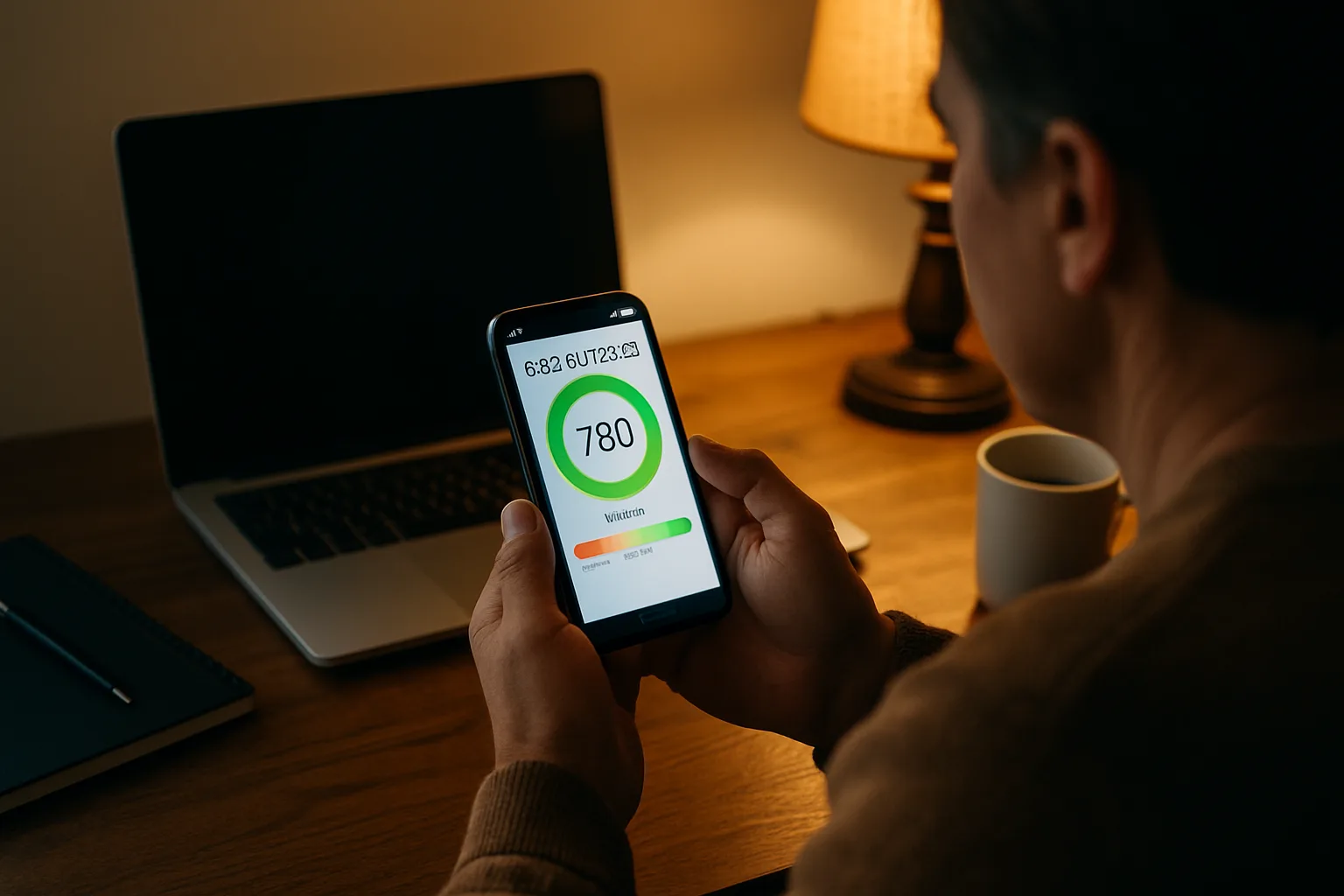
- The CFPB now shares complaint data more broadly with credit bureaus and regulators, potentially flagging disputes earlier.
- You can still dispute errors directly with credit bureaus, but the CFPB system may provide an additional path for unresolved issues.
- Knowing how to remove disputes from your credit report after resolution is key to avoiding negative credit score impacts.
If you've ever found a mistake on your credit report — like a late payment you never made or an account that isn't yours — you know how frustrating the dispute process can be. You send letters, make phone calls, and wait. Sometimes the error gets fixed.
Sometimes it doesn't. And all the while, that mistake can drag down your credit score.
Recently, the Consumer Financial Protection Bureau (CFPB) made changes to its consumer complaint system. These changes affect how your complaints are handled, who sees them, and how quickly they get resolved. If you're dealing with credit report errors, it's important to understand what's different now and how it impacts your ability to fix your credit.
This article explains the CFPB consumer complaint system changes in plain English, shows you how they affect your credit disputes, and walks you through practical steps to remove mistakes from your credit report — including how to handle specific collection agencies like IC Systems. Remember, this is general information, not financial advice. Everyone's situation is different.
What Is the CFPB Consumer Complaint System?
The CFPB is a U.S. government agency that protects consumers in the financial marketplace. One of its most useful tools is the consumer complaint system — an online portal where you can submit a complaint about a financial product or service, like a credit card, mortgage, or debt collection.
When you submit a complaint, the CFPB sends it to the company involved and gives them a deadline to respond. You can see the company's response and track the status online. The system also publishes data about complaints, which helps regulators spot bad actors and helps other consumers make informed choices.
Until recently, the system worked pretty well for many people. But the CFPB has made some changes that you need to know about — especially if you're using the system to dispute credit report errors.
How the Complaint Portal Works for Consumers
The portal is free and available to anyone with a U.S. address. You can file complaints about banks, credit unions, debt collectors, and credit reporting agencies. The system covers a wide range of issues, from unauthorized charges to identity theft.
When you file, the CFPB assigns a case number and sends your complaint to the company. The company must respond within 15 days, though they can request extensions. You receive updates via email or through your online account.
The CFPB also publishes anonymized complaint data. This data includes the company name, issue type, and resolution status. Researchers and journalists use this data to identify trends and hold companies accountable.
Key Changes to the CFPB Consumer Complaint System
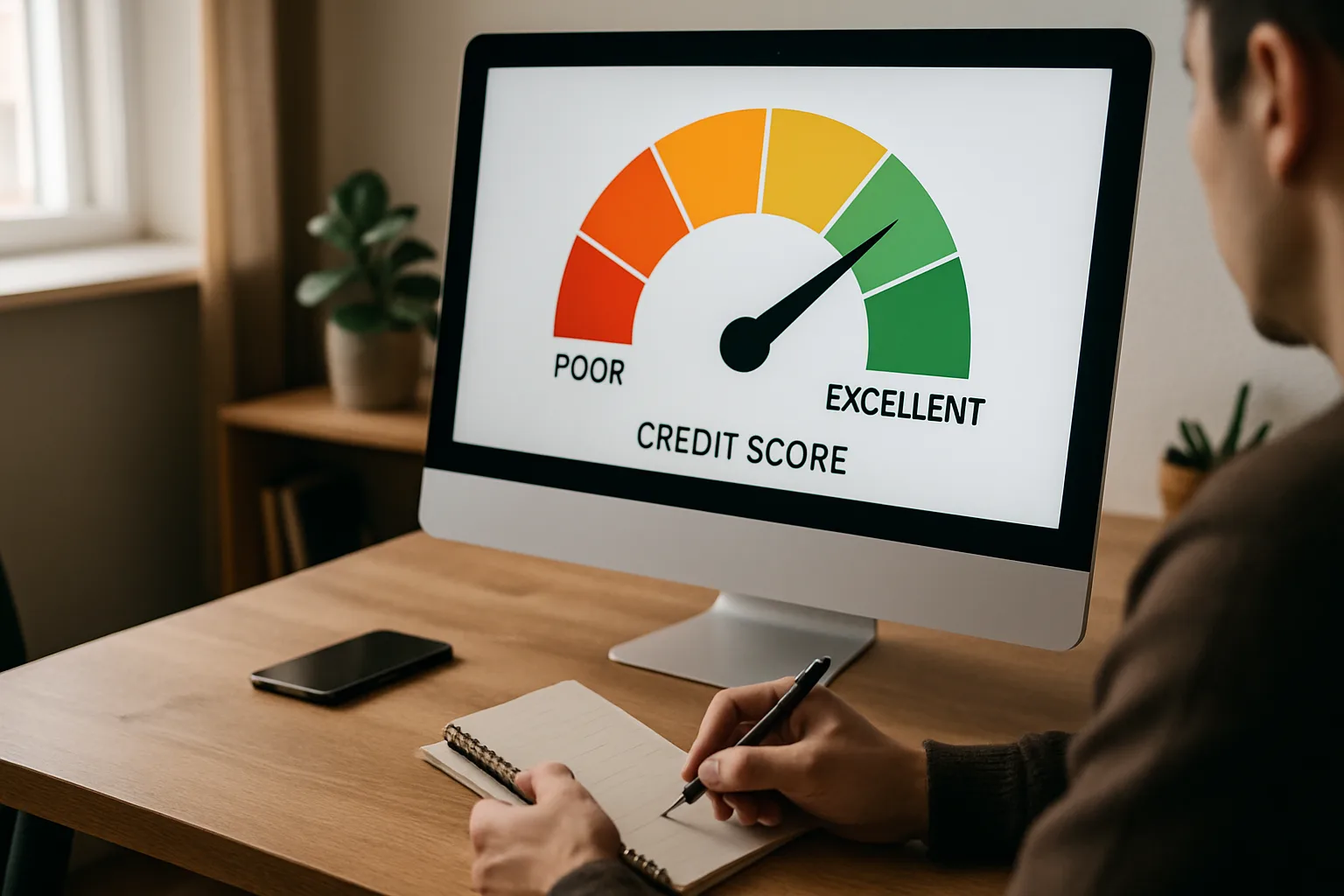
The CFPB announced several updates to its complaint system in 2024 and early 2025. Here are the most important ones for credit disputes:
- Broader data sharing: The CFPB now shares complaint data more broadly with credit reporting agencies (CRAs) like Equifax, Experian, and TransUnion, as well as with state regulators and other federal agencies. This means a complaint about a debt collector or creditor can quickly reach multiple parties.
- Faster routing: Complaints are now automatically routed to the right regulator or enforcement agency based on keywords and company type. This reduces delays but may also mean your complaint gets flagged for different purposes.
- Updated public database: The CFPB changed how it publishes complaint narratives and company responses. More information is now publicly available, which can help you research a company's track record before you work with them.
- New categories for credit reporting complaints: The CFPB added specific categories for credit reporting errors, making it easier to submit a complaint about a credit bureau or data furnisher.
These changes aim to make the system more efficient and transparent. But they also mean that your complaint could have wider-reaching effects — including on your credit report.
Why Broader Data Sharing Matters for Your Credit
When the CFPB shares your complaint with credit bureaus, those bureaus may flag your account for review. For example, if you complain about a debt collector reporting a debt you don't owe, the bureau might add a note to your file. This can alert lenders to a potential issue before you even dispute the item.
On the positive side, broader sharing can speed up investigations. If multiple agencies see the same complaint, they can coordinate their efforts. This reduces the chance that a company ignores your complaint or drags out the process.
However, this also means your complaint becomes part of a larger data ecosystem. Companies you've never dealt with might see your complaint data, though it is anonymized. The CFPB takes privacy seriously, but it's worth knowing that your complaint is not entirely private.
How Do These Changes Affect Your Credit Disputes?
When you dispute an error on your credit report, you typically start by contacting the credit bureau that shows the error. The bureau investigates with the company that provided the information (the data furnisher) and must correct or delete the item if it's wrong.
Now, if you also file a complaint with the CFPB about the same issue, the CFPB may share that complaint with the credit bureau and the data furnisher. This can put extra pressure on them to fix the problem quickly. But it also means your dispute is being tracked in multiple systems.
One potential downside: if the CFPB complaint system flags your dispute as potentially fraudulent or as part of a pattern, it could slow things down. The CFPB says this is rare, but it's something to be aware of.
Overall, the changes give you another tool to resolve credit report errors — especially if the credit bureau or data furnisher isn't cooperating. But you still need to follow the proper dispute process to get results.
What Happens When a CFPB Complaint Triggers a Bureau Review
Imagine you find a medical debt from a hospital you never visited. You dispute it with Equifax, but they verify it as accurate. Frustrated, you file a CFPB complaint.
Under the new system, the CFPB sends your complaint to Equifax and the hospital's billing department.
Equifax now sees that a federal agency is involved. They may re-review the account and find the error. In this scenario, the CFPB complaint acts as a catalyst for a second look.
The process can take a few extra weeks, but it often leads to a correction.
On the other hand, if the CFPB receives many complaints about the same hospital, they might flag it for enforcement. This doesn't directly help your individual dispute, but it puts pressure on the hospital to fix its reporting practices. Over time, this benefits all consumers.
How to Dispute Credit Report Errors Using the CFPB System
If you've tried disputing an error directly with the credit bureau and got nowhere, you can escalate to the CFPB. Here's how:
- Gather your evidence: Collect documents that prove the error — like bank statements, payment records, or a letter from the creditor saying the debt is paid.
- File a dispute with the credit bureau first: The CFPB expects you to try the normal dispute process first. You can do this online at AnnualCreditReport.com or by mail.
- Wait for the bureau's response: They have 30 days to investigate (45 days in some cases). If they don't fix the error, or if you disagree with their response, move to step 4.
- Submit a CFPB complaint: Go to consumerfinance.gov/complaint and choose the category that fits your issue (e.g., "Credit reporting, credit repair services, or other personal consumer reports"). Provide details and attach your evidence.
- Monitor the complaint: The CFPB will send your complaint to the company and give them 15 days to respond. You can track progress online.
The CFPB can't force a company to fix an error, but their involvement often leads to faster resolution. Many companies take CFPB complaints seriously because they don't want regulatory scrutiny.
What to Include in Your CFPB Complaint for Maximum Impact
Be specific about the error and how it harms you. For example, say "This debt is not mine, and it lowered my credit score by 50 points, preventing me from getting a mortgage." Attach your credit report showing the error and any correspondence with the bureau.
Mention that you already disputed with the bureau and include the case number. This shows the CFPB that you've exhausted other options. The more detail you provide, the stronger your case.
Also, list the laws you believe were violated, like the Fair Credit Reporting Act (FCRA). You don't need to be a lawyer — just state the facts. The CFPB will determine if a violation occurred.
How to Remove Disputes from Your Credit Report
Once a dispute is resolved, you want to make sure the disputed item no longer appears as "in dispute" on your credit report. A dispute notation can sometimes lower your credit score because it signals uncertainty about the debt.
Here's how to remove disputes from your credit report:
- Check the resolution letter: The credit bureau should send you a letter stating the outcome. If the item was deleted or corrected, the dispute notation should be removed automatically.
- Wait for the update: Credit bureaus update reports every 30–45 days. Give it a month, then pull your report again to confirm.
- If the dispute notation remains: Contact the credit bureau directly and ask them to remove it. Reference your case number and the resolution letter.
- If the item was verified but you still disagree: You can add a 100-word statement to your credit report explaining your side. This doesn't remove the dispute notation, but it lets future lenders see your explanation.
Remember, you can't remove a legitimate negative item by disputing it. Disputes are only for errors. If the debt is accurate, you'll need other strategies — like paying it off or negotiating a settlement — to improve your credit.
Why Dispute Notations Can Hurt Your Score
Credit scoring models like FICO and VantageScore treat disputed accounts as uncertain. While the notation itself doesn't directly lower your score, it can signal risk. Lenders may see a dispute and hesitate to approve new credit.
For example, if you're applying for a car loan and your report shows a dispute on a credit card account, the lender might ask for more documentation. This can delay your application or lead to a higher interest rate. Removing the notation promptly avoids these complications.
If the dispute was resolved in your favor, the negative item should be gone entirely. If it was verified, the notation disappears but the negative item remains. In either case, the notation should not linger after the investigation is complete.
IC Systems: How to Remove from Credit Report
IC Systems is a debt collection agency that often appears on credit reports for unpaid medical bills, utility bills, or other debts. If you see IC Systems on your report and it's inaccurate, you can dispute it. Here's how to remove IC Systems from your credit report:
- Get your credit reports from all three bureaus at AnnualCreditReport.com. Identify the IC Systems account and note the details.
- Dispute with the credit bureaus: Write a letter or use their online dispute form stating that the IC Systems account is not yours, is past the statute of limitations, or has other errors. Include any supporting documents.
- If the dispute fails, contact IC Systems directly: Ask them to validate the debt. Under the Fair Debt Collection Practices Act (FDCPA), they must send you proof that you owe the debt. If they can't, they must stop reporting it.
- File a CFPB complaint: If IC Systems continues to report inaccurate information, file a complaint with the CFPB. Use the new categories for credit reporting issues.
- Consider a goodwill letter: If the debt is yours but was paid, you can ask IC Systems to remove the account as a goodwill gesture. This is less likely to work, but sometimes they agree.
For more detailed strategies on improving your credit, check out our guide on how to raise your credit score fast.
What to Do If IC Systems Ignores Your Validation Request
Under the FDCPA, IC Systems must respond to a debt validation request within 30 days. If they don't, they cannot continue collecting or reporting the debt. Send your request via certified mail with return receipt requested to have proof of delivery.
If they respond but the information is incorrect, you can dispute again with the credit bureau. Include the validation response as evidence. If they fail to respond or provide false information, you may have grounds to sue under the FDCPA.
Keep copies of all correspondence. If you end up in court, these records are crucial. Many consumers win cases against collectors who violate the law, and you may be entitled to damages.
How Credit Disputes Affect Your Credit Score
Disputing an error on your credit report can temporarily affect your credit score. Here's what you need to know:
- During the dispute: The disputed item is marked as "in dispute" on your report. This notation doesn't directly hurt your score, but some scoring models may view it as a risk factor.
- If the item is removed: Your score may increase if the item was negative. For example, removing a late payment can boost your score significantly.
- If the item is verified: The dispute notation is removed, and the negative item stays. Your score won't change from the dispute itself.
It's important to understand what affects your credit score so you can prioritize the most impactful actions.
The Temporary Dip in Score During a Dispute
Some consumers report a small drop in their credit score while a dispute is active. This is usually because scoring models treat disputed accounts as potentially risky. The drop is typically minor, around 5 to 10 points, and it reverses once the dispute is resolved.
For example, if you dispute a collection account, your score might drop from 680 to 675. Once the account is removed, your score could jump to 710. The temporary dip is a small price to pay for a potential long-term gain.
If you're planning to apply for new credit soon, try to resolve disputes before applying. This avoids any confusion or score fluctuations that could hurt your chances.
Common Mistakes When Disputing Credit Report Errors
Many people make mistakes that slow down or derail their disputes. Avoid these common pitfalls:
- Not disputing with the right party: If the error is from a data furnisher (like a creditor), you should also dispute with them directly. The credit bureau may just verify the information with the furnisher.
- Using generic dispute letters: Be specific about what's wrong. Vague disputes are often rejected.
- Not keeping records: Save copies of everything — letters, emails, screenshots, and tracking numbers.
- Giving up too soon: If the bureau rejects your dispute, you can file a CFPB complaint or even sue under the Fair Credit Reporting Act (FCRA).
Why Specificity Matters in Dispute Letters
A generic dispute like "This account is incorrect" gives the bureau little to work with. Instead, say "The account number 12345 shows a balance of $500, but I paid this debt in full on January 15, 2024, as shown in the attached bank statement." This gives the bureau a clear path to investigate.
If you don't provide specific details, the bureau may reject your dispute as frivolous. This wastes time and delays the resolution. Always include account numbers, dates, and copies of supporting documents.
Also, avoid disputing multiple items in one letter. Each error should be addressed separately, either in different letters or in clearly labeled sections. This helps the bureau process each dispute correctly.
What to Do If Your Dispute Is Denied
If the credit bureau says the item is accurate, you still have options:
- Request a reinvestigation: You can ask the bureau to reinvestigate if you have new evidence.
- File a CFPB complaint: As mentioned, this can pressure the company to take another look.
- Contact the data furnisher directly: Sometimes the creditor or collector will correct the error if you provide proof.
- Add a statement to your report: You can add a brief explanation (up to 100 words) that will appear with the item on your report.
- Consult a credit repair attorney: If the error is causing significant harm, an attorney can help you sue for damages under the FCRA.
When to Sue Under the FCRA
If a credit bureau or data furnisher repeatedly fails to correct an error, you may have a legal claim. The FCRA allows consumers to sue for actual damages, statutory damages, and attorney fees. This can be a powerful tool, but it requires evidence of negligence or willful noncompliance.
For example, if you send multiple dispute letters and the bureau ignores them, you might have a case. A lawyer can review your situation and advise on the best course. Many offer free initial consultations.
Lawsuits can be time-consuming, so they are best reserved for serious errors that cause significant harm, like being denied a mortgage or job due to incorrect credit information.
How Long Do Disputes Stay on Your Credit Report?
A dispute notation itself doesn't have a set expiration date — it stays until the dispute is resolved. Once resolved, the notation is removed. However, the underlying negative item (if verified) can stay for up to 7 years (10 years for Chapter 7 bankruptcy).
If you want to learn how to build a strong credit history from the ground up, check out our guide on how to build credit.
The Timeline for Resolution
Most disputes are resolved within 30 to 45 days. If you provide additional information during the investigation, the bureau has up to 45 days. If the error is complex, it may take longer, but the bureau must notify you of any delays.
After resolution, the bureau updates your report within 30 days. You should check your report after that time to confirm the change. If the notation remains, contact the bureau immediately.
Remember, the 7-year clock for negative items starts from the date of the original delinquency. Disputing an item does not reset this clock. If the item is verified, it will still fall off after 7 years.
CFPB Complaint System vs. Direct Dispute: Which Is Better?
Both methods have pros and cons. Here's a quick comparison:
| Method | Pros | Cons |
|---|---|---|
| Direct dispute with credit bureau | Fast (30-day timeline); required by law; free | May not resolve complex issues; limited leverage |
| CFPB complaint | Adds regulatory pressure; can escalate to enforcement; public record | Takes longer; may not be necessary for simple errors |
For most errors, start with a direct dispute. If that fails, escalate to the CFPB.
When to Use Both Methods Together
In some cases, using both methods simultaneously can be effective. For example, file a direct dispute with the bureau and a CFPB complaint on the same day. This puts the company on notice that you are serious and that a federal agency is watching.
However, this approach can also create confusion. The bureau might pause its investigation while waiting for the CFPB to act. This can delay the resolution.
It's usually better to start with the direct dispute and escalate only if needed.
If you do use both, keep track of case numbers and timelines. Communicate with both parties clearly to avoid duplication of effort.
How the CFPB Changes Affect Debt Collectors Like IC Systems
Debt collectors are among the most complained-about companies at the CFPB. The recent changes mean that complaints about collectors like IC Systems are now shared more quickly with state regulators and credit bureaus. This can lead to faster investigations and more pressure on collectors to correct errors.
If you're dealing with IC Systems, the CFPB complaint system is a powerful tool — especially if they're reporting inaccurate information or violating the FDCPA.
State Regulators and Multi-State Actions
When the CFPB shares complaint data with state regulators, it can trigger multi-state investigations. For example, if IC Systems receives numerous complaints from consumers in several states, state attorneys general may coordinate an enforcement action. This can result in fines or changes to the company's practices.
For individual consumers, this means that your complaint is not just about your own case. It contributes to a larger picture that can protect others. While this doesn't guarantee a faster resolution for you, it increases the overall accountability of debt collectors.
If you want to check if IC Systems has a history of complaints, you can search the CFPB's public database. This can help you decide how to approach your dispute.
Protecting Your Rights During a Dispute
You have legal rights under the FCRA and FDCPA. Here are some key protections:
- Right to dispute: You can dispute any inaccurate information on your credit report for free.
- Right to a timely investigation: Credit bureaus must investigate within 30 days (45 days if you provide additional information).
- Right to sue: If a credit bureau or data furnisher violates the FCRA, you can sue for damages, attorney fees, and court costs.
- Right to cease communication: Under the FDCPA, you can tell a debt collector to stop contacting you — but that doesn't make the debt go away.
For more information, visit the CFPB's credit report and scores page.
How to Exercise Your Right to Cease Communication
If a debt collector like IC Systems is harassing you, you can send a written cease-and-desist letter. This letter tells them to stop calling, emailing, or mailing you. Once they receive it, they can only contact you to confirm receipt or to inform you of legal action.
This does not eliminate the debt. The collector can still report it to credit bureaus or sue you. However, it stops the constant phone calls, which can reduce stress and give you time to handle the dispute.
Send the letter via certified mail with return receipt. Keep a copy for your records. If the collector violates the cease-and-desist order, you can file a complaint with the CFPB or sue under the FDCPA.
Frequently Asked Questions
What are the CFPB consumer complaint system changes?
The CFPB now shares complaint data more broadly with credit bureaus and regulators, routes complaints faster, and updated its public database. These changes aim to improve transparency and efficiency for consumers.
How do I remove a dispute from my credit report?
Once a dispute is resolved, the notation should be removed automatically. If it remains, contact the credit bureau and ask for removal, providing your case number and resolution letter.
How can I remove IC Systems from my credit report?
Dispute the account with the credit bureaus first. If that fails, request debt validation from IC Systems. If they can't validate, they must stop reporting.
You can also file a CFPB complaint.
Will disputing a credit report error hurt my score?
Disputing an error itself doesn't directly hurt your score. However, if a negative item is verified and remains, it will continue to affect your score. If the error is removed, your score may improve.
Can I use the CFPB complaint system for any credit dispute?
Yes, you can file a CFPB complaint about credit reporting errors, especially if you've already tried disputing with the credit bureau and didn't get a satisfactory result.
How do I check if a company has CFPB complaints?
You can search the CFPB's public complaint database at consumerfinance.gov. Enter the company name to see a list of complaints, including the issue type and resolution. This helps you research a company before doing business with them.
What if the CFPB complaint doesn't resolve my issue?
If the CFPB complaint doesn't lead to a resolution, you can still pursue other options. Contact a credit repair attorney, file a lawsuit under the FCRA, or reach out to your state attorney general's office. The CFPB complaint is one tool, not the only one.
Key takeaways
- The CFPB consumer complaint system changes give you more leverage when disputing credit report errors, but you should still start with a direct dispute to the credit bureau.
- To remove disputes from your credit report, wait for resolution, then check your report and contact the bureau if the notation remains.
- For specific collectors like IC Systems, use the dispute process, request debt validation, and escalate to the CFPB if needed.
- Understanding what affects your credit score helps you prioritize actions that will improve your credit health.
- Always keep records of your disputes and know your legal rights under the FCRA and FDCPA.
Frequently asked questions
What are the CFPB consumer complaint system changes?
How do I remove a dispute from my credit report?
How can I remove IC Systems from my credit report?
Will disputing a credit report error hurt my score?
Can I use the CFPB complaint system for any credit dispute?
This article is for general informational purposes only and does not constitute financial, legal or credit-repair advice. Always consult a qualified financial advisor or credit counselor about your specific circumstances.

Written & reviewed by
Can OTUEditor
Can OTU is the editor of this site, curating and reviewing every guide for accuracy and clarity.
View all guides →