Pay for Delete with Financial Recovery Services: Does It Work?

- Collection agencies like Financial Recovery Services are not obligated to remove a paid collection from your credit report.
- Some agencies do accept pay for delete, but you need a written agreement before paying.
- If they refuse to negotiate, a goodwill letter, a dispute, or a debt validation request may be better options.
If you have a collection account from Financial Recovery Services on your credit report, you are probably feeling anxious about your score and tired of the phone calls. The idea of simply paying the debt and having the collection removed sounds like the perfect fix. That is exactly what "pay for delete" promises — but does it actually work with this particular agency?
Let me start with what you came here to find out: pay for delete with Financial Recovery Services is possible, but it is not guaranteed. The agency is not legally required to remove a collection once you pay it, and many collectors will say no. Still, it is worth asking — the worst they can say is no, and sometimes they say yes.
Before you call them, though, you need to understand how pay for delete really works, what the law allows, and what your rights are. This article walks you through the entire process, what to say, and what to do if they refuse. Please remember this is general information, not financial or legal advice.
Who Is Financial Recovery Services?
Financial Recovery Services (FRS) is a third-party debt collection agency based in Pawtucket, Rhode Island. They collect a wide range of debts, including credit card balances, medical bills, auto loans, and personal loans.
If you see "Financial Recovery Services" on your credit report, it means one of your original creditors hired them to collect an unpaid balance — or purchased the debt outright. The original creditor may no longer be involved at all.
Like most collection agencies, FRS buys debts for pennies on the dollar and then tries to collect the full amount. This is a huge part of why pay for delete can be a realistic conversation. Since they bought the debt cheaply, they may be willing to accept a smaller payment, and they may also be willing to remove their collection entry as part of the deal.
Financial Recovery Services is a member of the American Collectors Association and is regulated by the Fair Debt Collection Practices Act (FDCPA), the Fair Credit Reporting Act (FCRA), and the Consumer Financial Protection Bureau. Understanding these laws matters because they are the guardrails that protect you throughout the process.
What Exactly Is Pay for Delete?

Pay for delete is a negotiated agreement between you and a debt collection agency. In simple terms, you agree to pay the debt — usually a lump sum owed or a reduced settlement — and the agency agrees to remove its collection account from your credit report entirely.
This is different from simply paying the balance in full. When you pay a collection without an agreement, the account will typically be updated to "paid" or "settled," but the collection itself will still sit on your credit report for up to seven years from the original delinquency date. It may hurt your credit less once paid, but it does not disappear.
With a pay for delete agreement, the agency instructs the credit bureaus to delete the account, as if it was never reported. Your credit file can literally update to show the collection is gone. That can give your score a meaningful boost, especially if the collection was recent and large.
The catch is that credit bureaus do not like pay for delete. The major bureaus — Equifax, Experian, TransUnion — generally tell furnishers not to delete accurate, paid collections. The official rule is that credit reporting should be accurate.
If a debt was really owed and really went to collections, the bureaus argue, it should stay on file.
Some collectors go along with pay for delete anyway because it is in their financial interest to collect something. Others refuse to consider it because they value their reporting relationship with the credit bureaus. That is why the results you hear about are all over the map — some people get lucky, and others do not.
Is Pay for Delete Legal?
Yes, pay for delete is legal. No federal law explicitly bans it, even though the credit bureaus discourage it. The Consumer Financial Protection Bureau has not issued a rule that makes the practice illegal.
That said, a collection agency that agrees to pay for delete is technically agreeing to remove accurate information from your credit file. The Fair Credit Reporting Act says credit reporting should be accurate, but it places the responsibility on the bureaus and the data furnisher to maintain accurate information. It does not contain a penalty for removing true information.
For the consumer, you are not doing anything fraudulent by asking. You are simply negotiating. The worst that happens is they say no.
How Much Does a Collection Drop Your Credit Score?
Most people are surprised by how hard a single collection hits. If you had a strong credit score in the high 700s, one collection could drop your score by 100 points or more. If your score was already below 600, the additional damage might be smaller — there is simply less room to fall.
Keep in mind that every credit file is different. The exact impact depends on your overall credit history, how many other accounts you have, and which scoring model the lender uses.
Because a collection hurts so much, even partial improvement — like converting an unpaid collection to a paid one — can give your score a meaningful lift. And full removal through pay for delete can lift it even further.
Does Financial Recovery Services Really Do Pay for Delete?
This is the core question, and the honest answer is: it depends. There are reports online of people successfully negotiating pay for delete with Financial Recovery Services, and equally many reports of the company refusing.
FRS does not have a published policy on pay for delete. That is actually normal — most collection agencies refuse to put a policy in writing because they want to make decisions on a case-by-case basis. What they agree to in one call, they may not agree to in the next.
Your chances improve when you are speaking with someone who has the authority to make a deal on the debt. The first person who answers the phone may be a junior collector with no authority to offer deletion. You may need to ask to speak to a supervisor or a settlement manager.
Also be aware that Financial Recovery Services sometimes uses different names. You may see "FRS" or "Financial Recovery Services, Inc." on your credit report. Confirm that the collection they are trying to collect is actually the one reported on your credit file, because mistakes happen.
Before You Ask: Validate the Debt First
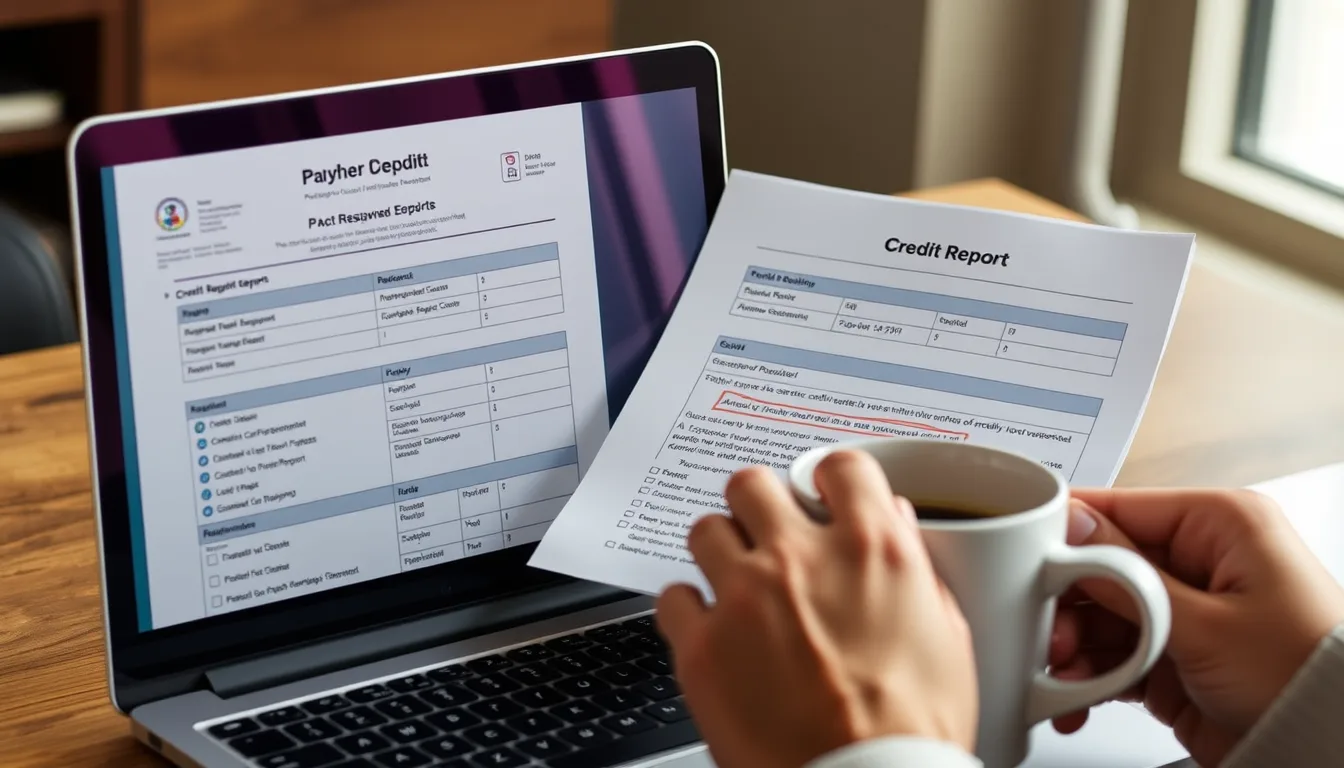
You should not pay a cent — or even agree to pay — until you are sure the debt is actually yours and correctly reported. Collection agencies make mistakes. Sometimes they go after the wrong person entirely.
Your first move is to know exactly what you are dealing with. Pull your credit reports from all three bureaus and look at what is reported about Financial Recovery Services. Take note of the account number, the original creditor, the balance, and the date it was placed for collection.
Then send a debt validation letter to FRS within 30 days of their first contact. Under the Fair Debt Collection Practices Act, you have the right to request proof that the debt is yours and that they have the authority to collect it.
The agency must respond with documents showing the original creditor, the amount owed, and other details. If they cannot validate the debt, they are legally required to stop collection activity — and you may be able to have the collection removed from your credit report through a dispute.
This step matters for another reason: knowing the exact debt and its age helps you negotiate. A debt that is close to the statute of limitations has more leverage for you. A debt that is very old might not even affect your credit soon.
Statute of Limitations and Credit Reporting Time Limits
There are two important clocks running on any debt. The first is the statute of limitations, which determines how long Financial Recovery Services can sue you to collect the debt. This varies by state, but it is usually between three and six years for most consumer debts.
The second clock is the credit reporting time limit. Under the Fair Credit Reporting Act, a collection agency cannot report a debt for more than seven years from the date the original account first became delinquent. If the seven years have passed, you can dispute the account and have it removed.
A payment could reset the statute of limitations in some states. If you pay even a small amount on an old debt, you may restart the clock and give the collector more time to sue you for the rest. This is a real risk with old debts, and you should think carefully before paying a debt that is close to expiring.
Paying a Debt Can Restart the Clock
Making a payment, agreeing to a payment plan, or even promising to pay can reset the statute of limitations in many states. That is a legal reality that many people do not find out about until it is too late.
If your debt is new, this is not a major concern. But if you are dealing with an old debt — more than two or three years old — you need to be careful. Paying to settle a debt that is almost beyond the legal collection window may not be worth it.
Before you agree to anything with Financial Recovery Services, ask yourself: how old is this debt, and could a payment actually put me in a worse legal position? If you are unsure, it is worth a few minutes of research on your state's statute of limitations for debt collection.
How to Ask Financial Recovery Services for Pay for Delete
If you have decided that pay for delete is worth trying, knowing what to say makes a big difference. You want to be calm, clear, and professional. You also want to be careful not to admit to the debt unless you have already confirmed it is yours.
Here is how to approach the call:
- Call Financial Recovery Services using the number on your credit report or their official website, not a random number from a voicemail.
- Ask them to verify the debt, including the original creditor and the exact balance.
- Tell them you are willing to pay the balance, but only if they agree to delete the collection from your credit report.
- Ask to speak with a supervisor or someone who can approve a deletion agreement.
- If they agree to delete, say you need it in writing before you will pay.
Many people make the mistake of leading with a sob story. You do not need to justify why you want the collection removed. Keep it simple: "I am willing to pay this account in full.
In exchange, I expect your company to remove the collection from my credit report. Can you do that?"
You should also be ready to offer a settlement amount. If the original balance is large, many collectors will accept less than the full amount because they purchased the debt for a small fraction of what is owed.
If they say no to pay for delete, you can still ask whether they would accept a settlement and update the account as "paid in full" or "settled." That will not remove the collection, but it may reduce your credit damage and prevent a lawsuit.
Get the Pay for Delete Agreement in Writing
This is the single most important step. A verbal promise to remove your collection is worth almost nothing. If you pay and the agency does not delete, you need written proof of the agreement to enforce it.
Tell Financial Recovery Services: "I will not make any payment until I receive a signed agreement, in writing, that says you will remove your collection from all three credit bureaus upon receipt of payment."
Examine any written agreement carefully before you sign or pay. It should clearly say:
- The full account balance and the amount you will actually pay.
- The exact collection account that will be removed.
- That the deletion will happen at all three major credit bureaus (Equifax, Experian, and TransUnion).
- That they will not sell the remaining debt to another agency (if you agreed to a settlement).
- A timeline, such as 30 days after payment, for the deletion to appear.
Be careful with any wording that says they will "request" a deletion. That is different from "delete." The agency should commit to causing the deletion, not just asking the bureaus.
If they will not put the agreement in writing, walk away. Paying on a verbal promise is a gamble you should not take. You will have no evidence if the account stays on your report.
Also keep in mind: even with a written agreement, the credit bureaus are the ones who physically update your file. It can take thirty to sixty days for the deletion to show up. Plan to check your reports after that window.
What Happens After Payment?
Once you have made the payment — by check, money order, or a traceable method — keep every receipt and confirmation. Never pay a collector by giving them direct access to your bank account through an electronic debit unless you have a written agreement and know exactly what amount will be pulled.
After you pay, watch your credit reports closely. You can get a free copy of your credit report from AnnualCreditReport.com once every twelve months from each of the three major bureaus. You can also check your score through your bank or credit card company.
If the collection is not deleted within thirty to sixty days, follow up in writing with Financial Recovery Services and reference your agreement. Send the letter by certified mail so you have proof it was received.
If they still do not delete, you can dispute the collection with the credit bureaus and include a copy of your written pay for delete agreement. The bureaus may contact FRS, and the agreement may be enough to get it removed.
Alternatives If They Refuse Pay for Delete
Financial Recovery Services says no to many people. You need a plan for that situation, because there are still good options for cleaning up your credit.
Option 1: Pay or Settle and Let It Age
If you can pay the debt, paying it — even without a deletion — is usually better for your credit than leaving it unpaid. Scoring models treat a paid collection more favorably than an unpaid one, even though it still counts as a negative item.
Settling for less than the full balance is also a legitimate approach. Just remember that if the forgiven amount is more than $600, the IRS may consider it taxable income. You may receive a 1099-C form, so plan for the tax implications.
Option 2: Dispute Errors on Your Credit Report
Collection accounts are frequently reported with errors. The balance may be wrong, the date may be off, or the account may not even be yours. You can challenge these mistakes through a formal dispute with the credit bureaus, and if the agency cannot verify the account, it must be removed.
If you want step-by-step help, you should read my full guide on how to dispute errors on your credit report. It walks you through the letters and timelines you need.
Option 3: Send a Goodwill Letter
A goodwill letter is a polite request to the collection agency, asking them to remove the account as a gesture of goodwill because you have paid the debt and want to move forward. Some companies do this, especially if you were a long-term customer before the debt went to collections.
With a third-party collector like Financial Recovery Services, goodwill deletions are less common, but they are not unheard of. It costs you nothing but a stamp, so it is worth trying.
My detailed guide on how to remove collections from credit report covers these techniques more fully.
Option 4: Wait for the 7-Year Reporting Window
A collection account can only stay on your credit report for seven years from the date the original debt first went delinquent. If that date is close, the account may drop off soon without you doing anything at all.
This is not an option for most people — a fresh collection will sit there for years. But if you are dealing with an older account, check the reported date of first delinquency before you negotiate.
Option 5: Do Nothing — But Know the Risks
You can choose not to pay if the debt is old, outside the statute of limitations, or not valid. But there are risks: Financial Recovery Services could sue you, garnish your wages, or continue reporting the collection.
If you are not sure whether you owe the debt, do not ignore letters or a lawsuit notice. Missing a court date can lead to a default judgment against you.
What About Credit Repair Companies and Pay for Delete?
Many credit repair companies promise to remove collections through pay for delete. They charge monthly fees and do the mailing for you. Some are legitimate, but you should know that anything they do, you can do yourself.
The Credit Repair Organizations Act gives you the right to cancel a credit repair contract within three days and prohibits companies from charging fees before they perform services. It also prohibits them from making false promises about removing accurate information.
If a company guarantees it can remove Financial Recovery Services from your credit report, that is a red flag. No one can guarantee a deletion, since the decision belongs to the collection agency and the credit bureaus.
Try the pay for delete negotiation yourself first. You will not lose anything except a little time, and you will keep your money in your pocket.
How to Check If the Collection Is Gone
Once you have negotiated a pay for delete agreement and made your payment, you need to verify the result. This is the step where many people get into trouble, because they assume the deletion happens right away.
You should do two things: check your credit report directly, and check your credit score. Your report shows whether the Financial Recovery Services account is still listed; your score shows whether the account is affecting you.
Here is a simple system to use:
- Wait 30 days after the payment date.
- Pull your free credit reports from AnnualCreditReport.com.
- Look for the Financial Recovery Services collection account at each bureau.
- If the account is still listed, follow up in writing with FRS using your agreement.
- If the account is gone, keep your documentation anyway — errors sometimes reappear.
Remember that if you have no agreement in writing, the agency may update your report to "paid" rather than delete it. Do not be surprised — this is why the written agreement matters so much.
If you are new to reading credit reports, my guide on how to read your credit report can help you spot the collection section and identify what needs attention.
How Long Does a Financial Recovery Services Collection Stay on Your Credit Report?
Without a pay for delete agreement, a collection account from Financial Recovery Services can remain on your credit report for up to seven years. The seven-year countdown starts from the date the original account became delinquent — not the date the collection agency bought the debt or the date they contacted you.
This is a common misunderstanding. If you missed payments in 2022 and the account went to collections in 2024, the reporting clock started in 2022. The collection is scheduled to fall off around 2029.
It is also worth knowing that paying the collection does not restart the seven-year clock. The account simply stays until the seven-year period ends, with its status changed to "paid" or "settled."
Financial Recovery Services Complaints and BBB Record
You might want to know if Financial Recovery Services has a pattern of ignoring pay for delete requests before you call them. You can check complaints with the Consumer Financial Protection Bureau and the Better Business Bureau, though neither is a perfect measure of a company's practices.
What you read in complaints may concern you, but remember that people rarely go online to say positive things about a debt collector. A high volume of complaints also reflects the fact that they collect mostly from people under stress.
Of course, if the agency has violated your rights — for example, by calling at odd hours, using threats, or contacting you at work after you asked them to stop — you can file a complaint with the Consumer Financial Protection Bureau and possibly sue them under the FDCPA.
If you are not comfortable negotiating, and your debt is old or questionable, it may help to speak with a consumer protection attorney. Many offer free initial consultations, and some states allow attorney's fees to be awarded if you win a case.
Will a Pay for Delete Actually Improve Your Credit Score?
Removing a collection account can boost your credit score, but the improvement depends on what else is in your credit file. If you have other delinquencies or high balances, the collection is only part of the problem.
In general, the more recent the collection and the higher your score to begin with, the more points you are likely to regain. A collection reported last month could easily cost you 50 to 100 points, so removing it could bring much of that back (illustrative figures only — your results will vary).
If the collection is already several years old, its impact has faded, and deleting it may raise your score by only a handful of points. That is still better than nothing, but it affects how you assess the cost of paying.
It is also possible that your score will not change at all if you have a second collection, a charge-off, or a bankruptcy on file. Removing one negative from a file full of negatives moves the needle only so far.
Pay for Delete vs. Paying the Debt Normally
To see exactly why pay for delete matters, compare it with simply paying the balance without an agreement. Here's what that difference looks like in one quick table:
| Situation | What shows on your credit report | Effect on your credit score | Risk to you |
|---|---|---|---|
| Unpaid collection | The account stays as "collections" and remains negative. | Significant negative impact. | Risk of lawsuit, continued calls. |
| Paid collection (no deletion) | The account stays but shows "paid" or "settled." | Less damage than unpaid but still negative. | Low, but the account still hurts you. |
| Pay for delete | The account is removed from all three bureaus. | May recover most lost points. | You must get the agreement in writing. |
One more consideration: scoring models such as FICO 9, VantageScore 3.0, and newer versions of FICO ignore paid collections entirely. If a lender uses one of these newer scoring models, paying the collection could remove its impact without a deletion. But many lenders, especially mortgage companies, still use older models that penalize paid collections.
Common Pay for Delete Mistakes to Avoid
I have seen many people make the same mistakes when negotiating with collection agencies. You can avoid them with a little preparation.
- Paying before getting the agreement in writing. This is the biggest mistake. If the agency does not delete, you have no proof.
- Admitting the debt is yours before verifying the details. That admission can be used against you in a lawsuit.
- Paying with a bank account debit. Give yourself control by using a money order or a one-time payment method.
- Not checking all three credit reports. A deletion at Equifax does not mean it happened at Experian and TransUnion.
- Ignoring older debts. Paying an old debt can restart the statute of limitations.
Take a breath and slow down. A collection agency may try to rush you into a decision, but you are in control of the timing. You have the right to ask questions and demand written answers.
Sample Pay for Delete Letter to Financial Recovery Services
If you prefer to negotiate in writing rather than by phone, here is a sample letter you can adapt. Keep it brief, professional, and firmly focused on the condition of deletion.
To Whom It May Concern, I am writing regarding the collection account referenced as [account number] from [original creditor name]. I am willing to pay the balance of $[amount] in full to close this matter. My payment is contingent on your agreement to delete your collection account from my credit report at all three major credit bureaus — Equifax, Experian, and TransUnion — within 30 days of receiving payment. Please respond in writing to confirm this agreement before I send payment. Thank you for your time. Sincerely, [Your name]
Send this letter by certified mail with a return receipt requested. You want proof that they received it if you need to enforce the agreement or dispute the account later.
If they call you after receiving the letter, do not agree to anything over the phone that is not put into writing. You can be polite and tell them to send you an agreement by mail or email.
What If Financial Recovery Services Sues You?
If the debt is large and you have stopped making payments, there is a chance Financial Recovery Services or the original creditor could file a lawsuit. This is not common for small debts, but it happens.
Do not ignore the lawsuit. If you receive a summons, respond by the deadline stated in the documents. You may be able to dispute the amount, assert the statute of limitations, or negotiate a settlement before the court date.
If you cannot afford an attorney, look for free legal aid services in your area. Some organizations help consumers with debt collection lawsuits at little or no cost.
Depending on the age of the debt, you may also have a valid defense. If the statute of limitations has expired, the court may dismiss the case. But you must raise that defense — the court will not do it for you.
When Should You Just Pay and Skip the Pay for Delete Fight?
Sometimes the simplest path is the best. If the collection is small — say under a few hundred dollars — and your credit score is already good, the impact of the account might be limited. Paying it off could remove the risk of a lawsuit and stop the calls, even without a deletion.
Likewise, if you are about to apply for a mortgage or another major loan, lenders sometimes require all collections to be paid before closing. That is not the time to insist on pay for delete, because you may not have time to wait.
Ask yourself: what is your goal? If eliminating stress and avoiding a lawsuit matters most, just pay. If maximizing your credit score matters most, fight for a deletion.
If emotional peace and your credit score matter equally, the right answer is usually to negotiate a settlement and then work on your other credit habits.
Why You Need Credible Help If Things Go Wrong
Debt collectors are allowed to be aggressive — and some cross the line. Under the Fair Debt Collection Practices Act, you have rights. Collectors cannot harass you, use false statements, or threaten legal action they do not intend to take.
If Financial Recovery Services has violated those rights, keep records of every call, and you can file a complaint with the Consumer Financial Protection Bureau. You can also file a complaint with your state attorney general's office.
The Consumer Financial Protection Bureau website has a database of complaints about consumer financial products and services, including debt collection. You can search it to see if others have reported the same issues with Financial Recovery Services.
But always remember that this article is general information only — it is not legal advice. If you face a lawsuit or other serious legal risk, consult an attorney in your state.
Key Takeaways
- Pay for delete with Financial Recovery Services is possible, but they can legally refuse, and many requests are denied.
- Always send a debt validation request before agreeing to pay, so you confirm the debt is truly yours.
- If Financial Recovery Services agrees to delete, get the full agreement in writing before sending any payment.
- If they refuse, paying the collection still helps your credit more than leaving it unpaid, and disputing reporting errors can also get it removed.
- A collection account generally remains on your credit report for seven years from the original delinquency date, regardless of whether you pay.
- This article is general information, not financial or legal advice. If you need personalized guidance, talk to a qualified consumer protection attorney.
Frequently asked questions
Has anyone successfully gotten a pay for delete from Financial Recovery Services?
Can I send a pay for delete letter to Financial Recovery Services instead of calling?
Does paying Financial Recovery Services remove the collection from my credit report?
Will Financial Recovery Services sue me if I don't pay?
How long does Financial Recovery Services stay on a credit report if I don't pay?
This article is for general informational purposes only and does not constitute financial, legal or credit-repair advice. Always consult a qualified financial advisor or credit counselor about your specific circumstances.

Written & reviewed by
Can OTUEditor
Can OTU is the editor of this site, curating and reviewing every guide for accuracy and clarity.
View all guides →