How to Repair Bad Credit Step by Step: Tools and Strategies That Actually Work
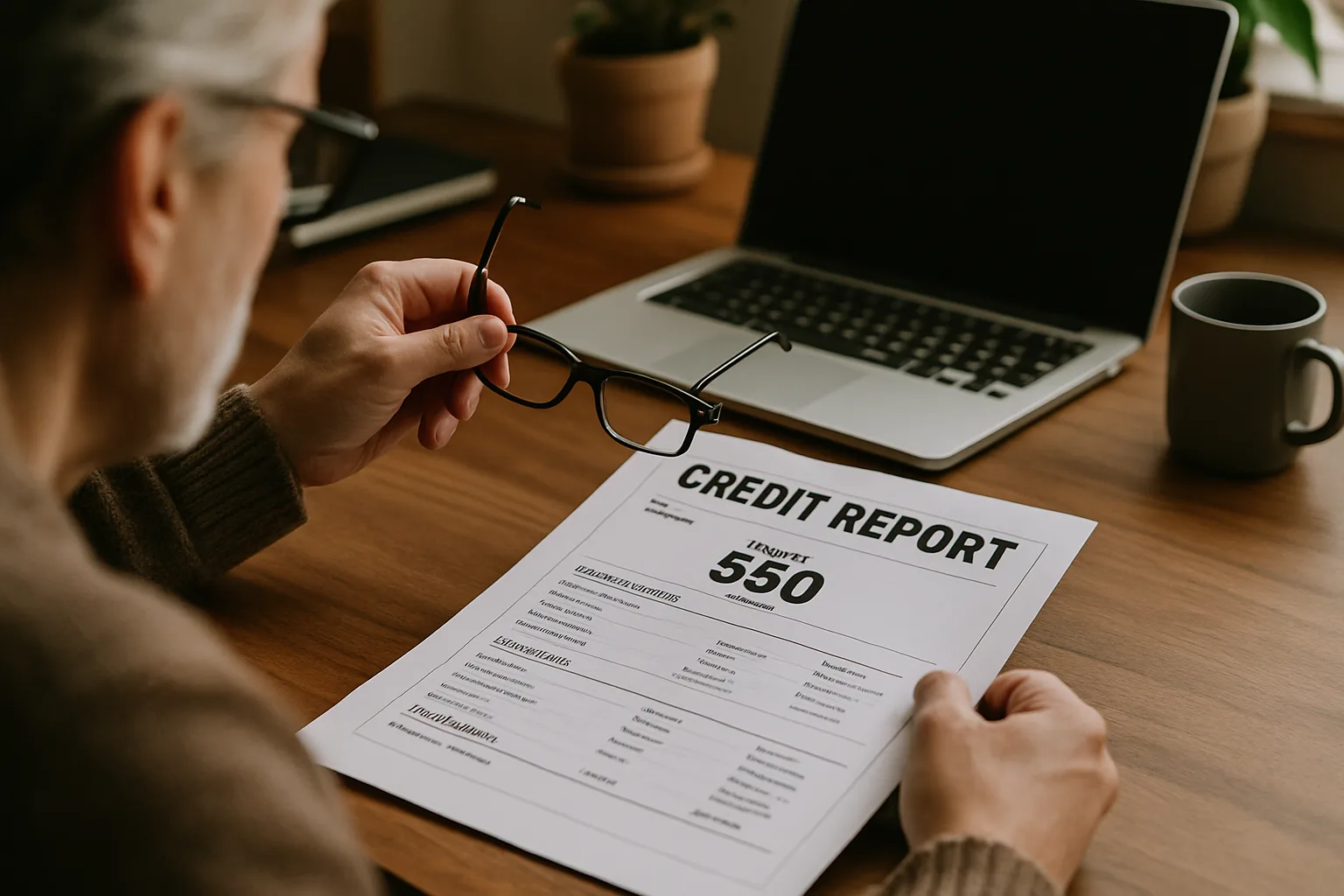
- Dispute inaccuracies on your credit reports for free.
- Pay all bills on time — payment history is the biggest factor.
- Consider debt consolidation vs credit repair to address underlying debt.
If your credit score is lower than you'd like, you're not alone. Millions of Americans have been where you are, wondering if they'll ever qualify for a decent loan or credit card again. The good news is that bad credit isn't permanent.
With the right steps, you can improve your score over time — and you don't need to pay a company to do it for you.
This guide walks you through the entire process of how to repair bad credit, step by step. We'll cover everything from reading your credit report to disputing errors, managing collections, and building new positive credit. You'll also get honest answers to common questions like do credit repairs actually work and can credit repair companies really fix your credit.
By the end, you'll have a clear, actionable plan — no gimmicks, no false promises.
Remember, this is general information, not financial advice. Everyone's situation is different, so consider talking to a nonprofit credit counselor or a qualified professional if you need personalized help.
What Is Credit Repair and How Does It Work?
Credit repair is the process of correcting errors, inaccuracies, or outdated negative items on your credit reports. It also involves building positive credit history over time. You can do it yourself or hire a company, but the legal process is the same: you dispute incorrect information with the credit bureaus (Equifax, Experian, and TransUnion), and they must investigate and remove anything that can't be verified.
Credit repair does not erase legitimate negative items like late payments, collections, or bankruptcies — those will fall off naturally after 7 to 10 years. But it can remove mistakes that are dragging your score down unfairly. And that's a big deal.
Think of credit repair as a two-part process. First, you clean up errors that don't belong on your report. Second, you build a pattern of responsible credit use that raises your score over time.
Both parts are essential.
The credit bureaus are required by law to maintain accurate information. When you spot an error, you have the right to challenge it. The Fair Credit Reporting Act (FCRA) gives you that power.
You don't need a lawyer or a paid service to exercise it.
Do Credit Repairs Actually Work? (Honest Answer)
Let's address the big question head-on: do credit repairs actually work? The answer is yes — but with important limits. If your credit report contains errors (and studies show about 1 in 5 reports have them), disputing those errors can boost your score. Many people see improvements of 20, 50, or even 100 points after removing incorrect late payments, old accounts, or collections that aren't theirs.
However, if your credit is low because of real financial struggles — missed payments, high balances, or defaults — no amount of disputing will make those go away. Legitimate negative items stay. But you can still improve your score by paying on time and reducing debt.
So credit repair works for errors, but it's not a magic eraser for real history.
For example, imagine you have a collection account that belongs to someone with a similar name. Disputing that error could remove it entirely. That's a real win.
But if you genuinely missed three credit card payments last year, those late marks will remain for seven years. The key is knowing the difference.
Do Credit Repair Companies Really Work?
You've probably seen ads promising to "fix your credit fast" for a fee. So do credit repair companies really work? Technically, they can do the same things you can do for free: dispute errors, send letters, and follow up. Some people find it worth paying for convenience, especially if they're short on time or intimidated by the process.
But here's the catch: many credit repair companies charge upfront fees (which is illegal in some states) and make promises they can't keep. They cannot remove accurate negative information. And if they claim they can, that's a red flag.
The Federal Trade Commission (FTC) warns that no one can legally remove correct information from your credit report. So before you pay anyone, know that you have the same legal rights to dispute errors yourself — for free.
A reputable company might charge a monthly fee of $50 to $100. They'll send dispute letters on your behalf and track responses. But you can do the same work in a few hours each month.
The choice comes down to your budget and comfort level.
Does Credit Repair Really Work? (The Bottom Line)

So does credit repair really work in the long run? Yes, if you approach it correctly. The key is understanding that credit repair is a two-part process: fixing errors and building good habits.
Disputing mistakes can give you a quick boost, but maintaining a high score requires ongoing responsible credit use. If you only dispute errors but keep missing payments, your score will stay low. So think of credit repair as the first step, not the whole journey.
Consider a concrete example. Suppose your score is 580 due to an incorrect late payment and a high credit card balance. After disputing the error, your score jumps to 620.
That's progress. But if you continue carrying a 90% balance and miss another payment, you'll slide back down. The real work is sustaining good behavior.
Credit repair is not a one-time event. It's a habit. The people who see lasting improvement are those who combine error removal with consistent on-time payments and low balances.
Step 1: Get Your Credit Reports and Read Them Carefully
Before you can fix anything, you need to see what's on your credit reports. You're entitled to one free report from each of the three bureaus every 12 months through AnnualCreditReport.com. During the pandemic, they started offering free weekly reports, and that's still available as of 2025.
Once you have your reports, take time to how to read your credit report. Look for accounts you don't recognize, incorrect balances, duplicate entries, wrong dates, and any negative items that seem off. Make a list of everything that looks inaccurate.
Don't worry if it feels overwhelming — many people find errors. The Consumer Financial Protection Bureau (CFPB) has reported that one in five consumers found a mistake on at least one of their reports. So you're not alone.
How to Spot Common Errors on Your Credit Reports
Common errors include accounts that aren't yours, incorrect account statuses (like "open" when it's closed), and wrong balances. You might also see duplicate entries for the same debt, or outdated personal information like a wrong address. Each of these can drag down your score.
For instance, a credit card you closed three years ago might still show as "open" with a high balance. That can hurt your utilization ratio. Or a collection account from a utility company might appear twice, doubling the negative impact.
These are the kinds of errors you can dispute and remove.
Make a spreadsheet or simple list. Write down the bureau, the account name, the error, and why it's wrong. This will make your disputes faster and more organized.
Step 2: Dispute Errors Directly with the Credit Bureaus
Now it's time to take action. You can file disputes online, by mail, or by phone with each bureau that has the error. The fastest way is usually online, but mailing a certified letter gives you a paper trail.
For each error, explain why it's wrong and include any supporting documents (like a paid receipt or bank statement).
The bureau must investigate within 30 days (45 days in some cases). If the information can't be verified, it must be removed. For a detailed walkthrough, see our guide on how to dispute errors on your credit report.
Pro tip: If you have multiple errors, dispute them one at a time or in small batches. Some experts believe disputing too many items at once can trigger a different review process. But there's no hard rule — just be thorough and honest.
What to Include in Your Dispute Letter
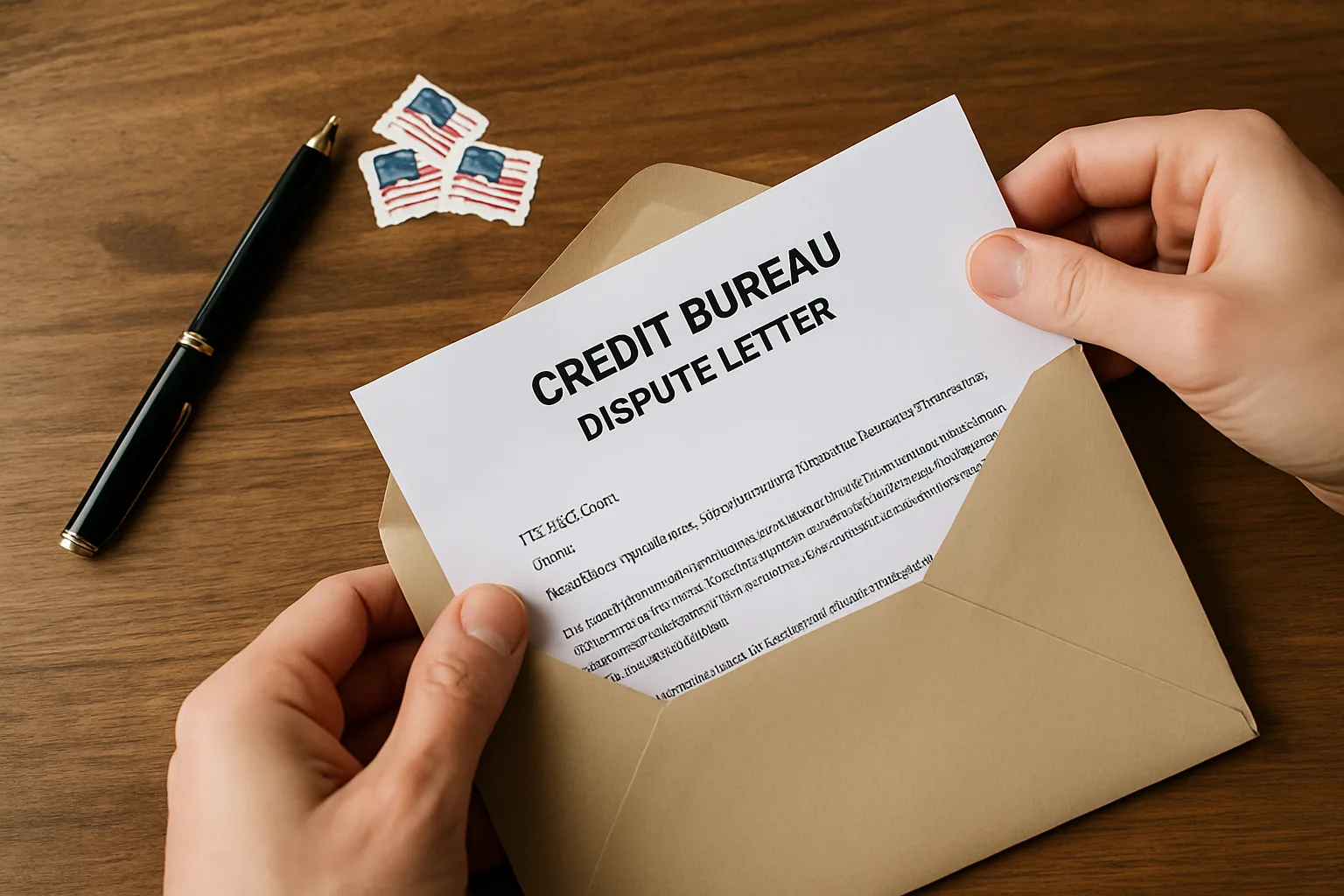
Your dispute letter should include your full name, address, date of birth, and a copy of your ID. Then clearly state which item you're disputing and why. Attach copies (not originals) of any proof you have, like a bank statement showing a payment was made on time.
Send the letter via certified mail with return receipt requested. That way you have proof the bureau received it. Keep a copy of everything for your records.
If the bureau doesn't respond within 30 days, you can escalate to the CFPB.
Online disputes are faster but may limit how much detail you can provide. If you have a complex error, a mailed letter might be better. Either way, be specific.
Don't just say "this is wrong" — explain exactly what's incorrect.
Step 3: Deal with Collections and Old Debts
Collections accounts can really hurt your score. But you have options. First, check if the collection is accurate.
If it's not yours or the amount is wrong, dispute it. If it's legitimate, you might consider paying it or negotiating a pay-for-delete (where the collector agrees to remove the account in exchange for payment). Not all collectors will do this, but it's worth asking.
For a deeper dive, see our article on how to remove collections from credit report. Also, note that starting in 2022, paid medical collections under $500 no longer appear on credit reports, and unpaid medical collections won't show up for one year. So if you have medical debt, check the rules carefully.
Negotiating a Pay-for-Delete Agreement
A pay-for-delete is an arrangement where you pay the collection agency in full or partially, and they agree to delete the account from your credit report. This is not guaranteed, and some collectors refuse. But it's worth a polite phone call or letter.
Start by asking for a written agreement before you send any money. If the collector agrees, get the terms in writing. Then pay as agreed.
Once the deletion happens, your score can recover more quickly than if the collection simply aged off.
If pay-for-delete isn't possible, you can still pay the debt. Paying a collection won't remove it, but it updates the status to "paid," which looks better to future lenders. Some scoring models even ignore paid collections entirely.
Step 4: Pay All Bills on Time — Every Time
Payment history is the single biggest factor in your credit score — it makes up 35% of FICO scores. So the most effective thing you can do is pay every bill on time, every month. Set up autopay or calendar reminders.
Even one late payment can drop your score significantly, especially if you have a good history otherwise.
If you're struggling to pay, contact your creditors before you miss a payment. Many offer hardship programs or can work out a payment plan. It's better to communicate than to go silent.
How to Never Miss a Payment Again
Use technology to your advantage. Set up automatic payments for at least the minimum amount due on every credit card and loan. If you're worried about overdrafts, schedule payments a few days after your paycheck arrives.
You can also use a budgeting app that sends reminders.
Another tactic is to pay bills as soon as you receive them. Don't wait until the due date. This removes the risk of forgetting.
Over time, on-time payments become a habit, and your score will reflect that consistency.
If you've already missed a payment, catch up as soon as possible. A late payment that's 30 days past due is reported to the bureaus. If you pay before 30 days, it might not appear on your report at all.
So act fast.
Step 5: Reduce Your Credit Utilization Ratio
Your credit utilization — how much of your available credit you're using — is the second biggest factor (30% of FICO). Aim to keep it below 30% of your total credit limit, and ideally under 10% for the best scores. If you have a $10,000 limit, try to keep your balance under $3,000.
You can lower utilization by paying down balances, asking for a credit limit increase (but don't use the extra room to spend more), or opening a new card — but be careful with new applications because they cause a hard inquiry.
Strategies to Lower Your Utilization Quickly
One effective method is the "avalanche" approach: pay off the card with the highest balance first. Another is the "snowball" method: pay off the smallest balance first for a psychological win. Both work, so choose what motivates you.
You can also make multiple payments per month. If you use a card heavily, pay it down before the statement closing date. That way, the balance reported to the bureaus is lower.
This can improve your utilization without changing your spending habits.
Requesting a credit limit increase can also help, as long as you don't increase your spending. If your income has gone up, call your card issuer and ask. A higher limit with the same balance means lower utilization.
Step 6: Build Positive Credit History with Secured Cards or Credit-Builder Loans
If you have thin credit or a lot of negative items, you need to add positive accounts. A secured credit card is a great tool: you put down a deposit (say $200) and get a card with that limit. Use it for small purchases and pay it off every month.
After 6–12 months of on-time payments, many issuers will graduate you to an unsecured card and return your deposit.
Credit-builder loans from credit unions or online lenders like Self are another option. You make fixed payments into a savings account, and after the term ends, you get the money back. The lender reports your payments to the credit bureaus, building a positive history.
Choosing the Right Secured Card
Look for a secured card with low fees and a clear path to graduation. Avoid cards with high annual fees or application fees. The best ones report to all three bureaus and offer a reasonable deposit minimum, like $200.
Use the card for a recurring expense like a streaming subscription or gas. Set up autopay to pay the full balance each month. This builds a perfect payment history without any interest charges.
After a year, you'll likely qualify for an unsecured card.
Credit-builder loans work similarly. You borrow a small amount, like $500, and make monthly payments. The lender holds the money in a savings account.
At the end of the term, you get the money back, minus any fees. Your on-time payments are reported to the bureaus.
Step 7: Become an Authorized User on a Good Account
If you have a family member or friend with a credit card in good standing, ask if they'll add you as an authorized user. You'll get the benefit of their positive payment history on your credit report, without having to use the card yourself. Just make sure the primary cardholder pays on time — otherwise, it could hurt you.
This can be a quick way to boost your score, especially if you have limited credit history. But it's not a substitute for building your own credit.
How Authorized User Status Affects Your Score
When you're added as an authorized user, the entire account history appears on your credit report. That includes the age of the account, the credit limit, and the payment history. If the primary user has a long history of on-time payments and low balances, your score can jump significantly.
However, if the primary user misses a payment or maxes out the card, that negative activity will also appear on your report. So choose someone with excellent credit habits. It's also important to note that not all scoring models treat authorized user accounts equally, but most do.
Some credit repair companies offer "authorized user tradelines" for a fee. Be very cautious with this. If the account is not legitimate or involves fraud, you could face serious consequences.
Stick with people you trust.
Step 8: Avoid Common Credit Repair Scams
Unfortunately, the credit repair industry has its share of bad actors. Watch out for companies that ask for payment before doing any work (illegal under the Credit Repair Organizations Act), promise to remove accurate negative information, or tell you to create a "new credit identity" (that's fraud). The FTC has a list of warning signs.
If you decide to hire a company, check their reputation with the Better Business Bureau and your state attorney general's office. And remember: you can do everything they do for free.
Red Flags to Watch For
- Upfront fees before any service is performed.
- Guarantees of specific score increases.
- Claims they can remove accurate negative items.
- Suggestions to dispute everything, even accurate data.
- Pressure to sign a contract immediately.
If you encounter any of these, walk away. Legitimate credit repair companies follow the law and set realistic expectations. They'll tell you that results vary and that accurate negative items stay.
If a company sounds too good to be true, it probably is.
Debt Consolidation vs Credit Repair: Which Should You Do First?
If you're carrying high-interest debt, you might wonder about debt consolidation vs credit repair. The short answer: it depends on your situation. Credit repair focuses on fixing errors and improving your score.
Debt consolidation is about combining multiple debts into one loan with a lower interest rate to pay them off faster.
If your credit score is low because of errors, fix those first — a higher score could qualify you for a better consolidation loan. But if your score is low because of high balances and missed payments, you might need to address the debt first. A debt consolidation loan can simplify payments and help you get current, which will improve your score over time.
Ideally, you can do both: consolidate your debt to lower your interest rate, and then use the money you save to pay down balances faster. But be cautious — consolidation only works if you stop using credit cards and don't take on new debt.
When to Consolidate Before Repairing Credit
If you're drowning in high-interest credit card debt, consolidation might be your priority. A personal loan with a lower rate can reduce your monthly payment and help you get out of debt faster. Even if your credit score is low, you may qualify for a loan through a credit union or online lender.
Once you consolidate, make on-time payments. That alone will improve your score over time. Then, after a few months, you can focus on disputing errors.
The consolidation loan itself will appear as a positive account if you pay it on time.
Conversely, if your score is low due to errors but your debt is manageable, dispute first. A higher score might get you a better rate on a consolidation loan later. It's a balancing act, but either path can work.
Can Credit Repair Companies Really Fix Your Credit?
Let's answer this directly: can credit repair companies really fix your credit? They can help you dispute errors, but they cannot remove accurate negative information. If a company promises to erase legitimate late payments, collections, or bankruptcies, they're lying. The only way to remove accurate items is to wait for them to age off (7 years for most negative items, 10 for Chapter 7 bankruptcy).
That said, a reputable credit repair company can save you time and frustration, especially if you have many disputes to file. Just go in with realistic expectations: they can help with errors, but they can't perform miracles.
Think of it like hiring a tax preparer. You could do your own taxes, but a professional might catch deductions you missed. Similarly, a credit repair company might notice errors you overlooked.
But they can't change the underlying facts of your credit history.
Do Credit Restoration Services Really Work?
You might hear the term "credit restoration" used interchangeably with credit repair. Do credit restoration services really work? Essentially, yes — they work the same way. The term "restoration" is often used by companies that focus on removing negative items, but the legal process is identical.
Some companies use aggressive tactics like sending mass dispute letters, which can sometimes backfire if the bureaus flag you as a serial disputer.
Bottom line: whether you call it repair or restoration, the same rules apply. You have the right to dispute inaccurate information, and no one can remove accurate data.
Be aware that some restoration services charge high fees for what amounts to template letters. You can find those templates online for free. If you're comfortable with paperwork, DIY is almost always cheaper.
How Long Does Credit Repair Take?
Credit repair isn't overnight. Disputes take 30–45 days per round, and you may need multiple rounds. Removing errors can take 2–3 months.
Building positive credit takes 6–12 months to see meaningful improvement. And if you have serious negative items like a foreclosure or bankruptcy, it can take years for your score to fully recover.
But here's the encouraging part: you'll likely see some improvement within the first few months if you dispute errors and start paying on time. Every small win adds up.
Realistic Timeline for Different Situations
- Errors only: 2–3 months for disputes to resolve. Score boost of 20–100 points possible.
- Late payments: 6–12 months of on-time payments to see improvement. Negative marks stay 7 years.
- Collections: Paying or settling can update status quickly, but deletion takes negotiation.
- Bankruptcy: 7–10 years on report, but score can start improving after 1–2 years of good habits.
Patience is key. Credit repair is a marathon, not a sprint. Focus on what you can control: paying on time, keeping balances low, and disputing errors.
The score will follow.
What If You Can't Pay Your Debts Right Now?
If you're in a situation where you can't afford to pay your bills, credit repair might not be your first priority. Focus on necessities: housing, food, utilities, and transportation. Then consider options like debt management plans through a nonprofit credit counseling agency, or even bankruptcy as a last resort.
Bankruptcy will hurt your credit for years, but it can give you a fresh start.
Once you're stable, you can start rebuilding. The steps in this guide still apply — you just might need to delay some of them.
Nonprofit Credit Counseling as a First Step
Nonprofit credit counseling agencies offer free or low-cost advice. They can help you create a budget, negotiate with creditors, and set up a debt management plan (DMP). A DMP consolidates your payments into one monthly amount, often with reduced interest rates.
This is different from debt settlement, which involves stopping payments and negotiating lump sums. Debt settlement can damage your credit, while a DMP is designed to help you pay off debt without defaulting. Look for agencies accredited by the National Foundation for Credit Counseling (NFCC).
If you're considering bankruptcy, consult a bankruptcy attorney first. Chapter 7 wipes out most unsecured debt but stays on your report for 10 years. Chapter 13 involves a repayment plan and stays for 7 years.
Both are serious steps, but sometimes necessary for a fresh start.
Key Takeaways
- Credit repair works for errors and inaccuracies — dispute them for free with the credit bureaus.
- Legitimate negative items cannot be removed early; they'll fall off after 7–10 years.
- Payment history and credit utilization are the two biggest factors in your score — pay on time and keep balances low.
- You can build credit with secured cards, credit-builder loans, or being an authorized user.
- Debt consolidation vs credit repair: address errors first, then consider consolidation to lower interest and pay off debt faster.
- Be wary of companies that promise quick fixes or charge upfront fees — you can do it yourself.
- Improvement takes time, but consistent good habits will raise your score.
Frequently asked questions
Can I repair my credit myself without paying a company?
How long does it take to see results from credit repair?
Will paying off collections improve my credit score?
What's the difference between debt consolidation and credit repair?
Are there any legitimate credit repair companies?
This article is for general informational purposes only and does not constitute financial, legal or credit-repair advice. Always consult a qualified financial advisor or credit counselor about your specific circumstances.

Written & reviewed by
Can OTUEditor
Can OTU is the editor of this site, curating and reviewing every guide for accuracy and clarity.
View all guides →