How to Find a Legitimate Credit Repair Company (After FTC Shut Down 0M Scam)

- Legitimate credit repair companies focus on disputing errors, not promising to erase true debts.
- You can do 95% of what they do yourself for free using the official dispute process.
- If a company asks for upfront fees or says they'll delete accurate late payments, that's a scam — leave.
Recently, the FTC and state regulators shut down a credit repair operation that had been swindling thousands of consumers — a scam business that allegedly collected millions in illegal upfront fees while doing almost nothing to actually help people's credit. Headlines like that are unsettling, especially if you were just about to search for help fixing your own score.
If you're asking how to find a legitimate credit repair company, you're probably drowning in confusing ads promising "instant credit repair" and "guaranteed score increases." Here's the honest truth: those ads are almost always from companies that make their money off desperation, not results. The good news is that there are legitimate, compliant credit repair companies out there — and there's also a very real chance you don't need to pay anyone at all to fix most of what's hurting your score.
Before we dig into the specifics, let's get one thing straight: this article is general information, not professional financial advice. Your situation is unique, and if you're considering a lawsuit, a major debt settlement, or bankruptcy, you should talk to a licensed professional. Everything here is meant to help you make a smart, informed decision on your own first.
The FTC Just Shut Down a Massive Credit Repair Scam — Here's What Happened
In late 2023, the FTC and the Florida Attorney General launched "Operation Clean Sweep," a coordinated crackdown on shady credit repair operators. One of the biggest cases involved a company that allegedly charged people hundreds of dollars in upfront fees — somewhere in the range of $400 to $1,500 per consumer — while claiming they would scrub negative items from their credit reports.
According to the FTC, the company didn't deliver. They filed a few generic disputes, and when the credit bureaus rejected them (which happens often when the information is accurate), the company just moved on to the next victim. This is the classic playbook, and it's why the FTC has gone after dozens of these operations in recent years.
The official FTC guidance on credit repair scams is clear: no credit repair company can legally charge you a dime before they perform services. If they do, they are violating the Credit Repair Organizations Act (CROA). That's the federal law that protects you, and we'll come back to it throughout this guide.
Do Credit Repair Companies Really Work? The Honest Answer

Let's address the question head-on: do credit repair companies really work? Yes, but only in a very specific, narrow way. They work if there are genuine errors on your credit report — like a late payment you never made, an account that belongs to someone else, or a collection that's been paid off but still shows a balance.
A legitimate company will identify those errors, draft dispute letters, and send them to Equifax, Experian, and TransUnion. Under the Fair Credit Reporting Act (FCRA), the credit bureaus are required to investigate disputes within 30 days (45 days if you send additional supporting documents). If the data furnisher — the company that reported the information — can't verify the entry, the bureau must remove it.
But if you're asking does credit repair really work when it comes to accurate information, the answer is no. A company cannot legally remove a real late payment, a real charge-off, or a real bankruptcy. Federal law does not allow them to.
If they tell you otherwise, they're lying to get your business.
The same goes for the other versions of this question: do credit repair services really work or do credit repairs actually work? The process itself can absolutely work for errors — but the results are exactly the same as what you could achieve on your own for free. That's not a bad thing; it's just the truth you need to know before you spend money.
What a Legitimate Credit Repair Company Can (And Can't) Do
Before you hire anyone, you need a clear picture of the boundaries. Here's a simple breakdown of what falls inside the legal lines and what doesn't.
| What They Can Legally Do | What They Cannot Do |
|---|---|
| Dispute inaccurate, outdated, or unverifiable items on your report | Remove accurate negative information like real late payments, repos, or judgments |
| Send dispute letters to Equifax, Experian, and TransUnion on your behalf | Charge you an upfront fee before they complete any work |
| Draft "goodwill letters" asking creditors to remove a negative item after you've made amends | Promise a specific score increase or guarantee a "clean report" |
| Send debt validation letters to collection agencies when you dispute a debt | Create a "new" credit identity or use a CPN (credit privacy number), which is fraud |
| Monitor the progress of your disputes and advise you on your rights | Tell you to lie to creditors or to stop making payments on legitimate debts |
Notice the pattern? Everything on the left side is just organized paperwork. It's legal, it's legitimate, and it's something you can do from your kitchen table with a little time and patience.
Because of that, many honest companies are repositioning themselves as "credit consultants" — people who educate you and organize the process rather than perform magic.
How to Find a Legitimate Credit Repair Company in 5 Steps
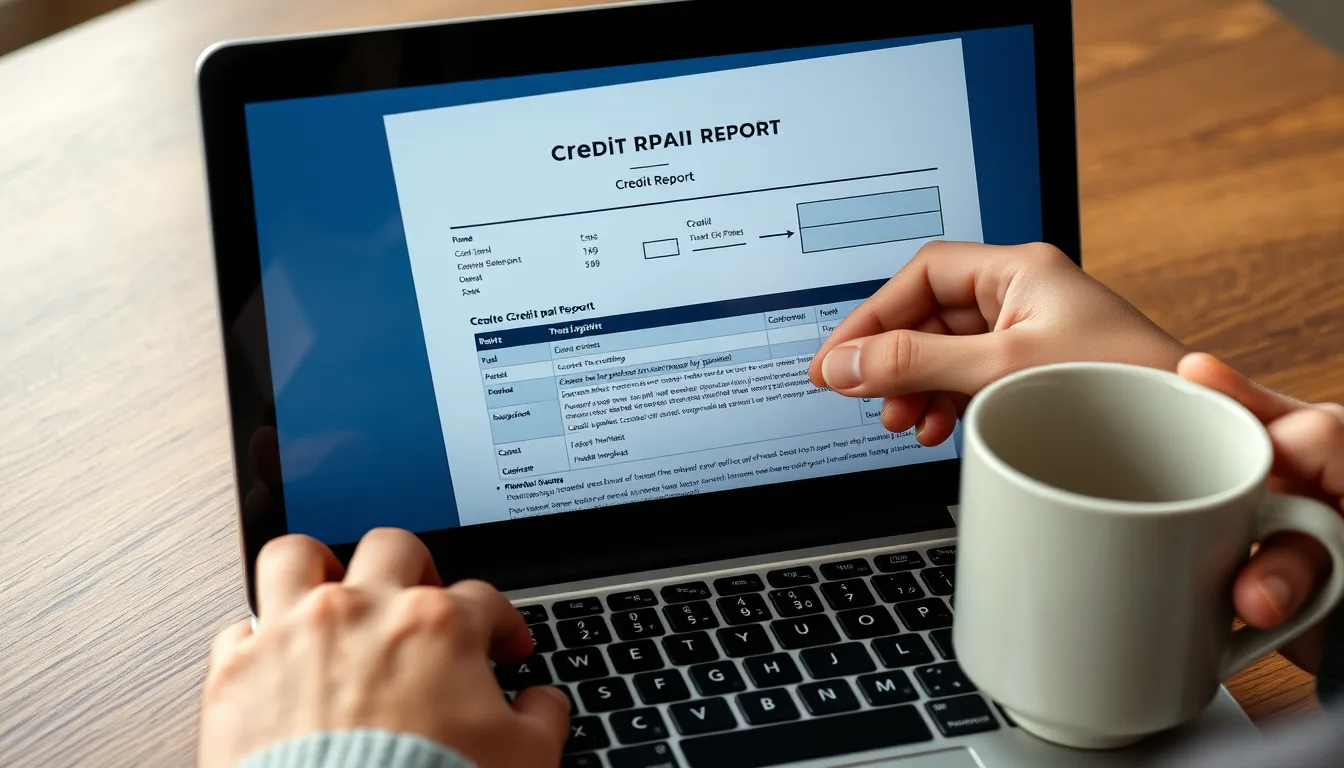
If you still want professional help after hearing all that, the process of finding a legitimate company requires some careful research. There's no magic keyword to type into Google, but there is a clear sequence of steps you should follow. Each one matters.
Step 1: Give this a second thought. The FTC's data shows that a huge percentage of credit reports contain errors — but experts argue about how many are truly damaging. Before you pay anyone, you need to know what's actually on your report. You can pull yours for free at AnnualCreditReport.com.
If you see errors, you're a candidate for help. If everything is accurate, no company in the world can help you.
Step 2: Look up the company's history. The best way to find a legitimate credit repair company is to look for a pattern of complaints. Search for the company name plus the words "complaint," "lawsuit," and "FTC." Check the CFPB's complaint database as well. If a company has multiple state or federal actions against them, move on.
A clean record isn't a guarantee, but a dirty one is a clear red flag.
Step 3: Demand to know exactly what they will do. A legitimate company will sit down with you, review your credit reports, and point to specific items they think they can dispute. If they say things like "we'll delete all your collections" without ever looking at your report, that's a scripted sales pitch, not a professional plan. You want a company that can tell you which items they're targeting and why.
Step 4: Get the fee structure in writing. Under the Credit Repair Organizations Act, you must receive a written contract before any work begins. It has to spell out the services, the total cost, and how long it will take. Legitimate companies charge monthly fees — typically $50 to $150 per month — and they don't bill you until the first disputes are actually filed.
Step 5: Read their cancellation policy. CROA also gives you the right to cancel within three days of signing without any penalty. After that, you can cancel anytime with written notice. If the contract doesn't clearly state this, or if the salesperson tries to pressure you into skipping the fine print, you're dealing with the wrong company.
Red Flags: How to Spot a Credit Repair Scam
You can do every step I just outlined and still feel uncertain. That's normal. When you're stressed about money, scammers know you're more likely to ignore red flags.
So here's a quick reference list designed to make the pattern jump out at you.
- They demand payment before doing anything. This is the most common illegal move. You cannot be charged until they've performed a service.
- They guarantee results. "We'll remove all negatives and your score will go up 100 points." No legitimate company can promise a specific outcome.
- They tell you not to contact the credit bureaus. This is a control tactic. You always have the right to dispute directly.
- They ask you for tricky statements. If they tell you to say you've been a victim of identity theft when you haven't, that's fraud.
- They can't explain what they do. If they use vague terms or push you to "trust the process," run the other way.
One of the most powerful protections you have is the Credit Repair Organizations Act. It gives you a written contract, a 3-day right to cancel, and a complete ban on upfront fees. If a company puts you in a situation where they're not following those rules, they're not legitimate.
What Does Credit Repair Actually Cost?
Let's talk real numbers. Most legitimate credit repair companies operate on a monthly subscription model. You'll typically see fees in the $50 to $150 per month range, with the average landing somewhere around $80 to $100.
Here's how that adds up: if you're paying $100 a month and it takes six months to work through the disputes, you're out $600. That's fine if the company's efforts lead to a better score, but it's worth knowing there's no guarantee. Even the best companies can only dispute items and hope the bureaus remove them.
Compare that to the DIY route. Pulling your reports is free, drafting a dispute letter takes about an hour, and the bureaus are legally required to investigate. You can file disputes online, by mail, or over the phone for literally zero dollars.
That's one reason I always encourage people to consider doing it themselves first.
Why Your Credit Score Might Drop Before It Goes Up
Here's a surprise that trips up a lot of people. A legitimate credit repair company starts the process by filing disputes. When you dispute an accurate-looking account, the credit bureaus may update the information — including refreshing the "last activity" date on a negative account.
This can cause your credit score to dip temporarily. A genuine late payment that's years old is less damaging than something that looks recent. When a dispute causes the data to be re-verified, the account status can get refreshed, and your score may drop a few points for a month or two.
This isn't a scam by the credit repair company; it's just a side effect of the dispute process. A good company will warn you about this before they start. If your company promises your score will only go up from day one, they're not being straight with you.
That's another red flag to add to the list.
How to Pay Down Credit Card Debt Fast While You Work on Your Credit
How to Pay Down Credit Card Debt Fast (The Methods That Actually Work)
Let's be real: credit repair is only half the battle. If you're carrying thousands of dollars in credit card debt, fixing your score won't matter if your utilization is sky-high. The two go hand in hand.
So how do you pay down credit card debt fast without living on nothing but rice and beans?
There are two time-tested approaches: the debt avalanche and the debt snowball. With the avalanche, you pay the minimum on everything and throw all your extra cash at the card with the highest interest rate. With the snowball, you target the smallest balance first so you get quick wins and build momentum.
Both work — the avalanche saves more money on interest, but the snowball keeps you motivated.
The mathematically smartest play is the avalanche, because credit card interest rates are rarely under 20% today. But the emotionally smarter play for you depends on your personality. If you're the type who quits when results are slow, snowball might save your budget in the long run.
How to Pay Down Credit Card Debt Quickly (Without Burning Out)
If you want to accelerate the process, start making payments twice a month instead of once. Credit card interest compounds daily, so every time you make a payment, you shrink the balance that the interest is calculated on. Paying half your bill every two weeks can reduce your total interest charges more than you'd think.
Another underrated trick is to ask for a lower interest rate. Call your credit card company, explain your situation, and ask if they can reduce your APR. Many will offer a temporary hardship rate if you have a decent payment history.
A single phone call can save you hundreds of dollars over the course of a year.
You can also look into a balance transfer card with a 0% intro APR, but read the fine print. Most charge a 3% to 5% transfer fee, and the promo rate usually lasts 12 to 18 months. If you don't pay off the balance in that window, the remaining debt picks up the standard interest rate, which can be brutal.
When to Consider Paying a Pro (And When It's a Waste)
So can credit repair companies really fix your credit? In the limited ways we've discussed, the answer is yes. But the bigger question is whether paying someone is worth it for you specifically.
Here's how to decide.
Hiring a pro makes sense when you've already pulled your reports, you've identified real errors, and you simply don't have the time or emotional energy to manage the back-and-forth with three credit bureaus. If you're dealing with a spooky issue like identity theft — where you need to file reports with the FTC and the police — a good service can be genuinely valuable.
It's a waste of money if you have no errors on your report or if you're trying to remove accurate negative items. No amount of money will make those go away before their legal reporting time limit — which is 7 years for most negative items and 10 years for a Chapter 7 bankruptcy.
DIY Credit Repair: The Smartest First Move
You've heard me say it a few times now, but here's the core message: you have the power to do this yourself. The tools are free, and the process is protected by federal law. If you want to learn the ins and outs, start by reading how to dispute errors on your credit report.
That guide walks you through the exact process, including what to write and where to send it.
When you file a dispute yourself, you're exercising your rights under the FCRA. The credit bureaus must investigate and respond — usually within 30 days. If they fail to verify the disputed item with the creditor, federal law says they have to remove it from your file.
This is the exact same work a paid credit repair company does. The only difference is that they know the FCRA rules and legal terminology better than the average person. But once you read a few guides and templates, you'll be surprised how simple the whole process is.
Removing Collections: What Actually Works
Collection accounts are one of the biggest score killers, and they're also one of the most misunderstood. If you have a collection on your report, you should read the detailed breakdown of how to remove collections from credit report. It covers the legal options and the practical steps in depth.
In short, you have a few paths. You can dispute the collection if you genuinely don't recognize the debt or if the collection agency can't validate it. You can negotiate a “pay for delete” agreement, where the collection agency agrees to remove the account from your report in exchange for payment.
This isn't guaranteed — some agencies won't do it — but it costs nothing to ask.
You can also write a goodwill letter to the original creditor asking for a break if you've paid off the debt and want the collection recalled. Credit decisions are made by humans, and approachable, polite letters have been known to work.
How to Read Your Credit Report First
Before you can decide between hiring a pro or going alone, you need to understand what you're looking at. How to read your credit report is your starting point. Your credit report is a detailed statement of your financial history, and knowing its four main sections helps you spot problems quickly.
The personal information section lists your name, addresses, and employers. The accounts section is where the real action happens — you'll see every open and closed account, your payment history, and your outstanding balances. Then there's the inquiries section, which shows every company that recently accessed your file.
Finally, there's the public records section, which covers bankruptcies and judgments.
When you're reviewing each section, look for anything that doesn't match up. An account you never opened, a balance that seems far too high, or a late payment you're sure was on time. Those are the issues a legitimate credit repair company would target — and the ones you can dispute yourself.
What to Do If You've Already Been Scammed
If you came to this article after getting burned by a credit repair company, I'm sorry. That's frustrating, and the money you paid for a service you never received only adds insult to injury. But you have options, and the sooner you act, the better.
First, report the company to the FTC at ReportFraud.ftc.gov and to the Consumer Financial Protection Bureau at consumerfinance.gov/complaint. These federal agencies don't resolve individual disputes directly, but every complaint helps them build cases against repeat offenders. State Attorneys General also investigate credit repair companies, so filing a complaint there is a step in the right direction.
Second, you can dispute the charges with your bank or credit card issuer. If you paid with a credit card, the Fair Credit Billing Act gives you a path to fight illegitimate charges. Explain that you paid for services that were never rendered.
The card issuer will investigate, and you have a real chance of a refund.
Finally, remember that a fresh start is possible regardless of your credit score. Your value as a person has nothing to do with a three-digit number. You have the tools to rebuild, and you don't need to let a scam artist stop you from doing it.
Key takeaways
- Legitimate credit repair companies dispute inaccurate information; they cannot remove accurate negative items from your report under federal law.
- The Credit Repair Organizations Act bans upfront fees, guarantees a written contract, and gives you three days to cancel — so avoid any company that doesn't follow these rules.
- You can do most of the work yourself for free by pulling your reports from AnnualCreditReport.com and disputing errors directly with the three bureaus.
- Paying off credit card debt and disputing errors go together; ask about credit card hardship programs and make extra payments to lower your utilization.
- If a company promises to fix your report quickly, charges you upfront, or asks you to lie about fraud, walk away — and report them to the FTC.
- Your credit history isn't your life story, and a clean score is more about time and consistency than magic tricks.
Frequently asked questions
Can credit repair companies remove accurate negative items from my credit report?
How much does a legitimate credit repair company charge?
How long does credit repair take to work?
What should I do if a credit repair company asks for money upfront?
Do credit repair agencies actually have insider tricks to boost credit scores?
This article is for general informational purposes only and does not constitute financial, legal or credit-repair advice. Always consult a qualified financial advisor or credit counselor about your specific circumstances.

Written & reviewed by
Can OTUEditor
Can OTU is the editor of this site, curating and reviewing every guide for accuracy and clarity.
View all guides →