How to Dispute Your Credit Report: A Step-by-Step Guide
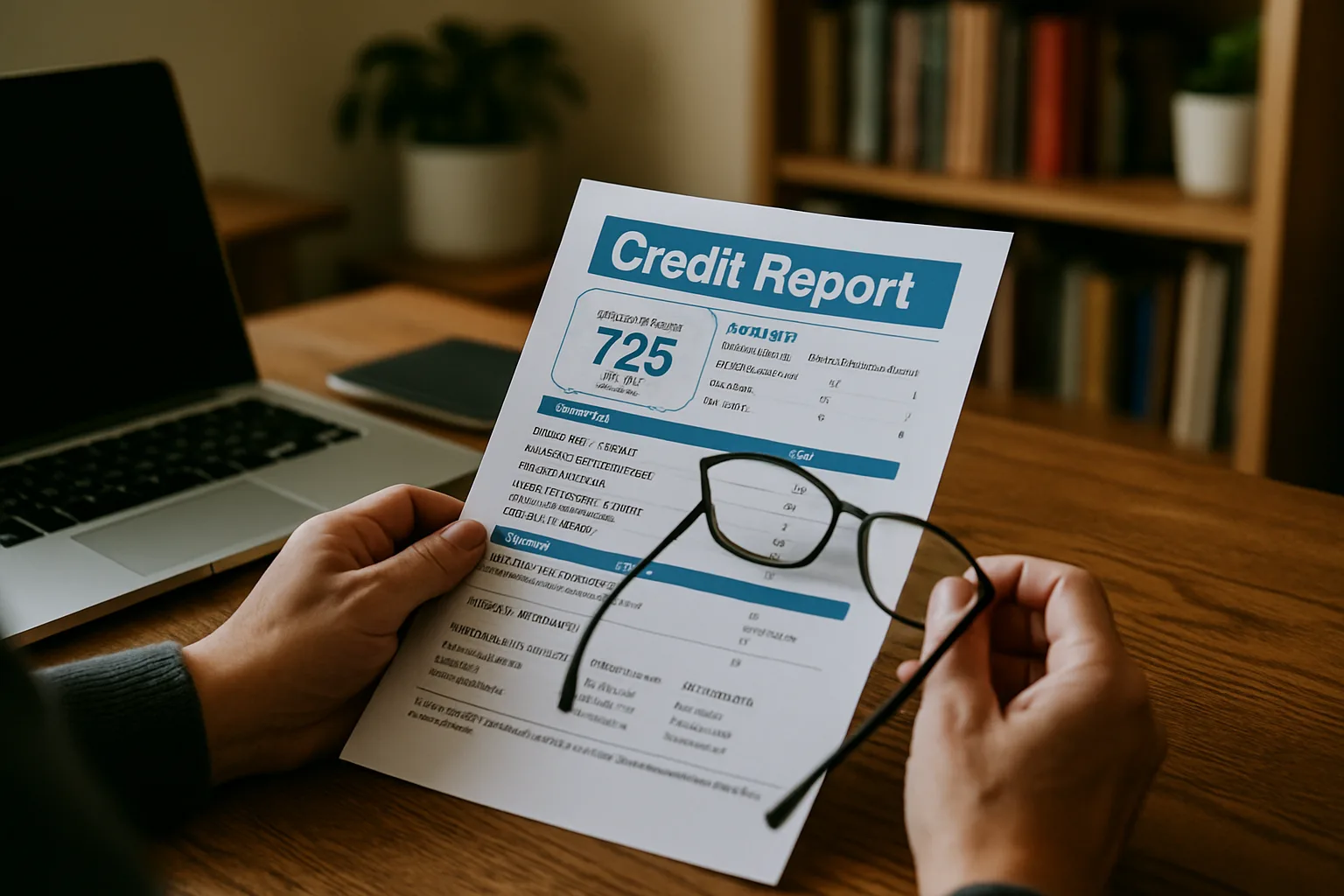
- You can dispute errors for free online, by phone, or by mail.
- Include copies of documents that prove the error (not originals).
- If the bureau confirms the error, it must be corrected or removed.
Your credit report is a record of your financial history. Lenders, landlords, and even employers use it to decide whether to work with you. But mistakes happen.
A 2021 study by the Federal Trade Commission found that one in five consumers had an error on at least one of their credit reports. If you've ever found something wrong—like a collection account you don't recognize or a late payment you know you paid on time—you're not alone. The good news is you have the right to dispute those errors and get them fixed.
This guide walks you through how to dispute your credit report, step by step. Whether you're trying to remove collections from your credit report or fix a simple clerical mistake, the process is the same. We'll cover everything from pulling your reports to writing a dispute letter and what to do if the dispute doesn't go your way.
Remember, this is general information, not financial advice. If you're in a tough spot, consider talking to a nonprofit credit counselor.
Let's start with the basics: what exactly can you dispute?
What Can You Dispute on Your Credit Report?
You can dispute any information you believe is inaccurate, incomplete, or unverifiable. Common errors include:
- Accounts that don't belong to you (identity theft or mixed files)
- Incorrect account status (e.g., showing open when it's closed)
- Wrong balance or credit limit
- Duplicate accounts (same debt listed twice)
- Outdated negative items (most negative info falls off after 7 years)
- Collection accounts you never had or that were paid
- Late payments you actually made on time
If you're specifically wondering how to remove paid collections from your credit report, you can dispute them if the information is incorrect—like a wrong date or amount. But if the collection is accurate, even if paid, it may stay for 7 years from the original delinquency. In that case, you might ask the collector for a "pay for delete" agreement (though they aren't required to agree).
How to Get Your Free Credit Reports
Before you can dispute, you need to see what's on your reports. You're entitled to one free report every 12 months from each of the three major credit bureaus—Equifax, Experian, and TransUnion—through AnnualCreditReport.com. That's the official site authorized by federal law.
During the pandemic, the bureaus offered free weekly reports; that program has ended, but you can still get free reports if you've been denied credit, are unemployed and looking for work, or receive public assistance. Some states also give you extra free reports.
When you get your reports, review each one carefully. Look for accounts you don't recognize, incorrect personal information, or negative marks that seem wrong. For a detailed walkthrough, check out our guide on how to read your credit report.
Step 1: Identify the Errors
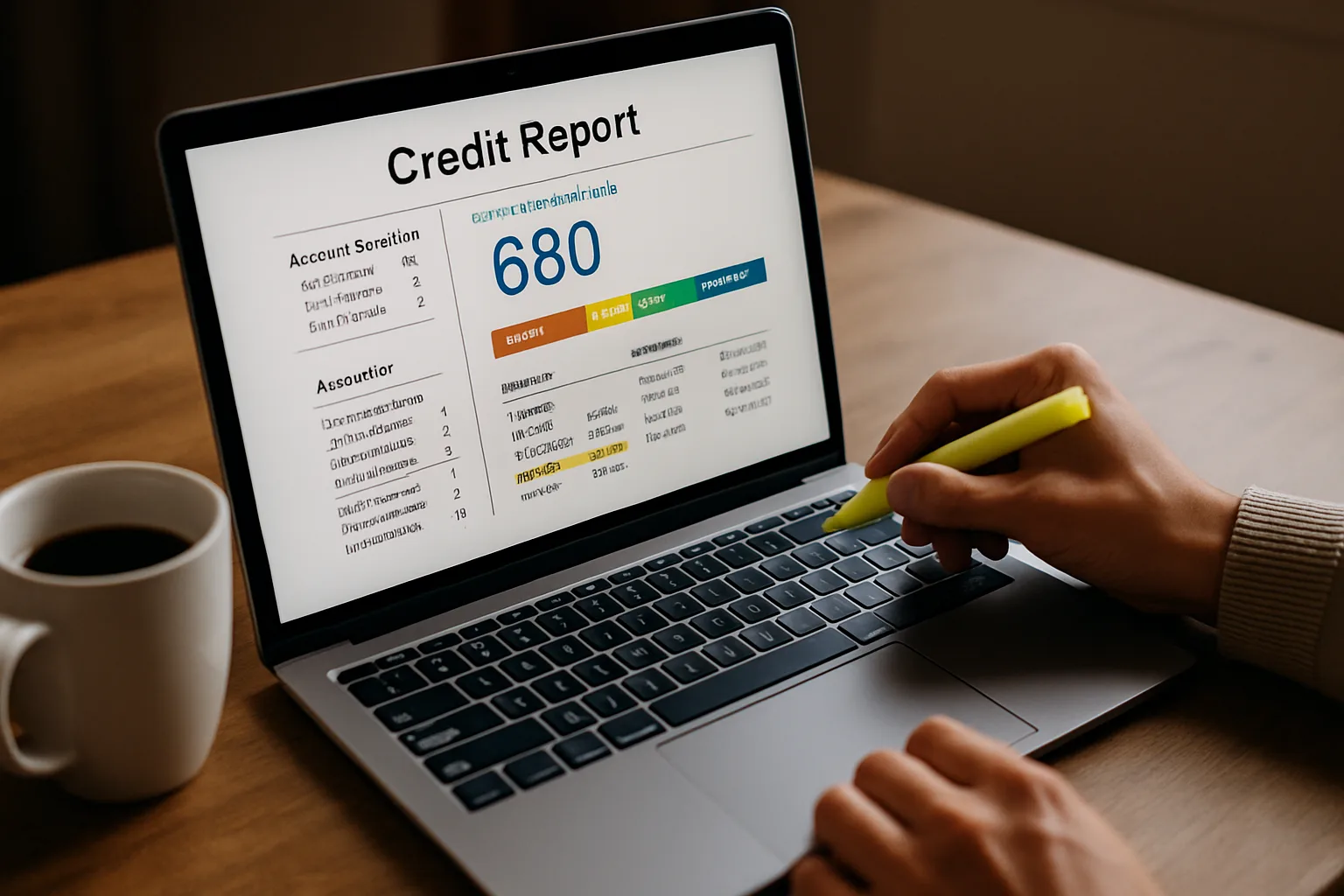
Go through each report line by line. Highlight anything that looks off. Common red flags:
- A collection account from a debt you never had
- A late payment on an account you always paid on time
- An account that's older than 7 years (for negative items) or 10 years (for bankruptcies)
- A wrong balance or credit limit
- An incorrect name, address, or Social Security number
Make a list of every error you find. You'll need to dispute each one separately, though you can group multiple errors on the same report in one dispute.
Step 2: Gather Your Evidence
For each error, collect documents that prove your side. Examples:
- Bank statements showing a payment was made
- A letter from the original creditor confirming the debt was paid
- A police report if the account is from identity theft
- A copy of your driver's license or utility bill to prove your address
Never send original documents—only copies. Keep a file of everything you submit.
Step 3: Choose How to Dispute
You have three options to contest credit report errors:
| Method | Pros | Cons |
|---|---|---|
| Online | Fast, easy, you can upload documents | May limit your explanation to drop-down menus |
| Mail (certified) | You can write a detailed letter, have proof of delivery | Takes longer, need to mail copies |
| Phone | Quick for simple errors | No paper trail, harder to provide evidence |
For most people, online is the easiest. But if you have a complex dispute, a certified letter gives you more control. We'll cover both methods below.
Step 4: Submit Your Dispute to the Credit Bureau
You need to dispute with each bureau that shows the error. If the same error appears on all three reports, you must file with each one separately. Here's how:
How to Dispute Online
- Go to the bureau's dispute page: Equifax, Experian, or TransUnion.
- Create an account or log in (you'll need your Social Security number and details from your report).
- Select the item you want to dispute and explain why it's wrong.
- Upload your supporting documents.
- Submit and keep the confirmation number.
How to Dispute by Mail
Write a dispute letter. Include your full name, address, and a copy of your credit report with the error circled. Clearly state what's wrong and why.
Attach copies of your evidence. Send it via certified mail with return receipt requested to the bureau's address (find it on their website).
Sample letter structure:
Dear [Bureau Name],
I am disputing the following item on my credit report: [Account name, account number, and the specific error]. This information is incorrect because [explain why]. Enclosed are copies of documents that support my claim. Please investigate and correct or remove this item. Thank you.
If you're trying to remove a collection from your credit report, make sure to mention that the collection is inaccurate or unverified.
Step 5: Wait for the Investigation (Up to 30 Days)
The credit bureau must investigate your dispute within 30 days (45 days if you send additional information after filing). They'll forward your dispute to the company that provided the information (the "furnisher"), like a lender or collection agency. That company must investigate and report back.
If the furnisher confirms the information is correct, the bureau will keep it on your report. If they can't verify it or find it's wrong, the bureau must correct or delete it. You'll get the results in writing.
What If the Dispute Is Denied?
If the bureau says the information is accurate, you have options:
- Ask the bureau for a statement of dispute to be added to your file (100 words or less).
- Contact the furnisher directly and dispute with them.
- File a complaint with the Consumer Financial Protection Bureau (CFPB).
- Consider working with a reputable credit repair company if the process feels overwhelming.
You can also try disputing again with new evidence. Sometimes a second attempt works if you provide stronger documentation.
How to Dispute Collections Specifically
Collections are one of the most common errors. If you want to know how to get collections removed from your credit report, here's the key: the collection must be accurate and verifiable. If it's not yours, or if the debt is too old (past the statute of limitations), you have strong grounds for removal.
For paid collections, the rules are the same. Even if you paid, the collection can stay for 7 years from the original delinquency. But if the collection agency can't verify the debt, you can get it removed.
That's why it's worth disputing even paid collections—many times the agency doesn't have the paperwork.
For a deeper dive, see our article on how to remove collections from credit report.
How Long Does a Dispute Take?
By law, the bureaus must complete the investigation within 30 days. In practice, many disputes are resolved in 2–3 weeks. If you mail your dispute, add a week for delivery.
If the dispute is complex or the furnisher takes longer, it can stretch to 45 days.
Once the bureau makes a decision, they'll mail you the results. If the item is removed, you'll get an updated credit report. You can also check online for updates.
What Happens After a Dispute?
If the dispute is successful, the error is corrected or deleted. The bureau must send you a free copy of your updated report. They also notify the other bureaus if you ask.
If the dispute is denied, the item stays. But you can add a 100-word statement to your report explaining your side. Future lenders will see it, though it doesn't change your score.
Remember, disputing doesn't hurt your credit score. The bureaus can't penalize you for exercising your rights.
Common Mistakes to Avoid
- Disputing accurate information: If the item is correct, disputing won't remove it and may waste time.
- Not sending enough evidence: The more proof you have, the better your chances.
- Disputing the same item multiple times without new evidence: Bureaus may reject frivolous disputes.
- Using a credit repair company that promises to remove everything: Be wary of scams.
When to Get Professional Help
If you have many errors or the process feels overwhelming, consider a nonprofit credit counselor. They can help you for free or low cost. For complex cases like identity theft, you may want a lawyer.
Credit repair companies can also help, but they charge fees and can't do anything you can't do yourself. Always check their reputation with the Better Business Bureau before signing up.
How to Prevent Future Errors
Check your credit reports at least once a year. Set up fraud alerts if you've been a victim of identity theft. Pay your bills on time and keep your credit utilization low.
The fewer accounts you have, the fewer chances for errors.
If you want a full walkthrough of the dispute process from start to finish, read our guide on how to dispute errors on your credit report.
Understanding the Credit Bureau Investigation Process
When you file a dispute, the credit bureau initiates an investigation. They contact the furnisher—the company that reported the information—to verify its accuracy. The furnisher must respond within 30 days, or the item must be removed.
During this time, the bureau may place a note on your report indicating the item is under dispute. This note doesn't affect your credit score, but it alerts anyone pulling your report that the information is being challenged.
If the furnisher fails to respond, the bureau must delete the disputed item. This is a common reason why disputes succeed, especially for old debts with incomplete records.
How to Dispute Errors with the Furnisher Directly
You can also dispute errors directly with the furnisher, such as a bank or collection agency. This is often faster because you skip the bureau's forwarding process. The furnisher must investigate under the Fair Credit Reporting Act.
Write a letter to the furnisher explaining the error. Include copies of your evidence and request they correct the information with all three credit bureaus. Send it via certified mail for proof of delivery.
If the furnisher corrects the error, they must notify each bureau that received the incorrect data. This can resolve the issue on all your reports at once, saving you time.
What to Do If You Find Identity Theft on Your Credit Report
Identity theft is a serious issue that requires immediate action. If you see accounts or inquiries you didn't authorize, start by placing a fraud alert on your credit reports. This alerts lenders to verify your identity before opening new accounts.
Next, file a report with the Federal Trade Commission at IdentityTheft.gov. This creates an identity theft report that you can use to dispute fraudulent accounts. Also file a police report with your local department for added protection.
When disputing identity theft errors, include a copy of your FTC identity theft report. The bureau must block the fraudulent information from appearing on your report. This process is faster than standard disputes and has no time limit for removal.
How to Dispute Errors on Your Credit Report After a Bankruptcy
Bankruptcy information can be reported for up to 10 years from the filing date. If you see a bankruptcy listed after that period, you can dispute it as outdated. Also check for accounts included in the bankruptcy that still show a balance.
Gather your bankruptcy discharge papers as evidence. These documents prove which debts were discharged. If a discharged debt still appears as owed, the bureau must remove or update it.
Dispute these errors using the same process as other inaccuracies. Include a copy of your discharge order with your dispute letter. The furnisher must verify the information or delete it.
How to Dispute Errors on Your Credit Report That Affect Your Score
Some errors have a bigger impact on your credit score than others. Late payments, collections, and high credit utilization can drop your score significantly. Focus on disputing these first to see the fastest improvement.
For example, a late payment that's incorrectly reported can cost you 50–100 points. If you have proof of on-time payment, disputing it can quickly raise your score. Similarly, a collection account that doesn't belong to you can drag down your score for years.
Prioritize disputes that will have the greatest positive effect on your credit. Use your credit report to identify which errors are hurting your score the most. Then tackle them in order of impact.
How to Dispute Errors on Your Credit Report with a Credit Repair Company
If you find the process too time-consuming, a credit repair company can handle disputes for you. These companies charge monthly fees, typically $50–$150, to manage the process. They can't do anything you can't do yourself, but they save you effort.
Before hiring a company, research their reputation. Check the Better Business Bureau for complaints and read online reviews. Avoid companies that promise to remove accurate information or ask for payment before providing services.
Remember, you have the right to dispute errors for free. A credit repair company is a convenience, not a necessity. If you decide to use one, get all terms in writing and monitor your credit reports yourself.
How to Dispute Errors on Your Credit Report After a Debt Settlement
Debt settlement can leave marks on your credit report. If you settled a debt for less than the full amount, the account may show as "settled" or "paid in full." These notations are accurate and generally can't be removed.
However, if the settlement was reported incorrectly—such as showing a balance still owed—you can dispute it. Gather your settlement agreement and proof of payment as evidence. The bureau must correct any inaccuracies.
If the settlement was part of a larger debt management plan, check that all accounts are updated correctly. Sometimes creditors fail to update multiple accounts after a settlement. Dispute any errors to ensure your report reflects your true financial status.
How to Dispute Errors on Your Credit Report for a Deceased Person
If you're handling the estate of a deceased person, you may need to dispute errors on their credit report. Accounts that should be closed or marked as "deceased" may still appear as active. This can affect the estate's ability to settle debts.
To dispute, send a copy of the death certificate to each credit bureau. Include a letter explaining which accounts need updating. The bureaus must mark the accounts as "deceased" or remove them if they don't belong to the estate.
You can also contact the furnishers directly with the death certificate. This can speed up the process and ensure all reports are updated. Keep copies of all correspondence for your records.
How to Dispute Errors on Your Credit Report After a Divorce
Divorce can complicate your credit report. Joint accounts may still appear as active even after a divorce decree assigns them to your ex-spouse. You can dispute these if the accounts are incorrectly reported as yours alone.
Gather your divorce decree and any court orders as evidence. These documents show which accounts were assigned to your ex-spouse. Send copies to the credit bureaus with a dispute letter explaining the situation.
The bureaus must investigate and update the accounts. If the furnisher confirms the account belongs to your ex-spouse, it should be removed from your report. This can help you rebuild credit independently after a divorce.
How to Dispute Errors on Your Credit Report for Medical Bills
Medical bills are a common source of credit report errors. Insurance disputes or billing mistakes can lead to incorrect collection accounts. You can dispute these if the bill was paid by insurance or if you never received the service.
Collect your insurance explanation of benefits (EOB) and receipts as evidence. These documents show what was paid and what you owe. Include them with your dispute to prove the error.
Medical collections under $500 are no longer included in credit scores under newer scoring models. However, they can still appear on your report. Dispute any inaccuracies to ensure your report is clean and accurate.
How to Dispute Errors on Your Credit Report for Student Loans
Student loan errors can include incorrect balances, wrong payment statuses, or loans that were discharged. For example, a loan discharged due to disability or closed school may still show as active. You can dispute these with proof of discharge.
Gather your loan discharge documents or payment history as evidence. If you consolidated loans, check that the old loans are marked as closed. Dispute any duplicates or incorrect statuses with the credit bureaus.
Student loan servicers must respond to disputes within 30 days. If they fail to verify the information, the bureau must remove the error. This can improve your credit score and simplify your financial records.
How to Dispute Errors on Your Credit Report for Authorized User Accounts
If you're an authorized user on someone else's credit card, their activity appears on your report. Errors can include incorrect balances or late payments that aren't yours. You can dispute these if the primary account holder made the mistake.
Gather statements showing the account activity. If you didn't make the late payment, explain that you're only an authorized user. The bureau must investigate and correct the error.
If the primary account holder has poor credit, you can request to be removed as an authorized user. This stops the account from affecting your report. Disputing errors is a faster way to fix specific inaccuracies without losing the benefit of the account.
How to Dispute Errors on Your Credit Report for Closed Accounts
Closed accounts should show as "closed" on your credit report. If a closed account still appears as open, it can affect your credit utilization. Dispute this error to ensure your report is accurate.
Gather your account closure confirmation or statements showing the final balance. Send these to the credit bureau with a dispute letter. The furnisher must verify the account status or update it.
Closed accounts in good standing stay on your report for 10 years. They can help your credit history length. Correct any errors to maintain their positive impact.
How to Dispute Errors on Your Credit Report for Inquiries
Hard inquiries occur when you apply for credit. If you see an inquiry you didn't authorize, you can dispute it. This is often a sign of identity theft or a mistake by the lender.
Gather your application records to prove you didn't apply. If the inquiry is from a company you don't recognize, dispute it as unauthorized. The bureau must investigate and remove it if it's invalid.
Unauthorized inquiries can lower your credit score slightly. Removing them can help your score recover. Always check your report for inquiries you didn't initiate.
How to Dispute Errors on Your Credit Report for Public Records
Public records like judgments, liens, and bankruptcies can appear on your credit report. If these are outdated or incorrect, you can dispute them. For example, a judgment that was paid should be marked as satisfied.
Gather court documents showing the correct status. Send these to the credit bureau with your dispute. The bureau must verify the information with the court and update your report.
Public records can have a major impact on your credit. Correcting errors in this area can significantly improve your score. Always check for outdated or incorrect public records.
How to Dispute Errors on Your Credit Report for Employment Background Checks
Employers may check your credit report for certain jobs. Errors on your report can affect your job prospects. Dispute any inaccuracies to ensure your report is accurate for background checks.
If you're applying for a job, review your credit report beforehand. Dispute any errors that could hurt your chances. The bureau must investigate and correct the information.
Employers see a modified version of your credit report. They don't see your credit score. Focus on disputing negative items like collections or late payments that could raise concerns.
Key takeaways
- You can dispute errors on your credit report for free with Equifax, Experian, and TransUnion.
- Always gather evidence before disputing—copies of documents, not originals.
- Online disputes are fastest; mail disputes give you more control.
- Bureaus must investigate within 30 days (45 if you send extra info).
- If a dispute is denied, you can add a statement or dispute with the furnisher directly.
Frequently asked questions
How long does a credit report dispute take?
Can I dispute a collection that I already paid?
Will disputing my credit report hurt my score?
What if the credit bureau says my dispute is frivolous?
Can I dispute directly with the collection agency instead of the credit bureau?
This article is for general informational purposes only and does not constitute financial, legal or credit-repair advice. Always consult a qualified financial advisor or credit counselor about your specific circumstances.

Written & reviewed by
Can OTUEditor
Can OTU is the editor of this site, curating and reviewing every guide for accuracy and clarity.
View all guides →