Credit Freeze vs Credit Lock: What Is the Difference?
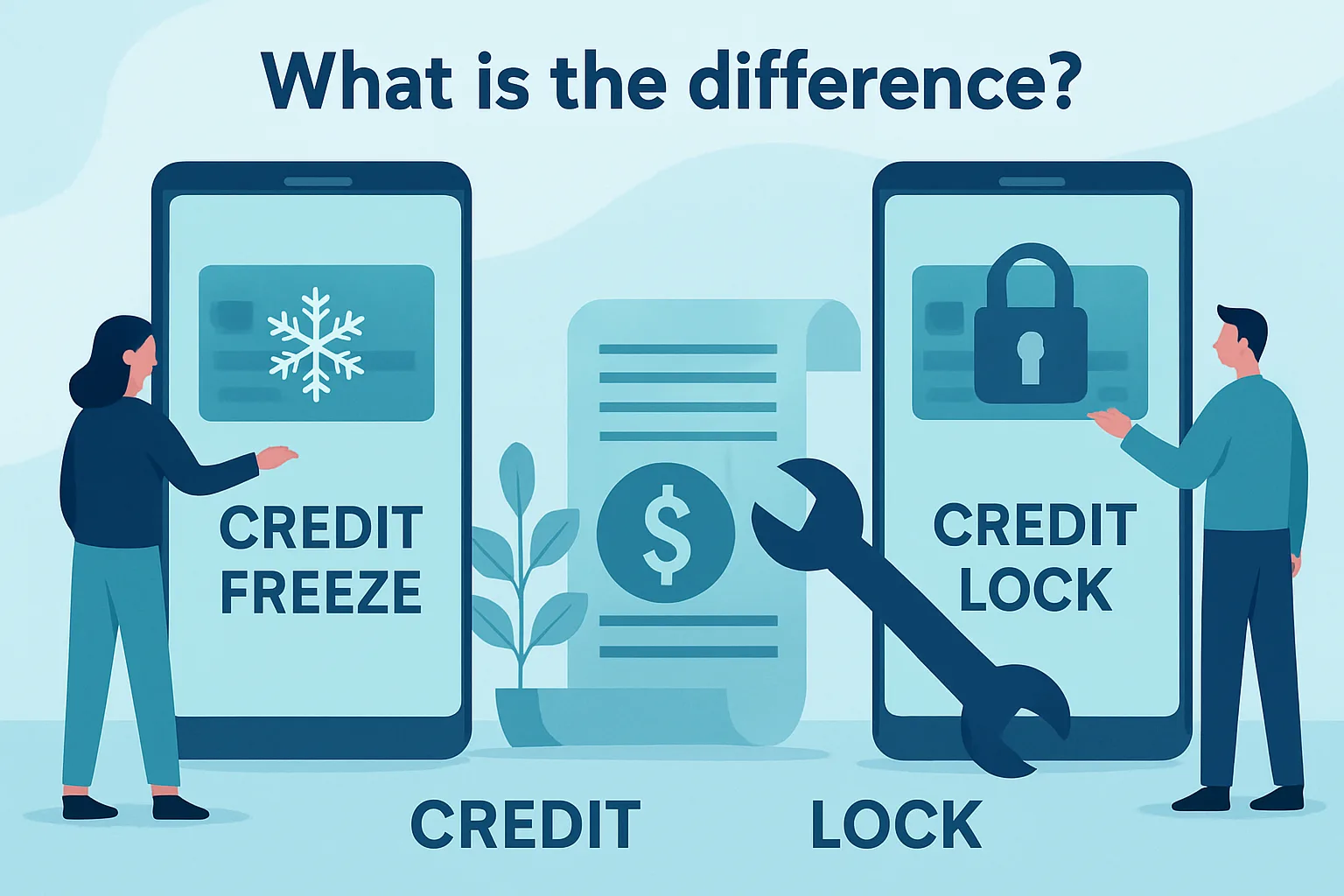
- Credit freezes are free and governed by federal law; credit locks are subscription services with terms set by the bureaus.
- Both prevent new accounts from being opened in your name, but a freeze offers stronger legal safeguards.
- You can lift a freeze temporarily for free; locks can be turned on/off via app but may have fees.
If you've ever worried about identity theft or someone opening a credit card in your name, you've probably heard about credit freezes and credit locks. They sound similar, and they both aim to protect your credit, but they work in different ways. Understanding the distinction is crucial because choosing the wrong one could leave you with less protection or unexpected costs.
This article will walk you through what each tool does, how they compare, and which one might be right for your situation. We'll cover costs, legal protections, ease of use, and practical steps to set them up. By the end, you'll have a clear picture of how to safeguard your credit without confusion.
Remember, this information is for educational purposes and does not constitute financial advice. Always consider your personal circumstances and consult a professional if needed.
What Is a Credit Freeze?
A credit freeze (also called a security freeze) is a free tool that restricts access to your credit report. When a freeze is in place, lenders and other companies cannot view your credit report unless you lift the freeze. This prevents anyone from opening new accounts in your name because the lender can't check your creditworthiness. For example, if a thief tries to open a store credit card using your Social Security number, the retailer's application system will be blocked from pulling your credit report, and the application will be denied automatically. Similarly, if someone attempts to take out a car loan in your name, the auto lender will hit a wall when they try to verify your credit history, stopping the fraud before it starts.
Credit freezes are regulated by federal law (the Fair Credit Reporting Act) and are available at all three major credit bureaus: Equifax, Experian, and TransUnion. You must place a freeze separately with each bureau. This means you'll need to go through three distinct processes, each requiring your personal information and a PIN or password for future changes. The federal law ensures that bureaus must respond to your freeze request within one business day, and often within 15 minutes if you use their online portals or phone systems.
Key features of a credit freeze:
- Free: You cannot be charged to place, temporarily lift, or permanently remove a freeze. This is a legal right under federal law, so no bureau can demand payment for this service.
- Strong legal protection: Federal law requires bureaus to honor freezes promptly and provides recourse if they fail. If a bureau accidentally releases your report while a freeze is active, you may have grounds to sue for damages.
- Requires separate action per bureau: You must contact Equifax, Experian, and TransUnion individually. This can be done online, by phone, or by mail, but each bureau maintains its own system and PIN.
- Lifting takes planning: When you need to apply for credit, you must lift the freeze (temporarily or permanently) in advance, which can take up to an hour or more online. For instance, if you're planning to apply for a mortgage next week, you should lift the freeze a day or two ahead to ensure the lender can access your report without delays.
What Is a Credit Lock?
A credit lock is a service offered by the credit bureaus that also restricts access to your credit report, but it works differently from a freeze. Locks are typically part of a paid subscription service (like Equifax Lock & Alert, Experian CreditLock, or TransUnion Credit Lock) that may include additional monitoring features. For example, Equifax Lock & Alert offers a free basic lock, but their paid plans, starting at $9.95 per month, include credit monitoring and identity theft insurance. Experian CreditLock is bundled with Experian IdentityWorks, which costs $9.99 per month and provides dark web surveillance and fraud alerts.
With a lock, you can often turn access on and off instantly using a mobile app or website. This convenience comes at a cost—usually a monthly or annual fee. Importantly, credit locks are not regulated by federal law; instead, they are governed by the terms of service you agree to with the bureau. This means if the bureau changes its policies or experiences a data breach, your recourse is limited to what's written in the contract. For instance, if a glitch in the app accidentally unlocks your credit report, you might not have the same legal protections as you would with a freeze.
Key features of a credit lock:
- May have a fee: Many locks are part of paid plans, though some bureaus offer a basic lock for free. For example, TransUnion offers a free credit lock through its Credit Lock feature, but you'll need to sign up for an account.
- Instant control: You can lock and unlock your credit report with a tap or click. This is ideal if you're applying for multiple loans in a short period, like when shopping for a car loan over a weekend.
- Terms set by the bureau: The bureau can change the terms or discontinue the service at any time. If you rely on a lock for years, you might wake up one day to find the service has been modified or ended.
- Typically includes extras: Locks often come with credit monitoring, identity theft insurance, or fraud alerts. For example, Experian CreditLock includes alerts whenever your credit report is accessed, giving you real-time notifications.
Credit Freeze vs Credit Lock: Side-by-Side Comparison
| Feature | Credit Freeze | Credit Lock |
|---|---|---|
| Cost | Free | Often $10–$30/month per bureau |
| Legal protection | Federal law (FCRA) | Terms of service (weaker) |
| Ease of use | Requires separate login per bureau; lift can take up to 1 hour | Usually instant via app or website |
| Bureau coverage | Must freeze each bureau separately | Must lock each bureau separately (unless bundled) |
| Additional features | None | Often includes monitoring, alerts, insurance |
| Duration | Until you remove it | Until you unlock or cancel service |
How Do They Protect Against Identity Theft?
Both a credit freeze and a credit lock prevent new accounts from being opened in your name by blocking access to your credit report. However, they do not protect against all types of identity theft. For example, they won't stop someone from using your existing credit cards or from committing tax fraud or medical identity theft. Imagine a scenario where a thief steals your wallet and uses your existing credit card to make purchases—neither a freeze nor a lock will block that transaction because the card is already active. Similarly, if someone files a fraudulent tax return using your Social Security number to claim a refund, your credit freeze won't stop that because the IRS doesn't check your credit report for tax filings.
For comprehensive protection, you should also monitor your bank and credit card statements regularly, use strong passwords, and consider placing a fraud alert on your credit file. A fraud alert tells lenders to take extra steps to verify your identity before opening new accounts, but it does not block access to your report. For instance, if you place a fraud alert, a lender might call you to confirm your identity before approving a new credit card application, but they can still view your credit report. This makes fraud alerts a lighter form of protection compared to freezes or locks.
If you suspect you are a victim of identity theft, you can also file a report with the Federal Trade Commission at IdentityTheft.gov. The FTC will provide you with a recovery plan and a personal recovery checklist. For example, if you discover unauthorized accounts on your credit report, the FTC's site can guide you through disputing those accounts with the bureaus and filing a police report.
Which Is More Secure: Freeze or Lock?
From a legal standpoint, a credit freeze is more secure because it is backed by federal law. The Fair Credit Reporting Act requires credit bureaus to place, lift, or remove a freeze within one business day (and often within 15 minutes if done online or by phone). If a bureau fails to comply, you have legal recourse. For example, if you request a freeze and the bureau doesn't implement it within the required timeframe, you could sue for damages, including actual losses and attorney fees. This legal safety net provides peace of mind that your protection is enforceable.
With a credit lock, the terms are set by the bureau. If the bureau experiences a data breach or system glitch, your lock could be compromised, and your legal options may be limited to what's in the service agreement. For instance, in 2017, Equifax suffered a massive data breach that exposed the personal information of 147 million people. If you had a credit lock with Equifax at that time, your lock might have been ineffective because the breach compromised the very system meant to protect you. With a freeze, you would have had stronger legal protections under the FCRA to hold Equifax accountable.
Additionally, because locks can be turned on and off instantly, there is a higher risk of accidental unlocking or unauthorized changes if your account is hacked. Imagine a scenario where a hacker gains access to your credit lock app through a phishing attack—they could unlock your report and allow a fraudulent application to proceed before you even notice. With a freeze, the process is slower and requires your PIN, making it harder for hackers to exploit.
That said, for most people, both tools provide strong protection against new-account fraud. The main trade-off is between legal protection and convenience.
How to Set Up a Credit Freeze
Setting up a credit freeze is straightforward. You need to contact each of the three major credit bureaus individually. You can do this online, by phone, or by mail. You'll need to provide your name, address, date of birth, Social Security number, and possibly other identifying information, such as a copy of your driver's license or utility bill to verify your identity. For example, when freezing your credit with Experian online, you'll be asked to create an account, answer security questions based on your credit history, and then choose a PIN.
Here are the links to each bureau's freeze page:
Once you place a freeze, you'll receive a PIN or password that you'll need to lift or remove the freeze. Keep this information safe. If you lose it, you can request a new one, but it may take longer. For instance, if you lose your Experian PIN, you'll need to go through an identity verification process online or by mail, which could take several days. It's wise to store your PINs in a secure password manager or a locked safe.
How to Set Up a Credit Lock
To set up a credit lock, you typically need to create an account with each bureau's lock service. Some bureaus offer a free basic lock, while others require a paid subscription. For example:
- Equifax Lock & Alert: Free basic lock; paid plans start at $9.95/month. The free version lets you lock and unlock your Equifax report, but paid plans add monitoring and insurance.
- Experian CreditLock: Part of Experian IdentityWorks, starting at $9.99/month. This service includes credit monitoring, dark web surveillance, and up to $1 million in identity theft insurance.
- TransUnion Credit Lock: Available through TransUnion's credit monitoring services, often $9.95/month. TransUnion also offers a free credit lock through its Credit Lock feature, but it lacks the extras of paid plans.
After signing up, you can usually lock and unlock your credit report instantly via the bureau's app or website. Some services allow you to lock all three bureaus at once, but that's not always the case. For instance, Experian's CreditLock only covers Experian, so you'd need separate locks for Equifax and TransUnion. However, some third-party services like LifeLock or IdentityForce offer multi-bureau locks for a single fee, but these are not directly from the bureaus.
When Should You Use a Credit Freeze?
A credit freeze is ideal for people who want maximum protection at no cost and don't need to apply for credit frequently. It's also a good choice if you are concerned about legal protections or want to avoid ongoing fees. For example, if you're retired and not planning to take out any loans, a freeze is a set-it-and-forget-it solution that costs nothing and lasts indefinitely.
Scenarios where a freeze makes sense:
- You have been a victim of identity theft and want to prevent further damage. After discovering a fraudulent account, freezing your credit immediately stops new applications.
- You are not planning to apply for a loan, credit card, or mortgage in the near future. If you're debt-free and have no plans to borrow, a freeze is perfect.
- You want a one-time setup that lasts until you remove it. No monthly fees or subscriptions to manage.
When Should You Use a Credit Lock?
A credit lock is more suitable for people who value convenience and may need to apply for credit often. If you are shopping for a car loan or mortgage and need to unlock your credit frequently, a lock's instant on/off feature can save time. For instance, if you're visiting multiple dealerships over a weekend to compare auto loan rates, you can unlock your credit with a tap before each application and lock it again after, all from your phone.
Scenarios where a lock may be better:
- You apply for credit regularly and want to quickly lift restrictions. Freelancers or small business owners who frequently open business credit cards might find locks more convenient.
- You are willing to pay a monthly fee for added features like credit monitoring. If you want alerts whenever your credit report is accessed, a lock's bundled services can be valuable.
- You prefer managing security through a mobile app. Tech-savvy users who want to control everything from their smartphone may prefer the app-based interface of a lock.
Can You Have Both a Freeze and a Lock?
Technically, you can have both a freeze and a lock on your credit report, but it's unnecessary and can cause confusion. If you have a freeze in place, a lock will not provide additional protection because the freeze already blocks access. Moreover, having both may complicate the process when you need to lift restrictions. For example, if you try to apply for a credit card and need to lift both the freeze and the lock, you might forget one, leading to a denial. It's like having two locks on your front door—one is enough, and the second just adds hassle.
It's generally recommended to choose one method. Most consumer advocates recommend starting with a credit freeze because it's free and federally protected. If you later find the inconvenience of lifting the freeze too burdensome, you can switch to a lock. For instance, if you start a new job that requires frequent credit checks for a security clearance, you might find the freeze's delay frustrating and opt for a lock instead.
How to Lift a Credit Freeze or Lock
Lifting a credit freeze requires you to contact the bureau(s) where you placed the freeze. You can lift it temporarily (for a specific period or for a specific lender) or permanently. You'll need your PIN or password. Lifting can be done online, by phone, or by mail, and it's free. For example, if you're applying for a mortgage, you can lift your freeze for 30 days to give the lender time to process your application. Alternatively, you can lift it for a specific lender by providing their name, so only that company can access your report.
Lifting a credit lock is usually faster—you can do it instantly through the bureau's app or website. However, if you have a paid lock, you may need to keep your subscription active to maintain the ability to unlock. If you cancel your subscription, the lock may be removed, leaving your credit unprotected. For instance, if you stop paying for Experian CreditLock, your Experian report will become accessible to all lenders again.
If you are applying for credit, make sure to lift the freeze or unlock your report before the lender checks your credit. Otherwise, your application may be denied or delayed. A common mistake is forgetting to lift the freeze before a mortgage pre-approval, which can push back your closing date by days or weeks.
What About Fraud Alerts?
A fraud alert is another free tool that requires lenders to verify your identity before opening new accounts. Unlike a freeze or lock, a fraud alert does not block access to your credit report; it simply adds a note that you may be a victim of fraud. For example, if you place a fraud alert, a lender might call you at the phone number you provided to confirm you're the one applying for credit. However, the lender can still view your credit report, so the alert is a softer form of protection.
Fraud alerts last for one year (or seven years if you have a police report of identity theft) and can be renewed. They are easier to set up than a freeze because you only need to contact one bureau, which will notify the others. For instance, if you call Equifax to place a fraud alert, Equifax will automatically inform Experian and TransUnion, so you don't have to contact all three separately.
However, fraud alerts are less effective than freezes or locks because lenders are not required to honor them—they only need to take "reasonable steps" to verify your identity. For stronger protection, a freeze or lock is recommended. For example, a lender might decide that a quick email verification is sufficient, which could allow a fraudster to slip through.
How Credit Freezes and Locks Affect Your Credit Score
Neither a credit freeze nor a credit lock affects your credit score. They simply restrict access to your credit report. Your score remains unchanged, and existing accounts continue to be reported normally. You can still check your own credit report for free once a year at AnnualCreditReport.com. For example, if you have a freeze in place, you can still log into AnnualCreditReport.com to view your reports from all three bureaus without lifting the freeze.
However, if you have a freeze or lock in place, you may not be able to use some credit monitoring services that require access to your report. Some monitoring services can still work with a freeze, but others may not. For instance, Credit Karma can still provide your credit score and report updates from TransUnion and Equifax even if you have a freeze, because they have a pre-existing relationship with those bureaus. But a service like myFICO might not be able to pull your report if a freeze is active, depending on their access arrangements.
Common Misconceptions About Freezes and Locks
Myth: A credit freeze stops all identity theft
A freeze only prevents new accounts from being opened. It does not stop someone from using your existing accounts, filing taxes in your name, or committing other types of fraud. For example, if a thief uses your stolen credit card to make purchases, a freeze won't block those transactions because the card is already active. You need to monitor your statements and report unauthorized charges to your bank.
Myth: A credit lock is more secure because it's instant
Instant access does not mean more secure. In fact, the ability to unlock instantly could be a vulnerability if someone gains access to your account. Imagine a hacker who steals your login credentials for a credit lock app—they could unlock your report and allow a fraudulent application within seconds. With a freeze, the process is slower and requires a PIN, making it harder for hackers to exploit.
Myth: You need to pay for protection
Credit freezes are free. You do not need to pay for a lock to protect your credit. The free option (freeze) is often the best. Many consumers are misled by advertisements for paid credit lock services, but the free freeze offers the same core protection—blocking new account openings—without any cost.
Myth: Freezing your credit will hurt your credit score
No, it does not affect your score at all. Your credit score is calculated based on your payment history, credit utilization, length of credit history, types of credit, and new credit inquiries. A freeze only blocks access to your report, not the data used to calculate your score. For instance, if you have a freeze, your credit card payments will still be reported to the bureaus, and your score will update normally.
How Credit Freezes and Locks Interact with Existing Accounts
It's important to understand that credit freezes and locks only affect new account openings. They do not impact your existing credit accounts, such as credit cards, loans, or mortgages. Your current creditors can still access your credit report for account management purposes, such as reviewing your credit limit or adjusting your interest rate. For example, if you have a credit card with Chase, Chase can still check your credit report periodically even if you have a freeze in place, because they have a pre-existing business relationship with you.
Similarly, collection agencies that are trying to collect a debt you owe can still access your report, as can employers conducting background checks with your permission. This means a freeze or lock won't stop a debt collector from reporting a delinquent account to the bureaus. If you're concerned about existing account fraud, you should set up transaction alerts with your bank and credit card issuers, rather than relying solely on a freeze or lock.
The Role of State Laws in Credit Freezes
While credit freezes are governed by federal law under the Fair Credit Reporting Act, some states have additional laws that provide extra protections. For instance, some states require credit bureaus to place a freeze within 15 minutes of a request made online or by phone, rather than the federal standard of one business day. Other states allow parents to freeze the credit of their minor children to prevent child identity theft, which is a growing concern. For example, in California, parents can request a security freeze for their child's credit report at no cost, and the bureau must respond within 15 days.
These state-level variations can affect how quickly you can set up a freeze and what rights you have if a bureau fails to comply. It's worth checking your state's laws to see if they offer stronger protections than the federal baseline. For instance, if you live in Texas, you have the right to place a freeze on your credit report for free, and the bureau must lift it within 15 minutes of your request. This can be a significant advantage if you need to unlock your credit quickly.
Steps to Take If You Are a Victim of Identity Theft
If you believe your identity has been stolen, take these steps immediately:
- Place a fraud alert or credit freeze with the three bureaus. A fraud alert is faster and easier, but a freeze offers stronger protection. For example, if you discover a fraudulent credit card application, freezing your credit will prevent any further applications from being approved.
- Review your credit reports for unauthorized accounts. You can learn how to read your credit report to spot errors. Look for accounts you didn't open, inquiries you didn't authorize, or personal information that's incorrect.
- Dispute any fraudulent accounts. Visit our guide on how to dispute errors on your credit report. You'll need to provide evidence, such as a police report or a letter from the fraud department of the affected company.
- If there are collections accounts, see our article on how to remove collections from credit report. Collections accounts can damage your credit score, so it's crucial to dispute them quickly.
- File a report with the FTC at IdentityTheft.gov and with your local police. The FTC will create an identity theft report that you can use to prove to creditors that you are a victim. The police report can help you get fraudulent accounts removed from your credit report.
Key takeaways
- A credit freeze is free, federally protected, and offers strong security, but requires planning to lift.
- A credit lock offers instant control via app but often costs money and has weaker legal protections.
- Both prevent new account fraud but do not protect existing accounts or other types of identity theft.
- For most people, a credit freeze is the best starting point due to its zero cost and legal backing.
- You can switch from a freeze to a lock if you find the freeze too inconvenient.
Frequently asked questions
Does a credit freeze affect my credit score?
Can I still use my credit cards with a credit freeze?
How long does it take to lift a credit freeze?
Is a credit lock worth the monthly fee?
Do I need to freeze my credit with all three bureaus?
This article is for general informational purposes only and does not constitute financial, legal or credit-repair advice. Always consult a qualified financial advisor or credit counselor about your specific circumstances.

Written & reviewed by
Can OTUEditor
Can OTU is the editor of this site, curating and reviewing every guide for accuracy and clarity.
View all guides →