Credit Report Errors: How to Spot and Fix Mistakes on Your Report
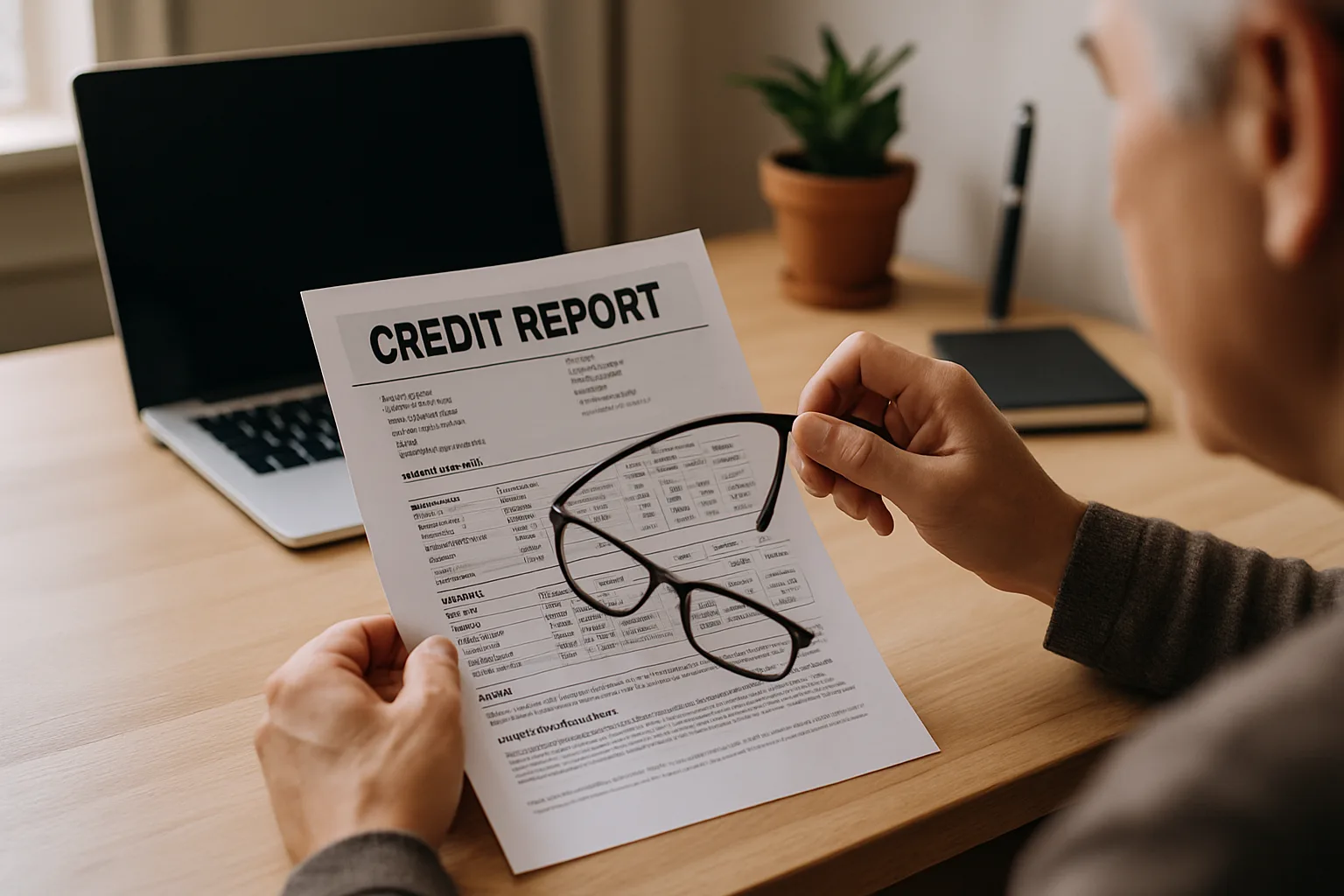
- Check your credit reports from Equifax, Experian, and TransUnion for free at AnnualCreditReport.com.
- Dispute errors online or by mail with the bureau that reported the mistake.
- If a collection is paid or inaccurate, you can request removal — but it's not guaranteed.
Credit report errors are more common than you might think. A 2021 study from the Federal Trade Commission found that one in five consumers had an error on at least one of their three credit reports. These mistakes can cost you higher interest rates, loan denials, or even job opportunities.
The good news? You have the right to dispute and fix them.
This guide walks you through exactly how to spot errors and how to dispute errors on your credit report. Whether it's a simple misspelling, a paid collection still showing as unpaid, or an account that isn't yours, you can take action. Let's get started.
Remember: This content is for informational purposes only and does not constitute financial or legal advice. For personalized help, consider consulting a credit repair professional or attorney.
What Are Credit Report Errors?
Credit report errors are any inaccuracies in the information that credit bureaus (Equifax, Experian, and TransUnion) collect about you. These can range from minor typos to serious mistakes like accounts that don't belong to you. Even a small error can have a big impact on your financial life.
Common types of errors include:
- Personal information mistakes: Wrong name, address, Social Security number, or employer.
- Account errors: Accounts that aren't yours, incorrect account status (e.g., showing open when closed), wrong balance or credit limit.
- Payment history errors: Late payments that were actually on time, duplicate entries, or outdated information.
- Collection errors: Collections that don't belong to you, paid collections still showing as unpaid, or debts past the statute of limitations.
- Fraudulent accounts: Identity theft — accounts opened in your name without your permission.
Any of these can drag down your credit score. Fixing them is one of the fastest ways to improve your credit health. For example, a single late payment error could drop your score by 50 points or more.
How to Get Your Free Credit Reports
Before you can spot errors, you need to see your reports. You're entitled to one free copy of your credit report from each of the three major bureaus every 12 months through AnnualCreditReport.com. That's the only site authorized by the federal government for free reports.
During the COVID-19 pandemic, the bureaus offered free weekly reports, and as of 2024, that option has been extended indefinitely. So you can check your reports more often if you want. This makes it easier to catch errors early.
To get your reports:
- Go to AnnualCreditReport.com.
- Fill in your personal information.
- Choose which bureaus' reports you want (get all three).
- Answer security questions to verify your identity.
- View and download your reports.
You can also request reports by phone (1-877-322-8228) or by mail. Review each report carefully — errors can appear on one bureau's report but not the others. For instance, a paid collection might show as unpaid only on your TransUnion report.
How to Spot Errors on Your Credit Report
Once you have your reports, go through them line by line. Look for anything that doesn't match your records. Here's what to check:
Personal Information
Make sure your name, address, date of birth, and Social Security number are correct. Even a small typo could cause mix-ups with someone else's credit history. For example, a wrong middle initial might link you to a stranger's debt.
Account Details
For each account, verify:
- Account number (partial is fine)
- Account type (credit card, mortgage, auto loan, etc.)
- Date opened
- Credit limit or loan amount
- Balance
- Payment status (current, late, charged off, etc.)
- Payment history (30, 60, 90 days late)
If any account is unfamiliar, it could be a sign of identity theft. For example, a credit card you never applied for might appear under your name. This requires immediate action.
Collections and Public Records
Check for any collection accounts. If you've paid a collection, it should show as "paid" or "settled." If it still shows as unpaid, that's an error you need to fix. Also look for bankruptcies, judgments, or tax liens — these should be accurate and removed after the legal time limit (usually 7-10 years).
Inquiries
Hard inquiries (when you apply for credit) stay on your report for two years. If you see an inquiry you didn't authorize, dispute it. For instance, a car dealership might run your credit without permission.
That counts as an error.
If you need help understanding your report, check out our guide on how to read your credit report.
Why Credit Report Errors Happen
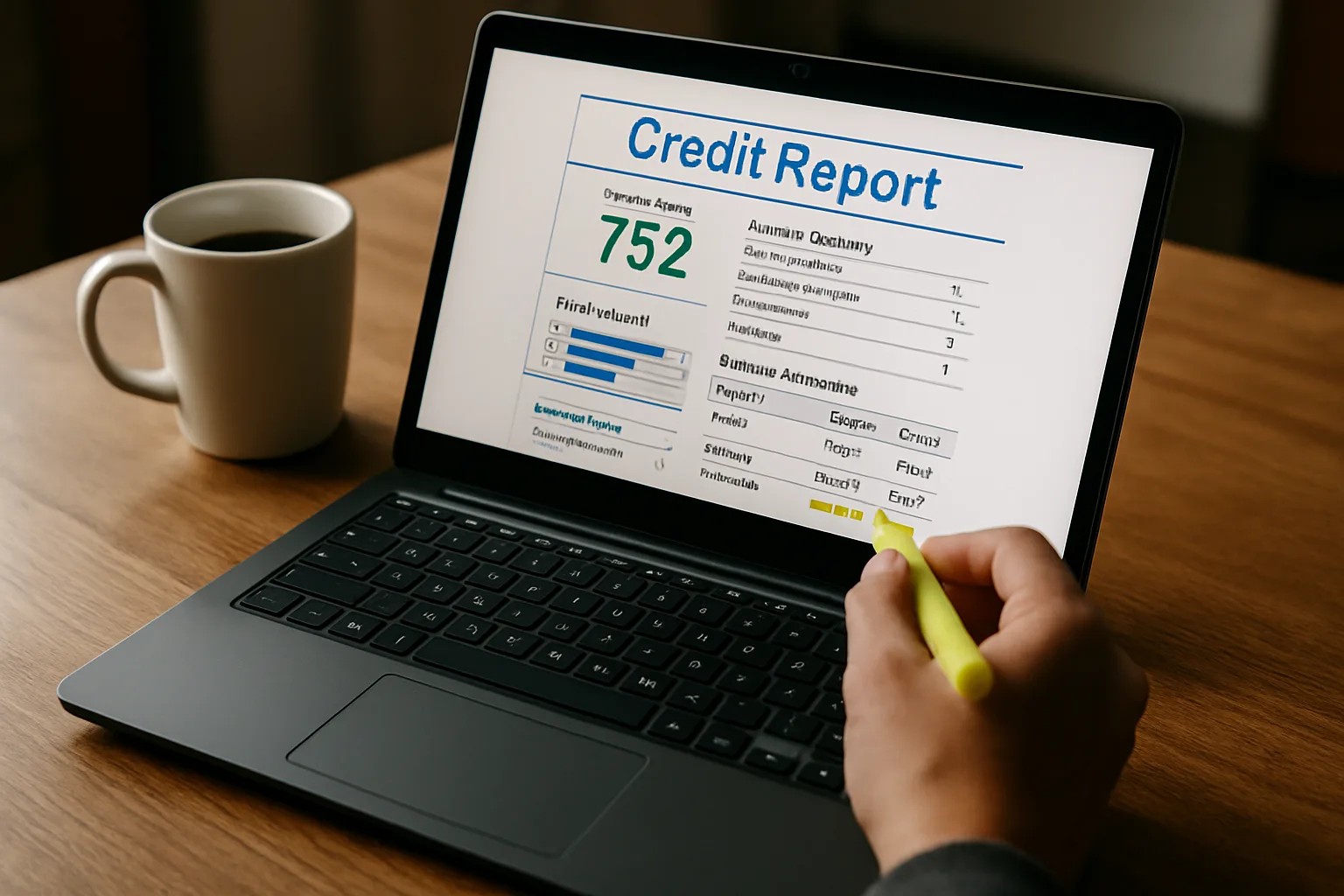
Errors occur for many reasons, and understanding them helps you prevent future mistakes. Data furnishers — like banks and lenders — sometimes report incorrect information to the bureaus. This could be a simple data entry error or a system glitch.
Mixed files are another common cause. If you share a name with a relative or have a similar Social Security number, your files might get merged. For example, John Smith Jr. might see his father's old mortgage on his report.
Identity theft is a growing concern. Thieves open accounts in your name, and those accounts appear on your report. This is why regular monitoring is so important.
Catching it early limits the damage.
How to Dispute Items on Credit Report
If you find an error, you have the right to dispute it with the credit bureau that reported it. The Fair Credit Reporting Act (FCRA) requires bureaus to investigate your dispute and correct or delete inaccurate information. This process is free and straightforward.
Here's the step-by-step process:
Step 1: Gather Evidence
Collect documents that prove the error. For example:
- A bank statement showing a payment was made on time
- A letter from the creditor confirming an account is closed or paid
- An identity theft report if the account is fraudulent
Make copies — never send originals. Keep a log of everything you submit. This helps if you need to escalate later.
Step 2: File a Dispute with the Credit Bureau
You can dispute online, by phone, or by mail. Online is fastest, but mail gives you a paper trail. For each bureau:
- Equifax: Visit equifax.com/dispute or mail to Equifax Information Services LLC, P.O. Box 740256, Atlanta, GA 30374.
- Experian: Visit experian.com/disputes or mail to Experian, P.O. Box 4500, Allen, TX 75013.
- TransUnion: Visit transunion.com/dispute or mail to TransUnion LLC, Consumer Dispute Center, P.O. Box 2000, Chester, PA 19016.
Explain the error clearly and include copies of your evidence. Keep a record of your dispute, including confirmation numbers. This is your proof of action.
Step 3: Wait for Investigation
The bureau typically has 30 days to investigate. They'll contact the creditor that provided the information. If the creditor can't verify the data, the bureau must remove or correct it.
In some cases, the investigation takes only a few days.
Step 4: Review the Results
You'll get a written response. If the dispute results in a change, the bureau will send you an updated credit report. If they say the information is accurate, you can add a statement of dispute to your report (100 words max) explaining your side.
This statement will be visible to lenders.
Step 5: Dispute with the Data Furnisher
If the bureau doesn't fix the error, you can also contact the creditor or collection agency directly. Send them a dispute letter with evidence. They are also required to investigate under the FCRA.
This gives you a second chance to get the error corrected.
For a deeper dive, see our complete guide on how to dispute errors on your credit report.
How to Remove Collections from Credit Report
Collections can be especially damaging to your credit score. But there are ways to get them removed, even if they're legitimate. The key is knowing your options and acting strategically.
Option 1: Dispute Inaccurate Collections
If the collection account has errors — wrong amount, wrong date, or you don't owe the debt — dispute it with the credit bureau and the collection agency. Provide proof. If the agency can't verify the debt, it must be removed.
For example, a medical bill sent to collections for the wrong amount can be disputed with your insurance records.
Option 2: Request a Pay-for-Delete
If you owe the debt, you can ask the collection agency to remove the collection from your credit report in exchange for payment. This is called "pay-for-delete." Not all agencies agree, but it's worth asking. Get the agreement in writing before you pay.
Some agencies will agree to delete the account if you pay the full balance.
Option 3: Wait for the 7-Year Limit
By law, collections can only stay on your credit report for seven years from the date of the first missed payment. After that, you can dispute it as obsolete and have it removed. This is a passive strategy, but it works if you can wait.
For more details, see our guide on how to remove collections from credit report.
How to Remove Paid Collections from Credit Report
Even after you pay a collection, it can remain on your credit report for up to seven years. But you can try to get it removed. The key is to act quickly after payment.
Request Goodwill Deletion
Write a goodwill letter to the collection agency or original creditor. Explain that you've paid the debt and ask them to remove the collection as a courtesy. This works best if you have a history of on-time payments otherwise.
For instance, if you paid a medical bill late but all other accounts are current, mention that.
Dispute as Paid
If the collection still shows as unpaid after you've paid it, dispute it with the credit bureau. Provide proof of payment, and they should update it to "paid" or remove it entirely. This is a straightforward fix for a common error.
Negotiate Removal Before Paying
If you haven't paid yet, negotiate with the collection agency: agree to pay only if they remove the collection from your report. Get it in writing first. This is often the most effective approach because you have leverage.
Remember, paying a collection doesn't automatically improve your score — the collection can still drag it down. So removal is better than a paid status. Aim for deletion whenever possible.
How to Get Rid of Collections on Credit Report (Even Legitimate Ones)
Legitimate collections are harder to remove, but not impossible. Here are some strategies:
Dispute Based on Procedural Errors
Collection agencies must follow strict rules under the Fair Debt Collection Practices Act (FDCPA). If they failed to send you a validation notice within five days of first contacting you, or if they didn't respond to your debt validation request, you may have grounds to dispute the account. For example, if the agency never sent a written notice, you can argue the debt is unverified.
Check the Statute of Limitations
If the debt is too old to be legally enforceable (usually 3-6 years depending on your state), you can send a cease-and-desist letter. While the collection can still appear on your report, the agency may stop reporting if you threaten legal action for continued collection attempts. This can pressure them to remove it.
Use a Credit Repair Company
If the above steps seem overwhelming, you can hire a reputable credit repair company. They'll dispute errors on your behalf, including collections. Just be aware of upfront fees — legitimate companies don't charge before services are performed.
Research companies thoroughly before signing up.
How to Remove a Collection from Your Credit Report (Step-by-Step)
Here's a concise checklist to follow:
- Get your credit reports from all three bureaus.
- Identify the collection account and note the details (amount, date, creditor).
- If the collection is inaccurate, gather evidence and dispute with the credit bureau.
- If accurate, consider pay-for-delete or goodwill deletion.
- If paid, dispute as paid or request goodwill removal.
- Follow up within 30 days to ensure the dispute is processed.
- If the bureau doesn't remove it, dispute with the collection agency directly.
- If all else fails, wait for the 7-year limit and then dispute as obsolete.
Each step builds on the last. Start with the simplest option and escalate as needed. Persistence often pays off.
How to Remove Debt Collection from Credit Report Using a Dispute Letter
A well-written dispute letter can be powerful. Here's what to include:
- Your name, address, and a copy of your credit report with the error circled.
- Clear statement: "I dispute the following item(s) because [reason]."
- List each error and explain why it's wrong.
- Attach copies of supporting documents.
- Request that the item be corrected or removed.
Send the letter by certified mail with return receipt requested. Keep copies of everything. This creates a paper trail that protects your rights.
Sample sentence: "I am writing to dispute the collection account from [Creditor Name] (account number [XXX]) because I have already paid this debt in full on [date]. Enclosed is a copy of the payment confirmation." Be specific and concise.
How to Contest Credit Report Errors with the Credit Bureaus
If you've already disputed and the bureau says the error is "verified," you still have options. Don't give up — many errors are wrongly verified due to automated systems.
Request a Reinvestigation
If the bureau didn't properly investigate, you can ask them to reinvestigate. Provide new evidence if possible. For example, if you have a bank statement that was overlooked, send it again with a new letter.
File a Complaint with the CFPB
The Consumer Financial Protection Bureau (CFPB) handles complaints about credit reporting. File a complaint at consumerfinance.gov/complaint. The CFPB will forward it to the bureau and require a response.
This often prompts a faster resolution.
Contact Your State Attorney General
Your state's attorney general may also help with credit reporting disputes, especially if the error is part of a pattern of violations. Some states have strong consumer protection laws. A complaint can trigger an investigation.
Sue the Credit Bureau
As a last resort, you can sue the credit bureau or the data furnisher for violations of the FCRA. You can recover actual damages, court costs, and attorney's fees. Consult an attorney before taking this step.
This option is rare but effective for serious cases.
How Long Does It Take to Fix Credit Report Errors?
Most disputes are resolved within 30 days. If the bureau needs more information, they can take up to 45 days. Once the error is corrected, the bureau must send you an updated report and notify the other bureaus if you requested it.
This timeline is set by federal law.
If the dispute is successful, the item will be removed or corrected. Your credit score may improve within a few weeks as the bureaus update their records. For example, removing a late payment error could boost your score by 30 points quickly.
What If the Error Is Identity Theft?
If you find accounts you didn't open, you may be a victim of identity theft. Here's what to do:
- Place a fraud alert on your credit reports (free, lasts one year).
- File an identity theft report with the Federal Trade Commission at IdentityTheft.gov.
- Contact the fraud department of each credit bureau to block fraudulent accounts.
- Dispute the fraudulent accounts with the bureaus and creditors.
- Consider a credit freeze to prevent new accounts from being opened.
Identity theft can be stressful, but you have legal protections. The FTC provides a recovery plan tailored to your situation. Act quickly to minimize damage to your credit.
How to Monitor Your Credit Report for Future Errors
Prevention is better than correction. Regular monitoring helps you catch errors early. Set a reminder to check your reports every few months.
Consider using a credit monitoring service. Many offer alerts for changes to your report, such as new accounts or inquiries. Some services are free, while others charge a monthly fee.
Choose one that fits your needs.
You can also stagger your free reports. Request one from each bureau every four months instead of all at once. This gives you year-round coverage without paying extra.
Common Mistakes When Disputing Credit Report Errors
Many people make avoidable mistakes during the dispute process. Understanding these can save you time and frustration.
Not Keeping Records
Failing to save confirmation numbers or copies of letters can hurt your case. If a dispute is lost, you have no proof you filed it. Always keep a paper trail.
Disputing Accurate Information
Some consumers dispute legitimate debts hoping for removal. This can backfire if the creditor verifies the data. Focus only on actual errors to avoid wasting time.
Ignoring One Bureau
Errors often appear on only one report. If you only check Equifax, you might miss a mistake on TransUnion. Always review all three reports.
How Credit Report Errors Affect Your Credit Score
Errors can lower your score in several ways. A late payment error can drop your score by 50 to 100 points. Incorrect balances can increase your credit utilization ratio, which is a major scoring factor.
For example, a credit card showing a $5,000 balance when you actually owe $500 can make you look riskier. This can lead to higher interest rates or loan denials. Fixing these errors can quickly boost your score.
Even a small error, like a misspelled name, can cause delays in credit applications. Lenders may flag your report for review, slowing down the approval process. Accuracy matters for every detail.
When to Seek Professional Help for Credit Report Errors
Some errors are complex and hard to fix alone. If you've tried multiple disputes without success, consider professional help. Credit repair companies can handle the process for you.
Look for companies with good reviews and transparent pricing. Avoid any that promise guaranteed results or ask for payment upfront. The Credit Repair Organizations Act (CROA) requires contracts and a three-day cancellation period.
You can also consult a consumer law attorney. They can advise on legal options, especially for identity theft or FCRA violations. This is often worth the cost for serious cases.
Key Takeaways
- Check your credit reports from all three bureaus at least once a year for free.
- Dispute any errors you find — you have the right under the FCRA.
- Collections can sometimes be removed even if they're accurate, through pay-for-delete or goodwill requests.
- Keep records of all disputes and follow up within 30 days.
- If disputes fail, escalate to the CFPB or consider legal action.
- Fixing errors can boost your credit score and save you money on loans.
Frequently asked questions
How long do I have to dispute a credit report error?
Will disputing a credit report error hurt my credit score?
Can I remove a collection from my credit report if I pay it?
What if the credit bureau says the error is verified but I know it's wrong?
How do I dispute an error on my credit report online?
This article is for general informational purposes only and does not constitute financial, legal or credit-repair advice. Always consult a qualified financial advisor or credit counselor about your specific circumstances.

Written & reviewed by
Can OTUEditor
Can OTU is the editor of this site, curating and reviewing every guide for accuracy and clarity.
View all guides →